The Importance of Emotional Decluttering: Free Yourself from Psychological Baggage
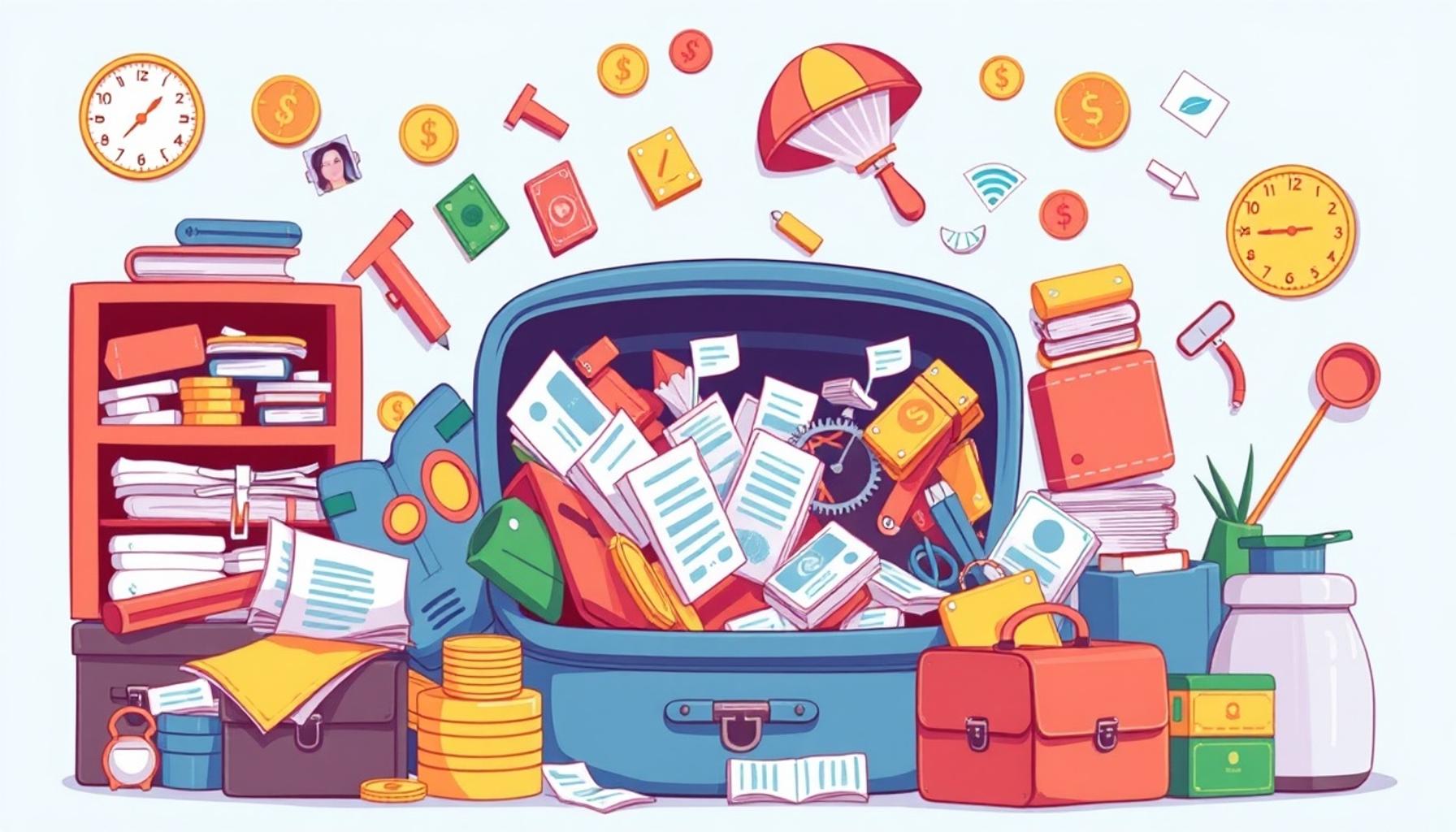
The Necessity of Emotional Well-Being
In an age where the demands of daily life can feel overwhelming, many people grapple with their psychological baggage. This psychological weight often originates from a variety of life experiences—be it the strains of personal relationships, the high pressure of professional environments, unresolved childhood issues, or even societal expectations. The amalgamation of these experiences can lead to emotional strain, clouding judgment and stunting personal development.
Recognizing the necessity and value of emotional decluttering cannot be overstated. This intentional practice goes beyond mere passive reflection; it involves actively acknowledging and releasing negative emotional patterns. A lighter emotional load can lead to significant benefits in various aspects of life. Here are some pivotal points to consider:
- Boosts Mental Clarity: When emotional clutter is cleared, individuals often experience sharper focus and improved cognitive function. For example, students preparing for exams often find that meditation, a form of emotional decluttering, increases their ability to retain information and enhances their concentration during study sessions.
- Enhances Relationships: Holding onto past grievances can create barriers in personal interactions. By practicing forgiveness and understanding, individuals can create deeper connections with friends and family. Numerous studies have shown that couples who communicate openly about their emotions report higher levels of relationship satisfaction.
- Reduces Stress: Decluttering one’s emotional space can lead to decreased levels of anxiety and stress. Techniques such as journaling, mindful breathing, or engaging in physical activity can help individuals process their thoughts and feelings, further promoting relaxation and emotional well-being.
Embracing the journey of freeing yourself from psychological baggage can open new doors to potential opportunities and adventures. It encourages a mindset that is receptive to change and growth, reminding individuals that life is not just about overcoming obstacles but also about actively choosing to seek positive experiences.
In conclusion, understanding and initiating the process of emotional decluttering can lead to a vastly improved quality of life. By letting go of what no longer serves us emotionally, we make space for positive thoughts, healthier relationships, and a life filled with promise. It is both a liberating and transformative journey—one that everyone deserves to embark upon.
DISCOVER MORE: Click here to learn innovative storage strategies

The Path to Emotional Clarity
Amid the hustle and bustle of modern life, one might often feel encumbered by emotions that seem to cling like forgotten items in a cluttered attic. The process of emotional decluttering acts as a much-needed spring cleaning for the mind, allowing individuals to sift through layers of feelings and experiences to uncover what is essential and worthy of retaining. This purification is not merely about letting go; it is about understanding the influence of past experiences on the mind’s present state and unraveling the knot of emotions that detract from personal fulfillment.
The scientific community is increasingly recognizing the significance of emotional health, underscoring how high emotional burdens can lead to tangible negative effects—ranging from chronic stress and anxiety to physical health issues. According to the American Psychological Association, prolonged emotional distress is linked to a variety of health problems, including heart disease and obesity. To confront this growing issue, it becomes paramount to understand various strategies for emotional decluttering that can lead to improved mental and physical well-being.
Techniques for Emotional Decluttering
Engaging in thoughtful practices geared towards emotional decluttering can be both an enlightening and liberating process. Here are several effective techniques:
- Mindful Journaling: Setting aside time for reflective writing allows individuals to articulate thoughts and feelings that may otherwise remain unexamined. By putting pen to paper, it becomes easier to identify recurring patterns in emotions and trace their origins.
- Emotional Check-Ins: Regularly assessing one’s emotional state can help individuals recognize fluctuations that impact their daily lives. This could involve stopping for a moment during a busy day to contemplate current feelings and thoughts, ultimately leading to improved emotional regulation.
- Therapeutic Practices: Engaging with a licensed therapist or counselor creates a safe space for exploring emotional issues in-depth. Professional guidance can help individuals unravel complex emotional knots, promoting deeper personal insights and healthier coping mechanisms.
- Creative Expression: Channeling feelings into art, music, or even movement can serve as powerful outlets for emotions. Whether it’s painting, dancing, or playing an instrument, creative endeavors provide an alternative way of processing experiences and offering a refreshing perspective.
Embarking on the journey of emotional decluttering requires time and dedication, but the rewards can be profound. Those who commit to clearing their emotional landscapes often discover a newfound sense of freedom, clarity, and resilience. Embracing this transformative process encourages individuals to become more attuned to their needs and aspirations, ultimately leading to a more fulfilled and purposeful life.
The Importance of Emotional Decluttering: Free Yourself from Psychological Baggage
As we navigate through life, it’s common to accumulate emotional clutter, much like we do with physical possessions. This kind of clutter can stem from unresolved issues, negative thoughts, or unwanted feelings that linger in the psyche. Understanding the value of emotional decluttering is key to fostering mental well-being and finding peace.
When we talk about emotional decluttering, we refer to the practice of releasing or managing the overwhelming feelings and thoughts that can entrap our minds. Engaging in this practice allows individuals to examine and let go of the emotional burdens that often hinder personal growth and happiness. By identifying triggers, recognizing repetitive patterns, and confronting the discomfort that arises, one can start unlocking a healthier mental state.
Furthermore, emotional decluttering provides a unique opportunity for self-reflection and renewal. It encourages individuals to create a space within themselves for new experiences, perspectives, and resilience. As we learn to let go of fear, guilt, and negativity, we make room for positivity, creativity, and motivation to blossom.
| Category | Description |
|---|---|
| Increased Clarity | Emotional decluttering leads to clear thought processes and enhanced decision-making. |
| Relief from Anxiety | By addressing emotional baggage, individuals often experience a significant reduction in anxiety levels. |
Engaging in practices such as mindfulness, journaling, or talking with a therapist can bolster the decluttering process. They can act as conduits for understanding our emotional landscapes. In turn, this emotional literacy enhances one’s ability to face life’s challenges with resilience. This process not only improves mental clarity but fuels positive emotional landscapes, allowing individuals to thrive.
Ultimately, the journey of emotional decluttering is a deeply personal one. Each step taken towards freedom from psychological baggage is a step towards heightened self-awareness and emotional wellness. Embracing this journey can yield transformative results, allowing individuals to experience life in a more authentic and fulfilling way.
DISCOVER MORE: Click here to enhance your productivity
The Psychological Benefits of Emotional Decluttering
Understanding the importance of emotional decluttering extends beyond the immediate relief of letting go; it delves into the deeper psychological benefits that enhance one’s overall emotional landscape. By clearing out mental clutter, individuals create space for more positive thoughts and feelings, promoting a healthier and more balanced mental state. Researchers in psychology have noted a profound correlation between emotional hygiene—akin to physical hygiene—and the ability to navigate through life’s challenges with resilience and adaptability.
One significant aspect of emotional decluttering is its role in fostering self-awareness. As individuals begin to shed their psychological baggage, they often find themselves more in tune with their emotions and reactions. This heightened self-awareness enables them to recognize maladaptive thought patterns that perpetuate negative feelings. A study published by the National Institute of Mental Health highlighted that individuals who practice emotional mindfulness experience a notable drop in anxiety levels, suggesting that emotional decluttering equips one with tools to better manage stress and emotional turbulence.
Releasing Toxic Relationships
Another integral part of the emotional decluttering process involves assessing interpersonal relationships. As we navigate through life, we often accumulate connections that no longer serve our well-being. Toxic relationships, whether with family members, friends, or colleagues, can drain emotional energy and contribute to ongoing distress. Recognizing and distancing oneself from these influences is essential in reclaiming emotional space.
Data from the American Psychological Association indicates that unhealthy relationships can carry significant psychological costs, including increased rates of depression and anxiety. By severing ties with toxic individuals or setting boundaries with them, one can pave the way for healthier interactions and richer, more fulfilling relationships. This act of clearing emotional debris not only leads to a sense of relief but also opens the door to new, positive connections that enrich life experiences.
The Science behind Emotional Decluttering
The science surrounding emotional well-being consistently advocates for the benefits of decluttering one’s emotional state. Neuroscientific research reveals that the act of expressing emotions, whether through journaling or therapeutic dialogues, activates the brain’s reward centers. This physiological response releases chemicals such as dopamine, which can elevate mood and promote a sense of well-being. Furthermore, regular emotional decluttering can mitigate the effects of neuroplasticity, encouraging the brain to form new, healthier thought patterns that are more conducive to positive living.
Practicing mindfulness meditation is another excellent method endorsed by mental health professionals for emotional decluttering. Studies show that mindfulness can lead to increased emotional regulation, resulting in a stronger ability to manage negative thoughts and feelings. This form of meditation encourages individuals to observe their emotions objectively, providing insights that are invaluable for letting go of what is no longer serving their mental health. Research published in popular psychology journals supports the efficacy of these techniques, confirming their effectiveness in reducing anxiety and increasing overall happiness.
As individuals continue to adopt practices for emotional decluttering, they not only free themselves from the weight of psychological baggage but also engage in a journey of continuous self-improvement. In the quest for emotional clarity, they may discover not just a sense of relief, but an entire landscape of potential waiting to be explored.
DISCOVER MORE: Click here to learn about personal transformations through minimalism
Embracing the Journey of Emotional Clarity
In conclusion, the importance of emotional decluttering resonates deeply within our increasingly complex lives, offering a pathway to greater well-being and mental clarity. As explored in this article, engaging in the process of releasing emotional baggage is not just a one-time endeavor but a vital practice for sustainable mental health. By fostering self-awareness, distancing from toxic relationships, and harnessing techniques like mindfulness meditation, individuals can cultivate a healthier mindset that is more resilient to life’s challenges.
The psychological benefits are undeniable—less anxiety, improved emotional regulation, and the liberation from detrimental thought patterns are just a few of the gains one can expect. The act of emotional decluttering can lead to a newfound appreciation for positive connections and fulfilling relationships, enhancing life’s quality and complexity. In America, where the fast-paced lifestyle often leaves little room for self-reflection, prioritizing emotional wellness can change the narrative, inviting a more balanced, peaceful existence.
As you embark on your own emotional decluttering journey, remember that the process is unique to you. It’s about acknowledging what no longer serves you and creating space for joy and positivity to flourish. While it may require courage and commitment, the rewards—greater happiness, improved relationships, and enhanced mental clarity—are well worth the effort. Begin today by taking small steps towards freeing yourself from psychological baggage, and uncover the vibrant potential that lies ahead.
Related posts:
Decluttering in the Age of Consumption: Strategies to Restore the Value of Your Belongings
Digital Decluttering: Organizing Your Online Life for Minimalist Living
Decluttering and Mental Health: How Organizing Your Space Can Reduce Stress
The Impact of Decluttering on Productivity: How an Organized Space Increases Work Efficiency
Decluttering with the Family: Techniques to Involve Everyone in Home Organization
How to Implement the KonMari Method to Transform Your Personal Space

Linda Carter is a writer and organization expert specializing in minimalism and personal organization. With extensive experience helping individuals create clutter-free, functional spaces and adopt mindful habits, Linda shares her knowledge on our platform. Her goal is to empower readers with practical advice and strategies to simplify their lives, stay organized, and achieve a sense of calm and balance in their daily routines.