The Impact of Conscious Consumption on Personal Organization: Creating Spaces that Reflect Our Values

The Rise of Mindful Purchasing Habits
In today’s fast-paced world, there is a growing awareness about the impact of consumer choices on our lives and the planet. This recognition is at the heart of the movement towards conscious consumption, a principle that urges individuals to be more intentional about what they buy. From food to fashion, people are reevaluating their purchases and considering how these decisions align with their personal and collective values.
This shift towards mindful choices fosters environments that not only reflect individual tastes but also encapsulate our core beliefs. With every conscious decision, we can influence our personal spaces and overall well-being. Let us explore some key aspects of conscious consumption and their implications.
Sustainability Matters
One of the most significant components of conscious consumption is sustainability. By choosing eco-friendly products, individuals can play a vital role in minimizing their environmental footprint. For example, opting for products made from recycled materials or purchasing local organic produce not only supports sustainable farming practices but also reduces carbon emissions from transportation. Consumers in the United States are increasingly turning to brands that prioritize sustainability, such as Patagonia or Seventh Generation, recognizing that their choices can enhance the quality of their living spaces while also benefiting the environment.
The Minimalist Approach
Minimalism advocates for simplicity, encouraging individuals to reduce excess belongings to create a more serene and organized home. Clutter can lead to feelings of anxiety and overwhelm; by adopting a minimalist mindset, one can cultivate clarity and peace in their surroundings. This idea is echoed in trends like Marie Kondo’s “spark joy” philosophy, where individuals are guided to keep only those items that add value to their lives. The result is a harmonious living space that promotes tranquility and focus.
Purposeful Purchases
Many consumers are now engaging in purpose-driven purchases, choosing to spend money on products and services that align closely with their ethical beliefs and personal missions. For instance, brands like TOMS and Warby Parker donate a pair of shoes or glasses for each product sold, creating a cycle of giving that resonates deeply with customers. This alignment between values and purchasing can foster a profound sense of satisfaction and fulfillment, transforming ordinary buying habits into meaningful experiences.
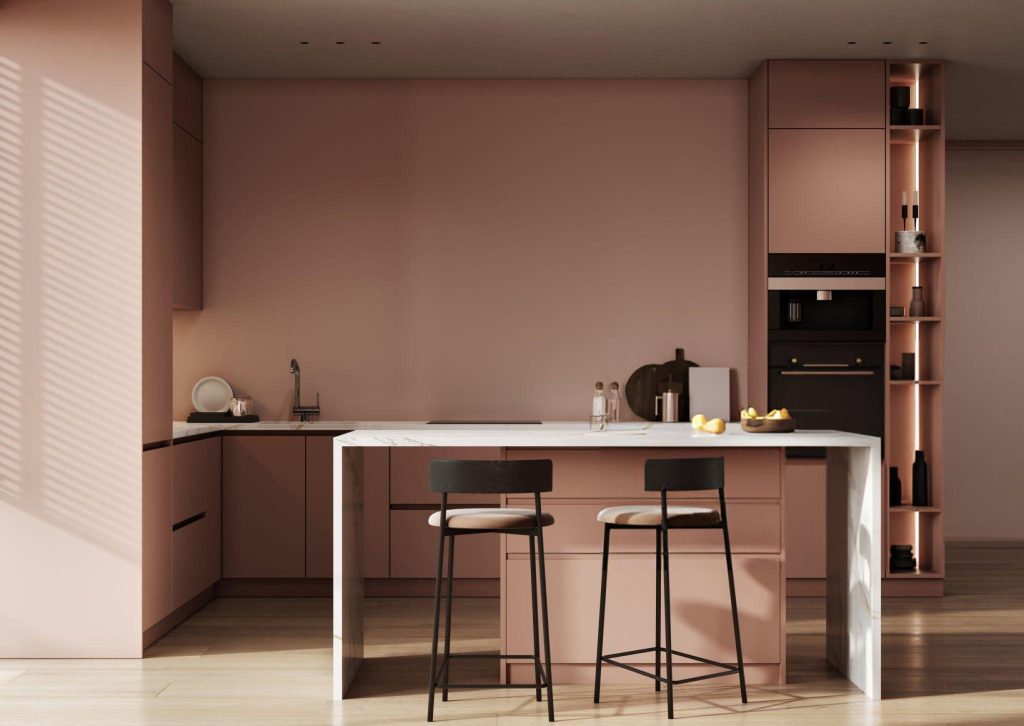
As we delve deeper into the realm of conscious consumption, it becomes clear that our purchases extend beyond mere ownership; they significantly contribute to a fulfilling life. This conscientious approach not only influences how we organize our homes but also develops a supportive atmosphere that reflects who we truly are.
Join us as we unpack the intricacies of conscious consumption, illuminating the relationship between our buying habits and the environments we inhabit. By understanding this connection, we can transform our living spaces into genuine reflections of our values and aspirations, paving the way for a more sustainable and fulfilling future.
DIVE DEEPER: Click here to streamline your schedule
The Transformative Power of Conscious Choices
Conscious consumption goes beyond simply making informed purchases; it encompasses a holistic approach to living that deeply influences our personal organization and the spaces we inhabit. As individuals become more aware of the effects of their buying patterns, they inadvertently redefine their environments. This transformation is fueled by the desire to align their physical surroundings with their ethical beliefs and aesthetic preferences. In doing so, they not only create spaces that are visually appealing but also emotionally fulfilling.
Reflecting Values Through Design
When consumers choose to prioritize ethical materials and products that support local artisans, they foster an environment that speaks to their value system. For example, a homeowner might select furniture made from reclaimed wood or decor sourced from sustainable manufacturers. These choices do not simply contribute to a curated aesthetic; they also send a powerful message about the individual’s dedication to sustainability and community support. Consider the following elements that illustrate this alignment between values and personal space:
- Art and Decor: Choosing pieces that are handmade or ethically sourced can lead to a collection of art that tells a story and sparks conversations.
- Furniture Selection: Investing in quality, durable furniture made from sustainable materials minimizes waste and impacts the environment less.
- Textiles: Prioritizing organic and natural fabrics over synthetic alternatives supports both health and sustainability, transforming a space into a sanctuary.
By intentionally deciding what items to include in their living environment, individuals are effectively curating a life well-lived, designed around their values. This selective process in personal organization doesn’t just impact aesthetics; it enhances emotional well-being by creating spaces filled with meaning rather than clutter.
The Psychological Impact of Organized Spaces
Research has shown that there is a direct correlation between organized spaces and mental clarity. When individuals engage in conscious consumption, they often find themselves decluttering and prioritizing the items that truly matter. An organized space can lead to significant improvements in focus, productivity, and overall happiness. A 2021 survey found that nearly 90% of Americans reported feeling more relaxed in a tidy environment compared to cluttered surroundings, emphasizing the importance of mindful organization.
Furthermore, creating a personal sanctuary involves understanding how our living spaces affect our mental health. By fostering a more intentional atmosphere filled with intentional purchases, we can cultivate a space that promotes tranquility and inspiration. Ultimately, this thoughtful approach to personal organization allows for a deeper connection to our values and the environments we navigate daily.
In the quest for a fulfilling life, investing in an organized and value-driven living space is paramount. As we delve further into the concept of conscious consumption, we uncover ways to enhance our personal organization, ensuring that our homes truly reflect our beliefs and aspirations.
In the journey towards personal organization, conscious consumption plays a pivotal role by enabling individuals to curate their living and working environments in ways that truly resonate with their values. This approach goes beyond mere aesthetics; it encourages a thorough evaluation of what we bring into our spaces. Emphasizing the importance of intentional choices can foster environments that invigorate rather than overwhelm. When individuals practice conscious consumption, they prioritize quality over quantity. This results in fewer, but more meaningful, possessions. For instance, when selecting home decor or office supplies, consumers often gravitate towards items that are ethically produced and environmentally friendly, reducing waste and promoting sustainability. This shift not only enhances the personal atmosphere but also aligns with the principles of eco-consciousness, creating a ripple effect that encourages others in the community to follow suit.Furthermore, spaces that reflect our values often improve mental clarity and productivity. An organized workspace, clutter-free and filled with purposeful items, supports a clear mind. Research indicates that our physical environment directly influences our mood and cognitive performance. By designing spaces that reflect our values, we’re engaging in *self-care*, cultivating an atmosphere that nurtures health and wellbeing. Even more compelling is the social aspect of conscious consumption. Creating spaces that embody our beliefs invites conversations and connections with others who share similar values. This communal exchange can further galvanize efforts towards a sustainable lifestyle, making the practice of conscious consumption not just a personal endeavor, but a collective movement. As individuals navigate the intricacies of modern life, understanding the impact of conscious consumption on personal organization becomes essential. By reflecting on their values through the products they choose and the spaces they inhabit, consumers can create a harmonious balance between their surroundings and their ideals. This transformative practice beckons for deeper exploration, prompting further engagement with the principles behind thoughtful consumption.
DISCOVER MORE: Click here to learn about the psychology of space
The Intersection of Minimalism and Conscious Consumption
Minimalism has gained traction in recent years, often overlapping with the principles of conscious consumption. This lifestyle emphasizes the value of living with less while simultaneously advocating for intentionality in every choice made. As individuals engage with minimalism, they begin to clear out space not just physically, but also mentally, allowing clarity and purpose to emerge in every aspect of their lives. The fusion of minimalism and conscious consumption reshapes personal organization in profound ways.
Establishing Intentional Spaces
When individuals embrace a minimalist philosophy alongside conscious consumption, they begin to scrutinize the items in their homes with greater discernment. This reflective practice opens the door to intentional spaces—areas designed thoughtfully to serve distinct purposes without unnecessary distractions. For instance, a cozy reading nook can be created with just a well-chosen chair, a small bookshelf filled with literature that aligns with one’s interests, and a lamp made from sustainable materials. Every element in this sanctuary has been selected consciously, adding to an ambiance of peace and focus.
Moreover, calculations on space usage become incredibly important. According to a 2022 report by the National Association of Realtors, nearly 60% of homeowners indicated that they would prioritize functionality over aesthetics in their homes. This precept lends itself well to both minimalism and conscious consumption, as each item in a space must earn its place through performance and meaning rather than simple ornamental value. By creating functional and purposeful areas within the home, individuals find they can better reflect their values, leading to a more genuine living experience.
The Role of Technology in Conscious Organization
In today’s digital landscape, technology plays a pivotal role in enhancing conscious consumption and personal organization. With the rise of smart home innovations and organization apps, consumers can now access tailored solutions to streamline their living spaces. For instance, a recent study highlighted that over 70% of Americans use apps to manage their shopping lists and simplify their purchasing decisions, ultimately fostering responsible consumer habits.
- Smart Home Devices: Smart storage solutions can revolutionize space management. Automated shelving and modular furniture can be customized based on user preferences, making it easier to keep organized.
- Decluttering Apps: Apps specifically designed to help individuals track their possessions and advise on what to keep and what to donate can transform a cluttered environment into a serene, organized habitat.
- Virtual Experiences: Online platforms for virtual home organization courses are making it easier for consumers to learn the principles of conscious consumption and minimalism, enhancing awareness of how their choices affect both their living spaces and the environment.
The integration of technology within the framework of conscious consumption not only simplifies serious organization tasks but also facilitates a community of like-minded individuals eager to share best practices. Furthermore, as social media trends surrounding minimalist aesthetics continue to rise, more people are motivated to align their personal spaces with these emerging ideals.
This dynamic interplay between conscious consumption, minimalism, and the practicalities of modern technology sets the stage for a more peaceful relationship with our belongings, encouraging deeper connections to the spaces we inhabit. By redefining how we engage with both our possessions and living environments, we pave the way for a fulfilling and genuinely value-driven lifestyle.
DIVE DEEPER: Click here to discover strategies for greater focus
Conclusion
In a world increasingly characterized by overconsumption and fast-paced living, conscious consumption emerges as a powerful movement that encourages individuals to reassess not just their purchasing habits, but also how they arrange their living spaces. By integrating the principles of conscious consumption with minimalism, we facilitate a transformative journey towards meaningful organization. The mindful selection of items that serve a purpose aligns closely with our personal values, leading to intentional spaces that radiate peace, functionality, and authenticity.
The rise of technology further amplifies this movement, equipping individuals with innovative tools and resources that simplify their shopping experiences and decluttering processes. With a wealth of decluttering apps and smart home solutions at their disposal, consumers are not only streamlining their possessions, but also fostering a community anchored in shared values and practices. These advancements underscore an evolving understanding of personal organization as a reflection of one’s principles.
Ultimately, the convergence of conscious consumption, minimalism, and technology provides a foundation for creating well-organized environments that resonate with our deepest ideals. As we move forward, it is imperative to embrace this holistic approach and explore how our choices—both in the items we acquire and the way we organize them—can create a more harmonious living space. This engagement with our environment not only enriches our lives but also contributes to a culture of sustainability and mindfulness that can leave a lasting legacy for future generations.
Related posts:
Mindful Consumption and the Influence of Social Media: Challenging Consumption Norms in a Digital Wo...
Mindful Consumption as a Path to Financial Freedom: Less Buying, More Saving
Mindful Consumption and Stress Reduction: Creating a More Organized and Sustainable Lifestyle
Mindful Consumption: The Art of Choosing with Intention in the Age of Fast Consumption
The Connection between Conscious Consumption and Sustainability: Redefining Our Priorities
Deconstructing Excess: Strategies for Conscious Consumption in a World of Abundance

Linda Carter is a writer and organization expert specializing in minimalism and personal organization. With extensive experience helping individuals create clutter-free, functional spaces and adopt mindful habits, Linda shares her knowledge on our platform. Her goal is to empower readers with practical advice and strategies to simplify their lives, stay organized, and achieve a sense of calm and balance in their daily routines.