

Understanding Your Skin Type
Selecting the right acne treatment can often feel like navigating a labyrinth filled with endless products and conflicting information. In the United States alone, the beauty and skincare industry has an overwhelming selection of options, each claiming to be the ultimate solution for breakouts. However, the most effective way to tackle acne involves recognizing that each skin type—whether oily, dry, combination, or sensitive—requires a specific and tailored approach that not only addresses the symptoms of acne but also maintains overall skin health.
Key Features of Different Skin Types
Before exploring the multitude of acne treatments available, it is crucial to understand the unique characteristics of your skin type. Doing so can significantly enhance the effectiveness of the products you choose. Here are some essential features to consider:
- Oily Skin: Individuals with this skin type often notice an excess of shine, particularly in the T-zone (forehead, nose, and chin), and may experience larger pores. This overproduction of sebum can lead to clogged pores and breakouts. Look for treatments containing salicylic acid, a beta hydroxy acid that penetrates deep into the pores and helps to exfoliate skin and reduce acne. Another well-known option is benzoyl peroxide, which works by killing acne-causing bacteria and reducing inflammation.
- Dry Skin: Those with dry skin frequently contend with flakiness and a feeling of tightness, particularly after cleansing. Treatments should focus on hydration while effectively fighting acne. Consider formulations enriched with hyaluronic acid, which attracts moisture to the skin, or non-comedogenic moisturizers designed not to clog pores, paving the way for clearer skin without sacrificing hydration.
- Combination Skin: This skin type showcases characteristics of both oily and dry skin, often resulting in an oily T-zone coupled with dry patches elsewhere. It necessitates a balanced approach; products that hydrate dry areas while controlling oil in the T-zone are ideal. Look for lightweight gels or lotions that provide moisture without overwhelming oilier areas.
- Sensitive Skin: For individuals with sensitive skin, finding the right treatment can be a delicate undertaking. This skin type is prone to redness, irritation, and allergic reactions. As such, opt for treatments that are free of artificial fragrances and harsh chemicals. Products featuring soothing ingredients such as aloe vera or chamomile can minimize irritation while effectively addressing acne.
Tailoring Your Acne-Fighting Strategy
By understanding these specific characteristics, you can avoid common pitfalls like using products that exacerbate existing issues. The journey towards clearer skin is not merely about battling breakouts; it’s also about nurturing your skin’s overall health. By taking the time to learn about your skin and its needs, you set the stage for developing a personalized acne-fighting strategy that aligns with your unique skin type and its requirements.
In the following sections, we will delve deeper into various acne treatments tailored for each skin type, providing insights that can help you make informed decisions on your skincare journey. Whether you’re searching for topical treatments, lifestyle changes, or dietary adjustments, the right approach can lead you one step closer to the clear skin you desire.
DISCOVER MORE: Click here to learn about the impact of bioactive ingredients on skincare
Identifying Your Acne Type
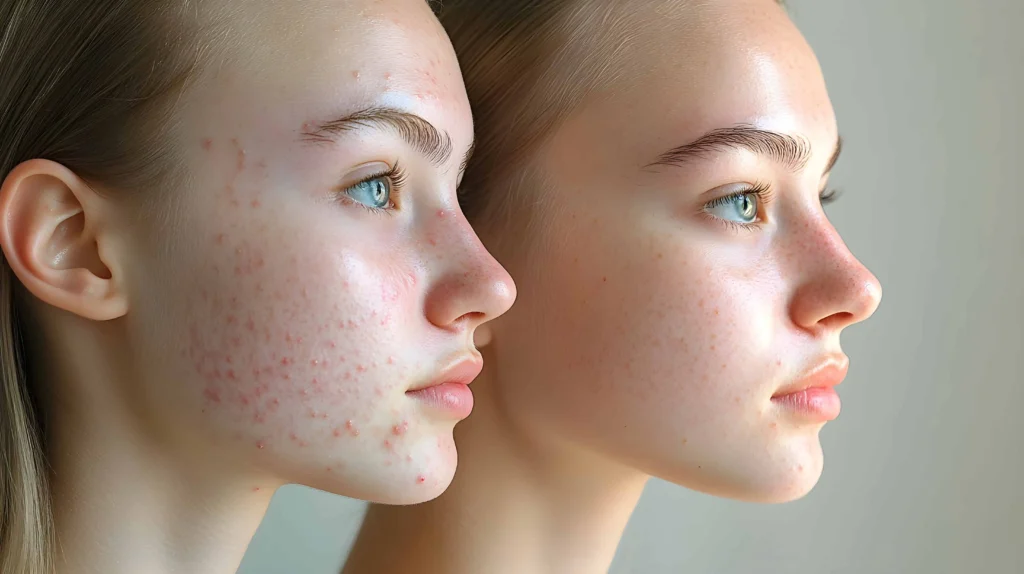
Once you have a grasp of your skin type, the next crucial step is to identify the type of acne you are experiencing. Not all acne is created equal; understanding the differences can lead you to more effective treatments suited to your unique needs. Acne can be broadly categorized into several types, including papules, pustules, cystic acne, and blackheads. Each has distinct characteristics and requires specific approaches for treatment.
- Papules: These small, inflamed red bumps are usually tender to the touch. They are a sign of inflammation and indicate that your pores are clogged. Treatments suitable for papules often include topical retinoids or salicylic acid to promote cell turnover and prevent clogged pores.
- Pustules: Characterized by a white or yellow center, pustules are filled with pus and often arise from an infection within the pore. For treating pustules, products containing benzoyl peroxide can be particularly effective due to their antibacterial properties, helping to clear up the infection quickly.
- Cystic Acne: This severe form of acne appears as large, painful lumps beneath the skin. Cystic acne often requires a more aggressive treatment strategy, which may include oral antibiotics or even hormonal therapies, depending on the cause. Consulting a dermatologist is crucial for this type, as they may recommend prescription medication.
- Blackheads: These are small, dark lesions that occur when a pore becomes clogged with oil and dead skin cells. Unlike other forms of acne, blackheads are not inflamed but indicate that the pore is blocked. Salicylic acid or products containing charcoal can help to extract impurities and prevent future clogging.
Assessing Your Lifestyle and Environment
In addition to understanding your skin type and the specific type of acne you’re facing, it’s also essential to consider your lifestyle choices and environmental factors. Elements like diet, stress levels, skincare routine, and even the climate can significantly influence your skin’s condition. For instance, a diet high in sugar and processed foods may exacerbate breakouts, while stress can lead to hormonal imbalances that trigger acne.
When selecting an acne treatment, it’s beneficial to adopt a holistic approach. Evaluate how certain foods or stress management techniques have affected your skin in the past. Moreover, be mindful of how your geographic location may be affecting your skin. Humid environments may lead to increased oil production, while dry climates can exacerbate skin flakiness. By considering these factors alongside your skin and acne type, you can make more informed choices regarding treatment.
As you progress through your skincare journey, remember that patience and consistency are key. The path to clearer skin often requires a multifaceted approach involving various treatments tailored to your skin type and specific acne condition.
Understanding Your Skin Type
Choosing the right acne treatment begins with a thorough understanding of your skin type. There are four primary skin types: dry, oily, combination, and sensitive. Each skin type behaves differently and reacts uniquely to acne treatments. For instance, oily skin often requires products that can help control excess sebum production, while dry skin needs hydrating ingredients to prevent further irritation.
Acne Treatment Categories
| Category | Description |
|---|---|
| Topical Treatments | Includes gels and creams containing active ingredients such as benzoyl peroxide or salicylic acid to fight acne effectively. |
| Oral Medications | Typically recommended for more severe cases and can include antibiotics or hormonal treatments to regulate acne from within. |
By defining your skin type and understanding various acne treatment categories, you are better equipped to make an informed decision that suits your individual needs. Furthermore, it’s advisable to consult with a dermatologist to personalize your treatment plan. Make sure to consider ingredients that cater specifically to your skin’s requirements for optimal results.
DISCOVER MORE: Click here to learn about contouring techniques for your face shape
Exploring Available Treatments
With your acne type and skin characteristics identified, you can now dive into the vast array of available treatments. The market is saturated with products claiming to combat acne, but understanding the key ingredients can empower you to make more informed decisions. Treatment options typically fall into either topical or oral categories, each tailored for specific acne types and skin reactions.
Topical Treatments
Topical treatments are generally the first line of defense for acne sufferers. They can be divided into a few major categories based on their active ingredients:
- Salicylic Acid: An excellent option for treating whiteheads and blackheads, salicylic acid promotes gentle exfoliation, helping to unclog pores. Its anti-inflammatory properties can also reduce redness and swelling.
- Benzoyl Peroxide: This powerful antibacterial agent works effectively against pustules and papules. It targets the bacteria that cause acne while drying out excess oil on the skin, reducing inflammation. However, users may experience dryness or irritation, so start with a lower concentration.
- Retinoids: Retinoids, derived from vitamin A, are another popular choice for acne treatment. They help regulate skin cell turnover and prevent clogged pores. Over-the-counter options like adapalene can be effective for mild to moderate acne, while stronger prescription versions might be needed for severe cases.
- Alpha Hydroxy Acids (AHAs): Often derived from fruits, AHAs such as glycolic acid are effective in removing dead skin cells and helping to improve skin texture over time. They’re particularly beneficial for those with post-acne marks and dull skin.
Oral Medications
For more severe cases of acne, especially cystic acne, oral medications may be warranted. When considering options, it’s vital to speak with a dermatologist about the right prescription tailored to your particular needs. Here are some common oral treatments:
- Antibiotics: Oral antibiotics such as tetracycline or doxycycline can be effective for controlling inflammation and reducing bacteria on the skin. These are often recommended for moderate to severe inflammatory acne.
- Hormonal Therapy: For those whose acne is exacerbated by hormonal fluctuations, particularly women, hormonal therapies may be beneficial. Birth control pills that regulate hormones can help diminish acne by reducing oil production.
- Isotretinoin: Reserved for severe persistent acne that hasn’t responded to other treatments, isotretinoin is a powerful oral retinoid. Though effective, it carries a risk of significant side effects and requires close monitoring by a healthcare professional.
Customized Treatment Plans
In today’s skincare landscape, an increasingly popular approach is the development of customized treatment plans. Many dermatologists now use genetic testing and skin assessments to tailor treatments more precisely to individual skin profiles. This proactive approach helps not only to treat existing breakouts but also to prevent future ones.
It’s important to note that everyone’s skin is unique; what works for one person may not work for another. Trial and error may be involved, and maintaining open communication with a skincare professional can provide invaluable guidance along your journey to clearer skin.
As you explore the right acne treatment for your skin type, remember that lifestyle and environmental factors are just as important as the products you choose. A holistic approach, focusing on internal health, is just as vital as external treatments for achieving long-term success in managing acne.
DISCOVER MORE: Click here for stunning makeup techniques
Conclusion
Choosing the right acne treatment tailored to your skin type is a multifaceted journey that involves understanding your unique skin characteristics and acne triggers. As we’ve explored, factors such as the type of acne, skin sensitivity, and underlying health conditions play crucial roles in determining the most effective treatment. The diverse options available, from topical treatments like salicylic acid and benzoyl peroxide to oral medications including antibiotics and isotretinoin, offer specific solutions for various acne forms and severities.
Moreover, the emergence of customized treatment plans represents a significant advancement in dermatological care, providing personalized solutions based on genetic and skin profile assessments. This approach emphasizes the importance of seeking professional advice, as dermatologists can offer invaluable insights tailored to your individual needs.
Remember, achieving clearer skin isn’t merely a matter of selecting a product; it requires a holistic understanding of your skin’s health, lifestyle choices, and even emotional well-being. Maintaining a balanced diet, managing stress, and practicing good skincare routines can complement any treatment, enhancing its effectiveness.
Ultimately, patience is key. The journey to clear skin involves trial and error, learning what works best for you while working closely with skincare professionals. By equipping yourself with knowledge and taking a proactive approach, you can successfully navigate the complex landscape of acne treatment and find a solution that truly makes a difference.