
Technological Beauty Tools: Embracing the Future of Skincare
In recent years, the landscape of skincare has undergone a remarkable transformation. The emergence of smart beauty devices is revolutionizing how individuals approach their skincare regimens. Tools once considered luxury items are now becoming essential components of everyday self-care.
The wave of innovation in the beauty sector encompasses a variety of sophisticated tools designed to elevate the skincare experience. From cleansing brushes with built-in timers to LED therapy masks, these technological advancements aim to provide more than just superficial benefits. For example, devices like the Foreo Luna use silicone bristles to offer gentle yet effective cleaning, optimizing the skin’s ability to absorb subsequent products. With conveniences like USB charging and travel-ready designs, such devices have become staples in many skincare routines.
These advanced technologies offer a variety of features that enhance the effectiveness of traditional skincare practices:
- Personalized Analysis: Many devices can assess skin type and conditions for tailored treatments. For instance, tools like the Neutrogena Skin360 use advanced imaging to analyze skin health, measuring parameters like hydration, texture, and even pigmentation. Users receive personalized recommendations based on their unique skin profile, enabling them to choose the most effective products.
- Real-Time Tracking: Users receive feedback on product application and progress over time. Devices equipped with sensors can notify users about the desired amount of product to apply and track consistency in use. This feature not only boosts compliance with skincare routines but also fosters better habits by revealing the cumulative effects of consistent usage.
- Integration with Apps: Many devices sync with mobile applications for better data management. These apps can store progress reports and offer tailored advice based on the user’s skin metrics. For example, the Runway Skin Device connects to an app where users can view their skin’s health over time, making it easier to spot trends and make informed adjustments.
The rise of these devices reflects a growing trend towards data-driven beauty solutions. According to a recent study, the global market for smart skincare devices is expected to grow exponentially, particularly appealing to tech-savvy consumers eager for results. The transition from cookie-cutter skincare routines to personalized regimens aligns with a broader cultural focus on health and wellness, suggesting that consumers are increasingly willing to invest in quality tools that promise measurable improvement.
As society continues to prioritize health and wellness, the integration of technology in beauty routines becomes more prevalent. This fascinating intersection invites exploration, prompting questions about the effectiveness and accessibility of these innovative tools. Are you ready to discover what these gadgets can do for your skin? The world of smart skincare awaits, pushing boundaries and setting new standards for self-care as we embrace this technological age.
DON’T MISS: Click here to discover the best beauty tools for your skin type
Transforming Skincare with Intelligent Solutions
The rise of smart beauty tools signals a significant shift in how consumers approach their skincare routines. In the past, skincare often relied on basic products and traditional methods, but as technology evolves, so do the strategies we use to care for our skin. Today, a multitude of devices integrate artificial intelligence (AI) and advanced engineering to not only assist individuals but also to educate them on their skincare needs.
One notable advancement in this realm is the advent of devices that utilize AI technology to provide personalized skincare experiences. These devices analyze not just the skin type but also factor in environmental conditions, lifestyle habits, and even behavioral data. For instance, the HiMirror employs facial recognition software to assess specific skin issues like fine lines, dark spots, and pores. Such detailed information enables users to adapt their routines based on real-time feedback, creating a skincare regimen that truly reflects their unique requirements.
In addition to personalized analysis, many smart devices are designed to enhance product efficacy, ensuring that users get the most out of their skincare investments. Here are several examples of technological advancements reshaping skincare:
- Ultrasonic Cleansing: Devices like the SPA Science’s Luna use ultrasonic technology to emit high-frequency vibrations that effectively dislodge dirt, oil, and makeup residue from the skin. Such devices provide a deeper clean than manual washing, which can result in brighter and healthier skin.
- Microcurrent Technology: Innovative tools like the NuFace Trinity utilize low-level electrical currents to stimulate facial muscles. This technology promises firmer and more lifted skin, effectively acting as a non-invasive alternative to surgical procedures.
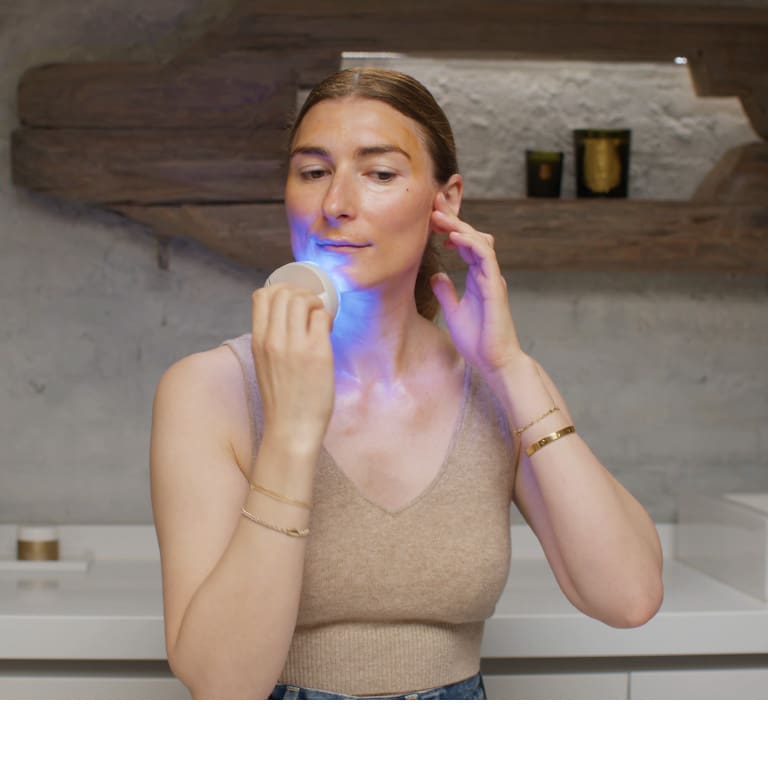
- LED Therapy: Devices employing LED light therapy, such as the Dr. Dennis Gross Skincare LED Mask, harness different wavelengths to target specific skin concerns. Red light helps reduce inflammation and promotes collagen production, while blue light fights acne-causing bacteria, showcasing the diverse benefits these devices can offer.
Viewing beauty through the prism of technology reveals a paradigm shift that aligns with contemporary attitudes towards self-care. The integration of smart skincare devices not only appeals to those seeking efficiency but also resonates with a growing consumer awareness of skin health. The market for these tools is burgeoning, with projections indicating substantial growth in upcoming years as more individuals adopt a tech-forward approach to skincare.
The intersection of technology and beauty prompts intriguing questions about the essence of skincare itself. With the promise of achieving measurable improvements, the debate now revolves around how much these innovations will redefine our understanding of skincare efficacy and accessibility. Are we on the cusp of a new skincare era, where technology becomes a stalwart partner in our quest for beauty? As we delve deeper, the answer may become clearer.
The Integration of Smart Devices in Skincare
The world of skincare has been transformed by the emergence of smart devices designed to enhance beauty routines. From facial cleansing brushes to LED masks, these gadgets utilize advanced technology to provide innovative solutions for various skin concerns. But what exactly sets these technological beauty tools apart from traditional skincare methods?
One of the most significant advantages is their ability to collect data-driven insights about individual skin conditions. Many of these smart devices include sensors that analyze skin hydration, oil levels, and even pigmentation. This personalization allows users to tailor their skincare regimens more effectively, targeting specific issues such as acne or hyperpigmentation.
Moreover, smart devices often come with mobile applications that provide real-time feedback and recommendations. Users can track their progress and make adjustments to their routines based on the data collected. This level of engagement not only enhances efficacy but also fosters a deeper connection between users and their skincare journeys.
As technology continues to advance, the possibilities for smart skincare devices are becoming increasingly expansive. From AI-powered analysis to augmented reality consultations with skincare professionals, the future of skincare routines promises to be more personalized and effective than ever before. Engaging with these tools not only elevates the daily ritual of skincare but also ensures that each step is scientifically backed and tailored to individual needs.
| Category | Key Features |
|---|---|
| Data Collection | Gathering detailed insights on skin conditions |
| Personalized Routines | Tailoring skincare routines based on individual needs |
With the integration of these cutting-edge tools, the rise of smart devices in skincare routines is revolutionizing the beauty industry—making it more scientific and effective than ever before. Exploring the depths of these technologies could very well unlock the potential for enduring skin health.
DISCOVER MORE: Click here to elevate your evening look
The Role of Connectivity and Data in Skincare
In an era where connectivity reigns supreme, the integration of smart devices into skincare routines represents a broader trend of personalized and data-driven beauty regimens. As users adopt these technological solutions, the devices not only analyze skin conditions but also accumulate valuable data over time, which can significantly enhance the effectiveness of skincare strategies.
Many smart beauty tools now come equipped with connected applications that allow users to monitor their skin’s progress through precise tracking. For instance, the Foreo UFO, a smart mask treatment device, links to a companion app that customizes treatment routines based on the user’s skin type. This innovative technology encourages users to discover their unique skincare rhythm, adjusting light therapy sessions and mask types to optimize results.
Moreover, the possibilities extend beyond individual tracking; aggregated data from numerous users can offer insights into broader skincare trends. Companies like SkinCeuticals leverage collective data to understand how environmental factors—such as pollution and UV exposure—impact various skin types. This, in turn, informs product development and enhances the formulation of their skincare offerings, thus adhering to the principle of consumer-centric beauty.
The analytics capabilities provided by these devices are innovative. A notable player in this field, the Olay Skin Advisor, uses an AI-powered platform to conduct skin assessments through uploaded selfies. Within seconds, users receive tailored product recommendations based on their unique skin profiles. Such seamless integration of technology aids in demystifying the skincare selection process, empowering consumers to make informed purchasing decisions.
Challenges and Considerations in Smart Beauty
<pAs promising as these advances are, challenges remain in the adoption of smart beauty tools. Privacy concerns often raise their heads, particularly when it comes to the handling of sensitive skin data. Consumers must navigate issues surrounding data security and ownership, especially as personal skin health information becomes digitalized. Brands such as Neutrogena have actively addressed these concerns, implementing rigorous data protection measures to earn their customers’ trust.
Additionally, while the convenience of smart devices and apps appeals to many users, the technological learning curve can be intimidating for others. There remains a segment of the population that values traditional skincare regimens or may feel overwhelmed by the influx of data and analytics. Therefore, education on how to effectively utilize these devices is key for beauty brands looking to enhance consumer engagement and satisfaction.
Furthermore, as the demand for smart beauty tools grows, so does the expectation for innovation. The beauty technology market is projected to witness exponential growth. According to a recent report by Grand View Research, the global beauty tech market will surpass $750 billion by 2025. As companies compete to outdo each other, consumers can expect even more groundbreaking solutions that will redefine their skincare experiences.
As technology continues to interlace with our beauty routines, the potential for smarter, more efficient, and personalized skincare is limitless. Each advancement encourages us to reconsider the role technology plays in our self-care practices. With connectivity and data leading the charge, the future of skincare no longer lies solely in products but also in the intelligent devices that support them.
DISCOVER MORE: Click here to explore the transformation of beauty tools
Conclusion: Embracing the Future of Skincare
The integration of technological beauty tools into skincare routines signifies a transformative shift towards personalized, data-driven self-care practices. As consumers increasingly embrace these smart devices, they find themselves equipped with not just enhanced results but also an intimate understanding of their skin needs. The capacity of tools like the Foreo UFO and Olay Skin Advisor to deliver personalized recommendations based on real-time data marks a new era where skincare is as much about technology as it is about tradition.
However, amid these advancements, challenges such as data privacy and the potential for overwhelming complexity remind us that technology must align with user comfort and security. Brands face the dual task of fostering innovation while also educating consumers on how to utilize these devices effectively. As the beauty tech market is projected to exceed $750 billion by 2025, industry players must prioritize customer trust and accessibility to ensure widespread adoption.
Ultimately, the rise of smart beauty devices opens up an exciting spectrum of possibilities, blending art and science in the pursuit of optimal skin health. As we look forward to continuous advancements in this dynamic landscape, consumers must remain informed and engaged, positioning themselves as active participants in their skincare journeys. The path to radiant skin is now more informed than ever, encouraging us to embrace the intelligent devices that redefine not just beauty, but the very essence of self-care.