
Revolutionizing Patient Care with Advanced Technology
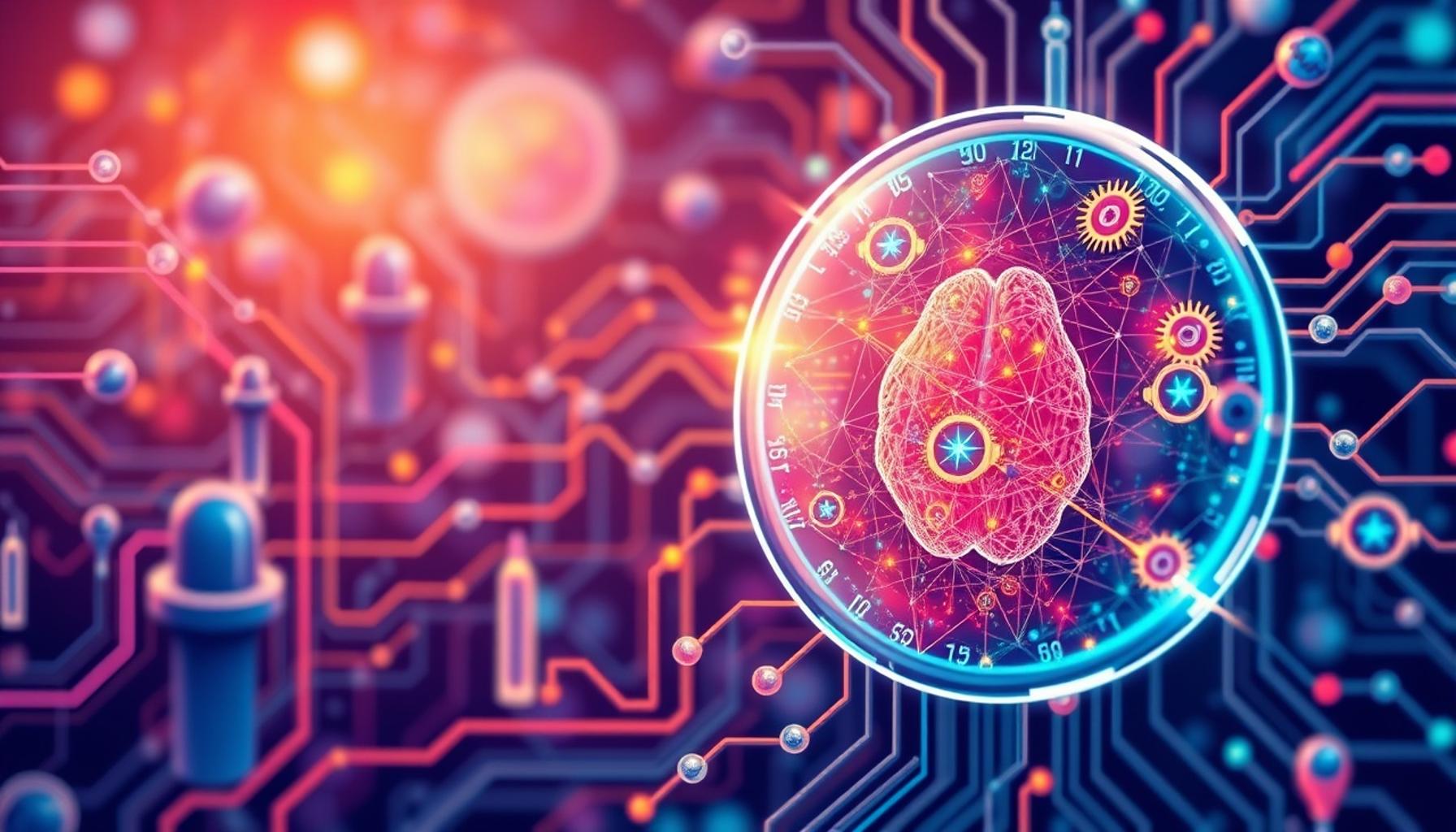
The integration of machine learning into healthcare systems marks a paradigm shift, fundamentally transforming the way medical professionals approach patient care. By capitalizing on sophisticated data-driven algorithms, machine learning not only enhances the prediction of health outcomes but also fosters the development of personalized treatment plans tailored to individual needs. This technological advancement is shaping a future where healthcare providers can offer more efficient and effective care, ultimately improving patient experiences and outcomes.
Key Contributions of Machine Learning
Machine learning is responsible for numerous innovative breakthroughs in healthcare, transforming traditional methodologies into more precise and proactive approaches. Here are a few notable contributions:
- Predictive Analytics: Leveraging large datasets from electronic health records and population health statistics, machine learning models can identify emerging health risks long before they become critical. For instance, algorithms can analyze patterns in patient data to forecast potential chronic conditions such as diabetes or heart disease, enabling early interventions that can save lives and reduce healthcare costs.
- Personalized Medicine: By examining genetic profiles, along with environmental and lifestyle factors, machine learning algorithms can customize treatment plans for individual patients. For example, oncologists now utilize machine learning to determine the most effective chemotherapy protocols for cancer patients based on the genetic makeup of their tumors, leading to higher success rates and fewer side effects.
- Early Disease Detection: Utilizing advanced image recognition techniques, machine learning can significantly enhance disease detection capabilities. In radiology, algorithms can analyze X-rays and MRIs to identify early signs of conditions such as breast cancer or pneumonia with greater accuracy than traditional methods. This early detection plays a crucial role in improving treatment outcomes and survival rates.
Importantly, machine learning acts not just as a sophisticated tool, but as a collaborative partner within the intricate realm of modern medicine. The insights gained from machine learning applications allow healthcare providers to make informed decisions, effectively changing the landscape of diagnostics and treatment options available today.
Implications for the Future
In the United States, where healthcare disparities and costs are pressing challenges, machine learning emerges as a powerful ally. This technology has the potential to significantly reduce healthcare expenses while simultaneously improving the quality of care provided to patients. For instance, by employing predictive analytics for population health management, hospitals may streamline resource allocation and reduce emergency room visits, ultimately leading to substantial cost savings.
As we navigate the complex challenges of healthcare, the implications of machine learning remain vast. Researchers and medical professionals are encouraged to further explore this exciting frontier, as the continuous enhancements in machine learning capabilities promise to reshape health systems and improve the lives of countless individuals across the nation.
DISCOVER MORE: Click here for insights on ethical challenges
The Mechanics of Predictive Health
The role of machine learning in predictive health is increasingly critical, as it empowers healthcare professionals to interpret complex datasets with unprecedented accuracy. By harnessing vast amounts of information gathered from various sources—including electronic health records, patient surveys, and genomic sequencing—machine learning algorithms are capable of distilling essential insights that inform patient care. This transition from reactive to proactive healthcare is not only revolutionary but essential in an era where timely interventions can be life-saving.
One of the foundational aspects of machine learning in predictive health is its ability to recognize patterns and trends that may not be immediately visible to the naked eye. For instance, algorithms can process a combination of lifestyle factors, genetic predispositions, and historical medical records to evaluate a patient’s risk for chronic ailments. This capability is crucial for addressing prevalent conditions such as obesity, hypertension, and cardiovascular diseases, which contribute significantly to healthcare costs and impacts in the United States.
Enhancing Decision-Making in Clinical Environments
Machine learning is not merely about prediction; it significantly enhances clinical decision-making by providing actionable insights. Using techniques like supervised learning, algorithms can be trained on existing patient data to suggest treatment plans that reflect the unique needs of individual patients. The implementation of these approaches has several implications:
- Improved Diagnosis: Using predictive models, healthcare practitioners can diagnose conditions earlier and more accurately. For example, in cardiology, predictive models can assess electrocardiograms (ECGs) to flag potential arrhythmias, allowing for quicker interventions.
- Customized Treatment Protocols: Machine learning can personalize drug therapies by analyzing how patients respond to various medications. This can significantly reduce the trial-and-error approach, enhancing treatment effectiveness while minimizing adverse effects.
- Resource Optimization: Predictive analytics aids in allocating healthcare resources more effectively by anticipating patient needs, which is particularly valuable in emergency settings and busy hospital environments.
Moreover, machine learning fosters an environment of continuous learning. With each interaction, algorithms adapt and refine their predictions, becoming more reliable over time. In the context of healthcare, this translates into a dynamic system that not only reacts to current patient conditions but evolves with emerging trends in medical science.
The collaborative nature of machine learning—working in tandem with healthcare providers—ensures that decisions are informed by solid data. For example, a recent study demonstrated that hospitals employing machine learning-driven tools significantly reduced post-operative complications by predicting which patients were at greater risk based on their pre-existing health conditions.
Shaping Predictions with Data Diversity
The diverse range of data utilized in machine learning also enhances its power in predictive health. By incorporating social determinants of health, such as geographic location, socio-economic status, and access to healthcare, algorithms can identify vulnerabilities within populations. This helps tailor public health initiatives to target high-risk communities effectively.
In conclusion, the applications of machine learning in predictive health are as vast as they are transformative. By facilitating early diagnosis, improving treatment outcomes, and optimizing resources, machine learning is paving the way for a more personalized and efficient healthcare landscape in the United States and beyond. As we continue to explore this intersection of technology and medicine, the potential for improved patient care remains astonishingly promising.
| Category | Description |
|---|---|
| Predictive Analytics | Utilizes machine learning algorithms to predict patient outcomes based on historical data. |
| Personalized Medicine | Offers tailored treatment plans by analyzing individual patient data, leading to improved efficacy and lower side effects. |
| Data-Driven Insights | Incorporates vast amounts of data from genetics, lifestyle, and health history to create comprehensive health profiles. |
| Early Detection | Facilitates early diagnosis of diseases through the analysis of complex patterns, reducing risk and enhancing treatment outcomes. |
Machine learning plays an integral role in predictive health, particularly in revolutionizing how patients are diagnosed and treated. By leveraging predictive analytics, healthcare professionals can identify potential health risks before they escalate. This advance not only facilitates timely interventions but also promotes a shift towards preventive care, drastically altering the landscape of patient treatment.Moreover, the concept of personalized medicine is becoming increasingly prevalent as machine learning helps to customize therapies based on unique patient data. This approach minimizes the one-size-fits-all strategy seen in traditional medicine and substitutes it with precision treatment plans tailored to the genetic makeup, lifestyle choices, and medical history of each individual.Artificial intelligence and data-driven insights are now paramount; they help in comprehensively understanding complex interactions within biological systems. The integration of extensive datasets enables bespoke treatment strategies that enhance patient engagement and compliance, ensuring healthier outcomes. The future of predictive health is immensely promising, making it crucial for stakeholders in healthcare to explore the potential of machine learning, leading to further innovations that could reshape public health as we know it.
DISCOVER MORE: Click here to learn about the future of automation.
Transforming Personalized Medicine
As machine learning continues to advance, its impact on personalized medicine is becoming increasingly profound. By tailoring medical treatment to the individual characteristics of each patient, machine learning algorithms enable healthcare providers to move beyond the traditional one-size-fits-all approach, ultimately enhancing care efficiency and outcomes.
One of the key applications of machine learning in personalized medicine is through the use of genomic data. By analyzing vast databases of genetic information, algorithms can assist in identifying specific biomarkers associated with various health conditions. For instance, researchers have successfully developed machine learning models that predict the likelihood of patients developing certain types of cancer based on their genetic makeup. This powerful predictive capability allows for better preventative strategies and more targeted therapies tailored to the genetic profile of each individual.
Advancing Treatment Protocols
The integration of machine learning in treatment protocols is reshaping the landscape of personalized healthcare. Algorithms analyze patient responses to various therapies and assess real-time data from ongoing treatments, which can lead to more informed decisions about medication adjustments. This dynamic feedback loop enables healthcare providers to customize treatment plans as individual responses evolve. A notable example is in the field of oncology, where machine learning assists in identifying the most effective chemotherapy regimens based on tumor profiling and patient characteristics, significantly enhancing survival rates.
Additionally, the shift toward predictive modeling in pharmacogenomics—a branch of personalized medicine that studies how genes affect a person’s response to drugs—has revolutionized medication management. For example, machine learning can identify patients who have a high risk of adverse reactions to certain medications, allowing clinicians to prescribe safer alternatives tailored to genetic profiles. This not only improves patient safety but can also reduce healthcare costs associated with treating drug-related complications.
Empowering Patients through Wearable Technology
Wearable technology has emerged as a crucial component of personalized health monitoring and preventive care. Devices that track heart rates, physical activity levels, and even glucose levels provide real-time data that feeds into machine learning algorithms. By collecting and analyzing this continuous stream of data, these algorithms can predict potential health issues before they become severe. A recent study indicated that patients wearing continuous glucose monitors saw not only improved blood sugar control but also personalized dietary recommendations based on data analyzed by machine learning tools.
The empowerment of patients through wearable technology extends to mental health as well. Machine learning algorithms analyzing data from apps that monitor mood patterns can identify early warning signs of mental health crises, facilitating timely interventions. Studies have suggested that predictive tools can forecast situations leading to anxiety or depression onset, enabling preventive care strategies to mitigate risks.
Challenges Ahead in Implementation
Despite the promising advancements, challenges remain in the integration of machine learning into personalized healthcare. Issues surrounding data privacy and security pose significant concerns, especially when sensitive patient information is utilized in algorithm development. Moreover, there is a continuous need for comprehensive data that is representative of diverse populations to ensure that machine learning models do not perpetuate health disparities.
Furthermore, the necessity for healthcare professionals to understand and trust machine learning tools cannot be understated. Training programs that equip clinicians with the knowledge to interpret and utilize these advanced technologies are vital in fostering acceptance and efficacy on the ground.
As the intersection of machine learning, predictive health, and personalized medicine continues to evolve, the landscape of patient care is being transformed in unprecedented ways. With ongoing innovations promising to uncover even greater insights into human health, the journey toward more tailored and effective medical treatments is just beginning.
DIVE DEEPER: Click here to learn more
Conclusion: The Future of Healthcare with Machine Learning
In summary, the integration of machine learning into the realms of predictive health and personalized medicine marks a transformative shift in how healthcare is delivered. By harnessing the power of algorithms to analyze extensive data sets, including genomic and real-time patient information, healthcare providers can offer customized treatment plans that address the unique needs of each individual. This not only increases the efficacy of treatments but also promotes safer alternatives in medication management, ultimately improving patient outcomes.
As machine learning technologies continue to evolve, their role in empowering patients through innovative tools and predictive analytics will only expand. Wearable devices and health apps are already changing the way individuals monitor their health, facilitating early intervention and personalized preventive care. However, the road ahead is not without challenges. Data privacy, algorithm transparency, and the necessity for comprehensive training for healthcare professionals remain crucial concerns that must be addressed to ensure equitable access and trust in these advanced technologies.
The future of healthcare is undeniably intertwined with machine learning, promising advancements that could greatly enhance the quality of life for many. Continued investment in research and development, along with collaborative efforts among clinicians, technologists, and policymakers, will be vital in fully realizing the potential of machine learning in predictive health and personalized medicine. As we stand on the brink of these innovations, one thing is clear: the era of tailored healthcare is not just a possibility—it is fast becoming a reality.


 Linda Carter