
Harnessing Neural Networks in Healthcare
The landscape of healthcare is undergoing a profound transformation, largely due to advancements in technology. Among these innovations, neural networks have surfaced as a pivotal element, significantly enhancing the way diagnoses are made and treatments are administered. These sophisticated algorithms, inspired by the human brain’s neural architecture, allow healthcare professionals to process and interpret vast troves of medical data with remarkable precision and speed. This capability significantly enhances both clinical workflow and patient outcomes.
Neural networks find applications across numerous medical fields, showcasing their versatility and importance. In the realm of medical imaging, for instance, these algorithms are increasingly applied to analyze complex images from MRI, CT scans, and X-rays, facilitating the prompt detection of abnormalities that may signal serious health conditions such as tumors or fractures. For example, a study conducted by researchers at Stanford University demonstrated that a deep learning algorithm could identify pneumonia in chest X-rays with a level of accuracy exceeding that of radiologists, thereby underscoring the potential for technology to assist medical professionals in providing timely diagnoses.
Predictive analytics is another significant application, where neural networks are utilized to anticipate patient outcomes and disease trajectories more accurately. Health systems can leverage historical data, such as electronic health records and lab results, to predict the likelihood of complications in chronic diseases, enabling proactive interventions that can save lives. By anticipating issues like diabetes-related complications, healthcare providers can tailor monitoring and treatment plans effectively, improving the quality of care.
Moreover, the concept of personalized medicine is revolutionizing patient care by using neural networks to analyze individual genetic profiles and responses to various treatments. This tailored approach means that therapies can be customized, ensuring that patients receive treatments that are most effective for their unique biological makeup. The promise of personalized medicine is particularly evident in oncology, where genetic profiling of tumors allows oncologists to select targeted therapies that have shown greater efficacy and fewer side effects.
The advancements fostered by neural networks also pave the way for innovations such as early detection of diseases, which can dramatically increase survival rates for conditions like cancer. Early identification not only facilitates timely treatment but also contributes to better prognoses. Furthermore, in the field of drug development, neural networks streamline the discovery and testing phases, significantly reducing the time and cost associated with bringing new medications to market. By predicting how new compounds will respond in clinical settings, researchers can focus efforts on the most promising candidates.
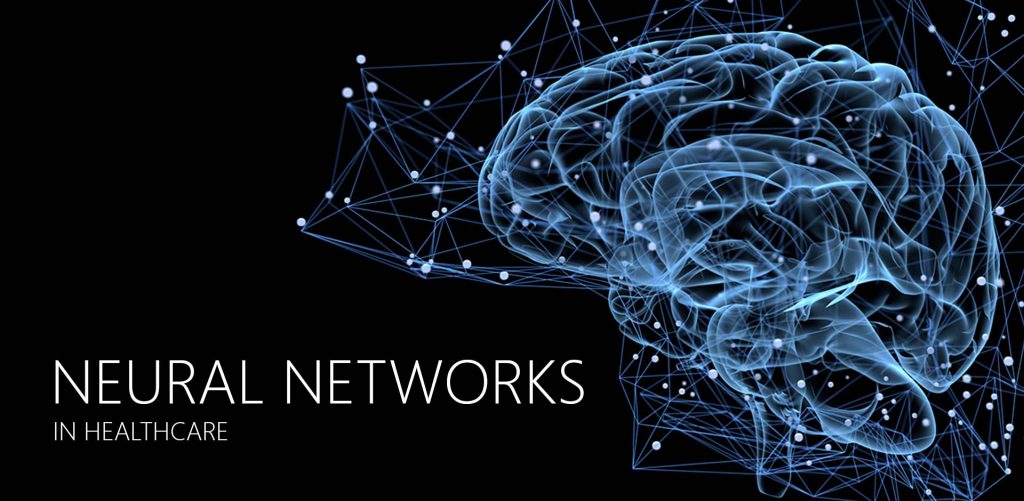
- Virtual health assistants powered by artificial intelligence and neural networks are becoming increasingly prevalent. These digital tools offer personalized care by reminding patients of medication schedules, facilitating appointment bookings, and answering health-related queries in real-time.
In conclusion, the burgeoning presence of neural networks in medicine holds the potential to redefine the healthcare landscape. As we explore these advancements, it becomes evident that technology is leading us towards a more efficient, precise, and personalized future in healthcare. Patients can expect not only improved results but also an enhanced overall experience, as these innovations drive the shift towards optimized health outcomes. The journey is just beginning, and the possibilities ahead are both exciting and transformative.
DIVE DEEPER: Click here to learn more
Revolutionizing Diagnosis through Neural Networks
The integration of neural networks in medical diagnosis is both profound and transformative, propelling the accuracy and speed of identifying health issues. Traditional methods of diagnosis often rely on human interpretation, which, while invaluable, is subject to errors due to fatigue, oversight, or bias. Neural networks, however, excel in analyzing large datasets, learning patterns, and making predictions, drastically improving the diagnostic landscape.
In the area of medical imaging, neural networks have emerged as a game-changer. These systems can independently analyze imaging data from sources like MRI and CT scans, offering interpretations that are not only timely but also incredibly precise. For example, a notable instance is found in dermatology, where deep learning algorithms are used to detect skin cancer. A study published in the journal Nature demonstrated that a deep learning model could identify malignant skin lesions with accuracy comparable to some experienced dermatologists. Such capabilities not only enhance diagnostic confidence but also have the potential to expedite treatment initiation.
The realm of pathology is similarly benefiting from neural network applications. The digitization of pathology slides allows these networks to sift through thousands of samples, identifying abnormalities that may escape the human eye. By employing convolutional neural networks (CNNs), pathologists can revolutionize the way biopsies are analyzed, leading to quicker and more reliable diagnoses. This is particularly crucial in the fight against cancer, where early detection can dramatically impact survival rates.
Beyond imaging, neural networks are significantly enhancing diagnostic processes related to laboratory data. By utilizing electronic health records (EHRs), these models can explore patient histories, lab results, and treatment responses to predict diseases and flag potential health risks. This data-driven approach has the power to inform clinical decisions and provide actionable insights that lead to better health outcomes. For instance, a neural network may analyze patterns in patient data to alert clinicians to the impending onset of complications in patients with chronic conditions such as diabetes or heart disease.
The Role of Predictive Analytics in Treatment Planning
Another remarkable application of neural networks is in predictive analytics, where algorithms analyze historical patient data to forecast future health events. This capability is especially vital in chronic disease management, allowing healthcare providers to anticipate complications and tailor treatment plans accordingly. By recognizing high-risk patients before they encounter severe medical issues, providers can implement preventive measures that lead to improved health and reduced hospitalizations.
- Example of Early Intervention: Neural networks can track trends in blood sugar levels for diabetic patients, alerting healthcare teams to take proactive steps to prevent serious complications.
- Enhancing Population Health: By analyzing data from large populations, these networks can identify at-risk groups and target interventions effectively.
- Improving Treatment Efficacy: Predictive models help in customizing treatment plans that resonate with individual patient profiles, thereby maximizing treatment success.
The implications of employing neural networks in medical diagnostics and predictive analytics usher in a new era of personalized, data-driven care. As healthcare continues to embrace this technological revolution, we stand on the cusp of extraordinary possibilities that aim not only to enhance diagnostic precision but also to redefine treatment pathways. The synergy between neural networks and medicine sets the stage for a future where healthcare is increasingly proactive and patient-centered.
Applications of Neural Networks in Medicine: Diagnosis and Treatment
Neural networks, a subset of artificial intelligence, have revolutionized the medical field by enhancing the accuracy and efficiency of diagnosis and treatment protocols. Through sophisticated algorithms that mimic the human brain’s processing capabilities, neural networks can analyze vast amounts of medical data, recognizing patterns that may elude even seasoned medical professionals. This transformative technology is providing insights that can dramatically improve patient outcomes.One notable application is in imaging diagnostics. By processing medical images, such as MRI scans or X-rays, neural networks can detect anomalies like tumors or fractures with precision rates often exceeding those of human radiologists. Such advancements not only streamline the diagnostic process but also minimize the risk of human error, which is crucial in time-sensitive scenarios.Moreover, neural networks are making strides in predicting disease progression. By analyzing historical patient data, these systems can forecast potential complications and suggest proactive measures to mitigate risks. This predictive capability empowers healthcare providers to tailor treatment plans based on individual patient profiles, ultimately leading to personalized medicine that enhances efficacy and patient satisfaction.Additionally, the integration of patient health records and wearables into neural network models facilitates continuous health monitoring. Such real-time data collection allows for more accurate analysis and timely interventions. For instance, in chronic disease management, neural networks can alert healthcare providers to significant changes in a patient’s condition, prompting early intervention that can save lives.In conclusion, the applications of neural networks in medicine are expansive and continue to evolve. As research progresses, we can expect even more innovative solutions that leverage these advanced technologies to improve patient care, streamline healthcare processes, and ultimately redefine the landscape of medical diagnosis and treatment. The future holds immense potential for combining human expertise with machine learning, leading to a new era in healthcare.
| Advantages | Key Features |
|---|---|
| Enhanced Accuracy | Neural networks improve diagnostic precision, often surpassing human capabilities. |
| Predictive Analytics | Analyze patient data to foresee potential health risks and biological progression. |
| Personalized Treatment | Tailor treatment plans to individual patient profiles for optimized care. |
| Real-time Monitoring | Utilizes wearable tech for continuous health tracking and timely interventions. |
DISCOVER: Click here to learn how machine learning combats financial fraud
Advancements in Treatment Through Neural Networks
As the capabilities of neural networks advance, their impact on treatment methodologies is starting to reshape the healthcare landscape significantly. While diagnostic accuracy is crucial, the subsequent treatment and management of diseases are equally critical, and neural networks are poised to play a transformative role in this domain as well.
One prominent application of neural networks in treatment is seen in the field of personalized medicine. By analyzing vast datasets that encompass genetic information, treatment responses, and patient demographics, these systems can assist clinicians in creating individualized treatment plans tailored to the unique needs of each patient. For instance, oncology is increasingly witnessing the integration of neural networks to analyze tumor genetics, helping oncologists make informed decisions about therapies that are most likely to succeed for specific patients. A study published in the Journal of the American Medical Association detailed how a neural network could predict positive treatment outcomes based on tumor mutation profiles, thereby guiding the selection of targeted therapies.
Moreover, drug discovery has entered a new era with the implementation of neural networks. Traditionally, discovering new pharmaceuticals involves a time-consuming and costly process, but these advanced algorithms can streamline the identification of viable drug candidates. Machine learning models analyze chemical compounds and their interactions with biological targets, significantly speeding up the research and development phase. For example, a neural network model called AtomNet, developed by Atomwise, can predict the likelihood of potential drug candidates binding to specific target proteins, drastically reducing the initial hit-to-lead discovery time.
In rehabilitation, neural networks are being used in innovative robotic therapy to aid recovery for patients suffering from neurological disorders or physical disabilities. These systems personalize therapy by analyzing real-time data on patient movements and responses, allowing rehabilitation robots to adapt to the patient’s needs dynamically. This approach has shown promising results in improving motor function and recovery rates. Research published in the Clinical Rehabilitation journal reported that patients undergoing robotic-assisted therapy with intelligent adaptations experienced better outcomes compared to traditional rehabilitation methods.
Furthermore, the management of chronic pain is evolving with the incorporation of neural networks in developing predictive pain models. These systems analyze various factors, such as previous medical history, lifestyle data, and psychological profiles, to forecast pain flare-ups and provide proactive interventions. By anticipating chronic pain episodes, clinicians can adjust treatments, thus improving patients’ quality of life. A study in Pain Medicine highlighted the effectiveness of a neural network model in predicting pain severity based on historical data, which empowered healthcare providers to manage opioid prescriptions more judiciously and mitigate the risk of addiction.
As neural networks continue their integration into treatment protocols, the potential to enhance patient outcomes and redefine healthcare practices becomes increasingly apparent. They not only have the capacity to process complex data but also to translate that information into actionable insights that empower both clinicians and patients. The ongoing research and initiatives in this arena suggest that the future of treatment could very well be paved by the capabilities of artificial intelligence, leading to more effective, efficient, and personalized health solutions.
DIVE DEEPER: Click here to uncover more insights
Conclusion: The Future of Neural Networks in Medicine
In conclusion, the applications of neural networks in medicine are paving the way for a new era in both diagnosis and treatment. As explored throughout this article, these advanced algorithms harness the power of vast datasets to revolutionize how healthcare professionals approach patient care. From enhancing diagnostic precision to creating tailored treatment strategies in fields like oncology and rehabilitation, the benefits are profound.
As we have seen, personalized medicine stands at the forefront of this transformation. By integrating genetic information and treatment responses, neural networks allow for individualized care that enhances treatment effectiveness. Additionally, the revolutionary advancements in drug discovery demonstrate how these technologies can significantly reduce development timelines, ultimately bringing vital medications to market more quickly.
Moreover, the use of neural networks in managing chronic pain and facilitating robotic therapy illustrates the extensive reach of these tools beyond traditional applications, enhancing various aspects of patient recovery and management. The continuous research and promising results indicate an exciting future where artificial intelligence will play an even more critical role in shaping healthcare practices.
The journey is just beginning, and as we embrace this technology, it is crucial to consider the ethical implications and ensure that patient privacy and data security are upheld. With proper guidance and innovation, the integration of neural networks in medicine not only holds the promise of improved outcomes but also offers a glimpse of a healthcare future that is more responsive, personalized, and effective than ever before.


 Linda Carter