
Unlocking Creative Potential with AI
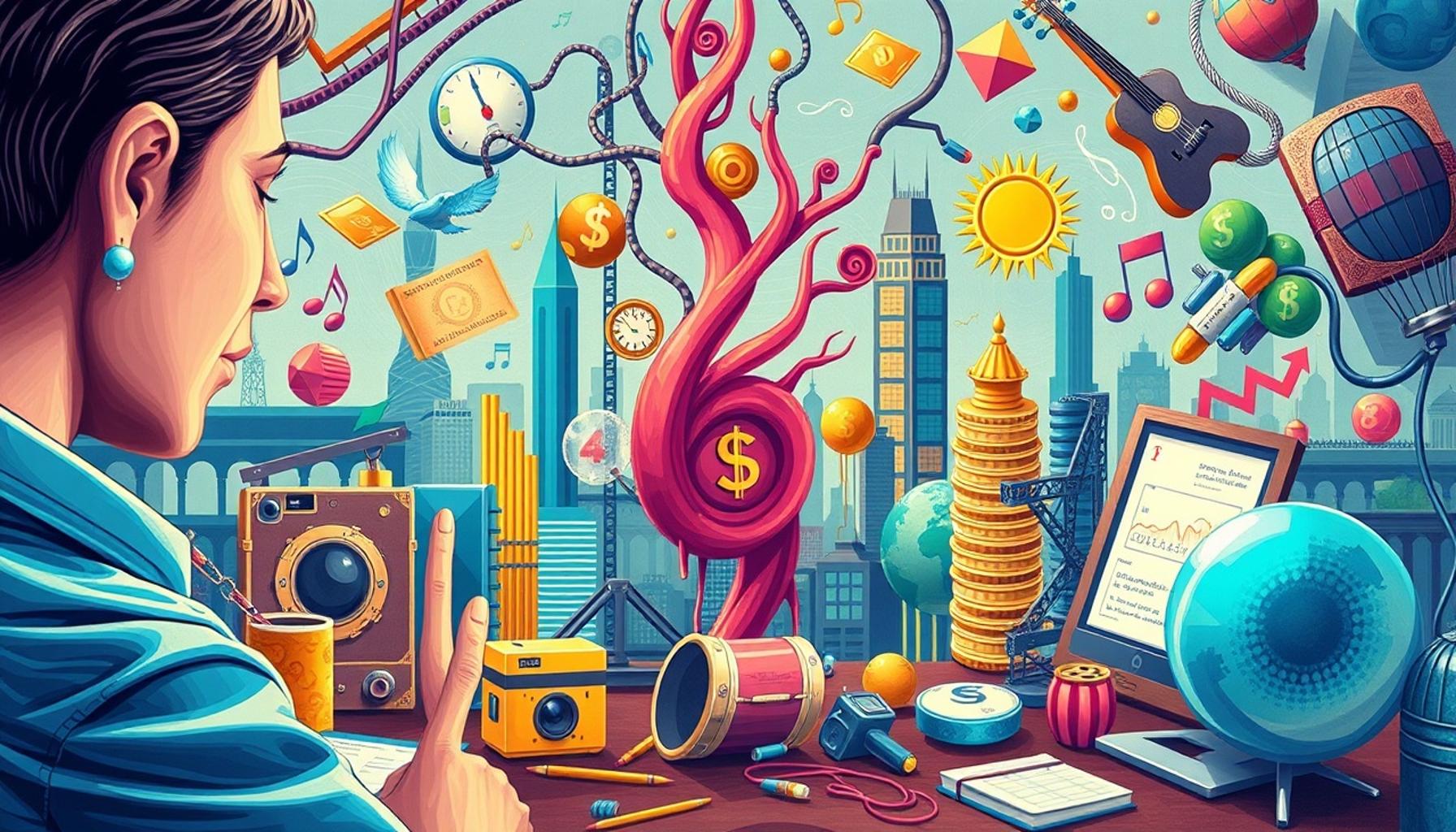
In recent years, generative neural networks have revolutionized how we think about creativity. These advanced algorithms can produce stunning works of art and compelling music, blurring the lines between human and machine-made creations. This intersection of technology and artistry marks an exciting transformation in the creative landscape, inviting both enthusiasm and skepticism from traditional artists and tech enthusiasts alike.
What makes generative neural networks particularly fascinating is their ability to learn from vast datasets. By consuming mountains of existing works, these algorithms analyze, dissect, and mimic established styles, resulting in outputs that can astonish even seasoned artists. Take, for instance, the way generative models can create paintings in the style of Van Gogh or Picasso, imbuing modern compositions with classic flair.
Key Features of Generative Neural Networks
- Style Transfer: This process allows for the application of stylistic elements from one artwork to another. For example, an image of a modern cityscape can be transformed to evince the brushstrokes of a famous Impressionist painter, resulting in a unique fusion of old and new.
- Music Composition: AI music generators like AIVA can compose original pieces based on a myriad of musical influences, from classical symphonies to contemporary pop. This ability enables filmmakers and content creators to access custom soundtracks that evoke specific emotions, tailored to individual projects.
- Image Generation: Tools like DeepArt can create realistic or abstract images from scratch or by combining existing concepts. This capability allows artists to experiment endlessly, generating dynamic visual art that can inspire new ideas or innovative products.
Notable examples, such as DeepArt and AIVA, exemplify the potential of these technologies. They have garnered global attention, including in the United States, where tech-savvy creatives are increasingly experimenting with AI to push artistic boundaries. Artists are now collaborating with these algorithms to produce works that challenge our understanding of originality and human effort in creation.
As we delve deeper into the intersection of technology and creativity, the implications of artificial intelligence in the artistic realm are profound. The discussions surrounding the role of AI in art raise critical questions: Will machines serve merely as tools, or could they evolve into co-creators alongside human artists? Will the traditional definition of creativity shift as AI continues to advance? Join us on a journey to explore this intriguing landscape, where the possibilities are as limitless as the imagination allows.
DISCOVER MORE: Click here to dive deeper
The Mechanics of Creativity: How Generative Neural Networks Work
To understand how generative neural networks are changing the landscape of art and music, it’s crucial to grasp the underlying mechanics of these systems. At their core, generative neural networks are a subset of artificial intelligence that utilize deep learning algorithms to create new content. They are trained on large datasets, absorbing the characteristics of existing works—be it paintings, photographs, or musical compositions. This training phase is essential, as it allows the network to recognize patterns, styles, and elements that define various genres.
Two of the most prominent types of generative networks are Generative Adversarial Networks (GANs) and Variational Autoencoders (VAEs). GANs operate through a dual-system where two neural networks—a generator and a discriminator—compete against each other. The generator creates content, while the discriminator evaluates it for authenticity. Over time, this competition improves the quality of the generated outputs. On the other hand, VAEs focus on encoding the input data into a compressed representation and then decoding it back into the original form while introducing variations that lead to new content. Both methods have their unique advantages, enhancing the creative potential of AI.
Applications Across Disciplines
The versatility of generative neural networks extends across multiple artistic disciplines, allowing creators to explore uncharted territories. Here are a few notable applications:
- Visual Arts: Artists use generative networks to produce striking visuals, from surreal dreamscapes to hyper-realistic portraits. Programs like Artbreeder enable users to blend images, creating entirely new artworks by manipulating various parameters, such as colors and styles.
- Fashion Design: The fashion industry is leveraging AI to design clothing collections. Through analysis of past runway shows and consumer trends, tools like Deep Fashion can predict styles, generating innovative patterns and cuts that challenge conventional design norms.
- Literature: AI is even making waves in the literary world. Algorithms can generate poetry and short stories, drawing from established literary styles or experimenting with new narrative forms. Tools like OpenAI’s GPT-3 have demonstrated that machines can craft coherent and engaging prose.
The ongoing exploration of generative neural networks is painting a picture of infinite possibilities within artistic realms. This technology has democratized creativity, equipping not only seasoned artists but also enthusiasts with tools to experiment and push boundaries. As a result, collaborations between technology and creativity are blossoming, leading to new forms of expression that were once thought impossible.
As we continue to navigate this evolving artistic landscape, one must consider the ethical implications of AI-generated art and music. Questions arise, such as ownership of creative works and the commodification of art produced via algorithms. Understanding these facets is essential as society grapples with the implications of artificial intelligence in the creative process.
Generative Neural Networks (GNNs) represent a fascinating intersection between technology and creativity, revolutionizing how we perceive art and music. These advanced AI systems leverage deep learning techniques to generate unique creations, prompting a new discourse about creativity and the role of machines in the artistic process.
At the core of these networks lies their ability to learn patterns from vast datasets. For instance, when trained on a multitude of paintings or music compositions, GNNs can replicate identified styles or even develop innovative concepts that push the boundaries of traditional art forms. This not only opens opportunities for artists to engage with AI as a collaborator but also raises ethical questions concerning authorship and originality.
Moreover, the application of GNNs extends beyond visual art to the realm of music. Algorithms can compose melodies, harmonies, and even complex arrangements, mimicking well-known composers or creating entirely new pieces that elicit emotional responses. This fusion of technology with artistic expression prompts both admiration and skepticism from audiences worldwide.
The following table outlines the advantages provided by GNNs in creating art and music, demonstrating their potential impact on these creative domains:
| Category 1 | Category 2 |
|---|---|
| Creative Expansion | GNNs generate unique outputs that redefine creative boundaries. |
| Collaborative Possibilities | Artists can collaborate with AI to enrich their creative practices. |
As we delve deeper into the capabilities of Generative Neural Networks, it becomes evident that not only are they reshaping artistic landscapes but also stirring conversations about the future of human creativity in the age of AI. Whether you’re an artist, musician, or just an enthusiast, exploring the potential of GNNs can unveil a transformative experience that bridges technology and the arts in unprecedented ways.
DISCOVER MORE: Click here to learn about the automation revolution
Expanding Horizons: The Impact and Future of Generative Neural Networks
As the capabilities of generative neural networks continue to evolve, their impact on various industries is becoming increasingly profound. These technologies are not just revolutionizing how art and music are created; they are fostering collaboration between human creativity and machine intelligence in unprecedented ways. Let’s delve into the profound implications and future potential of these innovative systems.
Transforming the Music Industry
The music industry has witnessed a remarkable transformation with the integration of AI-powered tools. Generative neural networks are capable of composing intricate melodies and harmonious arrangements that echo the styles of iconic musicians. For instance, platforms like AIVA (Artificial Intelligence Virtual Artist) have gained recognition for composing original soundtracks that are indistinguishable from human-created music. By analyzing a vast array of compositions, AIVA can adapt and create music tailored to specific emotions or themes, enabling artists to leverage AI as a collaborative partner rather than a mere tool.
Furthermore, generative networks can also facilitate remixing and restructuring existing songs. Tools such as OpenAI’s Jukedeck allow users to generate royalty-free music for videos and promotional content, catering to the growing demand for custom soundtracks in digital media. As this technology continues to advance, we may see more artists embracing AI as a co-creator, pushing traditional boundaries and exploring hybrid forms of composition.
New Frontiers in Interactive Experiences
Beyond traditional art forms, generative neural networks are spawning entirely new interactive experiences. Video games, virtual reality environments, and immersive installations are increasingly incorporating AI to create dynamic and responsive landscapes. Games like No Man’s Sky utilize generative algorithms to create expansive, procedurally generated universes that ensure a unique experience for every player. Such applications showcase the potential of AI in crafting personalized experiences, enabling a deeper connection between creators and consumers.
Moreover, installations in art galleries often incorporate generative art that reacts to visitors in real-time. For example, works like Rafael Lozano-Hemmer’s 33 Questions per Minute involve AI processes that adapt and morph the artwork based on audience interaction, highlighting the intersection of technology and audience engagement.
The Role of AI in Cultural Preservation
While generative neural networks push the envelope of creativity, they also hold promise in cultural preservation. Researchers have turned to AI tools to archive and reconstruct lost or damaged artworks, enabling future generations to experience cultural history in ways previously thought unattainable. Projects aimed at reviving the styles of long-gone artists can provide contemporary artists with a rich well of inspiration, creating a dialogue between past and present.
For instance, the DeepArt algorithm has successfully transformed photographs into works imitating the unique styles of renowned painters like Van Gogh or Picasso, allowing users to appreciate art through a modern lens. Such initiatives underscore the potential for AI technologies to redefine how we preserve and engage with the arts.
As generative neural networks continue to break ground in creative fields, the ongoing dialogue surrounding their ethical applications and implications will serve as a critical area of inquiry. The intersection of technology, art, and culture presents a rich landscape filled with possibilities—both promising and challenging. As artists, technologists, and audiences navigate this new terrain, the future of artistic expression may very well be a tapestry woven together by human insight and machine ingenuity.
DISCOVER MORE: Click here to delve deeper
Conclusion: Embracing the Future of Creativity with Generative Neural Networks
The advent of generative neural networks marks a pivotal moment in the confluence of technology, art, and music. As we have explored, these sophisticated systems are not merely tools for automation, but rather catalysts for creativity that enable a profound collaboration between human artists and artificial intelligence. The implications extend far beyond traditional artistic practices, reshaping industries, enhancing user experiences, and even preserving cultural heritage.
With platforms like AIVA and OpenAI’s Jukedeck, musicians are empowered to explore new sonic realms, while interactive artworks challenge passive consumption and invite active participation from audiences. The dynamic nature of generative art offers unique, personalized experiences that resonate deeply with viewers, fostering a richer dialogue between the observer and the creator.
As we stand on the brink of this new frontier, ethical considerations remain essential. Discussions about authorship, copyright, and the role of AI in the creative process must be thoughtfully navigated to ensure that these innovations are embraced responsibly. The future of generative neural networks is not solely about the technology, but also about the narratives it can create, the emotional connections it can foster, and the new forms of expression it can inspire.
In a world increasingly shaped by artificial intelligence, artists, technologists, and audiences alike have the unique opportunity to redefine creativity. By placing generative neural networks at the forefront of artistic exploration, we can anticipate a vibrant and inclusive creative landscape that honors our diverse cultural legacies while boldly stepping into uncharted territories. The intersection of human insight and machine ingenuity beckons; the journey has just begun, and the horizon is brimming with endless possibilities.

 Linda Carter