

The Integration of Technology in Farming
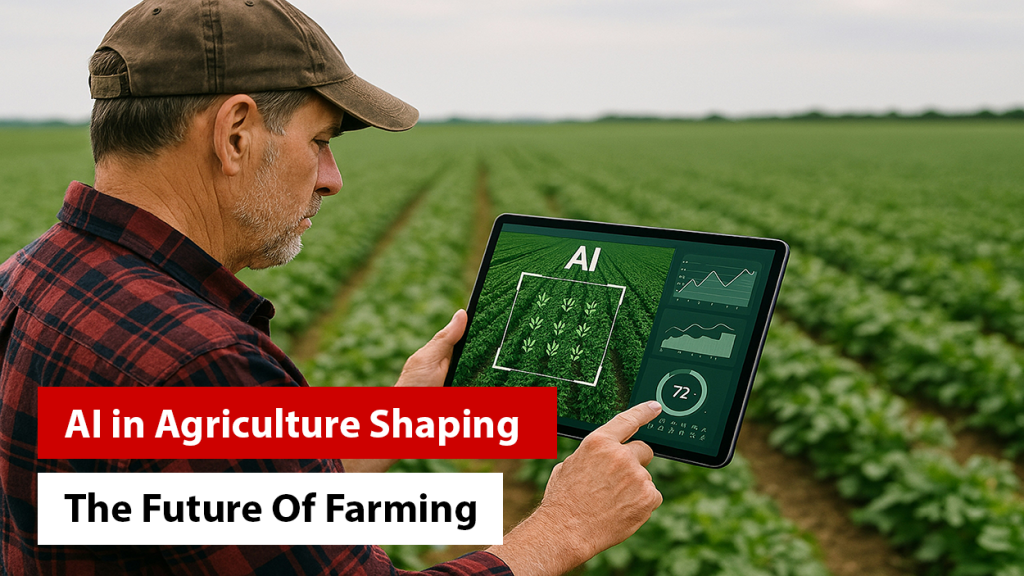
The influence of machine learning in agriculture is transforming the industry, providing tools and methodologies that address the pressing challenges of modern farming. With the world population expected to reach 9.7 billion by 2050, the pressure on agricultural systems to produce sufficient food is immense. Coupled with environmental changes, the need for innovative technological solutions has never been more critical.
Farmers and agricultural scientists are now harnessing cutting-edge technologies such as machine learning, enabling them to enhance yields, ensure sustainability, and effectively manage resources. This revolution encompasses several key areas:
- Crop Optimization: Machine learning algorithms can analyze vast amounts of soil data, weather patterns, and historical crop performance. By evaluating this data, farmers can make informed decisions about which crops to plant in specific areas, maximizing yield potential. For example, a soybean farmer might use algorithmic insights to determine the best planting schedule based on predicted rainfall patterns.
- Pest Management: Traditional pest management strategies often involve broad-spectrum pesticides, which can harm beneficial insects and the ecosystem. However, machine learning can predict pest outbreaks with precision, analyzing factors such as seasonal weather conditions and historical infestation data. This allows for targeted interventions that reduce the need for chemical inputs, as seen in vineyards where precision pest monitoring has led to decreased pesticide use.
- Irrigation Efficiency: Water scarcity is a growing concern in many regions of the United States. Smart irrigation systems, powered by machine learning models, can optimize water usage based on real-time weather data and plant health metrics. These systems can adjust watering schedules, ensuring that crops receive just the right amount of moisture while conserving water—crucial in states like California, which frequently faces drought conditions.
The rise of precision agriculture in the United States reflects a shift towards high-tech farming practices, with significant investments made in drone technology, IoT devices, and data analytics. These tools serve several purposes, including:
- Enhancing productivity by monitoring crop health and growth stages.
- Minimizing resource use through precise application of water, fertilizers, and pesticides.
- Boosting the quality of food production by enabling farmers to address problems before they escalate.
As more farmers adopt these innovative technologies, the agricultural landscape is set for significant transformation. Understanding machine learning’s role offers a profound opportunity not only to increase efficiency but to reshape food systems to be more sustainable and resilient.
New Developments in Smart Agriculture
Join us as we explore how machine learning is driving a revolution in agricultural practices. We will delve into emerging trends in crop optimization and natural resource management, highlighting case studies that showcase successful implementations of technology in farming. The future of agriculture is not just about growing crops; it’s about nurturing the planet while ensuring food security. Embrace the journey into a data-driven agricultural future, where every decision is informed by insights gleaned from advanced analytics.
DISCOVER MORE: Click here for insights on crop optimization
Transforming Crop Optimization through Data-Driven Insights
As the agriculture industry rapidly evolves, machine learning stands at the forefront of a significant transformation in crop optimization. By leveraging complex algorithms, farmers can now analyze extensive data sets that incorporate aspects like soil conditions, climate variations, and crop growth patterns. This innovative approach allows for more precise decision-making, ultimately driving productivity and enhancing sustainability.
At its core, crop optimization focuses on maximizing yield while simultaneously minimizing input costs. Using machine learning techniques, farmers can identify the best crop varieties suited for their regional conditions. For instance, farmers in the Midwest can analyze soil health reports alongside weather data to select specific strains of corn or soybeans resistant to local pests, thereby boosting revenue.
One remarkable example of machine learning in action involves the incorporation of satellite imagery and drones. These technologies provide real-time monitoring capabilities, detecting signs of nutrient deficiencies or diseases early in their development. Farmers can implement targeted interventions based on these data insights, ensuring that resources are utilized efficiently. This proactive approach not only improves yield but also reduces the environmental impact commonly associated with excessive fertilizer use.
Key Benefits of Machine Learning in Crop Optimization
- Predictive Analysis: By processing historical data, machine learning models can forecast crop yields with high accuracy. This allows farmers to plan planting schedules and resource allocations effectively, adapting to market demands swiftly.
- Reduced Waste: Efficient crop management systems minimize wastage of fertilizers, water, and pesticides. Farmers can apply inputs precisely where needed, preventing excess applications that can harm the environment.
- Enhanced Soil Management: Machine learning aids in evaluating soil composition and health over time. Armed with this knowledge, farmers can amend their practices to improve soil quality, ensuring durability for future generations.
The advent of precision agriculture signifies a paradigm shift where data-driven strategies replace traditional farming practices. These technologies empower farmers with actionable insights that were previously inaccessible. As they navigate this new frontier, it is essential for them to understand the vast datasets that underpin these advancements and how they can be harnessed effectively.
The drive toward efficient resource management is critical, particularly as water scarcity and climate concerns escalate. For example, regions like California grapple with water shortages, leading farmers to embrace smart irrigation systems enabled by machine learning. These systems adjust irrigation schedules based on real-time weather forecasts and soil moisture levels, optimizing water usage while safeguarding crop health. Such innovations demonstrate the potential of machine learning not just to improve agricultural yields but also to preserve invaluable natural resources in the face of climate change.
The enlightening journey into the capabilities of machine learning reveals a promising future for agriculture—one where technology and nature harmoniously intersect to foster sustainable practices and food security. As researchers continue to uncover new possibilities, the agricultural community must remain adaptable and proactive, fully recognizing and leveraging these revolutionary changes.
Machine Learning in Crop Optimization
Leveraging the power of machine learning, modern agriculture is experiencing a profound transition in managing resources and optimizing crop yields. One of the most significant advantages of implementing machine learning techniques is their ability to analyze large datasets, which ultimately enhances decision-making processes. By assessing soil quality, weather patterns, and crop health, farmers can make informed choices that lead to improved productivity.Utilizing predictive analytics, machine learning models can forecast crop yields with remarkable accuracy. This capability allows farmers to better plan for planting and harvesting seasons, minimizing waste and maximizing resource use. For instance, machine learning algorithms can process satellite imagery to identify areas requiring irrigation or fertilization, ensuring that every drop of water or grain of fertilizer is utilized effectively.Furthermore, these technologies play a crucial role in pest and disease management. Advanced machine learning systems can detect subtle changes in crop health before they become visible to the naked eye. Farmers can implement targeted interventions, reducing the need for broad pesticide applications and promoting sustainable practices.
Natural Resource Management with AI
In the context of natural resource management, machine learning offers innovative solutions to address pressing environmental challenges. By utilizing data from various sources, such as sensors and weather stations, machine learning models facilitate efficient water management, helping to combat issues like drought and water scarcity.The integration of machine learning with data-driven irrigation technologies enables farmers to optimize water usage considerably. For example, smart irrigation systems can self-adjust based on real-time soil moisture data, ensuring that crops receive the ideal amount of water. This not only conserves precious water resources but also reduces costs for farmers.Additionally, machine learning can aid in analyzing and predicting environmental impacts, allowing farmers to adopt practices that are sustainable and eco-friendly. By fostering a deeper understanding of soil health and biodiversity, agriculture can increasingly align with conservation efforts, which is crucial in today’s world faced with climate change.The integration of machine learning in agriculture holds the promise of revolutionizing the way we approach crop optimization and natural resource management, paving the way for a sustainable future in farming. As these technologies continue to evolve, their potential benefits are set to transform the agricultural landscape dramatically.
DIVE DEEPER: Click here to discover more
Harnessing Machine Learning for Natural Resource Management
Beyond the realms of crop optimization, machine learning plays a pivotal role in enhancing natural resource management within agriculture. The current climate crisis necessitates a shift in mindset regarding resource utilization, as growers face a multitude of challenges—from unpredictable weather patterns to soil degradation. The integration of machine learning technologies offers unprecedented solutions that help farmers manage vital resources such as water, fertilizers, and energy more sustainably.
One of the most striking applications of machine learning in resource management is in water conservation. Smart irrigation systems, powered by artificial intelligence, are becoming increasingly sophisticated. For instance, the use of sensors and IoT (Internet of Things) technology enables farmers to gather extensive data on moisture levels, temperature, and wind conditions in real-time. These insights allow farmers to water crops precisely when needed, thereby reducing water waste significantly. In arid regions like the Southwest United States, this technology is particularly beneficial, enabling farmers to optimize water use while maintaining crop health.
Moreover, machine learning algorithms can predict weather patterns, helping farmers prepare for unexpected rainfall or droughts. By analyzing vast datasets including historical weather data and current conditions, machine learning models can provide forecast insights that enable proactive resource management. This level of foresight minimizes risk and enhances resilience against climate-related disruptions, ensuring that crops receive the appropriate irrigation at the right time.
Soil Health and Nutrient Management
Soil health is another critical factor in successful agriculture, and machine learning facilitates deeper insights into soil composition and characteristics. Advanced algorithms analyze soil samples to identify nutrient deficiencies, pH levels, and organic matter content. With this data, farmers can apply fertilizers more efficiently, tailoring their input to the specific needs of their soil.
- Precision Soil Mapping: Machine learning is revolutionizing how farmers assess and map soil conditions, allowing for targeted treatments that enhance soil health and crop productivity.
- Agronomic Models: By employing predictive modeling, farmers can simulate various scenarios regarding soil treatment and crop rotation. This allows for the selection of practices that yield the best long-term benefits for soil and crop health.
Furthermore, machine learning enhances pest management strategies. Through analyzing historical pest patterns and current crop conditions, algorithms can help forecast pest outbreaks, allowing farmers to implement integrated pest management (IPM) techniques efficiently. This proactive stance not only minimizes crop damage but also reduces the reliance on chemical pesticides, promoting a healthier environment.
As agriculture continues to evolve, the integration of machine learning into natural resource management highlights its potential for fostering sustainability and operational efficiency. With its ability to transform data into actionable insights, this technology empowers farmers to make informed decisions that benefit their operations economically and environmentally.
Ultimately, the continuous advancement in machine learning holds promise for revolutionizing agriculture not just as a means of increasing productivity, but as a vital tool for preserving our ecosystem and ensuring that agriculture practices remain viable in a rapidly changing world. The future of farming, entwined with technology, offers an exciting avenue for enhancing both crop yield and the stewardship of our precious natural resources.
DISCOVER MORE: Click here for insights on cutting-edge healthcare technology
Conclusion: Embracing the Future of Agriculture
The integration of machine learning into agriculture is not merely a technological enhancement; it represents a revolutionary paradigm shift that is crucial for achieving sustainable farming practices and ensuring food security in an era of climate uncertainty. By harnessing the power of data analytics, farmers are now equipped with tools that facilitate smarter decision-making, whether through optimizing crop yields, conserving precious water resources, or enhancing soil health.
Moreover, the applications of machine learning extend far beyond mere productivity. By leveraging predictive algorithms for climate forecasting and pest management, agricultural stakeholders can now proactively tackle the myriad challenges posed by environmental changes and invasive species. Such foresight minimizes risks and reduces reliance on harmful chemicals, fostering a more sustainable approach that respects both the land and the larger ecosystem.
As we look to the future, it is clear that machine learning will be central to transforming agriculture into a more adaptive, efficient, and responsive sector. By investing in technology-driven solutions, farmers can enhance resilience against ongoing climate challenges, paving the way for a new generation of agriculture that balances productivity with environmental stewardship. With sustainable practices at the helm, the agricultural landscape can thrive, ensuring that both human and ecological needs are met.
In summary, as we stand on the brink of this agricultural revolution, it invites a collective inquiry into how technology can reshape our relationship with food production and natural resource management. By embracing these advancements, the farming community has the unique opportunity to cultivate not just crops, but a sustainable future for generations to come.


 Linda Carter