

Revolutionizing Farming Practices
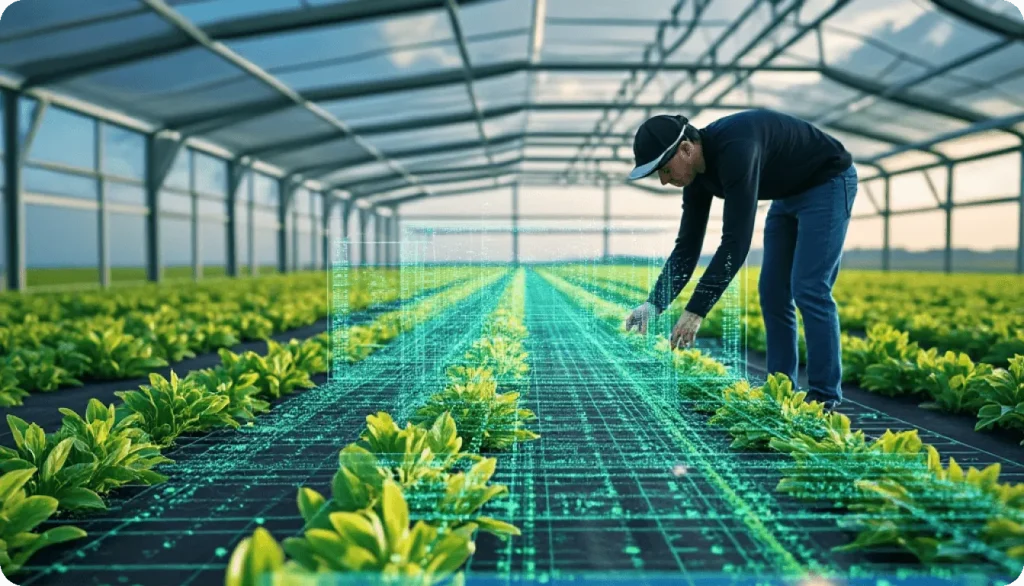
The integration of computer vision technology in agriculture is shaping a new future for crop monitoring and productivity increase. Farmers are now empowered with tools that dramatically enhance their ability to observe and manage vast agricultural landscapes. The once labor-intensive methods of monitoring crop health are evolving into automated, real-time responses. This technological shift promises not only to increase efficiency but also to enhance the sustainability of agricultural practices.
Key Benefits of Computer Vision in Agriculture
- Precision Agriculture: This approach enables farmers to apply targeted treatments and interventions based on specific data gathered through imagery. For example, a farmer can identify areas within a field that are underperforming and apply fertilizers selectively, rather than treating the whole field. This targeted application minimizes waste and maximizes improvement.
- Early Detection: Computer vision aids in the early identification of crop diseases, pest infestations, or nutrient deficiencies. Farmers equipped with drones can scan fields regularly, capturing high-resolution images that are analyzed to detect symptoms of problems that may not yet be visible to the naked eye. For instance, tools like spectral imaging can reveal stress in plants long before traditional scouting methods would identify issues.
- Yield Prediction: Utilizing sophisticated image analysis, farmers can forecast potential crop yields with remarkable accuracy. Historical data combined with current field images allows for predictive analytics, giving farmers foresight into their harvests which can influence decisions related to resource allocation and labor management.
In the United States, farmers are leveraging drone technology and satellite imagery to harness the power of computer vision. For example, companies like PrecisionHawk and AgEagle offer services that help farmers enhance their aerial imagery analysis, enabling comprehensive data collection that fosters insights driving better decision-making. As these technologies become more accessible, the potential for increased efficiency and sustainability in agriculture is immense.
Transforming Traditional Methods
The shift toward computer vision not only enhances productivity but also promotes sustainable practices. By utilizing resources more effectively, farmers can reduce waste and lower their environmental impact. This technological advancement aligns with the broader goal of addressing climate change and environmental degradation. For instance, precision practices can lead to optimized water usage, which is critical in drought-prone areas such as California.
Moreover, this evolution in farming practices offers a glimpse into a future where agriculture meets the demands of a growing population while being stewards of the earth. The application of computer vision fosters an interconnected farming ecosystem, enabling farmers to work smarter rather than harder. As stakeholders, including agricultural companies and technology innovators, continue to collaborate, the evolution of these practices is likely to expand, paving the way for a more productive and sustainable future for American agriculture.
DIVE DEEPER: Click here to learn about the ethical challenges
Innovative Technologies Driving Crop Management
The landscape of agriculture is being transformed by cutting-edge computer vision technologies designed to enhance crop monitoring and increase productivity. By employing advanced techniques such as machine learning and image processing, these technologies allow for precise assessments of crop health and field conditions, providing farmers with actionable insights to make informed decisions. This innovation not only streamlines farming operations but also contributes to environmental sustainability by optimizing resource use.
Utilizing Drone Surveillance for Optimal Assessment
One of the most significant advancements in the realm of crop monitoring is the use of drones. These unmanned aerial vehicles (UAVs) equipped with sophisticated cameras can capture detailed images of agricultural fields from above. Farmers can leverage this aerial perspective to create detailed orthomosaic maps that display variations in plant health across their fields. This data enables farmers to make quick adjustments to their management practices and identify areas needing intervention with remarkable efficiency.
Several key advantages stem from using drones in agriculture:
- High-Resolution Imaging: Drones equipped with RGB and multispectral cameras capture images with incredible detail. This precision facilitates the detection of plant stress indicators, such as color changes in leaves associated with diseases or nutrient deficiencies.
- Real-Time Data Collection: With the capability to cover large areas in a short span, drones enable rapid data collection, which can be used to assess crop health on a timely basis, making early interventions possible.
- Cost-Effectiveness: Compared to traditional methods such as manual scouting or fixed-wing aircraft surveys, drones are significantly more economical, allowing farmers to save money while enhancing the quality of field assessments.
The integration of computer vision with drone technology is not just limited to visual assessments. Automated systems can analyze the collected data to produce actionable insights. For instance, software applications can transform raw images into actionable reports that illustrate parameters like plant vigor, moisture levels, and biomass density. By analyzing these parameters, farmers can strategically decide on irrigation schedules, fertilizer applications, and the timing of pest-control measures.
Harnessing Satellite Imagery for Large-Scale Monitoring
In addition to drones, satellite imagery has emerged as a valuable resource for large-scale crop monitoring. Satellites equipped with remote sensing capabilities can provide comprehensive data over extensive agricultural areas. Farmers can utilize this high-level perspective to monitor changing environmental conditions that may affect their crops, such as weather patterns, soil moisture content, and overall landscape health.
Significant benefits of incorporating satellite technology in agriculture include:
- Regional Monitoring: Satellite imagery allows for monitoring across vast regions, aiding farmers in understanding larger trends affecting their local agriculture and benchmarking their performance against regional metrics.
- Long-Term Analysis: By collecting historical data, farmers can analyze trends and predict future challenges, which is vital for strategic planning and long-term sustainability.
The ability to harness both drone and satellite technologies represents a paradigm shift in agricultural practices, fostering improved crop management and productivity levels. As computer vision continues to evolve, the repercussions are expected to resonate throughout American agriculture, paving the way for farmers to cultivate their fields with intelligence and precision.
As the integration of computer vision technology in agriculture continues to evolve, farmers and agronomists are witnessing significant enhancements in crop monitoring, leading to improved productivity overall. The ability to analyze large volumes of visual data in real-time sets this technology apart. From identifying crop diseases early to assessing plant health, the applications are vast and varied.The deployment of drone technology equipped with high-resolution cameras allows for aerial monitoring of large tracts of land. This provides farmers with critical insights into crop conditions without the labor-intensive process of ground inspections. Furthermore, machine learning algorithms are being employed to process the captured images, which can predict yield and recommend tailored interventions based on specific crop needs.Among the numerous advantages, the use of computer vision technology fosters enhanced precision agriculture practices. By providing actionable insights and detailed visualizations, it helps in optimizing resource use—be it water, fertilizers, or pesticides—thereby not only increasing yields but also contributing to sustainable farming practices. Farmers are now empowered to make data-driven decisions, maximizing profitability while minimizing environmental impact.To illustrate the profound impact of this technology, consider that utilizing real-time computer vision analytics can reduce crop loss significantly. Early detection of pests or diseases allows for immediate response, potentially saving entire fields. As agritech companies innovate, the field of computer vision in agriculture is becoming a cornerstone for the future of farming, promising not just better harvests but also a more resilient agricultural ecosystem. In a landscape where agricultural productivity is paramount, understanding and implementing computer vision solutions is no longer a luxury but a necessity. This exploration into the benefits highlights just a fraction of what this technology can offer. The potential for ongoing advancements is immense, and with continued investment and research, the future of agriculture appears brighter than ever.
DISCOVER MORE: Click here to delve deeper
Empowering Farmers with Advanced Data Analytics
The integration of computer vision in agriculture transcends the mere collection of visual data; it encompasses sophisticated data analytics that empower farmers to enhance productivity. Leveraging machine learning algorithms, farmers can analyze data derived from both drone and satellite imagery to glean insights that were previously unattainable.
Predictive Analytics for Proactive Decision-Making
Predictive analytics is emerging as a game-changer in agricultural management. By analyzing historical data and trends, these systems can forecast potential issues before they arise. For example, machine learning models can predict the onset of plant diseases, pest infestations, or unfavorable weather conditions based on visual patterns detected in foliage and soil imagery. This proactive approach enables farmers to take preventive measures, ensuring a healthier crop yield.
A case study conducted by a leading agricultural technology firm demonstrated that using predictive analytics on crop data reduced disease incidence by as much as 30% in corn and soybean fields. With these systems, farmers optimize their management techniques, reducing the reliance on chemical treatments and promoting sustainable practices.
Precision Agriculture: Tailoring Approaches for Individual Fields
Another pivotal application of computer vision is in the realm of precision agriculture. This methodology focuses on individual field variability rather than a one-size-fits-all approach to farming. By utilizing image processing techniques, farmers can identify micro-variations within fields that require specific inputs, whether it be fertilizers, water, or pest control solutions.
For instance, data from NDVI (Normalized Difference Vegetation Index) maps, which are produced from drone or satellite imagery, allows farmers to assess vegetation health on a pixel-by-pixel basis. Armed with this knowledge, farmers can implement targeted interventions, resulting in a few critical advantages:
- Resource Efficiency: By applying inputs only where necessary, farmers can significantly reduce waste and lower their operational costs.
- Environmental Benefits: Reducing the quantity of fertilizers and pesticides used minimizes runoff and lessens the environmental impact.
- Increased Yield: Focused interventions lead to healthier crop growth, thus maximizing overall yields and profits.
Automated Systems and Robotics in Crop Monitoring
The field of agriculture is also witnessing the inception of automated systems and robotics that utilize computer vision for crop monitoring. Autonomous robots equipped with visual sensors can traverse fields to gather data on plant health, detect weeds, and even apply treatments directly to targeted areas. This technology not only enhances efficiency but also reduces the labor intensity associated with traditional farming practices.
For example, several startups in the U.S. have developed robotic systems that can distinguish between crops and weeds using deep learning techniques. These robots can autonomously carry out weeding operations, leading to fewer herbicides being applied and, consequently, promoting healthier soil ecosystems.
The convergence of computer vision technologies with advanced data analytics and automation signifies a new era in agriculture. By harnessing these innovative tools, farmers are positioned not only to boost productivity but also to embrace sustainable practices that protect the environment for future generations. With continuous advancements on the horizon, the future of agriculture looks to be poised for a technological renaissance that promises to redefine traditional practices.
DISCOVER MORE: Click here to learn how language shapes user experience
Conclusion: The Future of Farming through Computer Vision
The integration of computer vision in agriculture marks a transformative shift that is reshaping farming methodologies. Through the power of machine learning and advanced data analytics, farmers are not just reacting to crop changes but are proactively engaging with challenges that threaten yield and sustainability. The application of predictive analytics enables them to anticipate plant diseases and pest issues, resulting in reduced chemical usage and enhanced crop health.
Moreover, the practice of precision agriculture provides invaluable insights tailored to individual fields, allowing farmers to make informed decisions based on specific conditions. This tailored approach not only increases productivity but also promotes efficiency and environmental stewardship. As agricultural challenges evolve due to climate change and population growth, the role of automated systems and robotics becomes even more critical. These innovations lead to sustainable farming practices, supporting both ecosystem health and farmer profits.
With the continued development and adoption of computer vision technologies, the agricultural sector is poised to experience unprecedented growth and efficiency. Farmers will increasingly rely on these tools to navigate complexities and optimize resources, ultimately contributing to a resilient and sustainable food system. As we look forward, the potential for computer vision in agriculture is vast, presenting an exciting frontier that could redefine how we cultivate our land and feed future generations.


 Linda Carter