Decluttering in the Age of Consumption: Strategies to Restore the Value of Your Belongings

The Case for Decluttering
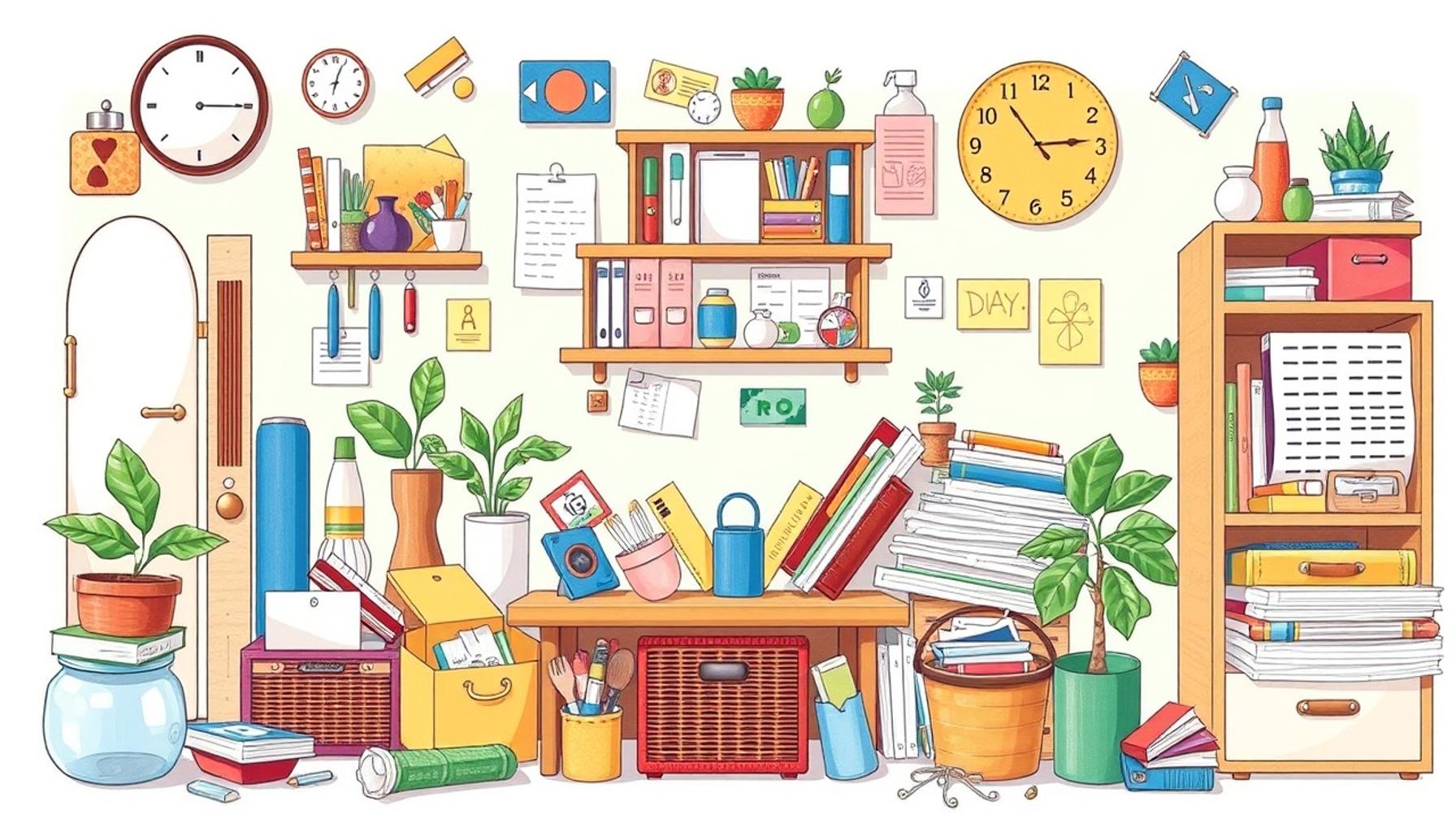
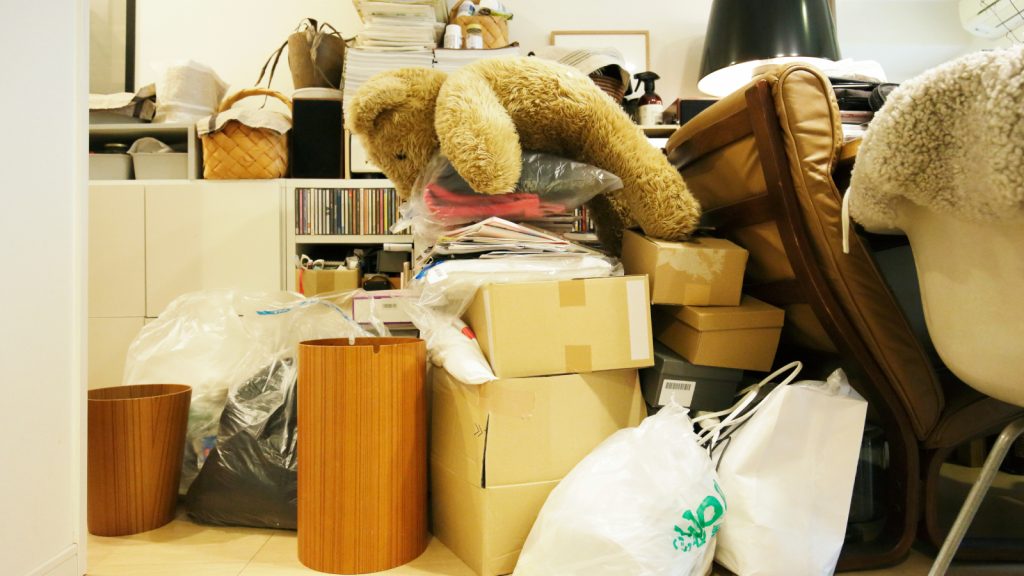
In today’s consumer-driven society, clutter has become an all-too-familiar companion in our lives. Many individuals find their homes crowded with items they no longer use or need, physically and emotionally weighing them down. This pervasive issue prompts a reevaluation—not just of the possessions themselves, but of how they impact our mental well-being and daily lives.
Understanding the Scope of the Problem
Statistics illustrate the extent of this phenomenon. Americans collectively spend billions on storage solutions each year, suggesting a significant surplus of belongings. In fact, studies reveal that the average person owns over 300,000 items, ranging from clothing and gadgets to trinkets and keepsakes. This excess contributes to a wider culture of consumerism, where the act of accumulating goods overshadows their actual use.
Moreover, the ramifications of this clutter extend beyond just physical space. Research has shown that overwhelming amounts of clutter can lead to increased stress and a marked decrease in productivity. When surrounded by disorganization, the ability to focus diminishes, making daily tasks feel more overwhelming. The clutter can create an environment that is not only chaotic but also mentally taxing, leading many to seek a solution.
Strategies for Decluttering
To combat this relentless cycle of consumption and reclaim our spaces, several effective strategies can be employed:
- Mindful Purchasing: Before making a purchase, take a moment to assess its necessity. Ask yourself: will this item serve a meaningful purpose in my life, or is it simply a fleeting desire? Implementing a waiting period before buying can often reveal whether it’s an emotional impulse or a genuine need.
- Regular Decluttering: Designate specific times on a weekly or monthly basis to evaluate your possessions. This could be as simple as decluttering a single drawer or corner of a room each week. Developing a habit of reassessing what you own can help keep your environment clear and manageable.
- Value Identification: Take the time to determine whether items hold sentimental or functional value. Consider whether an item brings you joy or serves an important purpose in your daily life. If an item does neither, it may be time to let it go.
The Journey Towards Simplicity
By adopting these techniques, you can cultivate a healthier relationship with your belongings and begin to experience the freedom that comes with simplicity. Embracing a decluttered lifestyle not only opens up physical space but can also lead to enhanced mental clarity and reduced anxiety. As you embark on this journey, remember that the process of letting go is individual and should be approached with self-compassion.
Ultimately, it’s about creating an environment that reflects your true self, filled only with items that bring positive energy and support your lifestyle. In an age where possessions often define us, it’s time to make a conscious choice—let’s redefine what we value and reclaim our peace of mind, one item at a time.
DISCOVER MORE: Click here to uncover inspiring transformations
Breaking Free from Clutter: Insights and Impacts
As we dive deeper into the intricacies of decluttering, it becomes essential to understand not just the mechanics of the process, but also the psychological implications of our clutter-filled spaces. Living in an era defined by relentless consumption, many individuals find themselves drawn into a cycle of purchasing and storing, often overlooking the emotional toll this clutter can exert on their lives. Recent surveys indicate that nearly 54% of Americans feel overwhelmed by the amount of stuff they own, underscoring a growing need to address the emotional weight of our possessions.
The Emotional Toll of Clutter
The reality is, clutter often leads to feelings of anxiety and stress. A study conducted by the Kaiser Family Foundation found that a staggering number of individuals reported that their clutter serves as a constant source of distraction and frustration. These feelings can lead to decreased motivation, further exacerbating the cycle of accumulation. Understanding the psychological effects of clutter enables individuals to approach decluttering not just as a physical endeavor but as a profound personal transformation.
Moreover, the phenomenon of “decision fatigue” plays a significant role in our lives filled with excess. For example, studies suggest that the average person makes upwards of 35,000 conscious decisions each day. When faced with disorganized environments, simple decisions, such as finding a pen or locating a book, can feel Herculean. The mental clutter often detracts from our ability to prioritize, ultimately impacting our productivity.
Exploring Minimalism: A Movement Towards Clarity
In response to the challenges posed by clutter, the minimalist movement has gained considerable traction, encouraging individuals to reevaluate their relationship with material possessions. Minimalism advocates argue that living with less not only simplifies our physical surroundings but can also enhance our emotional well-being. According to a survey by Statista, 39% of Americans have consciously made efforts to adopt minimalist principles by reducing their belongings, which in turn has resulted in more mindful consumption practices.
As you begin your decluttering journey, consider adopting a minimalist mindset. Reflect on the motives behind your buying choices: are they a product of genuine need, or are they influenced by external pressures and societal expectations? This critical introspection can empower you to make decisions based on value rather than impulse.
Prioritizing Attachments: Joy and Purpose
A fundamental strategy in decluttering involves identifying which items spark joy or serve a clear purpose. When items become mere placeholders in our lives, they lose their worth and contribute to a space filled with emotional baggage. Establishing a clear framework for assessing belongings can transform not only your environment but your mindset.
- Assess Emotional Connections: Consider how each item in your possession impacts your life. Does it invoke positive memories or feelings? If not, it may be time to part ways.
- Functionality Check: Evaluate how often you use items. Are they used daily or have they become mere decorations? Often, keeping only functional items leads to enhanced satisfaction.
- Take Stock of Space: Reflect on how your current possessions fit into your living space. Acknowledge that total clutter can prevent proper organization and hinder quality of life.
By understanding the connections between our mental well-being and our material possessions, we can initiate a transformative journey towards a more organized, intentional lifestyle. In the age of consumption, where the clutter often reigns supreme, taking steps toward decluttering can reveal not just a clearer space, but a more focused mind and revitalized spirit.
| Advantages | Significance |
|---|---|
| Enhanced Mental Clarity | Decluttering your space can lead to improved focus and productivity, as a neat environment allows for a clearer mind. |
| Increased Value of Belongings | By prioritizing quality over quantity, individuals can better appreciate the emotional and financial value of their possessions, leading to more thoughtful consumption. |
| Sustainable Living | Decluttering promotes a lifestyle that favors recycling and reusing, ultimately reducing our carbon footprint and minimizing waste. |
| Improved Financial Awareness | When focusing on essential items, individuals find it easier to manage their finances and recognize unnecessary expenditures. |
In an age where excess is often glorified, the practice of decluttering emerges as a revolutionary act of reclaiming one’s space and sanity. Coupled with understanding the true value of belongings, it encourages a mindful consumption approach that not only enhances the value of individual items but also fosters a more sustainable lifestyle. As such, decluttering is more than just a trend; it represents a movement towards recognizing what truly matters amidst the chaos of consumerism. Exploring these strategies allows individuals to reclaim their environments and, more importantly, their lives.
DISCOVER MORE: Click here to enhance your mental clarity
Transformative Practices for Mindful Ownership
In a consumer culture inundated with advertisements and trends, it’s essential to create strategies for mindful ownership that allow you to cultivate a meaningful relationship with your belongings. It requires not just the act of decluttering but an ongoing commitment to reevaluate the value and purpose of the items you choose to keep in your life. Adopting practical strategies can help you navigate the clutter and create a space that reflects your values and aspirations.
Establishing a Decluttering Routine
To effectively combat clutter, consider integrating decluttering routines into your daily or weekly schedule. The “20/20 Rule,” popularized by decluttering experts, suggests that if an item can be replaced for under $20 and is replaceable within 20 minutes, it may not hold as much value as you perceive. Regular check-ins on your belongings can help maintain order and ensure that unnecessary items do not accumulate once more.
The One-In, One-Out Strategy
One proven method to prevent clutter from overwhelming your space is the “One-In, One-Out” strategy. This practice entails that for each new item you allow into your life, you must remove an equivalent item. Whether it’s a new shirt or a piece of furniture, this strategy challenges the notion of acquisition by keeping your space balanced and intentional. A recent study by MarketWatch indicated that households adopting this method experienced a measurable decrease in overall clutter and reported higher levels of satisfaction with their living spaces.
Creative Repurposing: Finding New Life in Old Items
Another compelling aspect of decluttering is repurposing items that may no longer serve their original intent. Embracing creative repurposing not only reduces waste but also encourages innovative thinking about what items mean to you. For instance, old wooden crates can transform into functional side tables, while unused jars can become attractive storage solutions. By viewing items through a new lens, you can restore their value and functionality, strengthening your emotional attachment while reducing the need for new purchases.
Streamlining Shopping Habits
In the fight against clutter, reforming shopping habits plays a pivotal role. By adopting a more intentional approach to consumption, you can prevent unnecessary items from entering your living space in the first place. Begin with creating a shopping list before each excursion and adhere strictly to it. Furthermore, practice the “24-hour rule,” where you wait a full day before making a large purchase. This pause in decision-making can help differentiate between impulse buys and items of genuine necessity.
Digital Decluttering: The Overlooked Domain
While most discussions on decluttering focus on physical items, digital clutter often goes unnoticed. With the average American spending over 10 hours a day on screens, it’s crucial to manage virtual spaces as rigorously as physical ones. Begin by organizing files into categorized folders and deactivating unused email subscriptions. This digital decluttering not only enhances your online experience but also mirrors the same mental clarity that physical decluttering provides.
As you engage in these transformative practices, you empower yourself to take control of your environment, reclaiming your space from the grips of excessive consumption. By committing to these strategies, you can restore the value of your belongings, leading to a more intentional and satisfying relationship with the material world around you.
DISCOVER MORE: Click here to learn how to embrace minimalism
Conclusion: Embracing a Mindful Approach to Ownership
In an era defined by relentless consumption, embracing decluttering does more than just clear physical space; it transforms our relationship with the items we own. By implementing transformative strategies such as establishing a routine, practicing the “One-In, One-Out” principle, and engaging in creative repurposing, we can foster a mindset that prioritizes quality over quantity. Each carefully curated item in our lives can serve as a reflection of our values, dreams, and aspirations.
Moreover, reevaluating shopping habits and embarking on digital decluttering ensures that our interactions with both the physical and virtual realms are intentional and fulfilling. The average American spends a significant portion of their day online; thus, ensuring our digital spaces are as organized as our living spaces can further enhance mental clarity and reduce stress.
The rise of minimalism and the growing emphasis on sustainability highlight a crucial shift in consumer behavior—one where mindfulness and appreciation take precedence over the fleeting nature of trends. By restoring the value of our belongings and treating them with the respect they deserve, we not only simplify our lives but also contribute to a more sustainable future.
Ultimately, embracing decluttering in the age of consumption invites us to redefine what it means to own something. It empowers us to live intentionally, afford significance to our material possessions, and reclaim our spaces for joy rather than chaos. With this mindful approach, we can navigate the complexities of modern living with grace—one deliberate decision at a time.
Related posts:
Decluttering Techniques for Students: Creating an Efficient Study Environment
Decluttering with the Family: Techniques to Involve Everyone in Home Organization
Declutter Digital: Strategies to Organize Your Virtual World and Increase Productivity
Transforming Small Spaces: Decluttering Techniques to Maximize Every Square Meter
The Impact of Decluttering on Productivity: How an Organized Space Increases Work Efficiency
The Art of Letting Go: Decluttering Techniques for Beginners in Minimalism

Linda Carter is a writer and organization expert specializing in minimalism and personal organization. With extensive experience helping individuals create clutter-free, functional spaces and adopt mindful habits, Linda shares her knowledge on our platform. Her goal is to empower readers with practical advice and strategies to simplify their lives, stay organized, and achieve a sense of calm and balance in their daily routines.