Decluttering with the Family: Techniques to Involve Everyone in Home Organization
The Importance of Decluttering as a Family
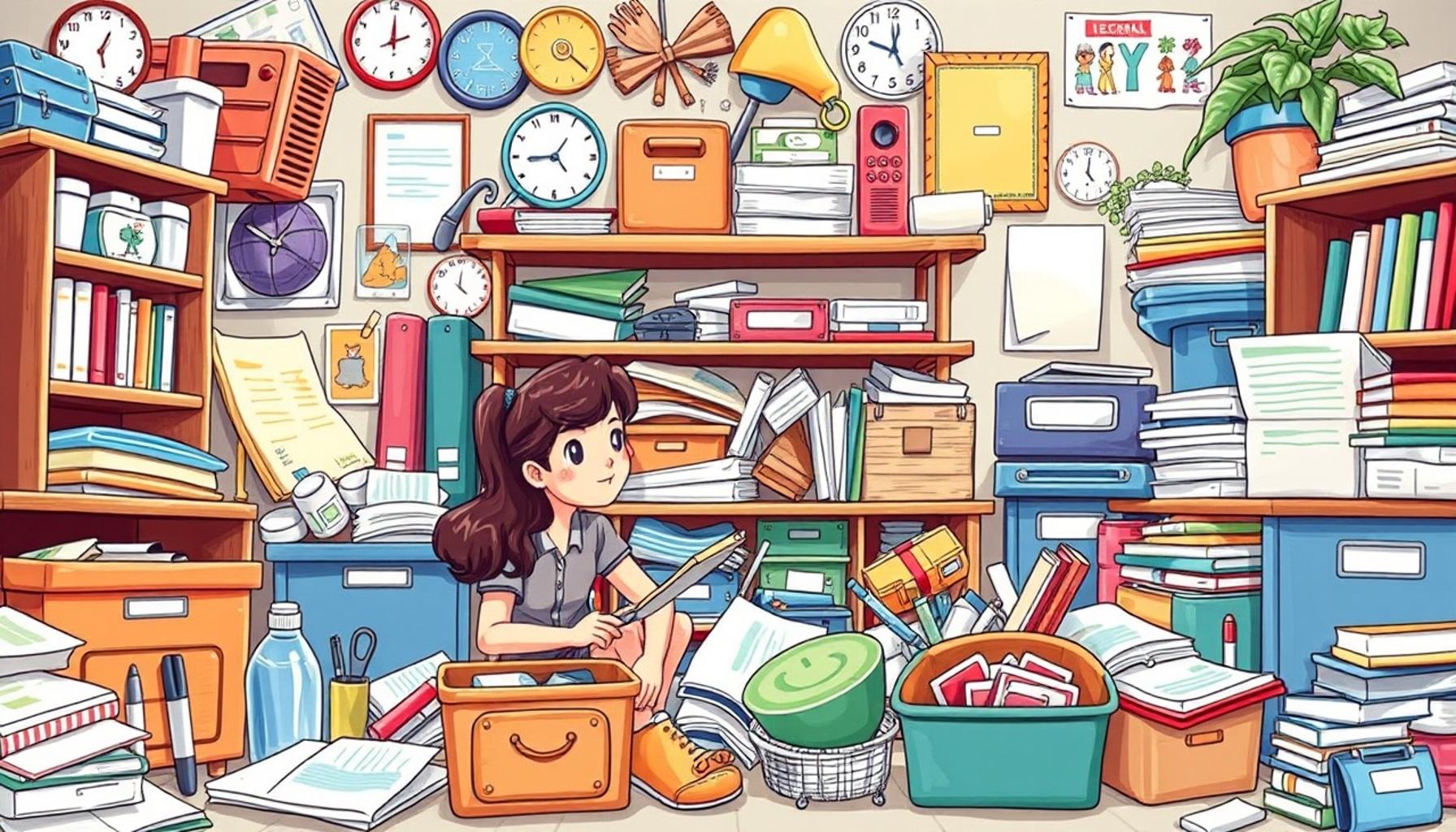
In a fast-paced world where each family member juggles various responsibilities, the accumulation of clutter often happens without notice. Over time, what starts as a few misplaced items can snowball into a chaotic environment that stifles relaxation and productivity. By involving the entire family in decluttering efforts, not only do you alleviate the burden of a disorganized space, but you also cultivate a sense of teamwork and shared responsibility. Approaching organization as a collective venture can turn what is often seen as a mundane task into an enjoyable and fulfilling family project.
One of the most compelling reasons for families to declutter together is shared accountability. When each individual takes ownership of their possessions, the process feels less daunting. For example, assigning each family member a room or a specific area of the house makes everyone feel invested in the outcome. Memorably, a family in California found that by designating each Saturday as “Declutter Day,” they could manage their messes more effectively and keep their home tidy throughout the week.
Additionally, the act of decluttering provides bonding opportunities. Working side by side encourages communication and connection, thereby enhancing family dynamics. Whether it’s reminiscing over old photographs or deciding together which toys have outlived their usefulness, such activities reinforce familial relationships. A mother in Texas recounted how decluttering her children’s playroom blossomed into a mini-reunion, as they shared stories about their favorite toys and discovered long-lost treasures.
Moreover, life skills development comes into play, particularly for younger family members. Involving children in the sorting process teaches them invaluable lessons in organization and decision-making. For example, a family from Ohio introduced a ‘donate box’ which not only encouraged their kids to assess their belongings but also instilled a sense of charity as they chose items to give to those in need. Through these real-life experiences, kids learn how to set priorities and understand the value of less.
Creative Strategies for Family Decluttering
Embracing a collaborative approach can help make decluttering a rewarding family mission. Here are a few innovative methods to consider:

- Set Goals: Establish clear targets for what areas to declutter, whether it’s a single room or the whole house, to maintain focus and momentum.
- Make It Fun: Incorporate games or challenges, such as a timer to see who can sort items the quickest, to keep spirits high and make the task enjoyable.
- Respect Personal Spaces: Ensure each family member has autonomy over their belongings, empowering them to take the lead on what to keep and what to let go of.
Equipped with these techniques, your family can turn decluttering into more than just a chore. As you progress through the process, you may discover that organization extends beyond mere physical order—it becomes a path that fortifies family bonds and cultivates life skills. By actively participating in this venture, you are paving the way for a harmonious living space that every family member can appreciate.
DISCOVER MORE: Click here to find out how to maximize your minimalist space
Creative Strategies for Family Decluttering
Embracing a collaborative approach can help make decluttering a rewarding family mission. By implementing creative strategies, families can transform a seemingly overwhelming task into a fun and engaging experience. Here are some innovative methods to consider:
- Set Goals: Establish clear targets for what areas to declutter, whether it’s a single room or the whole house, to maintain focus and momentum. Families can break down larger tasks into smaller, more manageable segments, often leading to a sense of accomplishment with each completed area. For instance, a family in Florida aimed to tackle one room per weekend, resulting in a decluttered home within a month.
- Make It Fun: Incorporate games or challenges into the decluttering process. Consider timing each family member to see who can sort items the quickest or creating a “treasure hunt” for hidden items that can be donated or discarded. This not only keeps spirits high but also transforms the task into a playful activity. A family in Seattle turned decluttering into a monthly competition, with the winner earning a special family outing.
- Respect Personal Spaces: Encourage each family member to take the lead on their belongings by respecting personal spaces. This empowerment fosters a sense of responsibility and independence, allowing individuals to decide what items hold value in their lives. For example, encouraging children to organize their own rooms and choose which toys to keep can enhance their connection to the decluttering process.
- Incorporate Themed Declutter Days: Designate specific days for themed decluttering sessions, such as “Clothing Clear-Out Sunday” where everyone sorts through their wardrobes. This helps keep the routine engaging while enabling focused efforts on areas that often generate clutter. Families can use different themes each month, ensuring variety in the decluttering routine.
- Utilize Visual Aids: Employ visual charts or checklists to track progress and accomplishment. Visual reminders not only serve as motivation but also help children grasp the concept of managing their space effectively. For example, a family in New York created a colorful chart that outlined areas needing attention, marking off completed sections as they went, which spurred enthusiasm among the kids.
Equipped with these techniques, your family can turn decluttering into more than just a chore. As you progress through the process, you may discover that organization extends beyond mere physical order—it becomes a path that fortifies family bonds and cultivates life skills. By actively participating in this venture, you are paving the way for a harmonious living space that every family member can appreciate.
Engaging the Family in Decluttering
Involving every family member in the decluttering process can transform a daunting task into an enjoyable and bonding experience. Here are some techniques to ensure everyone participates willingly and effectively.
1. Assign Roles Based on Age and Ability
Tailoring tasks for each family member’s age and capabilities is crucial. Younger children can handle simpler jobs, like sorting toys into keep and donate piles, while older kids can manage more complex duties such as decluttering their own rooms or common areas. This approach not only empowers them but also instills a sense of responsibility.
2. Create a Fun Decluttering Challenge
Transform organizing into a game! Set a timer and challenge family members to declutter specific areas. Reward the winner with a small prize. This method keeps the mood light and encourages participation, making the decluttering process feel less like a chore and more like an adventure.
3. Utilize the ‘Four-Box’ Method
Provide each family member with four boxes labeled Keep, Donate, Trash, and Sell. This method simplifies decisions and promotes active sorting. Each person can focus on their space while ensuring they contribute to overall family organization.
4. Host a Family Decluttering Day
Dedicate a weekend or a day off to tackle the organization as a team. Provide snacks and music to set a positive atmosphere. Working together not only makes the decluttering process faster but also reinforces familial bonds and shared objectives.
5. Celebrate the Accomplishments
Once the decluttering is complete, hold a mini-celebration. Share how much was donated or recycled, and how the spaces have improved. Recognizing the efforts fosters a sense of achievement and motivates family members to maintain the organization in the future.
By implementing these thoughtful strategies, you can effectively engage your family in home organization, making decluttering a much more enjoyable and less overwhelming experience.
| Techniques | Benefits |
|---|---|
| Assign Roles | Empowers family members with responsibility. |
| Fun Challenge | Transforms decluttering into an engaging game. |
| Four-Box Method | Simplifies decisions and promotes active sorting. |
| Family Decluttering Day | Encourages teamwork and creates lasting memories. |
| Celebrate Accomplishments | Reinforces motivation to maintain organized spaces. |
DISCOVER MORE: Click here to learn how mindful minimalism can boost your mental clarity
Engaging Everyone: Diverse Roles in Decluttering
As families embark on the journey of decluttering together, it becomes essential to recognize that every member can contribute uniquely to the process. By assigning roles tailored to individual strengths and preferences, families can foster teamwork while ensuring that everyone feels valued. Here are some strategies for engaging everyone in the family during the decluttering adventure:
- Assign Age-Appropriate Tasks: Tailoring tasks based on age can make decluttering more manageable and enjoyable. For younger children, focus on sorting toys and books, allowing them to practice decision-making while learning to let go of items they no longer use. For older kids and teens, take on more complex duties such as organizing their own rooms or creating a donation pile from their wardrobe. Celebrating achievements, no matter how small, positioned families to build positive experiences around decluttering.
- Rotate Responsibilities: To avoid monotony and promote engagement, consider rotating decluttering responsibilities within the household. Establish a weekly schedule where different family members take turns leading the decluttering in specific areas of the home. This not only cultivates a sense of ownership but also empowers individuals to address clutter according to personal aesthetics and priorities. A family in Chicago switched up tasks weekly, and it led to novel creative solutions each time they tackled their home together.
- Host a Family Declutter Meeting: Organizing a family meeting focused on decluttering allows everyone to voice their opinions and ideas. Encourage open discussions about what items hold sentimental value and others that may be unnecessary. This approach promotes collective decision-making, helping three generations agree on what to keep, toss, or donate. Regular family meetings for genealogy projects or historical artifacts can even validate the importance of preserving memories while embracing minimalism.
- Create a Family Contribution Box: Set up a dedicated box or basket where family members can place items they would like to declutter when they realize it throughout the week. This strategy adopts a ‘no-pressure’ approach, allowing individuals to contribute at their own pace. When the box is full, host a fun gathering where the family can review the contents together before deciding what to do with each item—whether that involves donation, recycling, or repurposing.
- Leverage Technology: Utilize apps and online platforms to track progress, share photos of organized spaces, or even trade in items virtually. For instance, families can use local Facebook groups or apps like OfferUp to find new homes for items they no longer need. This tech-savvy approach empowers tech-oriented family members and teaches others valuable organization skills in the digital age.
Assimilating these diverse roles into your family’s decluttering activities not only promotes a sense of unity but also caters to the various interests and capabilities of each member. As family members engage in their designated tasks with enthusiasm, the act of decluttering evolves from a mundane chore into an opportunity to strengthen interpersonal relationships and share valuable life lessons. Through collaboration, families can cultivate a refreshing, organized environment, setting the stage for a more harmonious domestic life.
DISCOVER MORE: Click here to learn about the power of space
Conclusion: Building a Clutter-Free Future Together
Involving the entire family in decluttering and home organization is more than just a practical initiative; it is an enriching experience that fosters unity and enhances bonds. By implementing age-appropriate tasks, rotating responsibilities, holding family meetings, and leveraging modern technology, families can create a dynamic environment where everyone feels empowered and responsible. This collaborative approach not only simplifies the physical task of decluttering but also builds invaluable life skills such as decision-making, communication, and respect for shared spaces.
Moreover, decluttering as a family promotes mindfulness about possessions and personal values. It encourages conversations around what items hold meaning and helps each member recognize the impact of consumerism on their lives. Such discussions can lay the groundwork for a more intentional approach to future purchases and habits. As you engage in this process, take the time to celebrate small wins, share stories linked to specific items, and establish a family mantra that emphasizes simplicity and gratitude.
Ultimately, the journey toward a clutter-free home does not need to feel daunting; with every family member participating, it can become an exciting adventure. As families work together to create organized spaces, they cultivate an atmosphere of peace and creativity that benefits everyone. Embrace these techniques, and discover the transformative impact of collaborative decluttering—both on your living space and on your family connections.
Related posts:
Mini Decluttering Challenges: How Small Actions Can Transform Your Space in No Time
Declutter Digital: Strategies to Organize Your Virtual World and Increase Productivity
Transforming Small Spaces: Decluttering Techniques to Maximize Every Square Meter
The Importance of Emotional Decluttering: Free Yourself from Psychological Baggage
The Impact of Decluttering on Productivity: How an Organized Space Increases Work Efficiency
The Art of Letting Go: Decluttering Techniques for Beginners in Minimalism

Linda Carter is a writer and organization expert specializing in minimalism and personal organization. With extensive experience helping individuals create clutter-free, functional spaces and adopt mindful habits, Linda shares her knowledge on our platform. Her goal is to empower readers with practical advice and strategies to simplify their lives, stay organized, and achieve a sense of calm and balance in their daily routines.