
The Role of Spices in Culinary Traditions
Over centuries, spices have been integral to the evolution of global culinary traditions, serving not only as flavor enhancers but also as cultural symbols and trade commodities. From cayenne pepper that ignites the heart of Louisiana Cajun cooking to the sweet, warm notes of cinnamon in Middle Eastern dishes, spices elevate the craft of cooking to an art form, imbuing diverse cuisines with depth and character.
Historical Trade Routes
Historically, spices were prized not only for their taste but also for their ability to preserve food and mask unpleasant flavors, essential in times before refrigeration. Spices like black pepper and saffron were once considered so valuable that they shaped trade dynamics across continents. The ancient Spice Route connected the East with the West, facilitating the exchange of these precious commodities. Merchants transported these luxuries through perilous journeys, thus forging cultural exchanges. For instance, the high demand for nutmeg in Europe during the 17th century led to aggressive trading practices in the Banda Islands, where it was cultivated, demonstrating the lengths to which nations would go to secure these flavorful treasures.
Cultural Significance
Spices are not just ingredients; they are woven into the fabric of cultural practices and festivals. Many spices feature prominently in traditional celebrations. In India, for example, cumin and cardamom are foundational to dishes served during weddings and festive occasions. Similarly, the vibrant use of paprika in Hungarian goulash reflects the national identity and historical influences from the Ottoman Empire. This intricate relationship between spices and cultural identity reveals a narrative that goes beyond mere taste, inviting individuals to explore the rich heritage behind every dish.
Health Benefits
In addition to their culinary advantages, spices like turmeric and ginger are revered for their numerous health benefits. Turmeric, known for its anti-inflammatory properties due to curcumin, is now widely recognized not just in South Asian cooking but also in health foods and supplements. Similarly, ginger is renowned for its ability to soothe digestive issues and reduce nausea. As more people turn to holistic approaches to wellness, a resurgence of interest in these spices is observable in American kitchens, where they find ways to incorporate them into everyday dishes, from smoothies to marinades.
The Melting Pot of Global Influences
In the United States, the incorporation of spices into everyday cooking illustrates a delightful melting pot of global influences. The bold flavors characteristic of Mexican spices shine in Tex-Mex cuisine, while Indian spice blends like garam masala have made their way into mainstream recipes. This fusion of diverse culinary traditions enriches the American palate and encourages a greater appreciation for international cuisines.
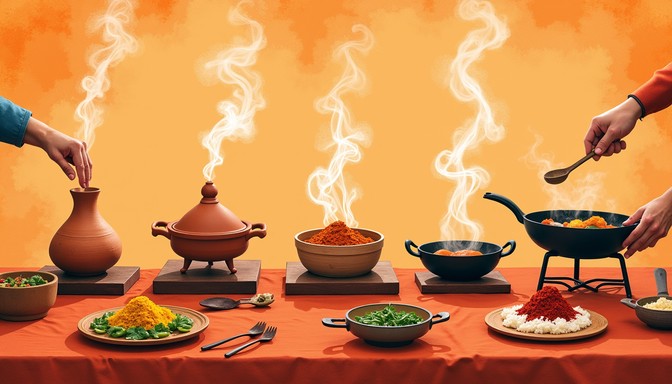
Ultimately, spices offer more than just flavor; they tell stories about trade, culture, and health. As we continue to explore the fascinating world of spices, we discover how they have transformed cooking practices and shaped culinary landscapes across continents. The next time you reach for a jar of spices in your kitchen, consider the rich history and vibrant cultures behind those tiny, potent granules.
DIVE DEEPER: Click here to savor the details
The Cultural Exchange Through Spices
Spices have played a pivotal role in fostering cultural exchange throughout history. As communities interacted, whether through trade, colonization, or migration, spices traveled alongside people, enriching culinary landscapes across the globe. The introduction of foreign spices often led to the adaptation and evolution of traditional dishes, creating unique fusions that tell the story of shared experiences and influences. For instance, the introduction of chili peppers to Asian cuisines, thanks to European explorers, transformed dishes by adding heat and complexity. This newfound ingredient became a staple in various regions, leading to the beloved Thai curry and the fiery Sichuan cuisine.
Fusions and Innovations
As culinary traditions embraced spices from different cultures, innovative dishes emerged, showcasing the nuances and adaptability of global cuisine. Consider the following notable culinary fusions influenced by spice trade:
- Chai – Originating from India, this spiced tea blend made its way to Western coffee shops, where it has become a popular menu item, often served with a variety of sweeteners and milk options.
- Taco Seasoning – The combination of spices typically found in Mexican cuisine, such as cumin, chili powder, and coriander, have seeped into American culture, evolving with regional flavors to create distinct regional touches.
- Jerk Chicken – This Jamaican dish, characterized by its spicy rub made from various peppers and herbs, showcases the African and indigenous Taino influences, evolving beautifully to become a favorite worldwide.
- Curry Powder – A blend that originated from India, curry powder has been adapted into Western cuisines, often reimagined in dishes that feature chicken or vegetables.
The dynamic fusion of spices illustrates how ancient trade routes not only facilitated commerce but also served as conduits for culinary creativity. Each spice brought to a new land imparted unique flavors and aromatic profiles that chefs blended with local ingredients, yielding exciting new dishes that reflect an intricate history of cultural intermingling.
Moreover, the practice of incorporating spices is not limited to enhancing flavor alone; it often drives culinary innovation. Chefs around the world experiment with traditional recipes, incorporating spices in unexpected ways, from desserts flavored with cardamom to savory dishes enhanced with anise. This ongoing evolution speaks to the boundless possibilities that spices introduce into kitchens, inviting culinary professionals and home cooks alike to innovate.
Global Spice Trends in Modern Cuisine
In recent years, the resurgence of interest in spices has rekindled a global passion for culinary exploration. Home chefs are increasingly pursuing authenticity, aiming to recreate traditional dishes using spices that tell their authentic stories. Food blogs and social media platforms have elevated global spice trends, allowing individuals to share their culinary adventures and common experiences with spices from around the world. In this fast-paced, interconnected world, spices continue to thrive, drawing people together through the universal love of food.
The culinary world has always been shaped by the diverse array of spices, which serve not just to enhance flavor but also to tell stories of cultural exchanges and historical migrations. Throughout history, spices have acted as a bridge between continents, facilitating not just trade but a tapestry of culinary innovation. The Silk Road is a notable example where spices traveled across Asia to reach Europe, irrevocably changing local cuisines and cooking methods.In many cultures, spices are considered sacred, intertwined with traditions, and rituals that further emphasize their importance. For instance, in Indian cuisine, spices like turmeric and cumin are not only staples but also hold cultural and medicinal significance, embodying centuries of agricultural wisdom. This influence is mirrored globally, where spices such as cinnamon were once worth their weight in gold and drove explorers to the New World in pursuit of new flavors and trade routes.Additionally, modern migration patterns have brought spices to new geographic locations, blending flavors and cooking techniques from various heritages. The incorporation of spices into local diets has led to unique culinary hybrids, such as the fusion of traditional Caribbean cooking with Indian spices, resulting in a vibrant and diverse food scene. This phenomenon illustrates how the influence of spices transcends mere taste, contributing to an evolving culinary narrative that reflects globalization and cultural fusion.With the rise of social media, the sharing of spice-infused recipes from around the world has become a common trend, opening up potential for culinary enthusiasts to experiment and create their own unique dishes. This accessibility replicates historical trade in a way, with people exchanging culinary ideas and traditions globally. The exploration of spices is a journey deep into the rich history of human interaction, where every dish has a narrative that deserves to be uncovered.As we delve deeper into the impact of spices on global culinary traditions, it is clear that their story is one of connection, identity, and continued innovation. Each spice carries its own unique history, resonating with flavors that tell tales of the past while simultaneously shaping the future of cooking worldwide. The future of culinary traditions lies in the creative use of spices, offering endless possibilities for exploration and discovery in kitchens around the globe.
DIVE DEEPER: Click here to learn more about the impact of globalization on cuisine
Global Spice Trends in Modern Cuisine
In recent years, the resurgence of interest in spices has rekindled a global passion for culinary exploration. Home chefs are increasingly pursuing authenticity, aiming to recreate traditional dishes using spices that tell their authentic stories. Food blogs and social media platforms have elevated global spice trends, allowing individuals to share their culinary adventures and common experiences with spices from around the world. In this fast-paced, interconnected world, spices continue to thrive, drawing people together through the universal love of food.
The Rise of Spice Markets and Gourmet Ingredients
The modern Era has seen a significant rise in spice markets and gourmet shops across the United States, where cooks of all skill levels are eager to explore the rich tapestry of global flavors. From the fragrant streets of Little India in New York City to the bustling farmers’ markets in Los Angeles, a plethora of spices can now be sourced locally, encouraging experimentation in home kitchens. Chefs are utilizing exotic spices such as Sumac, known for its tangy taste, and Za’atar, a Middle Eastern herb blend, to add depth to American dishes. This newfound accessibility is invigorating cuisine, as chefs strive to craft dishes that resonate with both tradition and modern flavor profiles.
Health and Nutritional Trends
In addition to enhancing flavor, spices are celebrated for their health benefits, which have captured the attention of both chefs and health-conscious consumers alike. Ingredients such as turmeric, with its active compound curcumin, have been lauded for their anti-inflammatory properties, while ginger and cinnamon are known for their digestive and metabolic benefits. As awareness about the health implications of food choices grows, spices are emerging as crucial components in healthier eating trends. Recipes that emphasize whole foods and healthy fats often utilize spices to reduce the reliance on salt and sugar, demonstrating how culinary traditions adapt to contemporary health needs.
Sustainability and Ethical Sourcing
The conversation around spice sourcing has also evolved, with a growing emphasis on sustainability and ethical practices. Consumers in the United States are increasingly interested in products that are sourced responsibly, as they understand the environmental and social implications of their food choices. Brands like Penzeys Spices promote fair trade methods, ensuring that producers receive a fair wage for their labor. This shift in focus not only transforms the spice trade itself, but also empowers consumers to become aware of the story behind their food, making informed choices that reflect their values.
Cultural Celebrations and Festivals
Moreover, spices play a central role in cultural celebrations and food festivals, highlighting their importance in collective identities. Events such as The Spice Route Festival in San Francisco showcase the diverse culinary traditions influenced by spices, bringing communities together over shared heritage. Such gatherings are an opportunity for culinary enthusiasts to explore not only the flavors but the cultural narratives that spices embody. From the vibrant colors of curry powder to the alluring aroma of cardamom, each spice tells a story that is deeply intertwined with the fabric of global cuisines.
The demand for spices in modern cuisine reflects a broader trend of celebrating diversity through food. In this dynamic culinary environment, the transformative power of spices continues to influence not only individual palates but also collective culinary traditions worldwide. As chefs and home cooks embrace the rich tapestry of flavors, the world of spices remains a vibrant source of inspiration and innovation.
DIVE DEEPER: Click here to discover the spices that shape global cuisine
Conclusion: The Enduring Impact of Spices on Culinary Traditions
The exploration of spices reveals their profound influence on global culinary traditions that transcends mere flavor enhancement. From ancient trade routes to modern kitchen shelves, spices have played a pivotal role in shaping unique gastronomic identities across cultures. As we have discussed, the rising interest in spices reflects a broader movement toward embracing diversity and authenticity in cooking. It highlights the desire of home cooks and professional chefs alike to create meaningful culinary experiences that resonate with heritage and global interconnectedness.
Moreover, the increasing focus on health benefits associated with spices is reshaping dietary habits, encouraging consumers to incorporate these diverse flavors while prioritizing well-being. Alongside this, the commitment to ethical sourcing and sustainability is transforming the spice market, empowering consumers to make choices that align with their values. As spice enthusiasts engage with these narratives, they not only elevate their culinary skills but also contribute to a broader conversation on food justice and globalization.
Ultimately, spices serve as a testament to the rich cultural tapestry that defines our world. As they bridge gaps between tradition and innovation, they remind us that cuisine is more than sustenance; it is a celebration of identity and community. The journey of spices continues, evoking curiosity and encouraging exploration, making them a timeless ingredient that enriches our relishing of life itself.