
The Flavorful Tapestry of Local Celebrations
Communities throughout the United States have long cherished the tradition of gastronomic festivals, where the tables are as diverse as the people who gather around them. These lively events not only highlight a locality’s culinary specialties but also celebrate the stories and heritage behind each dish. As festival-goers savor everything from savory to sweet, they experience a rich narrative woven through generations of history, cultural exchanges, and innovative cooking techniques.
Take, for instance, the New Orleans Jazz & Heritage Festival, often referred to as Jazz Fest. This unique celebration brings together not just music lovers but also food enthusiasts eager to explore the complexities of Creole cuisine. Dishes like gumbo, with its blend of spices and ingredients representing a melting pot of cultures, and jambalaya, a one-pot dish that embodies the spirit of Louisiana, offer attendees a taste of the region’s heart and soul. The festival also features local vendors who provide insights into the significance of the food they serve, making it a truly educational experience.
Meanwhile, in Wisconsin, Oktoberfest embraces its German roots, transforming the city of La Crosse into a haven for lovers of traditional fare. The aroma of sizzling bratwurst and baking pretzels fills the air, celebrating not only the culinary delights of Germany but also the cultural heritage of the German immigrants who shaped this Midwestern town. Craft beer flows freely, showcasing the state’s renowned brewing culture, which has evolved over generations but remains deeply connected to its origins.
Another festival that commands attention is the Texas State Fair, where culinary innovation reigns supreme. Known for its outrageous deep-fried treats—ranging from fried butter to deep-fried Oreos—this fair is a testament to Texan pride and creativity. Beyond indulgence, the fair fosters a connection between the community and local farmers, emphasizing local produce and sustainable practices. It also highlights the importance of food security and encourages conversations about how food is produced and consumed in the modern age.
These festivals are microcosms of their respective cultures, where flavors transcends mere tasting experiences. They encourage community engagement, unity, and celebrate the bounty of local agriculture. With each bite, attendees not only satiate their appetites but also gather stories that deepen their understanding of the land and its people. Through these vibrant gatherings, culinary traditions are preserved and shared with the world, forming a rich and fragrant tapestry of American culture that invites exploration and appreciation.
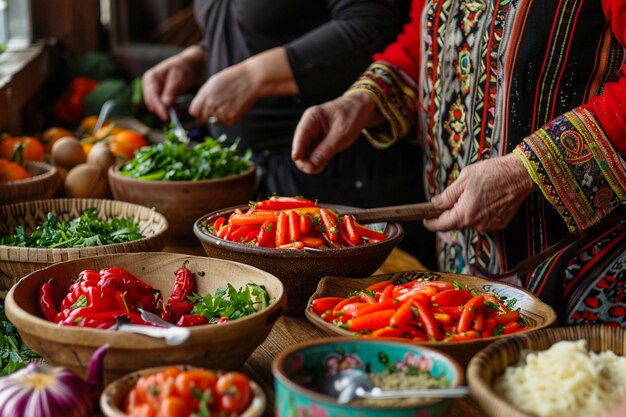
As we celebrate these flavorful festivals, we uncover the profound meanings behind them and recognize their critical role in sustaining culinary traditions. Every dish tells a story, every recipe is a legacy, and every bite taken contributes to a shared experience that enriches the community’s identity, making these festivals essential threads in the fabric of local heritage.
DIVE DEEPER: Click here to discover the art of sous vide cooking</a
Exploring the Heart of Food Festivals
The vibrancy of gastronomic festivals serves as a testament to the intricate tapestry of local culinary traditions that define the character of each community. These celebrations transcend mere food experiences, embodying the history, seasonal availability of ingredients, and the rich cultural influences that shape regional cuisines. Festivals such as the Fried Chicken Festival in New Orleans and the Garlic Festival in Gilroy, California, are not simply culinary events; they are narratives that recount the tales of beloved recipes passed down through generations.
Understanding the significance of these festivals begins with recognizing how culinary traditions often reflect the geography and agricultural practices of a region. Take, for instance, Southern California, where the rich, fertile landscape facilitates the growth of a variety of fresh produce. This bounty lays the foundation for the California Avocado Festival, a tribute to the avocado’s remarkable versatility. At this festive gathering, attendees can dive into cooking demonstrations, indulge in numerous avocado tastings, and even show off their skills in spirited guacamole contests. Each of these activities fosters a communal experience, celebrating the deep agricultural roots and culture of the region.
Beyond the flavors, these festivals also serve as a platform for fostering unity among diverse groups. Take the Pennsylvania Dutch Festival, where visitors can savor the unique dishes of the Amish community, such as shoofly pie and scrapple. The aromas wafting from food stalls create an inviting atmosphere where individuals from various walks of life come together to appreciate shared culinary heritage and experience the intersection of different cultures. This convergence helps to create a tapestry of flavors that reflect the history of migration and settlement patterns throughout the region.
Key Aspects of Gastronomic Festivals
The importance of gastronomic festivals lies in their multifaceted contributions to both community and culture. Consider the following elements that make these events a mirror of local culinary traditions:
- Ingredient Sourcing: Many festivals prioritize local sourcing, which not only supports community farmers and artisans but also champions the cause of sustainability through practices like farm-to-table initiatives.
- Historic Recipes: The recipes showcased at these events are often deeply rooted in local history. Many festival-goers have the opportunity to learn about the origins of their favorite dishes, reinforcing connections to their cultural identities.
- Cultural Heritage: Food festivals highlight the fusion of various cultural influences, illustrating how different immigrant communities have shaped local foodways over time, from Creole cuisine in Louisiana to Tex-Mex in Texas.
- Community Participation: The involvement of local chefs, farmers, and artisans not only enhances the authenticity of the culinary experience but also fosters pride and ownership over their unique culinary heritage.
In essence, gastronomic festivals provide a delightful journey for attendees, allowing them to explore food as a method of understanding local history while engaging with contemporary culinary innovations. Each festival serves as an invitation to partake not just in flavors but in the collective memory of a community that honors its past while presenting a delicious vision for the future of local culinary arts. By immersing themselves in these celebrations, festival-goers embark on a culinary adventure, savoring the rich stories encapsulated in every bite.
| Local Ingredients | Culinary Heritage |
|---|---|
| Use of Regional Produce | Preserves Traditional Recipes |
| Promotes Local Farms | Acts as a Cultural Showcase |
The essence of gastronomic festivals lies in their celebration of local ingredients and culinary heritage. At these feasts, attendees are often treated to an array of dishes crafted from produce sourced directly from nearby farms, promoting the farm-to-table movement essential for sustainable practices. This not only supports local farmers but also showcases the unique flavors of the region, thereby serving as a delicious testament to the area’s agricultural diversity.Moreover, gastronomic festivals are a vital channel for preserving traditional recipes passed down through generations. From spices unique to a region to cooking techniques that tell the story of cultural influences over time, such festivals provide a platform for chefs, families, and local cooks to present their authentic cuisine. This convergence of food and culture invites participants to delve into the historical significance of dishes, enriching their understanding and appreciation of local culinary traditions.Festivals also serve as a cultural showcase, where visitors engage not only with the food but the stories behind each dish. The experience fosters community spirit and encourages deeper connections between diverse cultures, making gastronomic events a melting pot of knowledge, flavor, and heritage. With the opportunity to explore these traditions through tasting, festivals inspire a newfound admiration for the culinary arts as they reflect the very identity of the locales they celebrate.
DISCOVER MORE: Click here to delve into the connection between culinary traditions and sustainability
Culinary Innovation Meets Tradition
While many gastronomic festivals pay homage to traditional recipes and local ingredients, they also serve as a fertile ground for culinary innovation. Chefs and food enthusiasts seize these opportunities to experiment, infusing time-honored dishes with contemporary twists. The annual Great American Beer Festival in Denver, for example, showcases an exciting blend of craft beers and food pairings that highlight local breweries while encouraging creativity and experimentation among chefs. It is not uncommon to find food truck artisans adopting cutting-edge techniques and flavors inspired by global cuisines, thus revolutionizing the very essence of the local food scene.
This spirit of experimentation is evident at the Los Angeles Food and Wine Festival, where renowned chefs collaborate to reinterpret classic dishes in novel ways. By embracing innovation while retaining a connection to local culinary traditions, these festivals illustrate how the culinary landscape is constantly evolving. The dynamic interchange between chefs and festival-goers not only fosters engagement but also inspires a deeper appreciation for the ingredients and the stories behind each dish.
Creating Economic Opportunities
Gastronomic festivals play a crucial role in boosting the local economy, providing an essential platform for small business owners, artisans, and farmers. These events often draw significant crowds that generate revenue not only from food sales but also from local accommodations, retail shops, and other recreational venues. The Sandwich Festival in Chicago, for instance, attracts thousands of visitors eager to sample diverse sandwich offerings from various local vendors. Here, community members can discover new flavors while supporting their local economy, fostering an environment where culinary entrepreneurship flourishes.
Moreover, many festivals include workshops, seminars, and tastings that empower aspiring chefs and food enthusiasts. Programs that encourage locals to learn about table etiquette, food preservation, and cooking techniques not only enhance community skills but also build a more knowledgeable consumer base. This educational aspect cultivates a culture of culinary appreciation, underscoring the value of tradition while melding it with forward-thinking practices.
Environmental Sustainability
As the conversation surrounding food sustainability continues to gain traction, gastronomy festivals are emerging as pivotal platforms for spreading awareness. Events like the Farmers Market Festival in Asheville, North Carolina, prioritize environmentally conscious practices. By focusing on locally sourced and organic ingredients, these festivals highlight the importance of reducing food miles while promoting conservation efforts. The emphasis on sustainability resonates deeply with audiences, encouraging them to make informed choices beyond the festival grounds.
Through interactive panels and discussions, participants gain insight into the impact of food production on the environment. This aligns with the overall theme of gastronomic festivals as reflections of local culinary traditions—an ecosystem that encompasses not only the food plate but also the land, farmers, and resources integral to successful harvests.
The Intersection of Culture and Community
Ultimately, gastronomic festivals act as an essential touchpoint that celebrates not just food but the diverse tapestry of culture and community. Events such as the Street Food Festival in Los Angeles exemplify how food can bring people together, bridging cultural gaps and promoting solidarity. By fostering a dialogue around food and its cultural significance, attendees become ambassadors of their culinary heritage, eager to share their experiences and newfound knowledge with others.
In this way, gastronomic festivals serve as a vibrant culinary landscape, where tradition meets innovation, and community thrives. The interplay of flavors, histories, and cultures highlights the profound connection between food and the narratives that shape our identities, providing ample reason for locals and tourists alike to participate in these savory celebrations.
DIVE DEEPER: Click here to discover delicious superfood recipes
Conclusion
In summary, gastronomic festivals are more than just a celebration of food; they are a vibrant manifestation of local culinary traditions that honor the past while embracing the future. These events provide a unique platform where chefs, farmers, and food enthusiasts converge to both showcase and innovate upon time-honored recipes and regional ingredients. Festivals like the Great American Beer Festival and Los Angeles Food and Wine Festival exemplify this dynamic interplay, highlighting the importance of local produce while simultaneously inspiring culinary creativity.
Moreover, the economic impact of these festivals cannot be overlooked, as they bolstered small businesses and fostered community engagement. By drawing in visitors and generating revenue, gastronomic festivals contribute to local economies while providing educational opportunities that empower aspiring culinary talents. Simultaneously, these festivals raise awareness about sustainable practices, encouraging attendees to make thoughtful food choices that benefit both the environment and their communities.
Ultimately, the significance of gastronomic festivals extends beyond taste; they serve as cultural hubs that connect people, narrate culinary histories, and celebrate diverse heritages. As attendees savor the flavors, they also partake in a larger conversation about identity, sustainability, and community. By participating in these delicious gatherings, individuals not only broaden their palates but also deepen their appreciation for the rich tapestry of local culinary traditions. As such, gastronomic festivals invite everyone to discover or rediscover the stories behind each dish, making every bite a meaningful experience.