
Exploring Italy’s Regional Culinary Richness
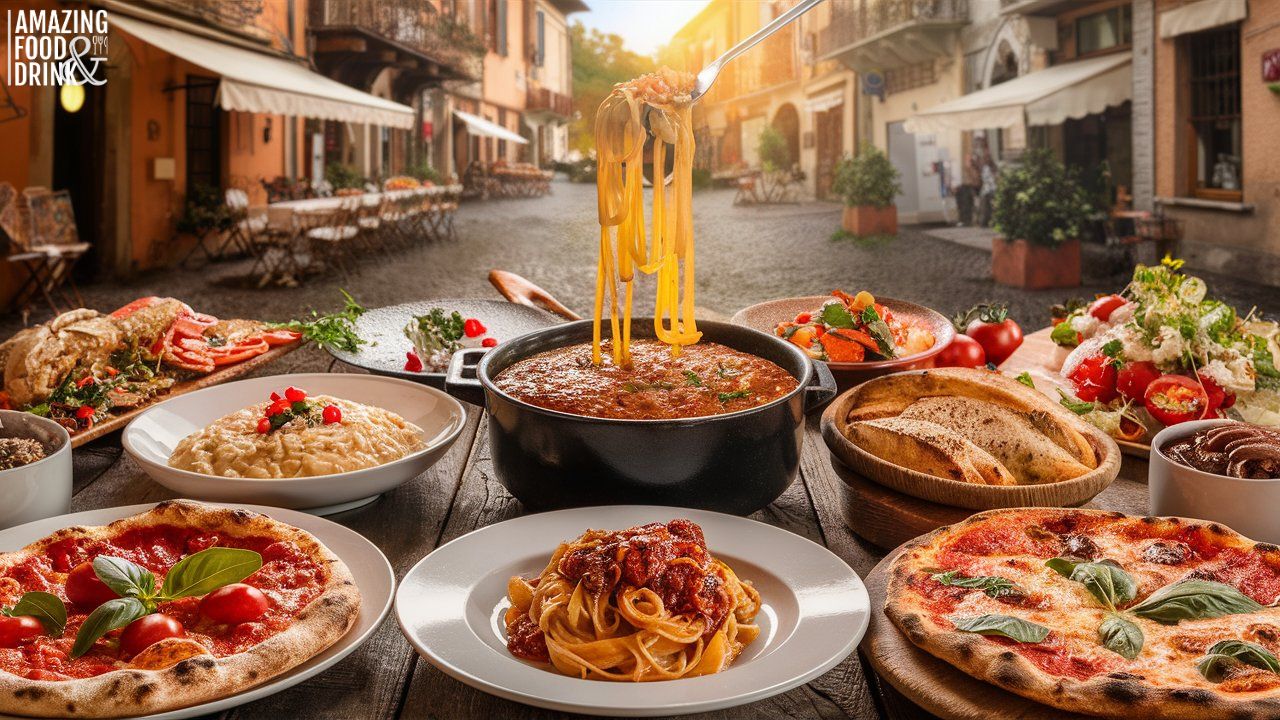
Italy is a treasure trove of culinary diversity, where each region tells a story through its flavors and ingredients. From the rolling hills of Tuscany to the sun-kissed coasts of Sicily, the country’s rich tapestry of cuisine reflects its history, culture, and geography. With over two thousand distinct types of cheese and wide-ranging pasta shapes, Italy’s culinary heritage is as vast as it is delicious.
Each Italian region offers unique dishes and traditions, including:
- Tuscany: Renowned for its rich pasta and hearty meats, Tuscan cuisine emphasizes simplicity and high-quality ingredients. The iconic Ribollita, a thick vegetable soup made with stale bread, reflects the region’s agricultural roots. Meanwhile, Farro, an ancient grain, is often featured in salads and soups, showcasing Tuscany’s commitment to fresh, local fare.
- Sicily: Famous for its use of fresh seafood and vibrant spices, Sicilian food represents a melting pot of cultures. Dishes like Arancini, which are stuffed rice balls, and Caponata, a sweet-sour eggplant mix, reveal the region’s Moorish influences and abundant coastal resources. Saffron from the town of Valle del Belice adds a distinctive flavor to many local specialties.
- Lazio: Home of the iconic Roman dishes like Carbonara, which combines egg, cheese, pork, and black pepper, Lazio prides itself on its hearty fare. Additionally, Saltimbocca alla Romana features thin slices of veal topped with prosciutto and sage, illustrating the emphasis on rich flavors and regional ingredients.
- Campania: Known for its world-class pizza and fresh mozzarella, particularly the celebrated Neapolitan pizza, which is made with simple yet quality ingredients like San Marzano tomatoes and buffallo mozzarella. The region’s devotion to crafting the perfect pizza has earned it UNESCO heritage status, emphasizing the cultural significance of this meal.
This culinary journey is not just about food; it involves:
- Local ingredients, often sourced from nearby farms. The farm-to-table movement is deeply rooted in Italian culture, where seasonal produce reigns supreme, making meals flavorful and environmentally sustainable.
- Traditional cooking techniques handed down through generations. These include pasta-making methods that vary by region and preserve familial heritage, creating connections through culinary practices.
- Cultural celebrations that revolve around seasonal harvests and local festivals. Events such as the Truffle Fair in Alba and the Olive Oil Festivals in various regions celebrate local produce, bringing communities together and inviting outsiders to partake in the festivities.
As Americans increasingly embrace global cuisines, exploring regional Italian dishes opens a door to enriching palates and experiences. Each bite transports you to a different corner of Italy, where flavors still echo the region’s heritage. Italian cuisine serves not only as a feast for the senses but also as a fascinating glimpse into the country’s history and cultural identity. So, prepare to embark on a delightful journey through Italy’s regional cuisines and discover the stories behind each meal!
DIVE DEEPER: Click here to discover more about culinary traditions</p
Diving into Tuscany’s Gastronomic Delights
The flavors of Tuscany are celebrated for their emphasis on fresh, local ingredients and a down-to-earth approach to cooking. Nestled in the heart of Italy, Tuscany’s cuisine centers around the bountiful produce of its hilly landscape. This agricultural wealth is showcased in dishes that conjure images of rustic farms and sun-drenched vineyards. The famed Chianti wine, for example, isn’t just a delightful drink; it serves as a testament to the region’s viticultural richness, perfectly complementing hearty dishes such as pici cacio e pepe, a simple yet flavorful pasta tossed with cheese and pepper.
In addition to staple ingredients like olive oil, beans, and vegetables, each Tuscan town boasts its own culinary specialties, often tied to local traditions and festivals. Wild boar, hunted in the nearby forests, becomes pici cacciatore, a beloved dish that resonates with Tuscans. This focus on seasonal, soul-nurturing foods continues to underpin the region’s gastronomy.
Sicily: A Melting Pot of Flavors
Traveling south to Sicily unveils a vibrant mix of flavors shaped by diverse cultural influences. The island’s close proximity to North Africa has left an indelible mark on its culinary landscape. Sicilian cuisine is characterized by its bold use of spices, memorable ingredients, and fresh seafood. The renowned Sicilian Caponata, a sweet and sour eggplant dish, illustrates the fusion of Arab, Spanish, and Italian cooking styles, presenting a complex palate that attracts those willing to savor new tastes.
Sicily’s sun-kissed landscape yields a variety of fruits and vegetables, making dishes like Frittata di Cipolle, an onion-egg pie, both simple and exceptional. Moreover, the island is famous for its desserts, including cannoli and granita, which are not just treats, but cultural symbols enjoyed by locals and tourists alike. The use of Marsala wine and regional pistachios from Bronte enhance many recipes, showcasing Sicily’s ability to marry sweetness with savory elements.
Regional Distinctions in Lazio and Campania
Moving to Lazio, the heart of Italy’s political life, one cannot overlook traditional Roman dishes that elevate everyday ingredients into exquisite fare. The concept of ‘cucina povera’, or “poor kitchen,” speaks to the heart of Roman cooking, representing frugality and creativity in preparing meals. Iconic dishes like Carbonara and Cacio e Pepe feature minimal ingredients yet deliver abundance in flavor, embodying the essence of Roman culinary philosophy.
In Campania, the birthplace of pizza, gastronomic traditions take a celebratory tone. The world-famous Neapolitan pizza constitutes a dish so revered that its preparation has been recognized by UNESCO as an intangible cultural heritage. The art of crafting this pizza, using San Marzano tomatoes and fior di latte mozzarella, underlines how local ingredients foster pride and authenticity. Moreover, the famous sfogliatella pastry illustrates how Campania’s sweets reflect both technique and tradition, enticing anyone with a sweet tooth.
This culinary exploration across Italy highlights how regional cuisines are not only diverse but also deeply rooted in their geographic and cultural contexts. Each dish, whether it’s the robust flavors of Tuscany, the exotic aromas of Sicily, or the culinary heritage of Lazio and Campania, invites food enthusiasts to embark on a flavor journey rich in history and tradition.
| Culinary Region | Specialties |
|---|---|
| Tuscany | Renowned for Ribollita and Pici pasta, embodying rustic charm. |
| Sicily | Famous for Arancini and Cannoli, highlighting rich flavors and textures. |
| Emilia-Romagna | Home of Bolognese sauce and Parmigiano-Reggiano, showcasing culinary prestige. |
| Campania | Famous for Pizza Napoletana, representing the heart of Italian comfort food. |
Italy’s regional cuisines offer a vivid tapestry woven from ancient traditions and local ingredients. Each area boasts its own distinct flavors and recipes, often reflective of the rich history and culture surrounding them. For instance, in Tuscany, rustic dishes like Ribollita highlight the importance of seasonal vegetables and simple, hearty preparations, while the hand-rolled Pici pasta showcases a commitment to authenticity.Head south to Sicily, where culinary delights such as Arancini (stuffed rice balls) and Cannoli embody the fusion of Arab and Italian influences prevalent throughout the island’s history. This unique cross-cultural exchange has resulted in a cuisine that is both diverse and deeply rooted in tradition.Not to be overlooked, Emilia-Romagna is hailed as the birthplace of some of the most revered staples in Italian cooking, like Bolognese sauce and the unmistakable Parmigiano-Reggiano, both of which elevate the Italian culinary experience to sublime heights. Each dish tells a story, inviting enthusiasts to explore Italy’s complex food heritage.And who could forget Campania, where the world-famous Pizza Napoletana originates? Its rise from humble beginnings has cemented it as a symbol of Italian gastronomic excellence and comfort, transcending borders and cultures alike. This passion for food and tradition from region to region ensures that Italy’s culinary wealth is both a treasure to be preserved and a delight to be shared.
DISCOVER MORE: Click here to learn about culinary identities
The Rich Tapestry of Emilia-Romagna and the Enchantment of Liguria
As we journey north, Emilia-Romagna stands out as a bastion of Italian culinary excellence, often revered as the “breadbasket of Italy.” It is here that culinary traditions thrive, yielding exceptional products like Parmesan cheese, prosciutto di Parma, and balsamic vinegar from Modena, each steeped in generations of craftsmanship. The iconic dish Lasagna alla Bolognese captures the essence of this region; layers of pasta, rich ragù, and béchamel create a symphony of flavors and textures that pay homage to the local ingredients.
Moreover, the region’s vibrant markets offer an abundance of fresh produce, from fragrant herbs to artisanal breads, all reflecting the area’s agricultural bounty. Food festivals, such as the Fiere di Sorbola, celebrate these local delights, attracting food lovers from around the globe and underscoring the importance of community in Emilia-Romagna’s culinary heritage.
The Coastal Treasures of Liguria
Continuing our exploration, Liguria greets visitors with its breathtaking coastline and a cuisine that echoes the Mediterranean’s bounty. Here, simplicity reigns supreme; dishes often revolve around fresh seafood, vibrant vegetables, and fragrant herbs. Pesto alla Genovese, the region’s hallmark sauce made from basil, garlic, pine nuts, and olive oil, reveals how Liguria respects the integrity of its ingredients, enabling each flavor to shine.
The eco-diversity of Liguria means that local dishes are also heavily influenced by the mountainous terrain. The region produces hearty farinata, a chickpea pancake baked in a hot oven, and focaccia, renowned for its airy texture and delightful taste, often topped with rosemary and sea salt. Dining along the Ligurian coast offers a sensory experience; the delightful trofie al pesto pairs exquisitely with a glass of local white wine known as Vermentino, promising to transport diners to sun-kissed shores with each bite.
Exploring the Culinary Heritage of Marche and Abruzzo
Traveling eastward to Marche, the range of flavors expands further with hearty dishes born from its pastoral landscape. The region’s specialties often feature seafood combined with mountain ingredients, illustrating Marche’s position between the sea and the Apennine mountains. One cannot visit without savoring vincisgrassi, a rich lasagna-like dish that highlights the perfect marriage of meat sauce and artisanal pasta, infused with local truffles and herbs.
Meanwhile, Abruzzo brings to the table a rustic charm bolstered by robust flavors. Known for its game meats and artisanal cheeses, Abruzzo’s kitchens offer dishes like arrosticini, skewers of marinated lamb cooked over an open flame—simple yet profoundly satisfying. This region’s culinary pursuits reflect a deep connection to the land, with recipes passed down through generations, turning communal meals into heartfelt celebrations.
The culinary exploration of Italy continues to reveal a wealth of regional diversity that mirrors the country’s rich history and cultural landscapes. Whether it’s the artisanal richness of Emilia-Romagna, the coastal treasures of Liguria, or the rustic charm of Marche and Abruzzo, each region contributes to an extraordinary tapestry that captivates the senses and invites discovery.
DISCOVER MORE: Click here to delve into culinary evolution
Conclusion: A Culinary Voyage Through Italy
The culinary journey through Italy, from the rolling hills of Tuscany to the sun-soaked shores of Sicily, unveils a remarkable and diverse mosaic of flavors, ingredients, and traditions. Each region tells its own story through its cuisine, revealing the profound connection between the land and its people. From the rich pastas of Emilia-Romagna to the delicate seafood dishes of Liguria, the explorations of Italy’s various culinary landscapes showcase the depth of its gastronomic heritage.
The distinct regional specialties highlight Italy’s cultural diversity, influenced by geography, history, and local agricultural practices. In culinary hubs like Marche and Abruzzo, rustic recipes are celebrated for their authenticity and dedication to craftsmanship, while in bustling city markets, like those found in Naples and Palermo, one can experience the vibrant street food scene that brings communities together.
Through this exploration, the wealth of Italy’s regional cuisines stands as a testament to its rich history and the creativity that continues to thrive in kitchens across the country. Each dish brings a taste of its origins, guiding the palate on a memorable journey that encourages food lovers from around the globe to discover, taste, and celebrate Italy’s delightful culinary treasures. The invitation remains open to delve deeper into this world of flavors—because to taste Italy is to experience a culture that profoundly resonates with the heart and soul.