
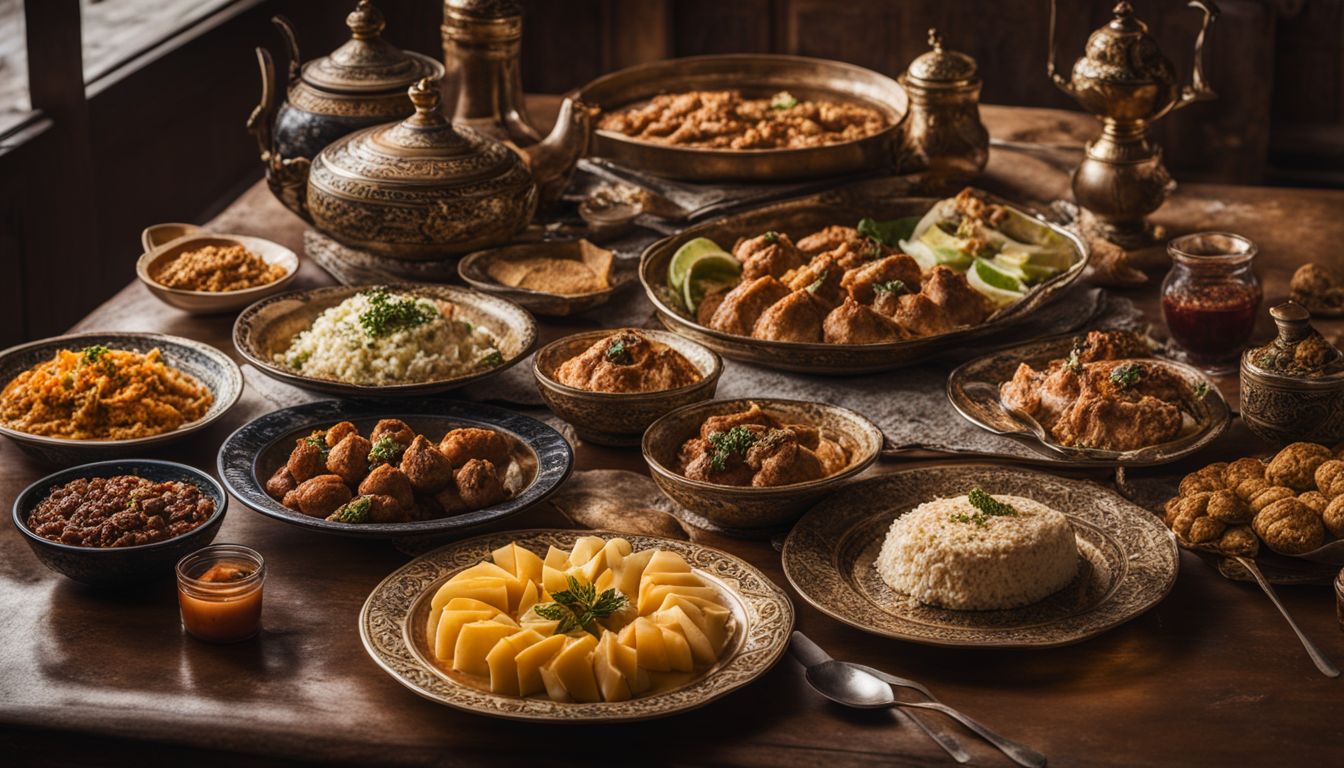
The Art and Science of Searing
The process of searing meats is a time-honored technique that enhances the culinary experience, making it a favorite among both professional chefs and passionate home cooks. At its core, searing involves exposing the meat to high temperatures to develop a flavorful, caramelized crust while sealing in the natural juices. This transformative method has the power to elevate even the most basic cuts into mouthwatering masterpieces.
When discussing the advantages of searing, several key benefits come to the forefront. The first and foremost is preservation of juices. By quickly cooking the surface of the meat, the heat creates an outer layer that effectively traps moisture inside. This means that when you cut into a beautifully seared steak, the succulent juices flow rather than spill out onto the plate.
In addition to moisture retention, searing also facilitates flavor enhancement. The Maillard reaction, a chemical reaction that occurs between amino acids and sugars when exposed to high heat, plays a significant role in developing rich, complex flavors that tantalize the palate. For example, a quick sear on a pork chop not only brings a subtle sweetness to the meat but also introduces savory notes that make each bite unforgettable.
Beyond flavor, there is also the aesthetic appeal. A golden-brown crust is visually inviting, making the food more appetizing and enticing. This presentation is important in both home dining and more formal culinary settings, where the look of the dish contributes to the overall dining experience. A well-seared piece of meat can serve as the centerpiece of a meal, conveying skill and care in its preparation.
Exploring Searing Techniques
Understanding the various methods of searing can significantly expand your culinary repertoire. Traditional stovetop methods typically involve preheating a cast-iron skillet or heavy pan until it is smoking hot, followed by adding a little oil before placing the meat in the pan. This approach works particularly well for thick cuts of meat like ribeye or filet mignon.
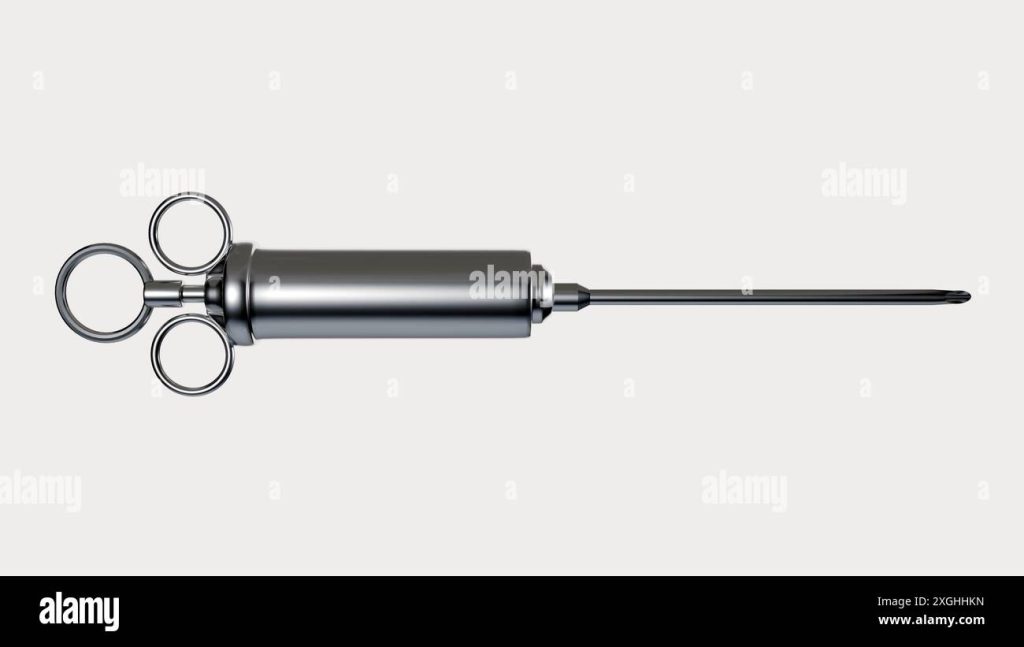
For those with access to modern technology, sous-vide cooking combined with a sear can yield spectacular results. Cooking the meat in a water bath at a controlled temperature ensures that it reaches the desired doneness throughout before finishing it off with a quick sear on a hot grill or frying pan. This technique not only guarantees perfect cooking but also maintains the tenderness that many strive for.
As you embark on your journey to perfect the art of searing, consider experimenting with different cuts of meat and marinating them with herbs, spices, or acidic ingredients like citrus juices or vinegar. Each combination can provide unique flavors and enhance the final result. Additionally, have on hand some essential tools, such as a reliable meat thermometer and high-quality cooking oil, to ensure that you achieve the best results consistently.
Mastering the art of searing is more than just a cooking technique; it is a way to engage with food and bring out its inherent qualities. With every sear, you not only unlock the flavors ingrained in the meat but also create a richer dining experience for those around you. So, fill your kitchen with the delectable aromas of searing, and let your culinary adventure begin.
DIVE DEEPER: Click here to discover the cultural roots of traditional recipes
Unlocking the Magic of Searing Techniques
The journey into the world of searing techniques opens up a plethora of options that can dramatically enhance your culinary creations. Knowing how to properly sear meat is not only essential for achieving optimal flavor but also an art form that requires practice and understanding. As you delve deeper into this cooking method, it’s important to explore the different techniques and factors that contribute to successful searing.
One of the primary elements in mastering the art of searing is understanding heat management. Achieving the right temperature is crucial; too low, and you end up with a grey, unappetizing exterior; too high, and you risk burning the meat before it cooks through. A sweet spot of around 400°F to 450°F is often ideal for most meats, ensuring that the surface caramelizes while the interior cooks to juicy perfection. Investing in a high-quality skillet, such as cast iron or stainless steel, allows for even heat distribution, which is essential for achieving the best results.
Another key aspect is the choice of cooking oil. Not all oils can withstand high temperatures without smoking. For best results, opt for oils with a high smoke point like canola, grapeseed, or avocado oil. These oils not only resist burning but also allow for the perfect sear. When using the correct oil and technique, you’ll notice that a beautiful sear not only enhances flavor but provides an irresistible texture that keeps diners coming back for more.
Essential Searing Techniques
As you work to perfect your searing skills, consider incorporating the following techniques into your culinary repertoire:
- Pan-Searing: This foundational method involves heating your pan until it is very hot, adding oil, and then placing your seasoned meat directly onto the surface. Flip only once to form a crust while maintaining juices.
- Grilling: Grilling adds a unique smoky flavor while searing. Preheat your grill and use direct heat to achieve impressive grill marks while sealing in moisture.
- Oven-Sealing: For larger cuts, consider starting with a sear on the stovetop followed by finishing in the oven. This combination helps to fully cook the meat while keeping the outside nice and crisp.
- Reverse Searing: Perfect for thick cuts, this method involves slow-cooking the meat at low temperatures first, then finishing with a high-heat sear to develop that coveted crust.
The incorporation of these varied searing methods can significantly impact both the flavor and texture of the dish, allowing you to get creative in the kitchen. Each technique has its unique advantages, and as you experiment, you may find that certain methods work better for different types of meat or personal preferences.
With the right knowledge, practice, and tools, searing techniques can transform ordinary meals into extraordinary culinary experiences. Unlock the full potential of your cuts by embarking on this delicious journey toward becoming a master of searing.
| Advantage | Description |
|---|---|
| Enhanced Flavor Sealing | Searing creates a flavorful crust, trapping essential juices within the meat. |
| Moisture Retention | Achieving a good sear can significantly reduce moisture loss during cooking. |
| Improved Texture | Searing provides a contrast of textures, making each bite more enjoyable. |
| Color Appeal | The caramelization of proteins and sugars creates an appetizing golden-brown crust. |
Exploring searing techniques is essential for culinary enthusiasts aiming to enhance their dishes. The process of searing not only boosts flavor but also contributes to the overall dining experience by offering a delightful textural contrast. When discussing searing, it’s important to note that achieving an optimal temperature is crucial to initiate the Maillard reaction, which brings out complex flavors that will intrigue any palate. At its core, searing is more than just a cooking technique; it’s an art form that elevates basic cuts of meat into gourmet experiences. Whether grilling or pan-searing, the science behind the technique allows for a delicious crust that seals in moisture and flavor, resulting in tender, juicy meat on the inside. This process not only satisfies taste buds but also prepares a visually stunning dish that is sure to impress. With the right approach to searing, cooks can discover an array of possibilities in enhancing their meals.
DISCOVER MORE: Click here to learn about seasonal recipes
Advanced Searing Techniques for Culinary Enthusiasts
As you deepen your exploration of searing techniques, integrating advanced methods can significantly influence both taste and presentation. One strategy gaining popularity among chefs and home cooks alike is the use of aromatics during the searing process. Incorporating fresh herbs, garlic, or even citrus peels can elevate the flavor profile of your meats. Adding these ingredients to the pan shortly before the meat is finished searing allows their natural oils to infuse into the meat, creating a symphony of taste that resonates with each bite.
Another noteworthy approach is the dry brining method. This technique involves salting the meat and letting it rest for a few hours (or even overnight) before searing. The salt draws moisture out initially, but then the meat reabsorbs it back in, enhancing flavor and juiciness. The added benefit of dry brining is that it helps the surface become drier, leading to an improved sear. This technique is particularly effective with proteins such as pork chops or steak, resulting in a delicious crust that contrasts beautifully with the tender inside.
The Science Behind Searing
Understanding the Maillard reaction is key to mastering searing techniques. This complex chemical reaction occurs when proteins and sugars in the meat are exposed to high heat, leading to the development of rich, complex flavors and a desirable crust. Factors such as cooking time, temperature, and even the cut of meat can influence this reaction. Thicker cuts of meat, for example, require longer cooking times to reach that ideal internal temperature, allowing for a more pronounced Maillard effect.
Temperature management does not only apply to external heat sources; it also pertains to the meat itself. Allowing your meat to come to room temperature before searing can prevent temperature shock when it hits the hot pan, which could lead to a less favorable texture. This practice is particularly important for larger cuts of meat, such as brisket or whole chickens, where a gradual heating process ensures evenly cooked, succulent results.
Complementing Searing with Basting
Another technique worth mentioning is basting, which involves spooning fat (typically butter or rendered fat) over the meat during the searing process. This enriches the flavors and adds moisture to the surface as it cooks, resulting in a beautifully caramelized exterior. Basting is often employed in conjunction with aromatics, creating a delicious layer of flavor that permeates the meat. This technique elevates dishes such as steak or chicken, showcasing not only the chef’s skill but also enhancing the overall dining experience.
Experimenting with different cuts of meat also broadens the scope of what can be achieved through searing. Tender cuts like filet mignon benefit from quick searing, while tougher cuts like chuck roast shine with a longer cooking time. Additionally, reverse-searing larger cuts not only creates an impressive crust but ensures even cooking, maximizing both flavor and juiciness.
Incorporating these advanced searing techniques into your cooking arsenal allows you to delve deeper into the art of flavorful meat preparation. As you experiment with different methods, you will not only refine your skills but also develop an understanding of how to manipulate flavors and textures to create impeccable dishes that truly captivate the palate.
DISCOVER MORE: Click here to explore the rich flavors
Conclusion
Mastering searing techniques is an invaluable asset for anyone looking to enhance their culinary repertoire. The transformative power of a perfect sear goes beyond merely creating a visually appealing dish; it plays a crucial role in sealing meats, thereby preserving their juices and unlocking intensified flavors. By employing methods such as dry brining, you can significantly improve the texture and taste of your protein, while integrating aromatics and techniques like basting elevates the experience to new heights.
Understanding the science behind searing, particularly the intricacies of the Maillard reaction, provides cooks with the knowledge to skillfully manipulate cooking times and temperatures for optimal results. Whether you are searing steaks with a crisp crust or slowly developing flavors in tougher cuts, tailoring your approach can yield succulent and unforgettable meals. Moreover, the opportunity to experiment with various cuts opens the door to endless culinary creativity, making each dish uniquely yours.
As you delve deeper into the world of searing, remember that the journey is just as rewarding as the destination. Each technique you master builds upon the last, enriching your understanding of flavor and texture. Continue to explore, innovate, and enjoy the process, and you’ll find that the art of searing not only enhances your dishes but also deepens your love for cooking itself.