
The Art and Science of Blanching
In the culinary world, methods of preparation can define the outcome of a dish, and blanching stands out as a transformative technique. Although it may seem straightforward—boiling fruits or vegetables followed by a quick plunge into ice water—this process offers far-reaching benefits that elevate cooking beyond the ordinary. Blanching is not just about cooking; it’s an intricate dance of heat and cold that enhances both the aesthetic and nutritional value of ingredients.
Key Benefits of Blanching
- Color Preservation: One of the most immediate benefits of blanching is its ability to maintain the vibrant colors of vegetables. For instance, the brilliant green of broccoli or the deep red of bell peppers can be diminished by prolonged cooking, resulting in a muted appearance. Blanching halts enzymatic reactions that lead to color degradation, ensuring that your dishes are visually appealing and appetizing. Think of a fresh vegetable platter: bright colors immediately draw the eye and make a dish more inviting.
- Improved Texture: Blanching strikes a balance between tenderness and crunch. When done correctly, vegetables like asparagus or snap peas become tender yet retain a satisfying bite. This technique is perfect for creating a delightful contrast in textures when added to salads or stir-fries. The rapid cooking followed by ice bathing locks in that crispness, making your meals not only tastier but also more enjoyable to eat.
- Nutrient Retention: Health-conscious cooks will appreciate that blanching is a low-cooking method that minimizes nutrient loss. In just a minute or two of boiling, followed by cooling, essential vitamins such as Vitamin C and folate are preserved more effectively than through extended cooking methods. For instance, when blanching spinach, you not only keep its bright green color but also ensure that it’s packed with nutrients, making it a powerhouse addition to dishes like salads and pasta.
Blanching is often utilized in various culinary traditions, from preparing crisp green beans for a classic American Thanksgiving dinner to the Italian method of peeling tomatoes efficiently for sauces. In the United States, this technique is frequently found in home kitchens and professional establishments alike, showcasing its versatility across different cuisines.
As you consider incorporating blanching into your cooking repertoire, imagine the possibilities it offers. Whether you’re prepping vegetables for freezing, creating a stunning crudité platter for a gathering, or simply upgrading your everyday family meals, mastering this method can significantly enhance the quality of your dishes. Ready to put on your apron and discover the myriad ways blanching can add finesse to your culinary artistry? The journey into the depths of flavor and texture awaits!
DISCOVER MORE: Click here to delve into the rich tapestry of Latin American cuisine
Understanding the Blanching Process
Blanching may appear deceptively simple, yet its execution involves a keen awareness of timing and temperature. The technique typically consists of two distinct stages: first, the brief immersion of ingredients in boiling water, followed by an immediate transfer to ice water. This quick two-step process is pivotal, as it prevents the overcooking of the ingredients, allowing their natural flavors and textures to shine through. Understanding the science behind blanching not only equips cooks with the skill to achieve stunning results, but it also underscores the importance of precision in the kitchen.
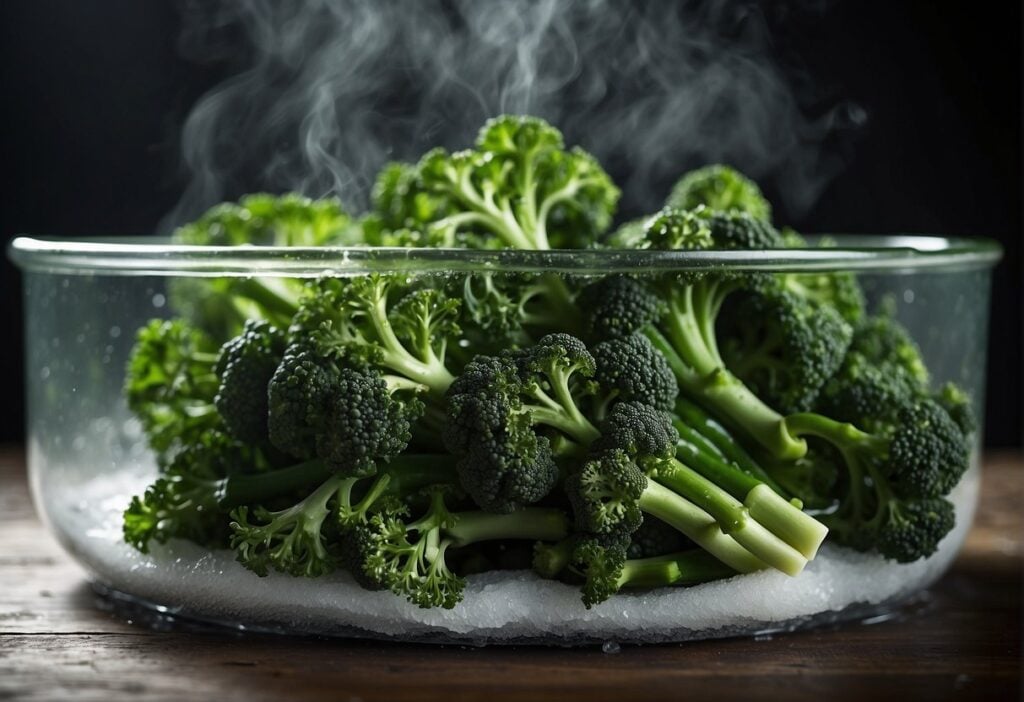
The Science Behind Blanching
When vegetables are introduced to boiling water, heat travels into them, initiating the cooking process. However, the key to successful blanching lies in timing. A typical blanching duration ranges from 30 seconds to three minutes, depending on the type and size of the vegetable. For example, small items like peas can be blanched for just 30 seconds, while larger pieces of carrots may require a full minute or more to reach the desired level of tenderness. The goal is to heat the vegetable sufficiently to deactivate enzymes that cause nutrient degradation and color loss, but not so long that it becomes mushy.
Once cooked, the ingredients are swiftly transferred to an ice bath—a bowl filled with ice and cold water. This sudden temperature shock halts the cooking process, locking in the desirable characteristics achieved in the hot water. By immediately cooling the vegetables, chefs can maintain that perfect balance of tenderness and crunch that can elevate many meals.
Choosing the Right Ingredients for Blanching
Not all ingredients benefit equally from blanching. Certain vegetables and fruits thrive under this treatment, while others might not showcase their full potential. Here’s a shortlist of popular blanching candidates:
- Green Vegetables: Broccoli, green beans, and asparagus are ideal for blanching due to their vibrant colors and crisp textures.
- Fruits: Peaches and tomatoes can be blanched to facilitate easy peeling without losing their essence.
- Hardy Vegetables: Carrots and bell peppers are great options, as their natural sweetness is highlighted post-blanching.
- Leafy Greens: Spinach and kale benefit from a quick blanch to soften their fibrous texture without compromising flavor.
By expanding your understanding of which ingredients undergo a magical transformation when blanched, you’ll not only enhance your cooking repertoire but also bring more color and nutrition to your table. As you experiment with blanching, consider the array of textures and visuals you can achieve, and prepare for a culinary adventure that harmonizes art and science.
| Advantage | Description |
|---|---|
| Enhanced Color Retention | Blanching helps lock in natural colors, making vegetables vibrant and appealing. |
| Improved Texture | This technique softens the ingredients, resulting in better bite and mouthfeel. |
| Enzyme Inactivation | Blanching halts enzymes that can lead to spoilage and loss of quality. |
| Flavor Enhancement | A quick blanch can brighten flavors and prepare foods for seasoning. |
As we delve deeper into the subject of blanching, it becomes apparent that this technique not only serves aesthetic purposes but also plays a vital role in food preservation and culinary practices. Enhanced color retention is particularly striking, as fresh vegetables burst with color, making dishes more appetizing and visually appealing.Moreover, the improved texture attained through blanching provides a delicious mouthfeel that elevates the entire dish. Blanching effectively inactivates enzymes that would otherwise compromise the quality and flavor of the ingredients. This makes it particularly important in meal prep and food storage, extending the freshness of your produce.Equally fascinating is the flavor enhancement that blanching offers. By briefly cooking the ingredients, you pave the way for the seasoning to lock in and stand out, making each bite a savory experience. This technique is a critical step for chefs and home cooks alike, emphasizing the fundamental importance of blanching in achieving culinary excellence.
DISCOVER MORE: Click here to elevate your grilling skills
Maximizing Flavor Through Blanching
One of the most overlooked benefits of blanching is its power to enhance flavor. Blanching not only preserves color and texture but can also intensify the natural sweetness and taste of various ingredients. This transformation occurs because blanching can deactivate bitter compounds while concentrating other flavors that make ingredients shine.
The Role of Blanching in Meal Prep
In today’s fast-paced world, efficiency in meal prep has become crucial. Blanching serves as an invaluable technique within this context. By pre-cooking vegetables and fruits through blanching, home cooks can streamline the cooking process on busy weeknights. For instance, pre-blanched carrots and broccoli can be stored in the fridge and quickly sautéed or added to stir-fries, minimizing the time spent in the kitchen without sacrificing flavor or nutrition.
Additionally, blanching creates an opportunity for ingredient versatility. With blanched vegetables, you can easily incorporate them into a wide range of dishes. Whether tossing blanched asparagus in pasta, folding spinach into an omelet, or mixing green beans into a salad, the options for utilizing these brilliantly colored and textured ingredients are endless. This versatility not only enhances your meals but also expands your culinary creativity.
A Boost for Freezing and Storage
Blanching is also a crucial step when it comes to preserving produce for future use, particularly if you want to freeze seasonal ingredients. The blanching process effectively halts the activity of enzymes that lead to spoilage, maintaining both the flavor and nutritional profile of frozen fruits and vegetables. For example, blanching and freezing green beans allows you to enjoy their bright green hue and fresh taste even in the depths of winter when they are out of season. Properly blanched and frozen, they can retain their quality for months, rendering them a staple in your winter pantry.
Researchers indicate that blanched and frozen vegetables can retain as much as 80% of their nutrients, making them a practical choice for health-conscious consumers. This means that whether you are blanching fresh produce for immediate use or prepping it for long-term storage, you can be confident in knowing you’re preserving essential vitamins and minerals.
Blanching Across Different Cuisines
Exploring the global culinary landscape reveals that blanching is a universally practiced technique, celebrated across various cultures. In Asian cuisines, for instance, blanching is essential for preparing ingredients like bok choy and napa cabbage, ensuring that they retain their vibrant colors that contrast beautifully against richer dishes. French cuisine, on the other hand, often utilizes blanching to prepare vegetables for salads or to create smooth, velvety purées without compromising flavor.
Understanding how blanching fits into different culinary traditions offers an exciting opportunity to experiment with textures and presentations that reflect international influences. This technique not only allows for the optimal preparation of ingredients but also encourages culinary exploration and innovation in your home kitchen.
DIVE DEEPER: Click here to uncover more about culinary traditions</p
Conclusion: Mastering Blanching for Culinary Excellence
In summary, the power of blanching extends far beyond merely cooking ingredients; it is a transformative technique that elevates flavor, preserves nutritional value, and enhances the visual appeal of your dishes. By understanding the science behind blanching, home cooks can maximize the natural sweetness of vegetables while eliminating bitterness, creating an improved taste experience. With the fast-paced lifestyle that many individuals lead today, incorporating blanching into meal prep not only saves time but also opens up a realm of versatility in the kitchen.
Additionally, blanching plays a pivotal role in storing seasonal produce, rendering it an essential practice for those looking to maintain quality year-round. The ability to freeze blanched vegetables while retaining up to 80% of their nutrients ensures you can enjoy vibrant, flavorful meals even in the off-season. Moreover, the global embrace of blanching across various cuisines showcases its adaptability, inspiring culinary creativity and experimentation.
As you embark on your culinary journey, consider embracing blanching as a foundational technique in your repertoire. Whether you’re preparing a simple salad, a comforting stir-fry, or preserving the bounty of your garden, remember that this powerful method holds the key to perfect texture and color, enriching not only your meals but also your cooking experience. Dive deeper into this art and watch as your kitchen transforms into a vibrant canvas of fresh, flavorful ingredients.