
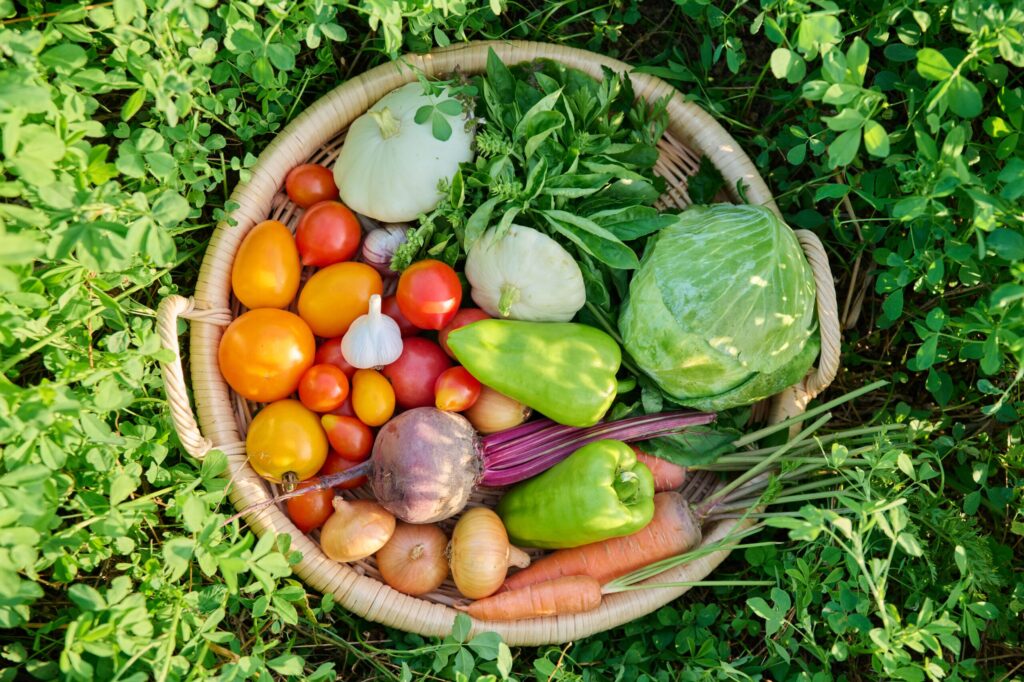
Unleashing Flavor with Fresh Herbs
Across the globe, spices and herbs have been essential in the culinary arts, not merely for their flavor, but also for their ability to evoke emotions and memories associated with home-cooked meals. The introduction of fresh herbs into your dishes can elevate everyday cooking, transforming simple ingredients into delectable creations. The key is to master the art of enhancing rather than overpowering existing flavors in your recipes.
Here are a few practical and exciting ways to incorporate fresh herbs into your cooking:
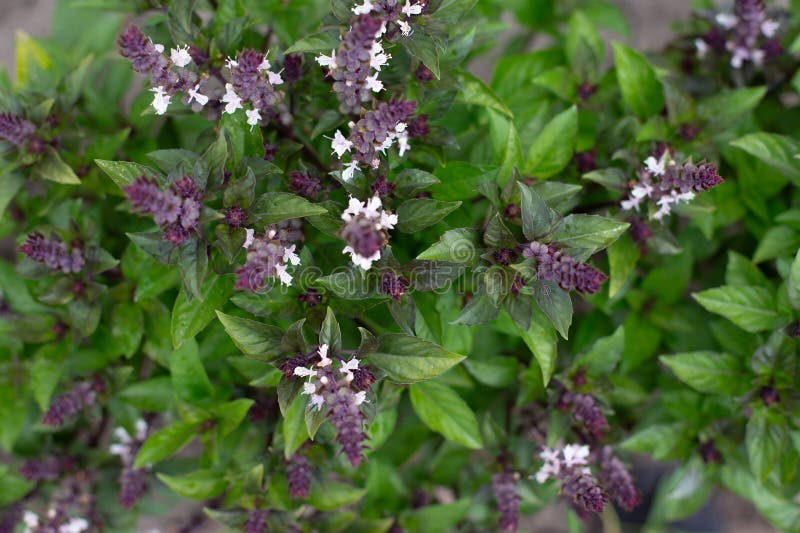
- Basil: This aromatic herb is a staple in Italian cuisine. Adding fresh basil to a tomato sauce not only adds a layer of freshness but also enhances the overall flavor profile of the dish. For an interesting twist, try incorporating basil into your pesto for a truly vibrant sauce that can accompany pasta or act as a delicious spread on sandwiches.
- Cilantro: Known for its bright and zesty flavor, cilantro can liven up a variety of dishes, particularly in Mexican and Asian cuisines. Sprinkle some chopped cilantro over tacos, or mix it into fresh salsa to create a burst of flavor that complements the spices wonderfully.
- Thyme: With its robust and earthy taste, thyme works beautifully with roasted meats and vegetables. Infuse some fresh thyme into your roasted chicken or mixed veggies for a fragrant aroma that will tantalize your taste buds. It pairs exceptionally well with potatoes and enhances the simplicity of roasted root vegetables.
Beyond enhancing flavor, incorporating fresh herbs introduces vibrant colors and textures to your meals. They are also nutrient-rich, offering health benefits such as antioxidants and anti-inflammatory properties. Fresh herbs can improve digestion and bolster the immune system, making them an excellent addition to your diet.
Getting to know how to create a harmonious balance with herbs is a culinary adventure in itself. Experimenting with combinations, such as rosemary and garlic in marinades or dill in creamy dressings, can yield delightful results. As you become more comfortable with using fresh herbs, consider growing a small herb garden in your kitchen or backyard. Not only does this provide easy access to fresh ingredients at any time, but it also encourages a deeper connection with the culinary process.
Join us as we delve into practical tips and delightful recipes that will inspire you to utilize the fresh herbs in your kitchen. Whether you’re planning a cozy family dinner or a festive gathering with friends, discover how simple adjustments can elevate familiar flavors and leave a lasting impression on your guests.
DIVE DEEPER: Click here to learn more
Fresh Herbs: A Flavorful Transformation
In the world of culinary arts, the impact of fresh herbs in traditional recipes cannot be overstated. By introducing these vibrant ingredients, we can not only enhance the flavor but also evoke emotions associated with our cherished meals. One of the first steps in unleashing the magic of spices is understanding the unique characteristics of each herb and how they can complement various dishes. The following suggestions will guide you through the essential herbs and explore creative ways to integrate them into your cooking repertoire.
Understanding Culinary Pairings
Every herb has its own personality, which can influence how it interacts with other ingredients in a recipe. Familiarizing yourself with these relationships can enhance your culinary experience. Here are some classic combinations that stand the test of time:
- Oregano: This herb is a staple in Mediterranean cuisine and pairs exceptionally well with tomatoes. Whether in marinades, pizza sauces, or slow-cooked stews, its earthy flavor provides depth to the dishes.
- Mint: Known for its fresh and cool taste, mint invigorates many dishes, particularly in Middle Eastern and Greek cuisines. Consider adding it to yogurt for a refreshing sauce or tossing it in a fruit salad for a lively touch.
- Sage: With its strong aroma and bold flavor, sage is an excellent match for rich dishes. It beautifully complements fatty meats such as pork and poultry, as well as hearty soups and sauces, providing a layer of flavor that is both comforting and satisfying.
When incorporating these herbs into your meals, it’s essential to consider the timing of their addition. Fresh herbs lose their vibrant essence when cooked for too long, so aim to add them toward the end of cooking. This approach captures their natural oils and brightens the dish without overwhelming the palate.
Exploring Global Cuisines
While fresh herbs are prevalent in various culinary traditions, each culture showcases them differently, offering an opportunity for exploration and creativity in your kitchen. For example, Thai cuisine prominently features herbs like basil, lemongrass, and kaffir lime leaves, creating bold and aromatic flavors. Experimenting with a Thai basil in stir-fries or soups can provide an exciting twist on familiar dishes.
Similarly, in Indian cooking, fresh herbs such as cilantro and mint are used in chutneys and garnishes, adding freshness and vibrancy. Influenced by the region’s spices, their inclusion can elevate a simple curry or serve as a refreshing side to balance richer flavors. Thus, by embracing seasonal and locally available herbs, you can easily adapt traditional recipes and create exciting new dishes.
By understanding the various characteristics of fresh herbs and their pairings, you can create a harmonious balance in your meals. As cooking becomes a personal journey, exploring the diverse world of herbs can expand your culinary horizons, inspiring you to elevate traditional favorites with a fresh twist.
| Herb Varieties | Culinary Uses |
|---|---|
| Basil | Excellent for enhancing flavors in sauces and pesto, adding depth to Italian dishes. |
| Cilantro | Brings a lively and fresh zest to salsas and Asian cuisine. |
| Parsley | Perfect as a garnish, it can also elevate flavors in soups and salads. |
| Thyme | Ideal for braised dishes, enhancing the aroma and taste of meats and vegetables. |
When incorporating fresh herbs into traditional recipes, it is essential to select the right herb variety that will complement the dish you are preparing. For instance, adding fresh basil to a classic tomato sauce or using cilantro in a traditional ceviche can significantly enhance flavor profiles. Texture and freshness from herbs can transform an ordinary meal into an extraordinary culinary experience. Moreover, understanding how to utilize each herb is key; the manner of preparation—be it chopped, torn, or whole—will influence the depth of flavor in your dishes. Not only do fresh herbs promote a connection with seasonal eating, but they also introduce unique aromas and tastes that allow you to explore culinary diversity. Incorporating herbs invites a sensory experience, urging you to appreciate the richness of flavor that fresh ingredients offer in traditional cuisines.
DIVE DEEPER: Click here to discover family recipes
Creative Uses for Fresh Herbs in Everyday Cooking
Incorporating fresh herbs into traditional recipes opens up a world of flavor possibilities. While adding herbs to main dishes is common, there are many inventive ways to use them that can transform your culinary experience. Consider these creative uses as you embark on a flavorful journey.
Herb-Infused Oils and Butters
One of the simplest yet most effective ways to harness the power of fresh herbs is by creating herb-infused oils or butters. Infusing oils with herbs like rosemary, basil, or thyme not only adds a burst of flavor but also enhances the visual appeal of dishes. To make herb-infused oil, simply combine your favorite fresh herbs with olive oil and let it steep for several hours. This oil can then be drizzled over grilled vegetables, salads, or pasta dishes, serving as a sophisticated finishing touch.
Similarly, preparing herb butter by blending softened butter with minced fresh herbs (such as dill or parsley) can elevate everything from corn on the cob to grilled meats. Shape the herb butter into a log, wrap it in parchment paper, and refrigerate it for easy use whenever you want to add a creamy, flavorful layer to your meals.
Herbs in Marinades and Dressings
Marinades and salad dressings are another area where fresh herbs can shine. Utilizing herbs as a key ingredient can impart a unique flavor to proteins and vegetables. For instance, a marinade made with fresh coriander, lime juice, and garlic can create a refreshing twist for chicken or fish tacos, bringing your dish to life with glowing aromas and vibrant taste.
When making salad dressings, consider blending fresh herbs like basil or chives with vinegar, oil, and a touch of sweetness for a light and zesty accompaniment. A basil vinaigrette, for example, can elevate a simple caprese salad to new heights, allowing the fresh ingredients to harmonize beautifully.
Herbs in Baking and Desserts
Surprisingly, fresh herbs can also play a role in baking and desserts, providing unexpected flavor profiles that entice your palate. Herbs like lavender, mint, and rosemary can be infused into baked goods, imparting a delightful aroma and taste. Lavender shortbread cookies are an elegant option, where the floral notes of lavender enhance the buttery delight of the cookie base, creating a gourmet experience.
In addition, consider adding fresh mint to chocolate desserts or using rosemary in savory scones for an adventurous combination. The duality of these flavors not only stimulates the taste buds but also showcases the versatility of herbs in culinary applications.
Herb-Based Soups and Broths
Fresh herbs can also form the backbone of soups and broths. Incorporating herbs such as thyme, bay leaves, and parsley while slow-cooking stocks or soups infuses the base with layers of flavor. A classic example is the use of dill in a comforting chicken noodle soup, where it enhances the nostalgic feel of the dish and brings a fresh dimension to each spoonful.
Consider using a variety of herbs from your local farmer’s market, as seasonal herbs can alter the flavor profile of your broth dramatically, providing an opportunity to experiment with local ingredients and rejuvenate time-honored recipes.
Through these creative uses of fresh herbs, you can easily reimagine traditional recipes and develop new favorites that embrace a spectrum of flavors, enhancing both the visuals and taste of your culinary creations. Each dish becomes an opportunity to explore the magic of fresh herbs and savor an enriched gastronomic experience.
DISCOVER MORE: Click here for authentic recipes and cultural insights
Conclusion
In essence, the culinary world thrives on innovation, and incorporating fresh herbs into traditional recipes is a delightful way to elevate your cooking. By exploring the magic of spices, you can transform simple dishes into extraordinary flavor experiences. The versatility of fresh herbs, from rosemary-infused oils to vibrant marinades, offers countless opportunities to personalize and enhance your meals.
As you venture into the realm of cooking with fresh herbs, consider the regional ingredients available in your area, allowing for a deeper connection to local culinary practices. This connection not only enriches your dishes but can also foster a sense of community as you share your discoveries with others. Pairing herbs with seasonal produce can lead to unexpected combinations that delight the senses and introduce new flavor profiles.
Furthermore, don’t hesitate to experiment with herbs in less conventional forms, such as desserts or beverages, showcasing their adaptability and potential to surprise. The world of herbs is vast and inviting, encouraging culinary exploration that celebrates creativity. Armed with the knowledge gained from this article, you are well-equipped to embark on a flavor journey that honors tradition while embracing the freshness and vibrancy with which herbs can infuse your cooking.
Incorporating fresh herbs into your cooking not only amplifies the taste of your dishes but also brings a richer visual appeal and aromatic complexity. So, dive into the kitchen with a handful of fresh herbs and unlock the full potential of your recipes. The magic of spices awaits, and your culinary adventure has only just begun.