
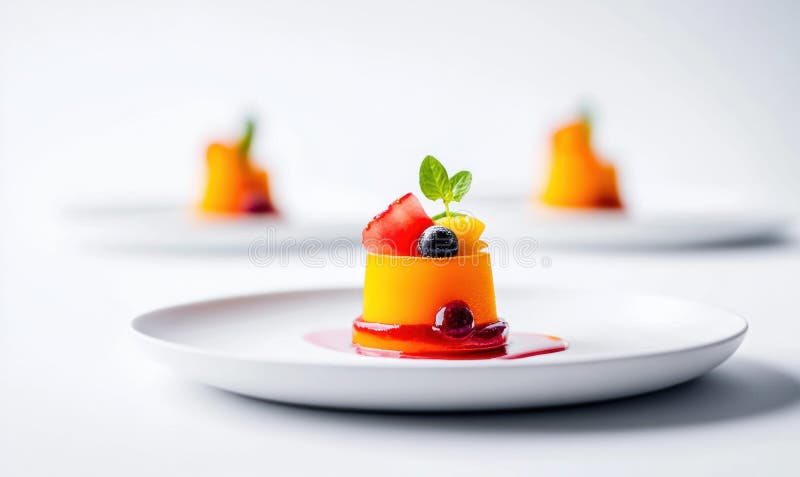
The Art and Science of Flavor Integration
Flavor is not merely a component of food; it is the heartbeat of culinary artistry. It dictates our experience of a dish, engages our senses, and leaves a lasting impression. In the realm of high gastronomy, the challenge extends beyond the excellence of individual ingredients; it demands a seamless integration of flavors that can transform a simple dish into a memorable culinary experience.
Creative chefs employ an array of techniques to craft dishes that resonate with harmonious flavors. Understanding key elements is crucial for achieving this culinary symphony:
- Balance: This involves achieving an equilibrium between sweet, salty, bitter, and sour flavors. A good example is a classic vinaigrette, where the sharpness of vinegar is moderated by the sweetness from sugar or honey, creating a dressing that enhances salads without overpowering them.
- Contrast: Using contrasting flavors adds depth and complexity to a dish. A perfect illustration is the pairing of rich, fatty meats with acidic elements, like the sharpness of pickled vegetables, which refreshes the palate and enhances the overall taste profile.
- Complementarity: This principle involves selecting ingredients that naturally enhance each other’s flavors. For instance, the aromatic spices in a curry release flavors that enrich the creamy coconut milk, creating layers of intricate taste delight.
In high-end culinary circles, iconic dishes serve as superb examples of these principles at work. Consider:
- Duck à l’Orange: This classic French dish features savory duck underscored by the bright acidity of orange sauce, achieving a beautiful balance where both flavors shine.
- Chocolate Mole: A dish deeply rooted in Mexican cuisine, offering the deep richness of chocolate harmonized with the heat of chiles and warmth of spices. Such a combination not only tantalizes the taste buds but also showcases the intricacies of flavor integration.
- Sour Cream and Caviar: This luxurious pairing combines the creamy textures of sour cream and the brininess of caviar, creating a sophisticated starter that exemplifies complementarity.
Through the meticulous process of combining diverse ingredients, chefs can generate flavors that not only excite the palate but also evoke a spectrum of sensations and emotions. The intricate dance of flavors is essential for anyone pursuing to elevate their culinary skills. Whether by experimenting at home or attending workshops, aspiring chefs can deepen their understanding of flavor harmony, ultimately enriching their culinary repertoire and their guests’ dining experiences. Investigating these flavor dynamics can lead to a greater appreciation of gastronomy as an art form and encourage adventurous exploration in one’s cooking journey.
DIVE DEEPER: Click here to discover the science behind flavor profiles</
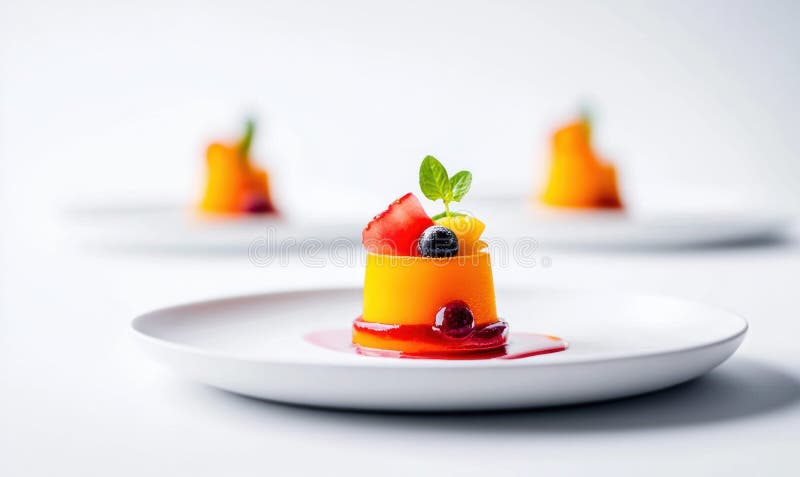
Key Techniques for Flavor Harmonization
To master the art of flavor integration in high gastronomy, one must understand several key techniques that serve as the foundation for creating remarkable dishes. Chefs around the world leverage these methods to enhance the dining experience, ensuring that each bite unfolds a layered narrative of taste. Here are some pivotal techniques that can inspire both novice and seasoned cooks:
- Infusion: This technique involves steeping ingredients in a liquid to extract their flavors. Infused oils, such as garlic-infused olive oil, can imbue a dish with a remarkable depth without overwhelming other components. Chefs might use this method to create dressings or marinades that carry a subtle yet distinct character.
- Emulsion: Emulsifying liquids, such as combining oil and vinegar, can result in a luxurious texture that adheres beautifully to other ingredients. Classic examples include mayonnaise or vinaigrettes, where the marriage of fat and acid produces an exciting flavor journey that balances richness with brightness.
- Aging and Fermentation: Techniques such as aging meats or fermenting vegetables are deeply cherished for their ability to develop complex flavors over time. Items like kimchi or aged balsamic vinegar introduce a robust umami element that transforms culinary offerings, allowing for a sophisticated exploration of taste.
- Seasoning: Correctly seasoning a dish can elevate its flavors and highlight hidden notes of the ingredients. Chefs often use salt, herbs, and spices strategically to create a more vibrant flavor profile. The judicious use of salt, in particular, can enhance sweetness and balance acidity, while herbs like rosemary or thyme contribute aromatic complexity.
- Layering: This method is all about adding flavors in stages, which allows each component to shine and contribute to the final taste. A classic lasagna, for instance, showcases layering of pasta, sauce, cheese, and vegetables, each harmonizing with the other to create a legendary dish that captivates the senses.
Implementing these techniques not only enhances flavor integration but also allows chefs to tell a story through their food. It invites diners to pause and reflect, contemplating the myriad of sensations present in every forkful. The beauty of high gastronomy lies not just in the ingredients but in the chef’s ability to orchestrate them into a harmonious whole.
As these practices become second nature, culinary enthusiasts are encouraged to embrace experimentation. This exploration may also lead to discovering new flavor combinations tailored to personal tastes and experiences. High gastronomy is a continuous journey—one where the culinary artist becomes an alchemist, transforming basic ingredients into captivating sensations that engage and delight the senses.
Understanding Flavor Dynamics
In the realm of high gastronomy, the process of harmonizing flavor profiles is not merely an art but a complex science. Chefs meticulously analyze how various ingredients interact, utilizing their inherent properties to create a sensory experience that tantalizes the palate. One fundamental concept lies in recognizing the balance between umami, sweetness, bitterness, saltiness, and sourness. These primary tastes must be expertly blended to elevate a dish from ordinary to extraordinary.Moreover, the use of complementary and contrasting flavors can further enhance the gastronomic experience. For instance, pairing a rich, savory dish with a citrus-based sauce can not only cleanse the palate but also highlight underlying flavors that may otherwise be overlooked. Understanding these dynamics encourages a deeper exploration of ingredient selection, as the choice of herbs, spices, and even textures becomes paramount in crafting a dish that is both harmonious and intriguing.
The Importance of Textural Variation
Texture serves as an essential element in the composition of high gastronomy dishes. A meal that successfully engages various textures—from creamy and crunchy to tender and chewy—provides a multi-sensory experience that captivates diners. Implementing textural contrast allows chefs to enrich their dishes, making each bite more dynamic and enhancing the overall flavor perception. Innovative techniques, such as foams, gels, or sous-vide cooking, introduce new textures that can surprise and delight. This avant-garde approach not only showcases culinary skill but also transforms a dish into an exploration of taste and mouthfeel. The interplay of textures acts as a bridge, connecting disparate flavors while creating a cohesive and enticing gastronomic journey.
The Role of Seasonality and Local Sourcing
When it comes to crafting high-gastronomy dishes, the choice of ingredients is often a reflection of the season and the local environment. Utilizing seasonal produce not only ensures freshness but also enhances the flavor profiles available to chefs. Ingredients harvested at their peak yield robust flavors that can harmonize beautifully, enabling culinary experts to build complex and memorable dishes.By sourcing locally, chefs support their communities and reduce their environmental footprint. This conscious effort further introduces the notion of terroir, emphasizing how geographical factors influence the taste of ingredients. The combination of seasonality and locality allows the cuisine to tell a story, connecting diners to the rich tapestry of the surrounding landscape while inviting them to savor the unique flavors of the region.
| Category | Key Aspects |
|---|---|
| Flavor Dynamics | Balance of umami, sweetness, bitterness, saltiness, and sourness for enhanced taste. |
| Textural Variation | Engagement of diverse textures to amplify flavor perceptions and surprise diners. |
DISCOVER MORE: Click here to dive into seasonal recipes
Exploring Flavor Contrasts
While the techniques previously outlined focus on harmonization, the science of flavor contrasts plays an equally vital role in high gastronomy. Balancing opposing tastes can add intrigue and elevate the overall sensory experience. Carefully constructed contrasts can create memorable electrifying moments on the palate, contrasting elements that, when well-executed, can complement rather than clash. Here, we delve into the art of employing flavor contrasts in culinary masterpieces.
- Sweet and Savory: One of the most celebrated contrasts found in high gastronomy is the balance between sweet and savory components. Dishes that include caramelized onions and a sprinkle of sea salt, or a touch of honey drizzled over a rich blue cheese, showcase how these two profiles can enhance each other. Chefs often use this technique to counteract the richness of fatty proteins, creating a dynamic interplay that invites diners to savor each bite.
- Spicy and Cooling: The interplay between heat and cooling sensations is another powerful tool in a chef’s kit. For instance, a spicy Thai curry may be beautifully offset by a side of coconut sorbet or mint-infused yogurt. This contrasting effect not only enhances the individual flavors but also helps to cleanse the palate between bites, allowing diners to fully appreciate the complexity of each component.
- Tart and Rich: The incorporation of acidic elements like citrus or vinegar can brighten up heavy dishes, balancing the profile effectively. For example, a rich duck confit dish can be elevated by a tart cherry reduction or a squeeze of fresh lemon, cutting through the richness and adding a refreshing twist that leaves a lasting impression.
- Hot and Cold: Temperature contrasts can greatly enhance the flavor experience. Imagine a warm piece of fudge cake accompanied by a scoop of cold vanilla ice cream. Moreover, chefs often employ techniques such as serving a piping hot broth alongside a chilled tartare, creating a delightful temperature variance that enlivens the dining experience.
- Texture Diversity: While it may not be a flavor contrast in the traditional sense, the interplay of textures—such as crispy, creamy, and chewy—can significantly influence how flavors are perceived. A crunchy topping on a smooth custard or a crisp lettuce leaf paired with buttery avocado can amplify the perception of flavor by engaging multiple senses simultaneously.
By integrating contrast in culinary composition, chefs not only broaden the flavor spectrum but also enhance the narrative of a dish. Each layer adds depth, inviting diners on a journey where they experience the tension and resolution of flavors. This approach not only captivates but also encourages continued exploration—tantalizing the palate by revealing new complexities with every taste.
As chefs master the balance between harmony and contrast, they embark on a path of infinite possibilities. Whether it’s by thoughtfully pairing ingredients or playing with temperature and texture, the art of composition in high gastronomy continues to thrive on the boundaries of creativity and tradition. Thus, in the evolving landscape of culinary arts, the endeavor to discover novel and engaging flavor combinations remains ever captivating, urging cooks to redefine the very essence of deliciousness.
DISCOVER MORE: Click here to learn about the intersection of culinary art and sustainability
Embracing Culinary Symphonies
In the tantalizing world of high gastronomy, the art of harmonizing flavor profiles is far more than a simple recipe: it is a dynamic interplay of creativity, tradition, and science. Throughout this exploration, we have witnessed how skilled chefs take advantage of both harmony and contrast to forge a sensory experience that is not only memorable but transcendent. The use of flavor contrasts—from the delightful tension of sweet and savory to the cooling respite of spicy dishes—invites diners to embark on a culinary journey where each bite tells a story.
Their masterful approach to composition demonstrates that bringing together seemingly disparate elements can yield exquisite results, even challenging preconceived notions about flavor pairings. As chefs experiment with techniques such as temperature variation and textural diversity, they unlock new dimensions of taste, urging us to reconsider what we define as delicious.
As this exploration into the intricacies of high gastronomy concludes, it is essential to appreciate the boundless potential the culinary arts hold. The search for new and exciting flavors is an invitation to adventure, encouraging both chefs and diners alike to push boundaries and discover the sensorial joys that await. If food is an art, then each dish stands as a canvas, a vibrant testament to the fusion of science and creativity waiting to be savored. In our ever-evolving culinary landscape, may we continuously seek out those harmonizing flavors that connect us all and elevate our dining experiences.