
Preserving Culinary Heritage for Tomorrow’s Generations
Across the globe, traditional culinary practices have evolved in harmony with the environment. These time-honored methods not only enhance flavor but also promote sustainability. They remind us of the critical importance of respecting our natural resources and the ecosystems from which our food originates. As we delve deeper into these traditions, we reveal a tapestry of practices that not only pay homage to the past but also illuminate a path forward in our fight against environmental degradation.
As we explore the intersection of culinary arts and environmental stewardship, we uncover key practices that exemplify this connection:
- Seasonal Eating: Embracing seasonal eating means choosing to consume fruits and vegetables at the peak of their natural growth cycle. For instance, enjoying strawberries in June rather than importing them in winter not only tastes better but also minimizes the carbon footprint associated with transportation. This practice supports local farmers and helps fortify community bonds, as consumers grow more connected to the land and its cycles.
- Permaculture Techniques: By utilizing permaculture, individuals and communities can create self-sustaining ecosystems. This approach promotes biodiversity and soil health. For example, the practice of crop rotation, widely adopted by indigenous farming communities, helps maintain nutrient-rich soils and reduces the need for chemical fertilizers. Techniques such as companion planting, where different plant species are grown together to enhance growth and repel pests, further exemplify how ancient wisdom can inform modern practices.
- Food Preservation: Techniques like fermenting and pickling are making a comeback as people seek to waste less food. For instance, kimchi—a staple in Korean cuisine—can extend the shelf life of vegetables while also boosting gut health. Similarly, making your own pickles or jams from surplus fruits not only preserves the harvest but also provides a delicious way to enjoy seasonal flavors year-round.
These examples exemplify a growing movement towards a responsible food culture, where taste and ecological integrity go hand in hand. By examining how traditional culinary methods align with sustainable practices, we can inspire change in modern kitchens across the United States. This shift toward sustainability does not call for drastic changes, but rather a return to simpler, grounded practices that have served communities for generations.
Join us in discovering innovative ways to merge traditions with sustainability, as we explore the rich array of methods that honor the environment while delighting the palate. Each meal can become not just a dining experience but a step toward preserving our planet for future generations—one delicious bite at a time.
DON’T MISS OUT: Click here to delve into the rich flavors of Middle Eastern cuisine
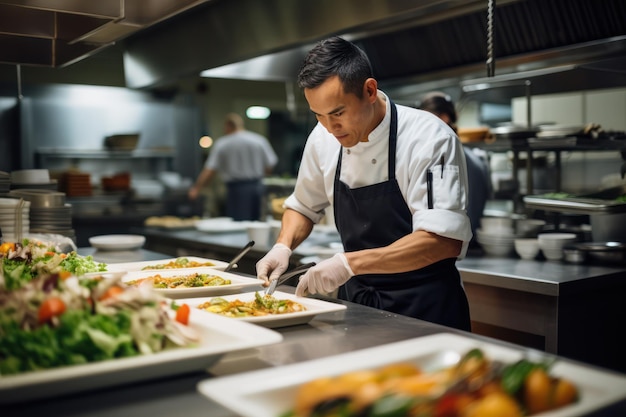
Traditional Culinary Practices Embracing Sustainability
The link between culinary traditions and sustainability is deeply rooted in our history, where practices born out of necessity have evolved into what we now understand as sustainable cooking. These time-tested methods embody a respect for the land, encouraging practices that not only ensure the flavors of local cuisine but also promote environmental well-being. By reviving these customs, we can forge a path toward a more sustainable future, where our culinary choices echo our commitment to the planet.
At the heart of this movement lies a variety of culinary practices that honor our ecological surroundings:
- Community-Supported Agriculture (CSA): CSAs serve as a brilliant example of how communities can support local farmers while minimizing the carbon footprint. By purchasing a share of the harvest in advance, consumers receive fresh produce throughout the growing season. This not only invigorates local economies but also enhances relationships between producers and consumers, creating a shared responsibility for the land.
- Heritage Grains: Resurrecting ancient grains like einkorn, spelt, and red fife wheat nurtures both culinary creativity and biodiversity. These grains are often more resilient to climate changes and require fewer inputs than modern counterparts. By incorporating heritage grains into everyday cooking, people can enjoy unique flavors while supporting sustainable farming practices that respect the earth.
- Wild Foraging: Foraging for wild edible plants, mushrooms, and herbs is a practice that reconnects us to the land. Many traditional dishes are deeply rooted in foraged ingredients, fostering a relationship with nature that encourages stewardship. Learning to identify local edibles not only adds unique flavors to meals but also instills a profound respect for the ecosystems around us.
- Seed Saving: Preserving the genetic diversity of crops is invaluable for food security and climate resilience. Traditional practices of seed saving — where farmers select and save seeds from their best-producing plants for future seasons — help maintain local varieties that are better adapted to specific growing conditions. This practice promotes biodiversity, increases crop resilience, and sustains local food systems.
By embracing these sustainable culinary practices, we reinforce important connections to the land and the heritage that has shaped our eating habits. Understanding the intersection of culinary arts and sustainability is not merely an academic endeavor; it is a practical approach that can influence our daily decisions in the kitchen, advocating for responsible food consumption while celebrating the rich tapestry of flavors that thrive in harmony with nature.
As we continue to delve into these methods, we can uncover even more insights that guide us toward a responsible and flavorful partnership between our plates and the planet. Whether it’s through seeking out local ingredients or adopting time-honored methods, each step we take toward sustainability enriches not only our meals but also the very environment we inhabit.
| Advantage | Description |
|---|---|
| Preservation of Biodiversity | Traditional culinary practices often utilize a variety of local ingredients, promoting biodiversity and respecting agricultural ecosystems. |
| Reduction of Carbon Footprint | By sourcing locally and seasonally, these practices can significantly reduce transportation emissions, contributing to sustainability. |
| Promotion of Healthy Eating | Traditional diets often feature fresh, whole foods that are less processed, which supports better health outcomes and sustainable diets. |
| Cultural Heritage Preservation | Emphasizing traditional cooking methods helps preserve cultural identities and fosters a sense of community and belonging. |
The intersection of cuisine and sustainability offers a unique lens through which we can explore traditional practices that not only honor our environment but also enhance our culinary experiences. As we delve deeper into these practices, we can uncover innovative ways in which culinary traditions can contribute to a more sustainable future. Whether it’s through promoting local produce or engaging with indigenous farming techniques, the methods we choose in the kitchen have profound implications on the environment.
DISCOVER MORE: Click here to delve into the world of spices and textures
Reviving Ancient Techniques for Modern Sustainability
Exploring traditional culinary practices is akin to uncovering a treasure trove of wisdom that can guide modern sustainable cooking. By integrating time-honored techniques that emphasize minimal waste and maximum flavor, we lay the groundwork for a more eco-conscious culinary future. This section highlights how ancient culinary practices can align with contemporary sustainability goals, attracting both culinary enthusiasts and sustainability advocates.
- Fermentation: This age-old method of preservation transforms raw ingredients into probiotics-rich foods and beverages, from kimchi and sauerkraut to kombucha. Fermentation not only adds depth of flavor but also extends the shelf-life of seasonal produce, significantly reducing food waste. As consumers increasingly embrace gut health, engaging with fermentation mirrors a reclamation of traditions while fostering sustainability.
- Preserving Techniques: Techniques such as pickling, drying, and canning once developed to ensure food security during lean seasons can be revitalized today. By mastering these techniques, home cooks can store summer’s bounty and celebrate seasonal diversity in their meals throughout the year. Such practices not only maintain the nutritional value of the produce but provide a rich tapestry of flavors that showcase local ingredients.
- Slow Cooking: Adopted across generations, slow cooking emphasizes patience, time, and skill while encouraging the use of tougher, less sought-after cuts of meat and seasonal vegetables. These methods bring out complex flavors, often revealing the sweetness of vegetables that might otherwise be overlooked. By emphasizing cuts and ingredients that require longer cooking, waste is minimized, and culinary traditions are upheld. This practice also aligns perfectly with sustainable living, encouraging mindful consumption.
- Crop Rotation and Companion Planting: Agriculture pioneers utilized these practices to improve soil health long before the advent of synthetic fertilizers. By rotating crops, farmers can prevent soil degradation and break pest cycles. Companion planting—pairing certain plants together for mutual benefit—further enhances growth while reducing the need for chemical interventions. Practitioners of these methods not only ensure a healthy harvest but also take active roles in nurturing the environment.
By embracing these ancient techniques, we affirm a commitment to sustainability that rests on respect for the land’s resources. Each practice, rooted in history, offers a pathway to cultivate a culinary culture that is both environmentally responsible and vibrant. Moreover, the revival of these traditions can galvanize local communities to support sustainable food systems, encouraging shared knowledge and collaboration among farmers, chefs, and home cooks alike.
As we glean insights from these historic practices, it’s essential to consider how they can be adapted to fit the modern palate. This adaptation can involve experimenting with flavors and ingredients, integrating contemporary trends while preserving the essence of tradition. The bridge between past culinary wisdom and present-day sustainability can create a richer dining experience, fostering both community engagement and environmental stewardship.
The conversation surrounding culinary arts and sustainability is not merely academic; it is a call to action for individuals to step into their kitchens with renewed purpose. By reinvigorating traditional practices and applying them thoughtfully in our culinary endeavors, we cultivate a legacy of sustainability that resonates with every meal prepared.
DISCOVER MORE: Click here to delve into the ancient art of fermentation
Conclusion: Bridging Tradition with Modern Culinary Journeys
In the quest for sustainability within the culinary arts, revisiting ancient practices shines a light on the myriad ways we can respect our environment while enjoying rich and diverse flavors. By embracing methods like fermentation, preservation, slow cooking, and ecological agricultural techniques, we are not just salvaging the wisdom of the past; we are crafting a more resilient future for our food systems. These traditional practices encourage us to forge deeper connections with our ingredients and the land that nurtures them, ultimately reducing waste and enriching our diets.
Moreover, the revival of these age-old techniques promotes community engagement, inviting individuals to partake in local food movements that celebrate seasonal produce and sustainable sourcing. As we redesign our culinary approaches, we pave the way for a generation of chefs, home cooks, and eaters who are informed and inspired by the past while being attuned to the present and future of food.
It is crucial to remember that adopting a sustainable culinary lifestyle is not simply a trend; it is an ongoing journey towards respect for our planet and its resources. By merging the knowledge from traditional practices with contemporary innovation, we can enhance our dining experiences without compromising the well-being of our environment. Thus, as you prepare your next meal, consider how these timeless techniques can nourish not only your body but also our shared earth. Embrace the call to action—every meal is an opportunity to promote sustainability and celebrate the art of cooking that honors our ancestors and the generations to come.