Best Practices for Digging and Tilling Soil for Home Gardens
Understanding Soil Types
Before embarking on your gardening journey, it’s essential to identify your soil type. The texture and composition of your soil can significantly influence your gardening practices. For instance, sandy soil drains well but often lacks nutrients, making it necessary to amend with organic matter like compost. In contrast, clay soil is nutrient-rich but can compact easily, hindering root growth and water drainage. Loamy soil, often considered the ideal garden soil, contains a balanced mixture of sand, silt, and clay, providing both drainage and nutrients. Understanding these characteristics will guide your digging and tilling approach and help you select appropriate plants that thrive in your specific soil conditions.
Timing Your Gardening Efforts
The seasonality of your gardening efforts plays a critical role in preparing your soil. Early spring is generally the best time for digging and tilling, as the soil is moist yet begins to warm up after winter. During this time, the soil remains easier to work with, allowing you to integrate organic matter and improve its structure. Conversely, attempting to till during the hot summer months can lead to dry, compacted soil, whereas late fall can be too cold and clumpy. Understanding your local climate and choosing the right time for soil preparation can lead to healthier plants and, ultimately, a bountiful harvest.
Choosing the Right Tools
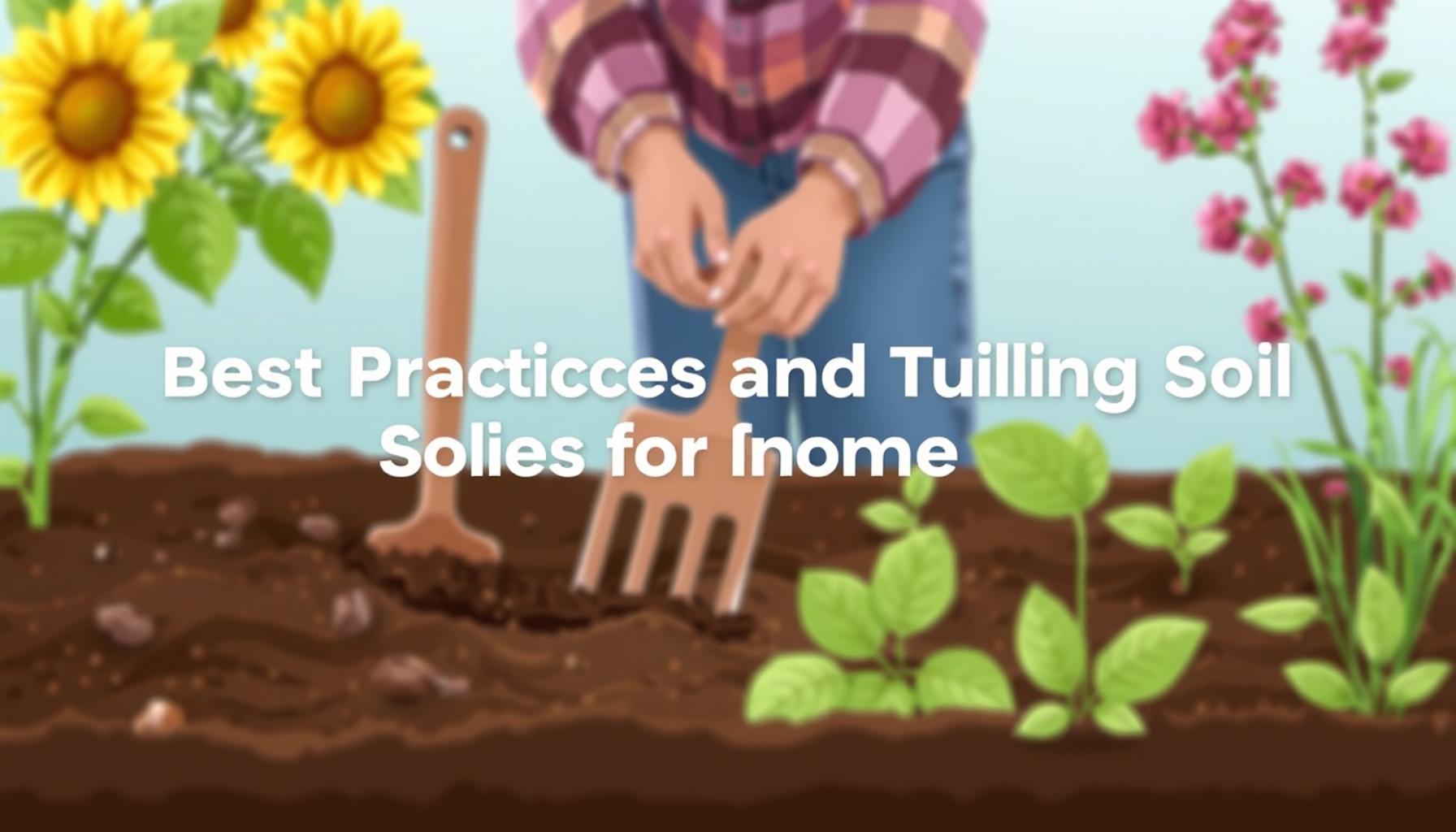
To effectively dig and till your garden, utilizing the right tools is crucial. A spade is excellent for breaking new ground or turning over soil, while a rototiller can quickly mix large areas of soil at deeper levels. Alternatively, a hand hoe is perfect for smaller gardens or precise work around delicate seedlings. Each tool serves a purpose, and using them correctly can enhance your garden’s soil structure and fertility. Familiarizing yourself with these tools not only streamlines the gardening process but also makes physical labor more manageable.
Enhancing Soil Health
The techniques of digging and tilling beautifully interweave the principles of soil health. Proper aeration increases oxygen availability to plant roots, while thorough mixing of nutrient amendments, like compost or aged manure, improves soil fertility. Additionally, the act of tilling can help break up hardpan layers, allowing roots to penetrate more deeply. By embracing these practices, gardeners establish an environment where beneficial organisms, such as earthworms and microbes, thrive. These organisms are critical to maintaining soil health, aiding in nutrient cycling and structure.
Conclusion
Learning to navigate the intricacies of soil digging and tilling is not just a preliminary step in gardening; it’s a commitment to fostering a vibrant ecosystem. By understanding your soil type, timing your efforts perfectly, and selecting the right tools, you enhance the chances of your plants thriving. This dedicated approach can transform your garden into a lush, productive haven. As you explore these practices further, you’ll find that the path to a successful home garden is paved with informed decisions and hands-on engagement with nature.
DISCOVER MORE: Click here to uncover the best low-maintenance plants for your garden
Understanding Soil Preparation Techniques
Digging and tilling are fundamental processes that prepare your garden soil for planting by providing necessary aeration and incorporating organic materials. However, without proper techniques, these activities can damage soil structure and disrupt microbial life essential for a thriving garden ecosystem. To maximize the benefits of these practices, consider the following methods that cater to various soil conditions and gardening goals.
The Art of Digging
Digging involves turning over the soil, breaking up compacted layers, and integrating amendments that will nourish your plants. When digging, focus on the depth and dimension of your garden area to achieve optimal results. Here are some essential practices to follow:
- Start Small: If you are new to digging, begin with a smaller area. This will allow you to develop your skills without overwhelming yourself.
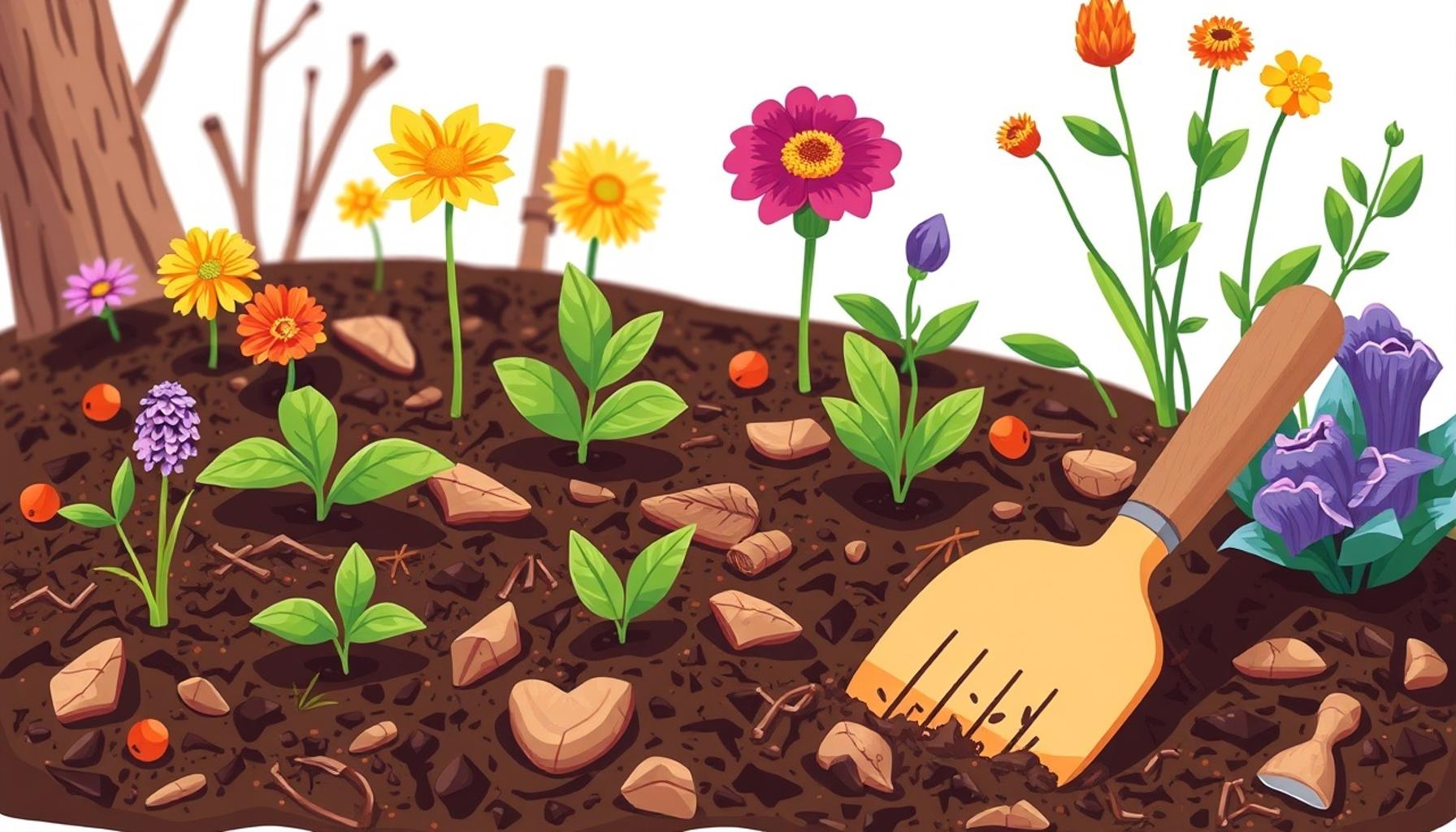
- Loosen the Soil: Use a spade or garden fork to break up the top layer of soil, generally around 12-15 inches deep, depending on the specific needs of your plants.
- Turn Compost and Amendments: As you dig, mix in organic materials such as compost, leaf mold, or well-rotted manure to enhance nutrient content and improve soil structure.
Proper digging not only prepares the planting bed but also helps break up compacted soil and improves water infiltration, which is critical for root development. However, excessive digging can be counterproductive, so strive for a balance that supports soil health.
The Benefits of Tilling
Tilling is a more aggressive approach that involves mechanically turning over large areas of soil, mixing in amendments, and breaking up soil clumps. While tilling can be highly effective, it’s essential to use it judiciously:
- Use the Right Equipment: Whether it’s a hand-held tiller or a larger gas-powered rototiller, ensure you have the appropriate tool for your garden size. A rototiller can save time, but it may disrupt soil life if used too frequently.
- Avoid Wet Soil: Tilling in overly wet conditions will lead to soil compaction and clumping. Monitor your soil’s moisture level and wait until it’s dry enough to prevent these issues.
- Incorporate Organic Matter: Mix organic matter while tilling to enrich the soil. This will help retain moisture and support beneficial soil organisms that contribute to fertility.
Tilling can also help eliminate weeds and invigorate the soil, but it should be balanced with a focus on preserving soil structure. It’s important to understand that frequent tilling can lead to loss of topsoil and degradation of beneficial microbial populations over time.
By mastering digging and tilling practices, home gardeners can create a healthy foundation for their plants. The combination of good digging techniques and careful tilling can transform your soil, giving your garden the best possible start for successful growth and harvesting.
Understanding Soil Composition and Health
One of the essential aspects when considering the best practices for digging and tilling soil for home gardens is understanding the composition and health of your soil. Healthy soil is the foundation of a thriving garden, offering nutrients and support to plants. To achieve this, testing your soil for pH levels and nutrient content is critical. Soil testing can reveal essential elements like nitrogen, phosphorus, and potassium, which play key roles in plant growth. Kits are readily available at garden centers, making it easy for gardeners to assess their soil’s health. Based on the results, you can decide what amendments may be necessary, such as adding compost or fertilizers to boost nutrient levels.
Choosing the Right Tools
Equipping yourself with the right tools can significantly enhance your digging and tilling processes. A garden fork, for instance, is ideal for breaking up compacted soil and aerating it, while a rototiller can efficiently turn over larger areas. Hand tools like shovels or spades are perfect for smaller plots and precise work. Investing in ergonomic tools can also save time and reduce strain during work. Proper tools lead to better results, making gardening a more enjoyable and productive experience.
Timing Your Tilling and Digging
Timing is a critical factor when it comes to digging and tilling. Conducting these tasks when the soil is too wet can lead to compaction and damage its structure. Ideally, soil should be tilled when it is slightly damp, which allows for better aeration and effectiveness. Additionally, you should consider the seasons as spring and fall are optimal for preparing garden beds, allowing your soil to rest and rejuvenate during off-seasons. By following these best practices, you can cultivate a more productive garden and enjoy the fruits of your labor in no time.
DISCOVER MORE: Click here to find essential gardening apps
Enhancing Soil Quality Through Effective Techniques
Beyond the initial steps of digging and tilling, enhancing soil quality for home gardens involves a deeper understanding of soil composition, health, and productivity. Implementing additional practices can foster a more sustainable gardening environment, ultimately leading to bountiful harvests. Here, we will explore several advanced techniques that complement digging and tilling, promoting a robust garden ecosystem.
Cover Crops: Cultivating Soil Health
One effective strategy for improving soil quality is the use of cover crops. These are crops grown not for harvest, but to enhance soil nutrients, prevent erosion, and suppress weeds. Legumes like clover and vetch fix nitrogen in the soil, enriching it for future plantings. During the off-season or between main crops, consider:
- Choosing the Right Cover Crop: Select varieties suited for your climate and soil type. For instance, rye and oats work well in cooler climates, while buckwheat thrives in warmer conditions.
- Timing: Plant cover crops in late summer or fall to protect the soil over winter. Incorporate them into your soil via digging or tilling before planting your main crops in spring.
- Green Manuring: When the cover crops mature, cut them down and till them into the soil. This process, known as green manuring, adds organic matter that boosts soil fertility and structure.
Soil Testing: The Foundation of Knowledge
Understanding your soil’s nutrient levels is integral to successful gardening. Conducting a soil test will provide valuable insights into pH, nutrient availability, and organic matter content. This knowledge allows you to:
- Tailor Amendments: Based on the test results, you can determine what amendments are necessary—whether lime for acidity, sulfur for alkalinity, or specific fertilizers for nutrient deficiencies.
- Monitor Changes: Regular testing (every 2-3 years) helps track improvements in soil health and guides your gardening decisions.
- Encourage Balanced Microbial Life: Accurate pH levels ensure that essential nutrients are available to plants and promote beneficial microorganisms in the soil.
Mulching: The Protective Layer
Mulching is an often-overlooked, yet vital aspect of soil management and garden maintenance. A layer of organic material—such as straw, shredded leaves, or grass clippings—offers numerous benefits:
- Weed Control: A thick layer of mulch can suppress weed growth, reducing competition for nutrients.
- Moisture Retention: Mulch protects the soil from evaporation, maintaining moisture levels during dry spells and aiding in root development.
- Temperature Regulation: In extreme weather, mulch keeps the soil temperature consistent, creating a stable environment for plants to thrive.
Incorporating these practices into your home gardening routine will not only enhance the effectiveness of your digging and tilling efforts but also promote long-term soil health. With a committed approach to nurturing your soil, you’ll set the stage for a lively and productive garden, rich in nutrients and vitality.
DISCOVER MORE: Click here to uncover essential gardening tools
Conclusion: Cultivating a Thriving Garden through Best Practices
In conclusion, mastering the art of digging and tilling soil is a fundamental step towards realizing a flourishing home garden. By implementing the best practices explored in this article, gardeners can enhance not only the physical structure of their soil but also its overall health and productivity. Techniques such as utilizing cover crops to enrich nutrient levels, conducting soil testing for informed decision-making, and maintaining a protective mulch layer are vital components of a sustainable gardening strategy.
Moreover, fostering an understanding of soil composition and the interactions within an ecosystem can greatly impact the success of your garden. As you deepen your knowledge and adapt your practices, you’ll cultivate not just soil, but a vibrant environment teeming with life and nutrients, setting the stage for abundant harvests. Remember that gardening is an ongoing learning journey; embracing these best practices and staying informed about new methods will empower you to continuously improve your soil management techniques.
Whether you are a novice gardener or an experienced horticulturist, integrating these strategies will significantly elevate your gardening experience. With dedication and persistence, your home garden can thrive, providing a sustainable source of food and beauty right in your backyard. Dive deeper into your gardening adventure, and transform your soil into the foundation of a successful, healthy, and productive garden.