Choosing the Right Containers for Indoor Gardening Success
Unlocking Indoor Gardening Potential
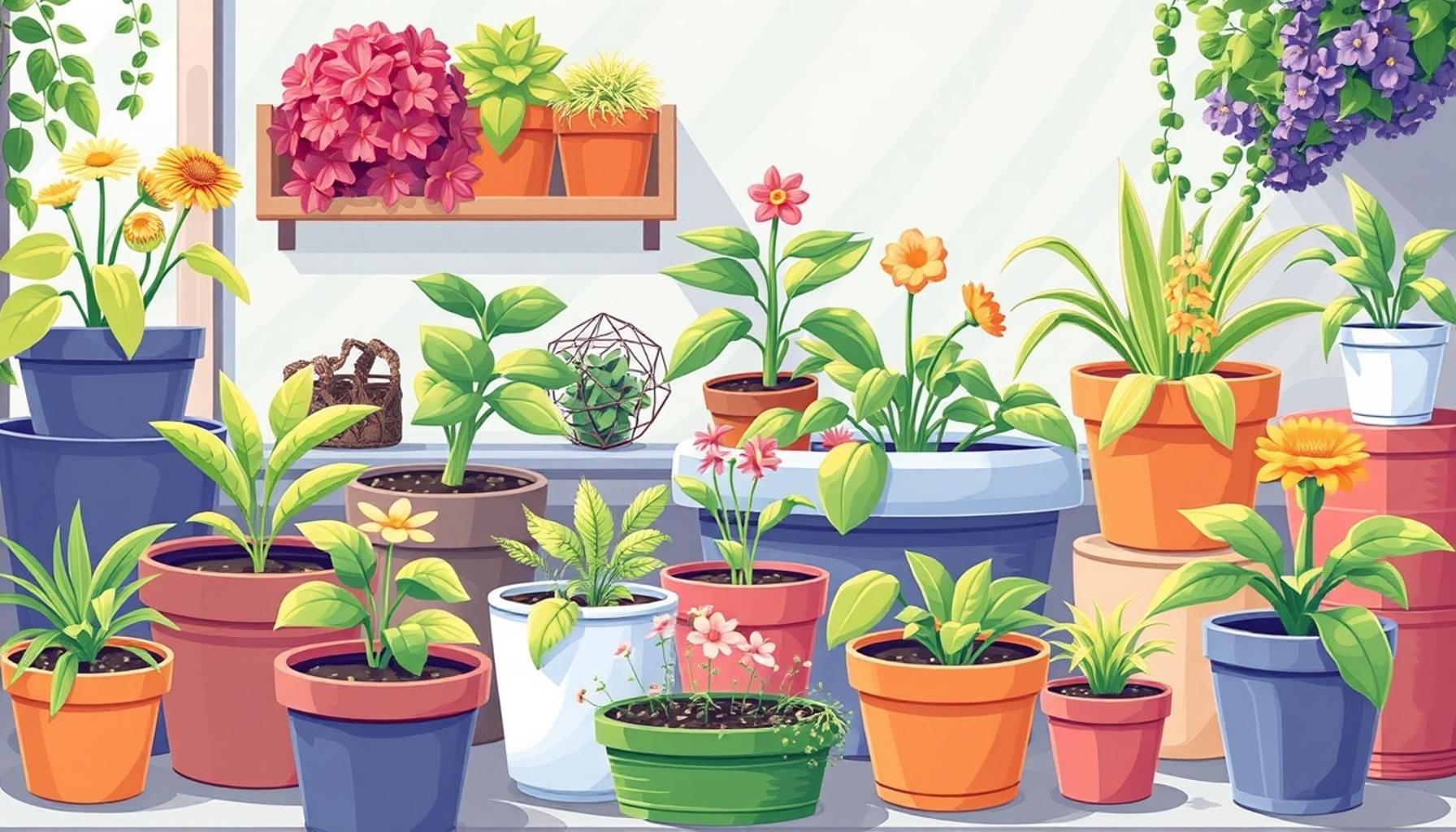
Indoor gardening can bring life to your home, but choosing the right containers is crucial for success. The right plant containers not only enhance aesthetics but also affect the health of your plants. Let’s explore how to make an informed decision.
Consider Key Factors
When selecting containers, consider these essential factors that will contribute significantly to the growth and vitality of your indoor plants:
- Size: It’s vital to select a container that accommodates the growth potential of your plants. For instance, small herb plants like basil can thrive in 6-inch pots, while larger plants like fiddle leaf figs may require more substantial volumes of soil and therefore larger pots of at least 12 to 14 inches in diameter. An undersized pot can stunt your plant’s growth or even lead to root rot due to restricted root development.
- Material: The choice of material for your containers can greatly influence your plants’ health and growth. For example, plastic pots are lightweight and often more affordable but tend to retain more moisture, which can be beneficial or detrimental depending on the plant’s needs. On the other hand, clay pots provide a more natural aesthetic and allow for greater breathability for roots; however, they can also dry out more quickly.
- Drainage: Proper drainage is vital to prevent overwatering—a common mistake among novice indoor gardeners. Always look for containers with drainage holes or consider adding a layer of pebbles at the bottom to improve water flow. Without adequate drainage, you may experience soggy soil, root rot, and, ultimately, dead plants.
Proper container choice can significantly impact water retention, airflow, and temperature control. For example, terracotta pots are porous, allowing roots to breathe well, thus promoting healthier plant growth. In contrast, glazed ceramic containers retain moisture longer, making them suitable for plants that prefer a more humid environment, such as tropical varieties.
Explore Container Options
Given the variety of container designs available on the market today, understanding your options can open up exciting possibilities for your indoor garden:
- Window boxes: These containers are not just for outdoor use; they work beautifully indoors too. They are ideal for growing a mix of herbs and flowers, providing adequate space for young plants to flourish.
- Hanging containers: For those with limited floor space, hanging planters add an attractive dimension to your decor while maximizing vertical space. They are perfect for trailing plants like pothos or spider plants, allowing your greens to cascade beautifully.
- Self-watering pots: These innovative containers are ideal for busy gardeners who may forget to water regularly. They include a reservoir that allows plants to draw moisture as needed, helping to maintain consistent hydration.
With countless choices available, taking the time to understand each option is essential for cultivating a flourishing indoor garden. Whether you opt for modern, sleek designs or rustic, traditional containers, your selection can propel your indoor gardening journey toward remarkable success. The right container not only supports your plants but also elevates your indoor space, inviting a breath of fresh air into your home ecosystem.
DON’T MISS: Click here to learn essential tips
The Foundation of Indoor Gardening
In the realm of indoor gardening, containers serve as the very foundation where your plants thrive. The right choices can mean the difference between a flourishing indoor oasis and a wilting disappointment. To truly harness the potential of your indoor garden, it is essential to delve deeper into the varieties of containers available and how to select them wisely.
Understanding Container Types and Their Benefits
Indoor gardening offers a plethora of container types, each catering to different needs and plant preferences. Familiarizing yourself with these options will empower you to make informed decisions:
- Plastic Pots: Lightweight and versatile, plastic pots are ideal for beginners. They come in various colors and sizes, making it easy to match your indoor decor. Additionally, they are less prone to chipping compared to ceramic options, which can help reduce maintenance concerns.
- Clay and Terracotta Pots: These containers are favored for their breathability and aesthetic appeal. They allow moisture to evaporate, which is beneficial for plants that prefer dryer soil. However, they can be absorbent, so it’s crucial to monitor watering carefully to avoid underwatering.
- Metal Containers: Galvanized metal or other metallic pots can create an industrial chic vibe in your home. While they are incredibly durable, caution is required as they can heat up quickly, which might harm sensitive plant roots. Always ensure adequate insulation or lining for such pots.
- Glass Containers: Glass pots or terrariums can be captivating display options for indoor plants. They allow you to view the root systems and growing medium. However, glass containers typically do not have drainage holes, requiring careful monitoring of watering to prevent overwatering.
Beyond material considerations, aesthetics should also guide your choices. How your containers look will contribute to the overall ambiance of your living space. Whether you prefer minimalist designs or more ornate patterns, blending functionality with style can elevate your indoor garden significantly.
Matching Containers to Plant Types
Just as diverse as the container types are the plants that thrive within them. Different plants have specific needs regarding space, moisture retention, and growth patterns. Here are some important considerations when matching containers to your plant selections:
- Foliage Plants: Plants like snake plants and pothos prefer slightly larger pots with good drainage to allow for root expansion. They thrive in plastic or clay pots where moisture control is effortlessly managed.
- Succulents and Cacti: These drought-tolerant plants require shallow pots with excellent drainage. Terracotta or ceramic pots are often ideal, as they allow excess water to escape.
- Herbs and Edibles: For indoor herbs such as basil or mint, small to medium-sized containers work best. Self-watering pots can also be beneficial, providing a consistent moisture level that encourages healthy growth.
Choosing the right containers transcends mere aesthetics; it fundamentally supports your indoor plants’ growth. By understanding types and tailoring selections to the specific needs of your greenery, you pave the path toward a vibrant indoor gardening experience.
Choosing the right containers for indoor gardening can significantly influence the health and productivity of your plants. Let’s delve deeper into some key factors to consider when selecting the perfect pots or planters for your indoor garden. To begin with, material is crucial. Common options include plastic, ceramic, and clay, each offering unique benefits. Plastic containers are lightweight and boast excellent drainage options, making them easy to move around. On the other hand, ceramic pots can provide added aesthetic appeal and often feature a thicker body, which helps in retaining moisture for longer periods. Clay pots, known for their breathability, might be ideal for certain plants but require frequent watering as they tend to dry out quickly.Furthermore, size plays a vital role in the growth and development of your plants. A pot that is too small can restrict root growth, leading to stunted plants. Conversely, an excessively large pot may encourage overwatering and root rot. It’s recommended to choose a container that allows for at least 1-2 inches of space around the root ball for optimal growth. Drainage holes are another critical aspect. Containers without adequate drainage can result in waterlogging, which is detrimental to most indoor plants. Look for pots with multiple drainage outlets or consider adding rocks or gravel at the bottom of your chosen container for enhanced drainage.Finally, consider the overall aesthetic of your living space. The style and color of your pots can complement your home’s interior design, contributing to the overall ambiance while promoting a soothing gardening experience. By understanding these factors, you can make informed decisions that will lead to flourishing indoor gardens. Embrace this journey of discovery as you learn how to create the perfect environment for your plants, ultimately leading to indoor gardening success. Now, let’s summarize these insights in a clear and concise table format to provide a quick reference guide.
| Category | Advantages |
|---|---|
| Material | Plastic for lightweight ease; ceramic for aesthetic appeal; clay for breathability. |
| Size | Ensures adequate space for root growth and prevents overwatering. |
| Drainage | Prevents waterlogging, essential for plant health and growth. |
| Aesthetics | Enhances living space while providing a soothing gardening experience. |
DISCOVER MORE: Click here for essential gardening tools
Factors to Consider When Choosing Containers
While understanding various container types and their compatibility with different plant species is essential, there are several critical factors to consider when selecting the right containers for your indoor garden. These aspects not only enhance aesthetic appeal but also facilitate plant growth and overall indoor gardening success.
Drainage: The Lifeblood of Plant Health
One of the most crucial elements in container selection is drainage. Proper drainage prevents waterlogging, which can lead to root rot and nutrient deficiency. When choosing containers, inspect for drainage holes at the bottom. If a container lacks these holes, consider drilling them yourself or using a layer of stones or charcoal at the base to promote air circulation and excess moisture removal.
For plants with high moisture needs, such as ferns, consider pots that have adjustable drainage options or come with built-in trays. Alternatively, self-watering systems can ease your worries about overwatering while ensuring roots receive the moisture they crave.
Size Matters: Finding the Perfect Fit
The size of your container is another fundamental consideration. A pot that is too small can restrict root growth, stunting plant development, while one that is too large may retain excessive moisture. The general rule of thumb is to choose a pot that allows for sufficient room for growth. For most houseplants, a container size that is 1-2 inches wider in diameter than the root ball is ideal.
Additionally, consider how quickly a plant will outgrow its container. Fast-growing plants, like herbs and vegetables, might require repotting yearly. Conversely, more slow-growing plants can thrive in the same pot for several years, eliminating the frequency of repotting.
Weight and Portability: Your Lifestyle Influences Choices
Another factor influencing container selection is weight. If you plan to frequently move your plants around—perhaps to catch the best sunlight or shift them seasonally—it’s wise to opt for lightweight materials like plastic or fiberglass. Conversely, if you prefer a more permanent display, heavier materials like terracotta or ceramic may suit your design aesthetic and stabilize your plants.
Containers with handles or wheels can offer added convenience, making it easier to relocate heavier pots without much fuss. Your lifestyle and routine should dictate the size and weight of your chosen containers.
Environmental Considerations: Adaptability to Conditions
The environment in which plants reside is often overlooked when selecting containers. Different plants will react varying to indoor climates, so choose containers that can adapt easily to your home. For instance, if you live in a region with low humidity, opting for porous materials can improve airflow and moisture retention. Alternatively, in a very humid environment, non-porous containers may be suited to restrict excess moisture and prevent rot.
Taking the time to consider these factors will not only improve the health of your indoor plants but also enrich your gardening experience. By focusing on drainage, size, weight, and environmental adaptability, you ensure your container choice fosters a successful indoor garden that can be a source of joy and pride.
DISCOVER MORE: Click here to enhance your understanding
Conclusion: Cultivating Indoor Gardening Success
In summary, choosing the right containers is a critical aspect of ensuring indoor gardening success. The right container not only supports your plants’ health but also enhances the overall aesthetic of your green space. By paying attention to essential factors such as drainage, size, weight, and environmental adaptability, you set the stage for flourishing indoor plants that can thrive beautifully in your home.
Exploring the wide array of container materials—from rustic terracotta to modern fiberglass—allows you to express your personal style while providing for your plant’s needs. Remember, an investment in the right container is an investment in the vitality and longevity of your indoor garden. As you experiment with different plant species, note how they respond to your container choices and adjust accordingly.
Indoor gardening can be a deeply rewarding endeavor, offering a unique blend of joy and challenge. So, embrace the opportunity to grow your green thumb by meticulously selecting containers that fulfill both functional and aesthetic roles in your home. With the right planning and consideration, your indoor gardening journey can lead to a thriving oasis that not only beautifies your space but brings peace and joy to your everyday life. Dive deeper into the world of indoor gardening, explore innovative container options, and watch as your indoor garden blossoms into a joyful retreat.