

The Role of Computer Vision in Modern Healthcare
The healthcare landscape is undergoing a remarkable transformation, particularly with the integration of computer vision technology. This innovative application of algorithms and artificial intelligence to analyze medical images has revolutionized the way diagnoses are made and patient monitoring is conducted. As hospitals and healthcare providers adopt these advancements, the implications for patient care are profound and far-reaching.
One of the standout benefits of this technology is its increased accuracy. Advanced AI algorithms are capable of identifying anomalies in medical scans with remarkable precision. For instance, studies have revealed instances where these algorithms have outperformed seasoned radiologists in detecting subtle signs of diseases such as breast cancer in mammograms or lung nodules in chest X-rays. This accuracy not only fosters confidence in diagnoses but also mitigates the risk of human error, which can have serious consequences for patients.
Moreover, the advantage of early detection cannot be understated. The ability to identify health issues at their nascent stages significantly improves patient prognoses. For example, AI-driven imaging technologies can facilitate the detection of conditions like diabetic retinopathy or age-related macular degeneration, thereby preventing potential blindness when caught early. This early intervention is a game-changer in chronic disease management and can lead to reduced healthcare costs over time.
The cost-effectiveness of implementing computer vision in healthcare settings is another critical aspect. By minimizing the reliance on invasive procedures, this technology enables healthcare systems to save valuable resources. Non-invasive imaging techniques, such as MRIs or CT scans analyzed with AI, provide crucial insights without the need for risky surgical interventions—thus ensuring patient safety and reducing hospital stays.
In the United States, the momentum for the adoption of computer vision in medical imaging is gaining traction. More hospitals and clinics are integrating these technologies into their diagnostic processes, driven by a desire for operational efficiency and better patient outcomes. For instance, institutions such as Stanford Health Care and the Mayo Clinic are pioneering innovative practices that harness the power of AI and machine learning to improve medical imaging departments.
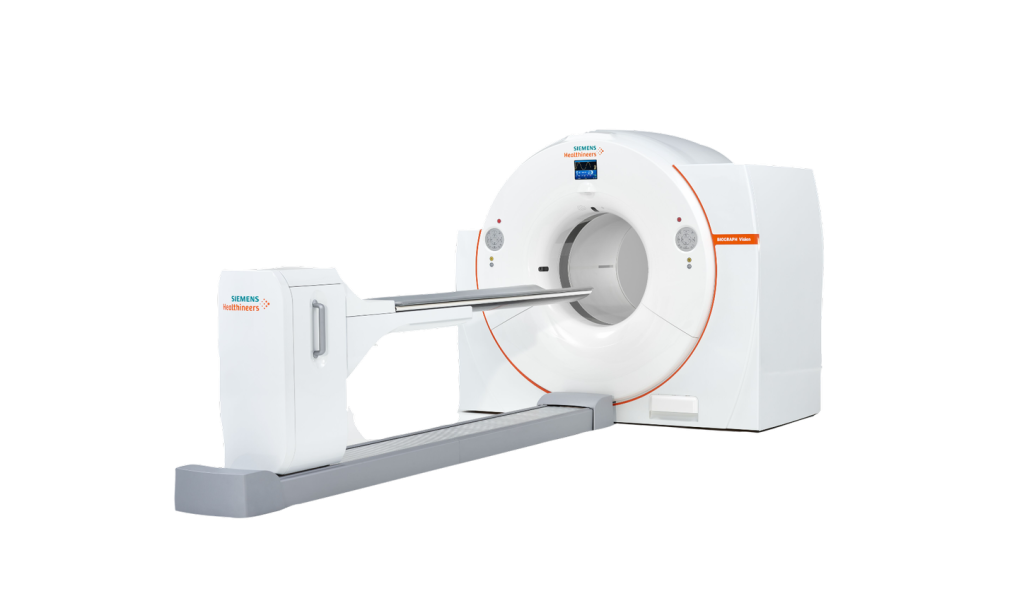
As we delve deeper into the applications of computer vision, it becomes clear that its influence extends beyond diagnosis. Healthcare analysts point out its potential in monitoring patient progress and predicting treatment outcomes, thereby enhancing the overall quality of care. The intersection of technology and medicine will continue to evolve, with computer vision playing a pivotal role in shaping the future landscape of healthcare.
This technology is not merely a trend but rather a stepping stone toward a more efficient, accurate, and patient-centered healthcare system. As we explore further, one can only imagine the profound changes that lie ahead as computer vision continues to innovate and inspire the next generation of healthcare solutions.
DISCOVER MORE: Click here to learn about the latest advances in computer vision
Transformative Applications of Computer Vision in Medical Imaging
The integration of computer vision technology into medical imaging is reshaping the landscape of patient diagnosis and monitoring. By employing sophisticated algorithms and machine learning techniques, healthcare professionals are experiencing a new era in which images once solely interpreted by human eyes are handed over to intelligent systems. The applications of computer vision span a wide range of medical imaging modalities, including CT scans, MRI, ultrasound, and X-rays, each contributing to improved patient outcomes and enhanced diagnostic capabilities.
Among the most compelling applications is in the area of oncology, where early and accurate detection of tumors can be a matter of life and death. For instance, computer vision algorithms analyze mammograms to pinpoint micro-calcifications and other subtle indicators of breast cancer that a human radiologist might miss. The American Cancer Society reports that early detection through digital mammography has significantly increased survival rates for breast cancer. Such technologies harness large datasets, training models that learn to differentiate normal anatomical structures from pathological conditions, thus augmenting the diagnostic process.
Cardiology also stands to benefit immensely from computer vision. The ability to analyze echocardiograms with pinpoint accuracy can help detect heart disease at its earliest stages. Algorithms can evaluate heart wall motion and identify potential abnormalities in real-time, facilitating more timely interventions. Moreover, tools that automatically quantitate and assess heart function reduce the burden on cardiologists, allowing them to focus on care rather than interpretation.
- Skin Lesions: Computer vision techniques, notably convolutional neural networks (CNNs), are increasingly used in dermatology to evaluate skin lesions for potential malignancies. This leads to quicker diagnoses and treatment plans.
- Retinal Imaging: AI-driven analyses of retinal scans can help track the progression of diseases like diabetic retinopathy, allowing for proactive management of diabetic patients.
- Radiology: In radiology, automated algorithms assist in the annotation and interpretation of radiographic images, significantly enhancing workflow efficiency and reducing errors.
Beyond diagnosis, computer vision plays a crucial role in monitoring patient health over time. For chronic diseases, continuous imaging assessments become instrumental. For instance, individuals with chronic obstructive pulmonary disease (COPD) benefit from remote monitoring through video analysis of their breathing patterns. This capability allows healthcare professionals to detect exacerbations early, thereby preemptively addressing issues before they escalate into emergencies.
As healthcare continues to embrace the changing tide brought forth by technology, institutions across the country are actively developing systemic approaches to integrate computer vision in health into their existing frameworks. The National Institutes of Health (NIH) has even prioritized funding research that explores the utility of AI in analyzing medical images, confirming a robust commitment to this transformative technology. Various collaborative efforts between tech companies and healthcare institutions are also springing up, aiming to bring cutting-edge solutions to the forefront of patient care.
The exploration of computer vision in healthcare is a thrilling journey into the future of medicine, offering hope for enhanced accuracy and efficiency in diagnosis and monitoring. As we continue to witness these advancements, the evolution of patient care stands ready to benefit from the unraveling potential that computer vision provides.
Exploring the Advancements in Computer Vision for Medical Imaging
In the evolving landscape of healthcare, computer vision has emerged as a revolutionary domain, enhancing the precision of diagnosis and monitoring through medical imaging. This technology integrates artificial intelligence and machine learning, significantly improving the efficiency of analyzing complex imagery, such as MRI and CT scans. One of the standout features of computer vision is its ability to detect anomalies that may go unnoticed by the human eye. For instance, advanced algorithms can identify early signs of diseases such as cancer, paving the way for timely intervention. Furthermore, the capability of automated image analysis means that healthcare professionals can focus more on patient interaction and less on manual assessments, leading to better overall patient care.Another noteworthy advancement is the utilization of deep learning techniques in interpreting medical images. These systems not only enhance image quality but also contribute to personalized medicine by predicting patient reactions based on historical data. For example, using data-driven insights, doctors can customize treatment plans that align closely with individual patient profiles.However, while the potential benefits are thrilling, challenges remain. Issues of data privacy, ethical considerations, and the need for reliable datasets are crucial for the effective implementation of these technologies. The integration of computer vision in healthcare presents an exciting frontier that promises to transform diagnostic procedures and patient monitoring into more effective, efficient, and tailored experiences.
| Advantage | Impact |
|---|---|
| Early Disease Detection | Computer vision identifies signs of disease promptly, resulting in timely treatment. |
| Enhanced Imaging Accuracy | AI algorithms improve the quality and reliability of medical images for precise diagnostics. |
With the potential for pioneering developments in medical imaging, it is essential for healthcare providers to stay informed on the latest trends in computer vision. As technology continues to advance, those who embrace these innovations will likely lead the charge in delivering superior patient care and outcomes.
EXPLORE MORE: Click here to learn about neural networks in medicine
Enhancing Precision and Personalization in Patient Care
The application of computer vision in medical imaging not only streamlines diagnostic processes but also contributes to personalized healthcare strategies. This technology is empowering clinicians to tailor treatment plans based on individual patient profiles derived from image analysis. For example, in oncology, precision medicine is rapidly advancing due to the capability of computer vision to dissect tumor heterogeneity within imaging data. By analyzing the unique characteristics of tumors, clinicians can make more informed decisions regarding therapies, increasing the likelihood of successful outcomes.
Another area where computer vision proves invaluable is in the realm of orthopedics. Advanced imaging techniques paired with computer vision can accurately assess bone density and structure. Algorithms can evaluate CT scans to identify stress fractures or predict outcomes of surgical interventions, enhancing preoperative planning. With the burgeoning use of 3D imaging and modeling, individualized surgical simulations allow orthopedic surgeons to rehearse complex procedures, leading to quicker, more effective interventions.
Equally promising is the application of computer vision in pathology. Digital pathology is revolutionizing the way pathologists analyze tissue samples. Machine learning algorithms can process whole-slide images, indicating areas of potential malignancy and significantly accelerating the diagnostic workflow. This not only aids pathologists in more consistent and accurate interpretations but also helps meet the increasing demand for pathology services, particularly in large healthcare systems.
Continuous Learning Systems in Health Monitoring
As the field of medical imaging evolves, the concept of continuous learning systems becomes increasingly relevant. Such systems leverage vast datasets to adapt and improve diagnostic algorithms in real time. For patients with chronic conditions like heart disease or diabetes, continuous monitoring through wearable devices allows computer vision systems to evaluate health parameters accurately. A straightforward example includes the use of thermal imaging to monitor skin changes or abnormalities that could signal infection, providing timely interventions.
Furthermore, remote patient monitoring has gained substantial traction, especially amidst the COVID-19 pandemic. Telehealth platforms, equipped with computer vision, enable healthcare providers to conduct visual assessments through video calls, evaluating symptoms while minimizing exposure risks. The ability to analyze facial cues and behaviors, while identifying signs of distress or respiratory issues, enhances provider-patient interactions, reshaping how care is delivered.
The Challenge of Data Privacy
Despite the revolutionary potential of computer vision in health, it is essential to address the critical challenge of data privacy. With the surge of digital health data comes an increasing responsibility to ensure patient confidentiality. Healthcare providers and technology companies must prioritize regulatory compliance, safeguarding sensitive information while harnessing insights from large datasets. Blockchain technology and secure data-sharing models are emerging as potential solutions, allowing for the safe transfer of medical imaging data while enabling the valuable analysis that computer vision offers.
- Patient Engagement: Interactive platforms utilizing computer vision provide an engaging way for patients to understand their health status, encouraging adherence to treatment plans.
- Research and Development: The collaboration between AI researchers and healthcare institutions is proving crucial in discovering novel biomarkers via advanced imaging, paving the way for innovative therapies.
- Inclusivity: Intelligent systems are increasingly designed to accommodate diverse populations, ensuring that medical imaging advancements benefit a wide array of demographic groups.
The journey into the future of computer vision in health is poised to enhance both diagnostic accuracy and patient care management significantly. As healthcare systems continue to harness the transformative power of this technology, the implications for improving health outcomes are monumental, inviting further exploration into this exciting domain. The marriage of artificial intelligence and healthcare promises to redefine not just how patients are diagnosed but how they are treated and monitored throughout their healthcare journey.
DON’T MISS: Click here to discover how AI enhances data analytics
Conclusion
As we stand on the brink of a healthcare transformation, the role of computer vision in medical imaging is becoming increasingly vital. This technology not only enhances the accuracy of diagnostics but also facilitates personalized treatment plans tailored to the unique characteristics of each patient. The incorporation of artificial intelligence in health monitoring systems introduces a new level of continuous care, particularly for patients with chronic illnesses. Moreover, the ability to analyze large datasets in real time enables immediate and informed decisions, which are crucial for effective patient outcomes.
However, while embracing the advancements offered by computer vision, it is imperative to address the challenges of data privacy and ethical considerations. Safeguarding patient information must remain a priority as healthcare systems become more digitized. Implementing secure data-sharing methods, such as blockchain technology, can help alleviate concerns surrounding confidentiality while leveraging the full potential of machine learning in medical imaging.
The future of healthcare, intertwined with the innovations in computer vision, invites us to rethink not only how we diagnose and monitor diseases but also how we can reshape patient engagement and accessibility. As we continue to explore this field, it becomes clear that harnessing the capabilities of computer vision can bridge gaps in healthcare delivery, ultimately leading to improved health outcomes across diverse populations. For both healthcare professionals and patients alike, the promise held within this digital revolution is a call to action—an opportunity to redefine the standards of care in the 21st century.


 Linda Carter