

The Power and Potential of Computer Vision
In the dynamic landscape of technological advancement, computer vision stands out as a groundbreaking innovation that is reshaping multiple industries. This field of artificial intelligence enables machines to analyze and interpret visual information, much like the human visual system, but with far greater speed and reliability. The transformative impact of computer vision is evidenced by its growing adoption across various sectors, leading to a significant rethinking of traditional business processes.
Applications Across Diverse Industries
The versatility of computer vision manifests in its multitude of applications, each tailored to meet specific industry challenges. For instance:
- Manufacturing: Automated quality inspection systems utilize high-resolution cameras and machine learning algorithms to detect defects in products at incredible speeds. For example, companies like Siemens employ these systems in assembly lines to ensure that defective products are identified and removed, significantly reducing waste and increasing efficiency.
- Agriculture: With the aid of drones equipped with advanced imaging technology, farmers can now monitor vast acres of farmland. By utilizing precision farming, they analyze factors such as crop health, soil conditions, and pest infestations. This data-driven approach allows for timely interventions, optimizing yields and resource utilization.
- Healthcare: In the medical field, computer vision enables sophisticated imaging systems that assist in diagnostics through advanced image analysis. For instance, technologies that analyze X-rays or MRIs can help radiologists detect conditions like tumors or fractures more accurately and faster than traditional methods, thereby enhancing patient care.
- Retail: Smart checkout systems are revolutionizing the shopping experience by employing computer vision to streamline transactions. Such systems, already in place in stores like Amazon Go, allow customers to simply walk out with their selected products, automatically charging their accounts through a comprehensive analysis of items in their baskets.
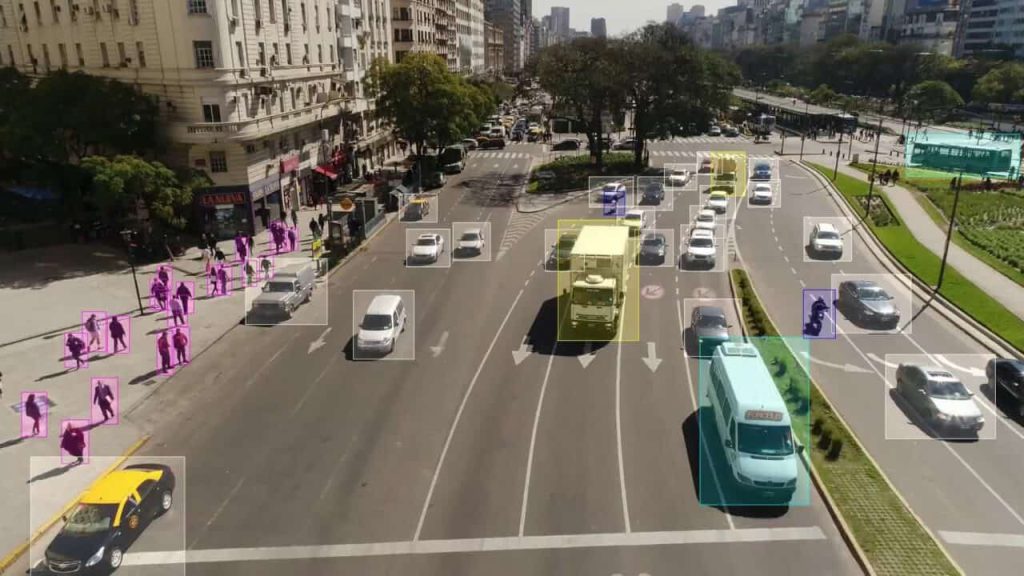
- Transportation: The burgeoning field of automated driving relies heavily on visual sensors that interpret the surrounding environment. Companies such as Tesla and Waymo employ vast arrays of cameras integrated with AI algorithms to navigate roads, recognize pedestrians, and ensure safe driving, pushing the boundaries of what’s possible in personal and public transportation.
Understanding Economic Impacts
The economic ramifications of integrating computer vision into business operations are profound. By automating tasks that were traditionally labor-intensive, companies can significantly reduce labor costs while minimizing errors that could lead to costly mistakes. For example, utilizing computer vision for quality assurance in manufacturing not only speeds up the production process but also ensures consistency, fostering enhanced brand loyalty and customer satisfaction.
As we continue to explore the transformative nature of computer vision, it is essential to note that its applications promise not only to streamline operations but also to drive substantial innovation and growth. Industries embracing such advancements can position themselves at the forefront of technological evolution, paving the way for a more efficient and prosperous future.
In conclusion, the rise of computer vision is not merely a trend but a significant leap towards a more intelligent and efficient industrial landscape. Businesses that leverage this technology stand to gain a competitive edge, capturing new opportunities in an increasingly data-driven world.
DISCOVER MORE: Click here to dive deeper
Revolutionizing Operations through Computer Vision
The integration of computer vision technologies into industrial processes is not merely an enhancement; it is a revolution that enhances operational capabilities, improves precision, and fosters unprecedented levels of productivity. As organizations strive to stay competitive in a rapidly evolving marketplace, leveraging these technologies has become essential. The implementation of computer vision enables companies to observe and analyze processes in real-time, driving informed decision-making and optimizing workflows.
A notable example is found in the automotive industry, where computer vision systems have transformed the assembly line. Car manufacturers like Ford and General Motors use image processing algorithms to inspect parts and components as they are assembled. This not only helps in identifying defects early on but also ensures adherence to safety standards. According to a recent report by the Automotive Industry Association, integrating such systems has led to a 30% reduction in inspection times and a 25% increase in defect detection rates.
Another sector that has experienced a profound shift due to computer vision is logistics. Companies such as Amazon and FedEx employ warehouses equipped with computer vision-enhanced cameras to track inventory movement accurately. By utilizing object recognition algorithms, these systems can monitor stock levels and automatically reorder items that fall below a certain threshold. As a result, businesses are not only saving time but also minimizing the risk of stockouts and overstock situations, thereby enhancing overall supply chain efficiency.
Innovative Applications Driving Change
The versatility of computer vision is demonstrated through its myriad applications that tackle both everyday challenges and complex problems. Key areas benefitting from these advancements include:
- Surveillance and Security: With growing concerns regarding safety and security, computer vision technologies are employed in surveillance systems which analyze video feeds for anomalies, such as unauthorized access or potential threats. This proactive approach enables quicker responses and helps mitigate risks.
- Telecommunications: In the telecom industry, computer vision assists in network maintenance by automating the inspection of cell towers, using drones to capture images and detect structural issues. This reduces manual labor costs and enhances the safety of workers.
- Sports and Entertainment: The use of computer vision in tracking player movements and analyzing gameplay has transformed how sports are televised and analyzed. Companies utilize these technologies to provide in-depth insights that enhance viewer experience and team strategies.
These applications illustrate how computer vision contributes to improved productivity, enhanced precision, and greater safety across industries. As we continue to delve deeper into its implications, the economic impacts become increasingly significant, signaling a new era of industrial efficiency and innovation.
With businesses adopting computer vision technologies, the stage is set for accelerated performance gains. The outcomes are not limited to operational improvements; they extend to redefining market strategies and customer engagement, fundamentally changing how industries interact with consumers and competing on a global scale. As this trend evolves, understanding the connection between technology and economic benefit will be crucial for stakeholders in every sector.
One of the most significant impacts of computer vision in industry is its ability to enhance quality control processes. Using high-resolution cameras and advanced algorithms, manufacturers can inspect products with unprecedented accuracy. For example, in the automotive industry, computer vision systems can detect minute defects in components that might go unnoticed by human inspectors. This not only improves product quality but also reduces waste and recalls, leading to significant cost savings.Moreover, computer vision plays a crucial role in automated manufacturing environments. Robots equipped with computer vision can navigate complex tasks, such as identifying and sorting various parts on an assembly line. This automation increases efficiency and reduces labor costs, allowing companies to allocate resources more strategically.In logistics and supply chain management, computer vision is streamlining operations through enhanced tracking and monitoring. With the integration of computer vision in inventory management systems, businesses can automatically track stock levels and improve accuracy in order fulfillment. Such advancements are proving vital in an era that demands rapid delivery and flawless service.Additionally, the application of computer vision in predictive maintenance is revolutionizing how industries approach equipment upkeep. By analyzing visual data from machines, organizations can predict potential failures before they occur, minimizing downtime and repair costs. The shift to proactive maintenance strategies offers industries greater insights into their operations, promoting long-term sustainability.As the capabilities of computer vision continue to evolve, so too do its implications for economic growth. Companies adopting these technologies are witnessing not only enhanced operational efficiency but also new revenue streams and market opportunities driven by innovation. The ability to capitalize on complex data analysis allows firms to stay competitive and adapt quickly to changing market conditions.This growing reliance on computer vision also raises important questions around data privacy and security. As industries become more interconnected, concerns regarding sensitive information and surveillance are paramount. Striking a balance between technological advancement and ethical considerations will be essential as we navigate the future landscape of computer vision in industry. Given these numerous applications and benefits, the investment in computer vision technology seems not only strategic but necessary for businesses aiming to thrive in the modern economy. In exploring its full potential, industries are opening doors to an expansive horizon of possibilities, where efficiency meets innovation.
| Advantages | Impact |
|---|---|
| Enhanced Product Quality | Reduces defects in manufacturing. |
| Increased Operational Efficiency | Automates tasks, minimizes costs. |
| Predictive Maintenance | Proactive repairs enhance uptime. |
| Cost Savings | Reduces waste and recalls. |
DIVE DEEPER: Click here to learn more
Exploring Challenges and Opportunities in Computer Vision Implementation
While the promise of computer vision technologies in various industrial sectors is substantial, the pathway to full-scale adoption is not entirely devoid of challenges. Companies must navigate several hurdles including initial implementation costs, technological complexities, and the need for skilled personnel to manage these systems effectively. Despite these challenges, the opportunities presented by successful deployment far outweigh the risks.
For instance, in the manufacturing sector, the implementation of computer vision systems can fluctuate in cost depending on the size of the operation and the specific technology being deployed. According to a report by McKinsey & Company, organizations that invest in advanced digital technologies, including computer vision, can see productivity gains of up to 30%. However, businesses must first overcome the upfront costs of transitioning from traditional inspection methods to automated systems. These costs can be mitigated by careful planning and phased implementation strategies, allowing organizations to gradually integrate computer vision technologies into existing workflows without overwhelming their resources.
Furthermore, the demand for talent skilled in data science and computer vision is skyrocketing. Having a proficient workforce capable of interpreting data generated by these systems is crucial. As companies delve deeper into the capabilities of artificial intelligence and machine learning applied to computer vision, training programs and partnerships with educational institutions will become instrumental in closing the skills gap. Organizations such as Siemens and GE are already investing in partnerships with universities to develop curricula that prepare students for careers in this technology-driven landscape.
Case Studies: Real-World Impacts of Computer Vision
A successful illustration of computer vision’s transformative impact can be found in the food processing industry. Companies like PepsiCo and Nestlé have utilized computer vision systems to enhance quality control measures for their products. By leveraging advanced image recognition tools, these companies can swiftly identify flaws in packaging and product quality, resulting in less waste and greater consumer satisfaction. PepsiCo reported a 20% reduction in waste due to earlier detection of manufacturing defects, demonstrating how computer vision not only improves operational metrics but also contributes to sustainability efforts.
In the retail sector, computer vision has redefined inventory management and customer engagement strategies. Retail giants like Walmart are incorporating computer vision in surveillance to mitigate theft and enhance the shopping experience. Smart cameras equipped with facial recognition capabilities analyze customer behavior, allowing stores to personalize marketing strategies and optimize product placements based on shopping patterns. Such integrations have led to improved sales figures, with some reports indicating increases of up to 10% in revenue due to streamlined operations and enhanced customer experiences.
The versatility of computer vision applications extends even into agriculture, where companies such as John Deere use aerial imagery and drone technology to monitor crop health. By processing visual data collected from fields, farmers can make informed decisions regarding irrigation, fertilization, and pest control, leading to higher yields and reduced operational costs. This application of precision agriculture reflects a growing trend where computer vision technologies foster sustainable practices in food production.
These case studies highlight the dynamic economic impacts of computer vision across various industries, reinforcing its potential to drive efficiencies and capitalize on emerging market opportunities. As companies continue to innovate and advance their use of computer vision, the implications for the larger economy will be profound, hinting at a future where industrial processes are more efficient, responsive, and ultimately profitable.
DISCOVER MORE: Click here to learn about innovative healthcare solutions.
Conclusion: The Future of Computer Vision in Industry
The surge of computer vision technology in industrial applications marks a pivotal evolution in how businesses operate across various sectors. From revolutionizing quality control in the food industry to enhancing retail experiences and optimizing agricultural practices, the practical applications are as diverse as they are impactful. As highlighted by case studies from leading companies like PepsiCo, Walmart, and John Deere, the integration of computer vision not only streamlines operations but also yields significant economic advantages, such as increased productivity, reduced waste, and higher revenue.
Moreover, while the path to adoption is laden with challenges—such as initial costs, technological intricacies, and the need for specialized talent—these obstacles should not deter innovation. Businesses that strategically invest in computer vision stand to gain competitive advantages that extend beyond mere financial returns. The ongoing collaboration between industry leaders and educational institutions to develop skilled labor is a crucial step toward fostering a workforce capable of harnessing these advanced technologies.
As industries continue to harness the full potential of computer vision, the long-term economic impacts are projected to be transformative. The ability to make data-driven decisions enhances efficiency, responsiveness, and sustainability across the board, positioning computer vision as a key player in shaping the industrial landscape of tomorrow. As such, the exploration of its applications should remain at the forefront of discussions about technological advancement, paving the way for a future defined by innovation and improved economic resilience.


 Linda Carter