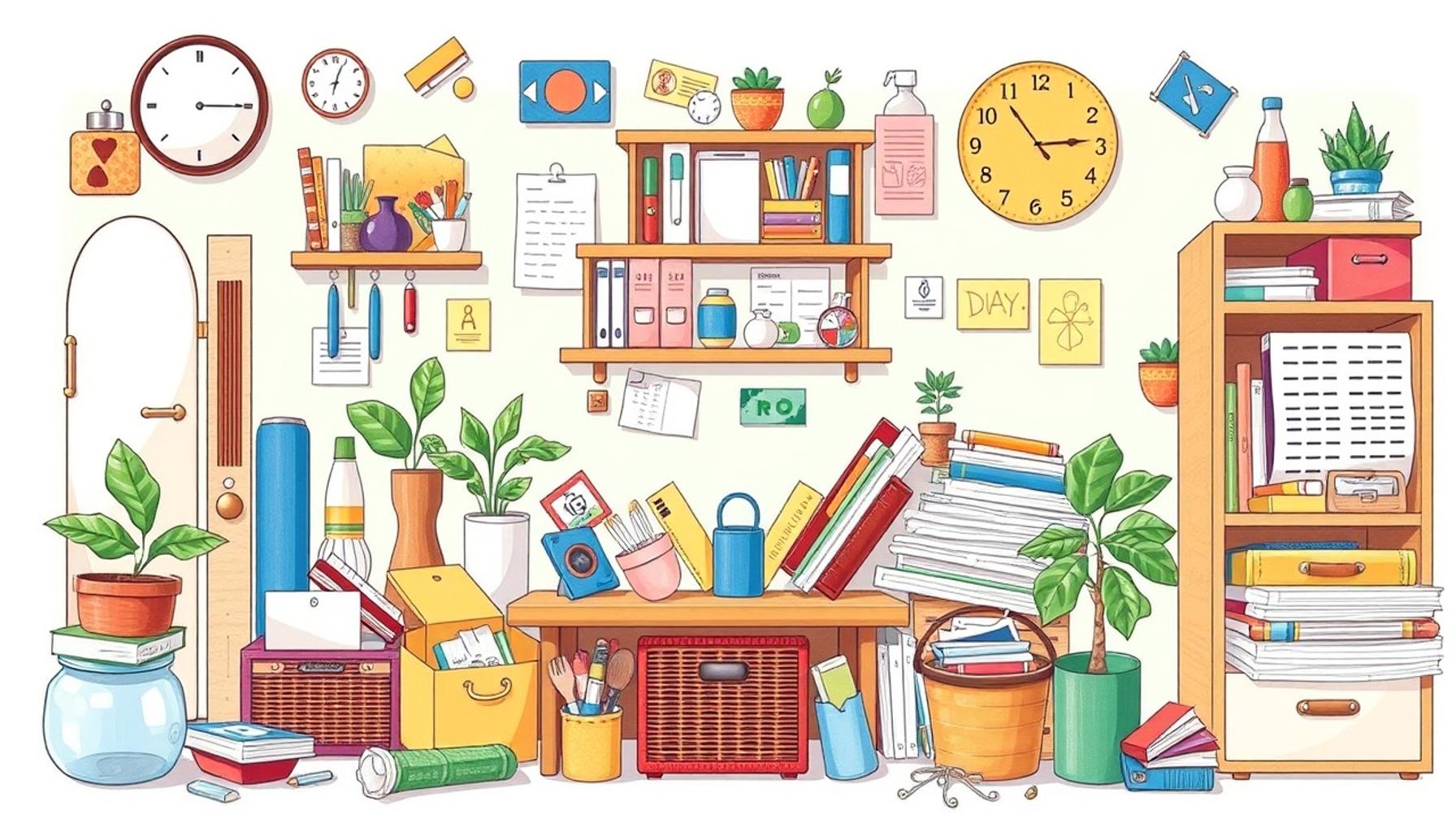
Decluttering and Mental Health: How Organizing Your Space Can Reduce Stress

The Impact of Clutter on Mental Health
Living amidst clutter can profoundly affect our mental state, contributing to a cycle of stress and anxiety that can seem inescapable. Numerous scientific studies have revealed that disorganized environments can lead to elevated cortisol levels, a hormone closely linked to stress. A neatly organized space, in contrast, serves as a refuge that promotes tranquility and clarity, making successful decluttering critical not only for aesthetics but for mental wellness as well.
Reduced Stress
One immediate benefit of decluttering is the reduction of stress. A clean, organized environment fosters a sense of peace. For example, consider a home filled with stacks of unread mail, misplaced items, and overflowing closets. Each disordered item can serve as a reminder of unfinished tasks, subtly weighing on the mind. In workplaces, clutter can become a significant source of distraction, contributing to job-related stress among employees. By creating a calming atmosphere devoid of visual chaos, individuals may experience lower anxiety levels and a greater sense of control over their surroundings.
Increased Focus
Decluttering also greatly enhances focus. Removing distractions allows for improved concentration, ultimately facilitating better productivity. Research indicates that the average individual spends 28% of their workweek searching for lost items. Imagine the increased efficiency in a workplace where employees were not constantly interrupted by clutter, allowing them to devote their full attention to the tasks at hand. A decluttered office, for example, may present clear surfaces and organized files, inciting creativity and focusing energies toward meaningful work.
Boosted Mood
Another psychological benefit is the boosted mood that comes with an orderly environment. Tidying up a room can foster feelings of accomplishment, which is especially important during challenging times. For many, taking time to declutter serves as a form of self-care, making them feel more in control of their life circumstances. Engaging in such activities can release dopamine, a neurotransmitter associated with feelings of pleasure and satisfaction. Notably, an organized space can serve as an inviting background for social interactions, ensuring a positive experience when friends and family visit.
Understanding the Ripple Effects of Clutter
Considering the spaces we inhabit daily—be it at home, in the office, or even in our vehicles—helps illustrate the pervasive impact of clutter. Clutter can lead to visual overload, where the sheer number of items bombards our senses, making relaxation a challenge. Many people can relate to the frustration of wasting time searching for misplaced keys or documents, adding unnecessary stress to everyday routines. Furthermore, clutter can also impede social interactions; individuals may shy away from inviting others over, fearing judgment due to the state of their living environment.

Recognizing the profound relationship between decluttering and mental health emphasizes the value of creating harmony in our physical spaces. When we begin to declutter, we embark on a transformative journey not just toward organizing our surroundings but also toward enhancing our emotional well-being. By taking time to evaluate the effects of our cluttered spaces, we can take actionable steps to foster serenity and clarity in our lives.
DISCOVER MORE: Click here for innovative storage ideas
Transforming Your Environment for Mental Clarity
As we navigate our daily lives, the physical spaces we inhabit can significantly shape our mental well-being. The act of decluttering is not merely about tidying up; it involves creating an optimal environment that can positively impact our psychological state. A cluttered environment may amplify feelings of chaos, while an organized space can bring a sense of order that fosters mental clarity.
The Psychological Connection to Clutter
Research has shown a strong correlation between cluttered environments and increased levels of anxiety. One study published in the journal Psychological Science revealed that individuals surrounded by clutter reported higher stress levels, finding it difficult to focus on tasks at hand. This phenomenon underscores the importance of addressing not just the physical clutter but also the mental clutter generated by it. Decluttering allows individuals to create a sanctuary where they can recharge and refocus, paving the way for enhanced mental health.
Steps to Achieve Clutter-Free Living
Embarking on a decluttering journey may seem overwhelming, but breaking the process into manageable steps can make it more approachable. Here are some actionable steps to consider:
- Start Small: Choose one area to focus on at a time, whether it be a single room or even a portion of a room. Tackling smaller sections reduces the feeling of being overwhelmed.
- Set Clear Goals: Establish what you hope to achieve by decluttering your space. This could be creating a more functional workspace or simply a serene living area.
- Implement the Four-Box Method: Label four boxes as “Keep,” “Donate,” “Trash,” and “Maybe.” As you sort through items, place them in the appropriate box to facilitate decision-making.
- Maintain a Regular Schedule: Commit to regular decluttering sessions, whether weekly or monthly, to ensure that your space remains orderly, preventing clutter from reaccumulating.
Creating Mindful Spaces
In addition to physical organization, decluttering offers an opportunity for intentional mindfulness. By thoughtfully curating our surroundings, we can surround ourselves with items that bring joy or serve a purpose. This might include displaying art that inspires you or using functional organizers to streamline storage. The act of creating mindful spaces not only enhances the aesthetic quality of our environment but also significantly diminishes feelings of stress and anxiety, promoting better mental health.
Ultimately, decluttering is a transformative process that extends beyond the physical act of organizing. It presents a chance for personal introspection and growth, enhancing not just our spaces but our overall emotional well-being. Embracing decluttering can lead to a more peaceful existence, allowing for a brighter mental landscape to thrive in.
Decluttering: A Path to Inner Peace
When we talk about decluttering, we’re addressing not just our physical environment but also the impact it has on our mental health. Studies show that a cluttered space can lead to increased levels of stress and anxiety. The sight of disorder can trigger feelings of being overwhelmed, making it difficult to focus on the tasks at hand. By eliminating physical clutter, individuals often report a significant decrease in stress levels, enabling them to cultivate a more peaceful mindset.
Psychological Benefits of Organizing
Organizing your space can foster a sense of control over your environment. This sense of control is crucial for mental well-being, particularly in a world that often feels unpredictable. When you take the time to sort through items and create designated spaces for everything, you establish a personal sanctuary—a place where clarity and calmness can thrive. Furthermore, a well-organized space encourages productivity, as it eliminates distracting elements that can scatter your thoughts.
Boosting Productivity and Creativity
A decluttered environment not only reduces stress but also stimulates creativity and enhances productivity. Studies have found that individuals in neatly arranged spaces are more likely to brainstorm innovative ideas and execute their goals effectively. This is largely because the mind is free to think critically without the visual chaos that clutter brings. By adopting decluttering habits, you can open the door to new levels of inspiration and efficiency, making your endeavors more fulfilling.
| Category | Details |
|---|---|
| Reduced Stress | Clarity and calmness from a clutter-free space can lead to lower anxiety levels. |
| Enhanced Focus | A clean environment aids concentration, minimizing distractions and boosting productivity. |
Ultimately, embracing the process of decluttering can promote healthier living, not only for our homes but also for our minds. As we become more mindful of our spaces, we discover pathways to deeper self-awareness and emotional well-being. Thus, taking initiative in organizing our environments presents an opportunity for improvement that transcends mere aesthetics—it becomes a holistic approach to mental health.
DISCOVER MORE: Click here to learn about transformative minimalism
The Benefits of a Decluttered Space on Mental Health
Decluttering one’s physical space goes hand-in-hand with fostering a healthier mental outlook. The benefits extend beyond mere aesthetics to influence our emotional well-being profoundly. For instance, studies indicate that individuals who engage in decluttering report not only reduced anxiety levels but also improved mood and productivity. Creating a serene and organized environment can lead to a more positive and resilient mindset.
Decluttering Impacts Brain Function
Research suggests that clutter can impede cognitive functions, making it harder for individuals to concentrate. According to a study from the University of California, Los Angeles, individuals performing tasks in a cluttered environment demonstrated lower focus and efficiency than those in organized spaces. Decluttering reduces cognitive overload by removing distractions, allowing for clearer thought processes and enhanced decision-making capabilities.
Cultivating Mindfulness Through Organization
The act of decluttering serves as a form of mindfulness practice. Engaging in a deliberate process of sorting through belongings encourages presence in the moment. It prompts individuals to reflect on their feelings toward items—whether they evoke joy, resentment, or indifference—fostering a deeper understanding of personal values. By acknowledging what truly matters, individuals can reinforce their sense of identity and purpose, which is often lost amid the noise of excess possessions.
Creating a Functional and Comfortable Home
Decluttering emphasizes creating spaces that serve our daily needs in an efficient manner. For instance, a well-organized kitchen can transform cooking from a tedious chore into an enjoyable activity. Studies highlight that individuals living in organized environments are more likely to engage in healthy habits, such as cooking nutritious meals or maintaining exercise routines. This connection between environment and lifestyle reflects a significant aspect of mental health: the way our surroundings can nurture or hinder our wellness journey.
The Social Dimension of Decluttering
Making a conscious effort to declutter can also improve social relationships. A tidy home can encourage social interactions, as individuals often feel more comfortable inviting friends and family into their lives when they are not embarrassed by the state of their space. According to social scientists, engaging in meaningful interactions contributes to improvements in mood and mental well-being. Furthermore, embracing communal decluttering efforts—such as community clean-up days—can foster a sense of belonging and purpose, assisting mental healing through social connectedness.
Long-Term Mental Health Benefits
The advantages of decluttering for mental health are not fleeting. Establishing a regular decluttering routine can lead to lasting changes in mental and emotional states. Maintaining an organized environment encourages ongoing mindfulness, productivity, and better stress management, creating a sustainable framework for mental health. A continuous effort to keep spaces clutter-free translates into a lifestyle that fosters resilience and emotional balance.
Ultimately, the benefits of decluttering are vast and interconnected. From enhancing cognitive function to nurturing relationships and cultivating mindfulness, organizing your space can yield profound effects on mental health. As we learn to embrace the power of a decluttered environment, we unlock the potential for a calmer, more joyful life.
DISCOVER MORE: Click here to transform your space
Conclusion: The Transformative Power of a Decluttered Space
In an age where stress and anxiety are permeating modern life, the act of decluttering presents a straightforward yet powerful solution to enhance mental health. As examined in this article, organizing your physical space does not merely create a visually appealing environment; it serves as a catalyst for achieving emotional and cognitive clarity. By eliminating distractions and improving focus, a decluttered space encourages productivity and mindfulness, as well as a deeper engagement with our personal values.
The long-term benefits of maintaining a tidy, functional environment extend far beyond the immediate satisfaction of cleanliness. They include fostering positive social connections, supporting healthy lifestyle choices, and developing a resilient mindset that can weather life’s challenges. The evidence from various studies indicates that individuals who make decluttering a part of their regular routine experience sustainable improvements in stress management and overall well-being.
Realizing the integrated relationship between our environment and mental health illuminates a pathway towards a calmer existence. As individuals take proactive steps to organize their spaces, they simultaneously embark on a journey towards greater self-awareness and emotional balance. Ultimately, by embracing the transformative power of decluttering, we can cultivate not just serene physical surroundings, but also a more joyful and balanced life. With every item we choose to release or reorganize, we reaffirm our commitment to mental wellness, creating a sanctuary that nurtures our spirit in a chaotic world.
Related posts:
The Impact of Decluttering on Productivity: How an Organized Space Increases Work Efficiency
Transforming Small Spaces: Decluttering Techniques to Maximize Every Square Meter
Digital Decluttering: Organizing Your Online Life for Minimalist Living
Decluttering with the Family: Techniques to Involve Everyone in Home Organization
Declutter Digital: Strategies to Organize Your Virtual World and Increase Productivity
Decluttering Techniques for Students: Creating an Efficient Study Environment

Linda Carter is a writer and organization expert specializing in minimalism and personal organization. With extensive experience helping individuals create clutter-free, functional spaces and adopt mindful habits, Linda shares her knowledge on our platform. Her goal is to empower readers with practical advice and strategies to simplify their lives, stay organized, and achieve a sense of calm and balance in their daily routines.