Drip Irrigation Techniques: Effectiveness and Sustainability
Understanding Drip Irrigation
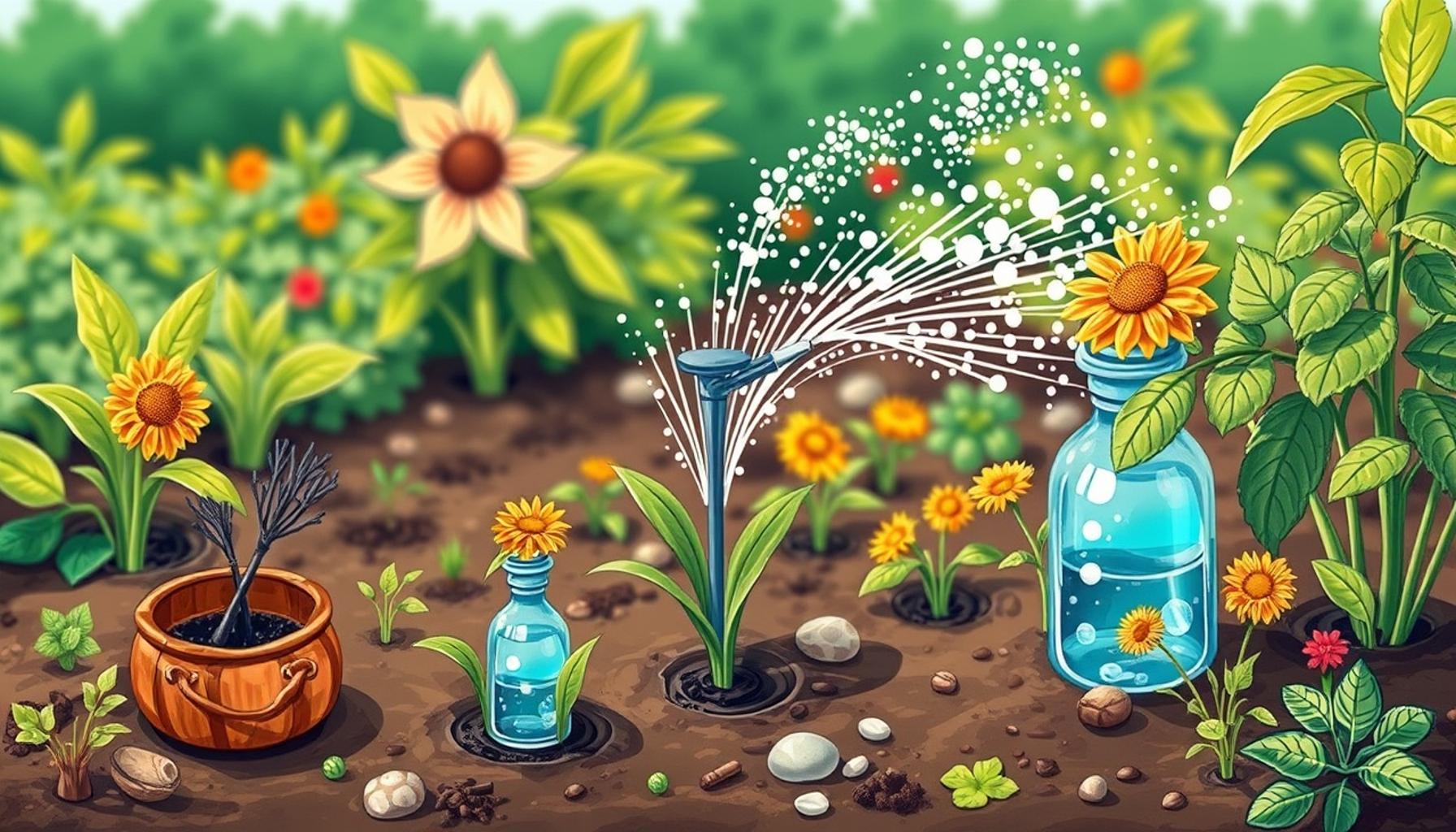
In a world grappling with water scarcity and environmental challenges, drip irrigation techniques have emerged as a game-changer. This efficient method offers precise watering directly to plants’ roots, minimizing waste and maximizing growth potential. By delivering water directly to the plants, drip irrigation reduces the amount of evaporation and runoff, making it ideal for regions with limited water resources.
One of the standout features of drip irrigation is its water efficiency. Studies have shown that it can use up to 50% less water compared to traditional methods like flood or spray irrigation. This significant reduction is particularly beneficial in arid regions such as the Southwestern United States, where water conservation is critical. For instance, many farmers in Arizona have successfully implemented drip irrigation, allowing them to cultivate crops like tomatoes and lettuce while conserving precious water supplies.
Another key advantage is the reduced soil erosion associated with this method. Traditional irrigation techniques often lead to increased runoff, which can wash away topsoil and nutrients, hindering plant growth. With drip irrigation, the water is delivered straight to the ground, promoting healthier soil and reducing the risk of erosion. Farmers are witnessing improved soil structure, which in turn benefits their overall crop health and productivity.
In addition to these environmental benefits, drip irrigation can lead to enhanced crop yield. Targeted watering allows plants to receive optimal amounts of moisture, fostering stronger root systems and promoting faster growth rates. As a result, many farmers have reported significant increases in their harvests. For example, vineyards in Napa Valley are increasingly adopting drip systems, resulting in higher quality grapes that contribute to premium wine production.
As we delve deeper into the effectiveness and sustainability of drip irrigation, it becomes evident that understanding its inner workings is crucial. Various methods are employed to ensure maximum efficiency, including the installation of emitters that release water at predetermined rates and the use of sensors to monitor soil moisture levels. These innovations not only contribute to smarter agricultural practices but also support a greener future.
Farmers across the United States are beginning to embrace these sustainable practices, recognizing their importance in an era marked by climate change and resource scarcity. For example, California, a state heavily affected by drought, has seen a rise in drip irrigation systems in its vineyards and orchards as growers adapt to the growing need for water management.
Join us as we explore the various methods, advantages, and potential challenges associated with drip irrigation. This deep dive will provide valuable insights for both established farmers and those new to the field, emphasizing the importance of adopting modern, sustainable agricultural practices that promise not only economic benefits but also environmental stewardship.
DIVE DEEPER: Click here to discover beginner-friendly plants
Mechanisms of Drip Irrigation: A Closer Look
To fully appreciate the efficacy of drip irrigation techniques, it is essential to understand their operational mechanics. Primarily, this irrigation method utilizes a network of pipes, valves, and emitters strategically positioned to deliver water precisely to the plant’s root zone. This system includes a combination of main and sub-main lines that transport water from a source to smaller lateral lines. At the heart of this arrangement are the emitters—small devices that control the flow rate of water, releasing it slowly and continuously, which is instrumental in maintaining optimal moisture levels in the soil.
The effectiveness of drip irrigation can also be significantly augmented through the integration of technology. For instance, soil moisture sensors can monitor the moisture levels around the roots and adjust irrigation schedules accordingly. This precision not only conserves water but also prevents overwatering, which can lead to root rot and other plant diseases. Moreover, advances in smart farming technologies allow farmers to operate their systems remotely, providing real-time data that can revolutionize agricultural practices.
Advantages of Drip Irrigation
- Cost Efficiency: Although the initial setup of a drip irrigation system can be higher than traditional methods, the long-term savings in water and energy usage often outweigh the costs. Many farmers experience reduced utility bills and lower labor costs due to less manual intervention.
- Crop Variety: Drip irrigation systems can be adapted for use in various agricultural settings, promoting the cultivation of a wide range of crops. From high-value fruits to vegetables, the versatility of this method encourages diversification and innovation within farming enterprises.
- Pest and Weed Control: As drip irrigation delivers water directly to plant roots, it reduces the wetness of the surrounding soil, consequently lowering the incidence of weeds and plant diseases. Farmers can focus their pest control efforts more effectively, using fewer chemical treatments.
- Environmentally Friendly: With less water wasted through evaporation or runoff, drip irrigation actively contributes to sustainability. It harmonizes farming activities with ecological preservation, ensuring that local watersheds remain intact.
As we explore the various advantages of drip irrigation, one must also consider the sustainability aspect of employing these methods. By conserving water and promoting healthier soil, drip irrigation aligns seamlessly with contemporary agricultural goals aimed at sustainability. Research suggests that employing such methods can lead to a 30% increase in water productivity, ensuring that less water is required while achieving higher yields.
Additionally, the adoption of drip irrigation is not limited to large-scale farms; smallholders can also benefit greatly from its intricacies. By adopting such techniques, they can enhance their productivity while simultaneously contributing to water conservation, a critical factor in the face of unpredictable climate changes affecting water availability across the United States.
The intersection of technology and agriculture brought about by drip irrigation indicates a promising future for both farmers and the environment. As we continue to unravel more about this innovative technique, it’s clear that embracing drip irrigation could be a pivotal step towards achieving a more sustainable agricultural landscape.
| Advantages | Key Features |
|---|---|
| Water Conservation | Delivers water directly to the roots, minimizing evaporation. |
| Increased Crop Yield | Enhances the quality and quantity of crop production through targeted watering. |
| Sustainability | Reduces runoff and soil erosion, promoting a healthier ecosystem. |
| Cost-Effectiveness | Lowers overall water usage, reducing irrigation costs significantly. |
Drip irrigation techniques have gained attention for their effectiveness and sustainability, making them a preferred choice for farmers aiming to maximize efficiency while safeguarding the environment. By employing a system of tubing and emitters, water is delivered directly to the plants’ roots, which facilitates greater absorption and significantly reduces waste. This practical approach addresses the urgent need for water conservation—a pressing concern in many agricultural regions.In addition to saving water, drip irrigation contributes to increased crop yield by ensuring that plants receive just the right amount of moisture, enhancing both quality and productivity. It empowers agricultural practitioners to pinpoint exact watering requirements, benefiting various crops from vegetables to fruits. Moreover, as the system’s design minimizes soil erosion and reduces runoff, it promotes a healthier ecosystem, making it a sustainable farming practice. Application of these techniques can also lead to cost savings, as lower water usage directly impacts irrigation expenses. This financial upside, combined with the environmental benefits, positions drip irrigation as a viable solution to the challenges posed by traditional irrigation methods. As farmers continue to embrace new technologies, understanding drip irrigation’s multitude of advantages becomes essential to making informed decisions in agricultural management.
LEARN MORE: Click here to discover the importance of soil testing
Challenges and Considerations in Implementing Drip Irrigation
Despite the numerous advantages of drip irrigation, several challenges can arise during its implementation, which require careful consideration. Understanding these issues is crucial for farmers and agricultural stakeholders aiming to maximize both effectiveness and sustainability.
One of the primary challenges is the initial investment associated with installing a drip irrigation system. While many farmers ultimately save money on water and labor, the upfront costs of equipment, design, and setup can deter initial adoption, particularly among small-scale farmers. In some cases, grant programs or cost-sharing initiatives can help alleviate this financial burden, making it essential for policymakers to encourage financing options to support sustainable irrigation solutions.
Another critical factor to consider is the maintenance of drip systems. Emitters can become clogged over time, especially in regions with hard water or high sediment levels. Regular monitoring and maintenance are essential to ensure optimal functioning, which may require additional labor and resources. Farmers must be equipped with adequate training and knowledge about the significance of regular checks and cleaning of the system to avoid disruptions in water delivery.
The Role of Education and Training
For many farmers, the move to drip irrigation represents a significant shift in their farming practices, necessitating education and training. Programs that offer technical assistance can empower farmers with the skills they need to implement and manage drip irrigation effectively. For example, universities and agricultural extension services can provide workshops that cover topics like system design, installation, and maintenance protocols. Additionally, creating accessible online resources can further support continuous learning and adaptation.
The exchange of best practices through farmer-to-farmer networks has proven invaluable. Established farmers may provide mentorship to newcomers, fostering a collaborative spirit in the adoption of drip irrigation techniques. This community-driven approach encourages innovation and local adaptation, enhancing the overall impact on agricultural sustainability.
Real-World Examples of Success
Across the United States, numerous case studies highlight the transformative impact of drip irrigation. For instance, in California, the adoption of drip technology has been credited with allowing farmers in drought-prone areas to continue growing their crops sustainably. The California Department of Water Resources reported a 40% decrease in water use among farmers who switched to drip systems, without sacrificing yield quality or quantity.
Moreover, the Texas Agrilife Extension Service has documented success stories among cotton and vegetable producers who integrated drip irrigation. These farmers have reported not only improved water efficiency but also enhanced crop resilience against heat stress, underscoring the importance of irrigation in adapting to climate change.
Future Trends in Drip Irrigation Techniques
As technology continues to evolve, the future of drip irrigation looks promising. Emerging innovations such as solar-powered pumps and automated irrigation systems with real-time data tracking are setting new benchmarks in efficiency. These advancements could help to further reduce labor costs and enhance productivity, particularly in regions where water scarcity is becoming increasingly critical.
Furthermore, integrating drip irrigation with other sustainable practices, such as precision agriculture and organic farming, can bolster environmental stewardship. Exploring synergies between these methods could lead to even greater improvements in both crop yield and resource conservation, ultimately paving the way for a more resilient agricultural sector in the United States.
DISCOVER MORE: Click here for deeper insights
Conclusion: The Future of Drip Irrigation in Sustainable Agriculture
As we have explored throughout this article, drip irrigation techniques offer a powerful solution for enhancing both agricultural productivity and sustainability. With their ability to conserve water and reduce labor costs, these systems present a game-changing approach, particularly in regions grappling with water scarcity and climate change impacts. Successful implementations in states like California and Texas serve as motivating examples, showcasing significant reductions in water usage while maintaining crop yields. However, the journey toward widespread adoption is not without its challenges.
The initial investment and ongoing maintenance requirements can act as barriers for many farmers, especially those operating on a smaller scale. To bridge this gap, increased efforts in education and training are vital, equipping farmers with the knowledge necessary to maximize the advantages of drip systems. Collaborative initiatives between agricultural organizations and farmers themselves can foster a supportive environment for information exchange and resource sharing, which is crucial for sustainable practices.
Looking ahead, the evolution of drip irrigation is poised to continue, driven by ongoing technological advancements and new sustainable methodologies. By embracing innovations such as automated systems and solar energy, the agriculture sector can further enhance efficiency and adaptability. The integration of drip irrigation with other sustainable agricultural practices promises to usher in a new era of farming that not only meets current demands but also safeguards our natural resources for future generations.
In conclusion, the adoption of drip irrigation techniques represents a powerful strategy in the quest for a more sustainable agricultural future. As farmers, policymakers, and communities work together to overcome challenges, the potential benefits of these systems can lead to a resilient and thriving agricultural sector in the United States.