

The Impact of Computer Vision on Retail Operations
The retail sector is increasingly adapting to a digital-first approach, utilizing cutting-edge technology to meet evolving consumer demands. Among these transformative technologies, computer vision stands out as a groundbreaking force, impacting various facets of retail operations, from inventory management to customer interaction. This innovative approach leverages algorithms that sift through visual data, enabling retailers to glean actionable insights from the in-store environment.
Streamlining Inventory Management
One of the primary applications of computer vision is its ability to streamline inventory management. Traditional methods of tracking stock levels can be labor-intensive and prone to errors. Computer vision automates this process by using cameras and sensors to monitor product availability in real-time. For instance, retailers like Walmart have begun implementing smart shelves equipped with computer vision technology that automatically alert staff when items are running low or misplaced. This not only reduces the time staff spends on manual checks but also ensures shelves are consistently stocked, enhancing the shopper’s experience.
Enhancing Customer Engagement
The role of computer vision extends beyond backend logistics; it also plays a crucial role in enhancing customer engagement. By employing visual recognition systems, retailers can personalize shopping experiences like never before. For example, stores can deploy interactive displays that recognize returning customers and offer tailored promotions based on previous purchases. Sephora, a leader in beauty retail, uses this technology to analyze customer interactions and provide product recommendations, making shoppers feel valued and understood. Such personalized experiences not only increase customer satisfaction but also foster brand loyalty.
Improving Checkout Processes
Moreover, improving checkout processes is a significant benefit of computer vision technology. Many retailers are exploring smart self-checkout systems that utilize computer vision to identify items as they are scanned, drastically reducing wait times. Amazon Go stores exemplify this advancement, allowing customers to simply take items off the shelves, with the total being automatically calculated as they exit the store. This frictionless checkout experience not only increases efficiency but also attracts tech-savvy shoppers interested in convenience.
Insights and Future Potential
The insights gained from computer vision applications can also reveal vital information about customer behavior and preferences. Analyzing foot traffic patterns can help retailers optimize store layouts, strategically placing high-demand products in locations that encourage more impulse purchases. Moreover, monitoring customer interactions with displays can inform marketing strategies, allowing businesses to adapt to trends quickly.
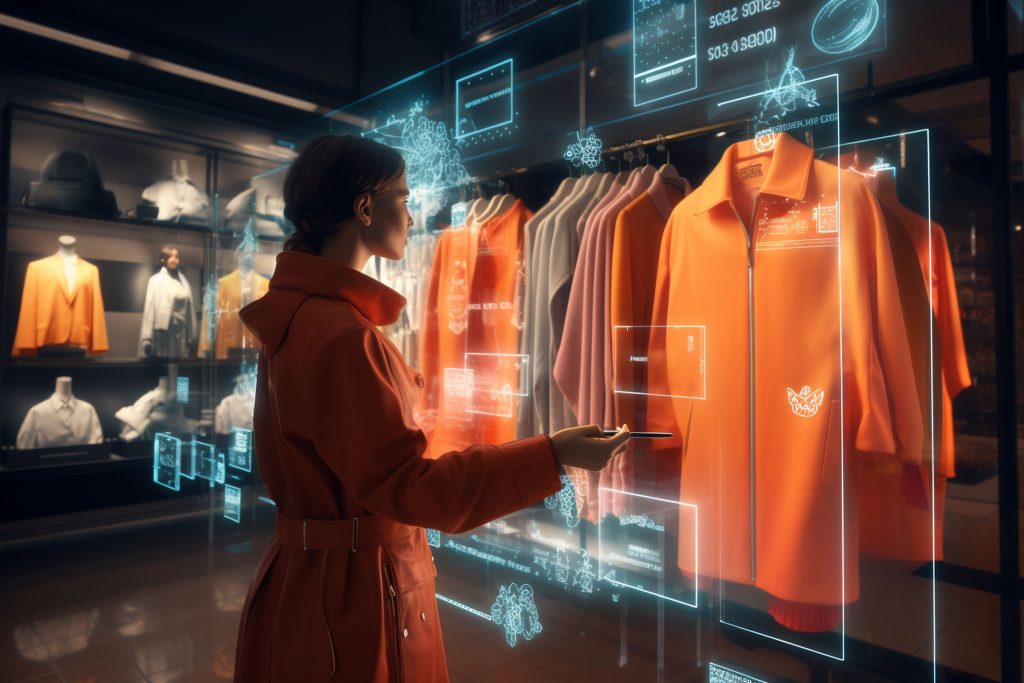
As the technology continues to evolve, the future of retail replete with computer vision appears promising. With companies across the United States increasingly adopting these solutions, the impact on customer experience and operational efficiency is likely to further reshape how consumers shop. The exploration of computer vision in retail not only addresses current challenges but also paves the way for an innovative and customer-centric future.
DISCOVER MORE: Click here to delve into the ethical challenges
Revolutionizing Retail with Computer Vision
As the retail landscape evolves, computer vision emerges as a pivotal technology that reshapes how businesses operate, offering significant advantages in efficiency and customer interaction. This technology empowers retailers not only to optimize their internal processes but also to create immersive and personalized shopping experiences that resonate with today’s consumers. Retailers can leverage visual data, derived from in-store actions and merchandise presentations, to make informed decisions that directly enhance customer experiences.
Transforming Stock Handling Processes
In an industry where time and accuracy are paramount, transforming stock handling processes through computer vision can lead to remarkable outcomes. By implementing camera systems that capture live footage of product displays and inventory levels, retailers can automate restocking processes and avoid product shortages. For instance, leading grocery chains have integrated image recognition technology to scan shelves, enabling automatic notifications to management regarding items that require replenishment. This not only minimizes human error but also significantly reduces the frequency of out-of-stock situations, ensuring that customers find their desired products consistently available.
Personalizing the Shopper’s Journey
The integration of computer vision technology also enables retailers to deeply understand consumer behavior, allowing them to personalize the shopper’s journey. For example, sophisticated systems can track customer movements in-store, revealing popular aisles and product interactions. This data can inform layout modifications, influence promotional placement, and help brands develop tailored engagement strategies. In 2021, Target announced its efforts to employ computer vision analytics to enhance customer engagement, focusing on understanding shopper habits to optimize promotional offerings.
Facilitating Real-Time Decision Making
Real-time decision making is a cornerstone of modern retail success, and computer vision plays a crucial role in providing the critical insights needed. Retailers can collect and analyze data on buyer behavior and traffic patterns, allowing them to adjust marketing techniques and store layouts instantly. For example, by identifying peak shopping hours through foot traffic analysis, stores can allocate more staff to busy areas, improving service and customer satisfaction. Additionally, this data collection aids in implementing demand forecasting, helping businesses predict which products are likely to fly off the shelves and adjust inventory levels accordingly.
Key Advantages of Computer Vision in Retail
- Improved inventory accuracy: Reduces discrepancies between physical stock and reported levels.
- Enhanced customer insights: Provides a deeper understanding of shopping patterns and preferences.
- Increased operational efficiency: Streamlines restocking procedures and staff allocation.
- Real-time analytics: Allows for rapid response to market trends and consumer behaviors.
The journey toward enhancing retail experiences through computer vision is both challenging and exciting. With advancements in technology continuously driving the potential for innovation in this field, retailers who capitalize on these developments are likely to see substantial gains—both in customer loyalty and overall operational effectiveness. As we delve deeper into the capabilities of computer vision, it becomes evident that embracing this technology is essential for retailers looking to keep pace in a rapidly evolving marketplace.
| Category | Key Features |
|---|---|
| Inventory Management | Utilizes real-time data analysis to track stock levels, reducing out-of-stock scenarios and enhancing operational efficiency. |
| Customer Engagement | Drives personalized shopping experiences, utilizing computer vision technology to meet individual customer preferences. |
In the bustling world of retail, inventory management is crucial to maintaining smooth operations and customer satisfaction. Leveraging computer vision, retailers can gain visibility into their stock in real-time, which minimizes unforeseen shortages and enhances the overall shopping experience. This capability not only helps in optimizing replenishment schedules but also reduces costs associated with overstocking or markdowns due to expired products.Moreover, customer engagement reaches new heights through computer vision applications, allowing businesses to interact with customers in more meaningful ways. By analyzing foot traffic and shopping patterns, retailers can tailor offers, promotions, and even store layout based on consumer behavior, creating a space that feels more personalized and attuned to shoppers’ needs. This technological advancement represents a shift from traditional retail methods, propelling stores toward a data-driven and immersive shopping experience that captivates customers. As the retail environment continues to evolve, the integration of computer vision is set to redefine the landscape of customer interaction, ensuring that every visit is both engaging and efficient.
DIVE DEEPER: Click here to discover more
Capturing Shopper Insights and Driving Engagement
The ability to analyze visual data in real time significantly empowers retailers to capture shopper insights and fuel engagement. Leveraging computer vision, businesses can gain in-depth knowledge about customer preferences and behaviors. For instance, retailers can use facial recognition technology to analyze customer expressions while they browse products, discerning their emotional responses to various items. This high-resolution data allows brands to pinpoint engaging products and optimize the shopping experience based on what resonates most with consumers.
Seamless Checkout Experiences
One of the most practical applications of computer vision in retail is the creation of seamless checkout experiences. Physical stores are increasingly adopting “just walk out” technology, which utilizes computer vision, sensor fusion, and deep learning algorithms to allow shoppers to grab items off the shelves and leave the store without the need for traditional checkout procedures. Amazon Go is a notable example, where customers scan a mobile app upon entering the store and can leave without scanning items individually. The system automatically generates a receipt, enhancing convenience for busy shoppers. According to a 2022 study by Retail Dive, 64% of consumers reported a preference for cashier-less experiences, indicating a strong demand for this innovation.
Augmented Reality as an Extension of Computer Vision
Computer vision also synergizes well with augmented reality (AR), creating opportunities for retailers to elevate customer engagement. Through AR applications, consumers can visualize products in their own contexts—think about trying on clothes virtually or seeing how a piece of furniture would fit in their living room. Retailers like IKEA utilize AR-powered apps that integrate computer vision to help customers visualize how products will look in real life. By enhancing interactivity, these technologies profoundly impact customer decision-making, leading to reduced returns and greater satisfaction.
Addressing Loss Prevention and Security Concerns
Another area where computer vision can significantly enhance retail experiences is in loss prevention and security. In an environment where shrinkage can drastically affect a store’s bottom line, computer vision systems can monitor store activities in real time, providing alerts on suspicious behaviors, potential theft, or policy violations. Retailers have increasingly deployed smart cameras equipped with advanced algorithms to identify shoplifters or detect anomalies, thereby creating a safer shopping environment for both customers and staff.
Enhancing Supply Chain Efficiency
The impact of computer vision extends beyond customer interactions; it also profoundly influences supply chain efficiency. By employing vision-based systems to manage warehouse operations, retailers can streamline order fulfillment processes. These systems can track products from arrival to storage and ensure that shipments are accurately picked and packed, resulting in minimized errors and higher productivity. Additionally, real-time monitoring helps maintain optimal inventory levels, reducing carrying costs and waste, which is especially crucial for perishable goods.
Customer Feedback and Insights Collection
- Enhanced feedback systems: Creating avenues for customer input through interactive systems empowered by computer vision.
- Data-driven product recommendations: Offering tailored product suggestions based on visual recognition of customer interests.
- Increased customer satisfaction: Leveraging insights to fine-tune merchandising and service delivery.
- Proactive service improvements: Utilizing data to anticipate customer needs and adjust strategies accordingly.
The integration of computer vision technology in retail is not just a trend; it’s becoming a necessity in today’s competitive landscape. As retailers adapt to these innovations, the focus on creating enriching customer experiences will define their success and growth in the future.
LEARN MORE: Click here to discover how machine learning combats financial fraud
Conclusion: The Future of Retail is Visual
The integration of computer vision technology in retail is not merely a passing trend, but a pivotal evolution that is reshaping the entire shopping landscape. As we’ve explored, the numerous applications of computer vision—from optimizing inventory management to crafting seamless and engaging customer experiences—are proving to be transformative for retailers. With the ability to analyze visual data in real-time, businesses can not only enhance operational efficiency but also develop a deeper understanding of consumer behaviors and preferences.
Moreover, technologies like augmented reality enhance interactivity, bridging the gap between digital and physical retail. The strong consumer preference for cashier-less experiences clearly indicates that innovation is not just welcomed but expected. Furthermore, employing computer vision for loss prevention and security mitigates risks, allowing retailers to focus on what truly matters—providing value to their customers.
As retailers harness these advanced capabilities, they must remain adaptive and innovative. The drive to learn from customer insights will be crucial in tailoring personalized shopping experiences and responding proactively to market dynamics. In this context, leveraging computer vision is no longer an option but a necessity, promising to unlock new pathways for engagement, satisfaction, and ultimately, loyalty. The future of retail is indeed visual, and those who embrace it stand to lead in an increasingly competitive landscape.


 Linda Carter