
The Benefits and Applications of Fermentation
Throughout history, fermentation has served as an essential method for preserving food and enhancing flavors. This process, which harnesses the power of microorganisms like bacteria and yeast, has transformed ingredients in delightful ways while also unlocking a host of health benefits that are increasingly recognized in today’s culinary landscape. As the trend towards natural and wholesome living gains momentum, fermentation is becoming a cornerstone in the kitchens of health-conscious individuals across the United States.
What is it about fermentation that captivates both chefs and home cooks? Here are some key points to consider:
- Flavor Development: The beauty of fermentation lies in its ability to introduce complex and nuanced flavors. For instance, the process of making kimchi—a staple in Korean cuisine—involves the fermentation of vegetables like napa cabbage and radishes with a mixture of spices. The result is a tangy, spicy condiment that pairs well with a variety of dishes. Similarly, yogurt gains its creamy texture and tart flavor through the fermentation of milk by specific bacterial cultures, offering a delightful addition to breakfast or smoothies.
- Health Benefits: Fermented foods are a powerhouse of probiotics, which are beneficial bacteria that promote gut health and improved digestion. Studies suggest that consuming foods like kefir, sauerkraut, and pickles can lead to better nutrient absorption and a stronger immune system. For instance, incorporating just a small serving of sauerkraut into your daily diet can introduce millions of live probiotics into your gut flora.
- Cultural Significance: The history of fermentation is rich and varied across different cultures. Each nation has developed unique recipes that reflect local tastes and traditions. The Mediterranean’s olive brine preserves olives through fermentation, while in Mexico, tepache, a fermented beverage made from pineapple, ginger, and sugar, showcases the ingenuity of local ingredients. These foods not only preserve but also tell stories of cultural heritage and traditions, linking generations.
- Versatility: Fermentation offers an array of possibilities across various food categories. From the production of artisan bread using sourdough starters to craft beer brewed through yeast fermentation, the process can be adapted to numerous ingredients and dietary preferences. Even non-dairy options like fermented nut cheeses are gaining popularity, making it accessible for those with lactose intolerance or vegan diets.
In the modern culinary scene, chefs and home cooks are eagerly embracing fermentation, exploring innovative ways to incorporate it into their meals. Long-standing recipes are being reinterpreted, while new techniques such as quick pickling and fermented hot sauces take center stage. These approaches not only highlight the versatility of ingredients but also invite diners to experience flavors that are more vibrant and exciting than their unfermented counterparts.
As we embark on a journey to rediscover the art of fermentation, we uncover its potential to elevate our cooking. Whether enhancing a simple dish with a dash of kimchi or experimenting with a homemade fermented beverage, the possibilities are endless. Embracing fermentation not only enriches our food experience but also deepens our connection to the heritage of global gastronomy, breathing new life into our everyday meals. So, why not try your hand at this ancient technique and see how it can transform your culinary creations?
DIVE DEEPER: Click here to discover the cultural roots of traditional recipes
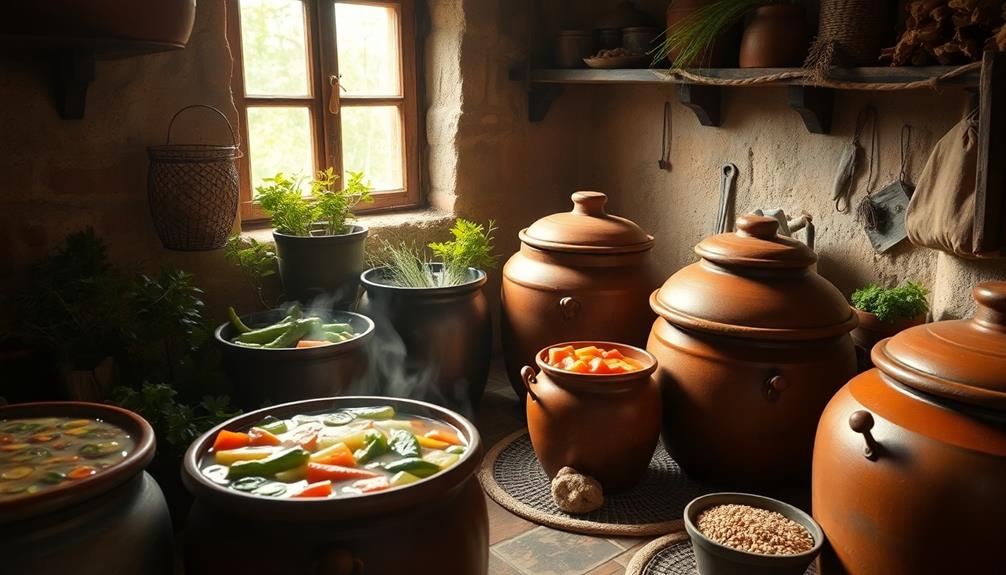
The Science Behind Fermentation: Unlocking Flavor and Nutrition
At its core, fermentation is a natural metabolic process that involves the conversion of sugars into acids, gases, or alcohol through the action of microorganisms. This age-old technique not only preserves food but also enhances its flavors and nutritional value. Understanding the science behind fermentation can unveil its broader applications in today’s cooking methods.
The basic principle of fermentation is deceptively simple: microorganisms, including bacteria and yeast, thrive in environments where they can feed on carbohydrates. In this process, they produce various byproducts that create the unique flavors associated with fermented foods. For example, lactic acid bacteria are responsible for the tangy taste found in yogurt and sauerkraut, while yeast is fundamental in producing the alcohol in beer and wine.
To grasp the full potential of fermentation in modern cooking, it helps to explore its various types and their unique flavor profiles:
- Lacto-Fermentation: This is the most common form of fermentation, where lactic acid bacteria convert sugars into lactic acid. Foods like pickles, kimchi, and yogurt are prime examples, providing a delightful balance of sour and savory tastes.
- Alcoholic Fermentation: This involves yeast converting sugars into alcohol and carbon dioxide. This type of fermentation gives us bread, beer, and wine. It is not only essential for creating drinks but also for the rise and texture of baked goods.
- Acetic Acid Fermentation: Acetic acid is produced through the fermentation of ethanol by acetic acid bacteria, which is the foundation for vinegar. This process enhances flavors and provides a sharp bite that can transform salads and marinades.
These various types of fermentation offer culinary opportunities that extend beyond simply preserving food. The recent resurgence of interest in fermentation reflects a broader trend toward artisanal techniques and sustainable living. Chefs are harnessing the complexity and tartness from fermented ingredients to create vibrant dishes that excite the palate. In the United States, many local producers are embracing this practice, crafting everything from kombucha to unique types of miso that cater to contemporary tastes while maintaining traditional methods.
Moreover, with the rise of food education programs and workshops, more individuals are learning how to make their own fermented foods at home. This DIY aspect not only fosters creativity in the kitchen but allows for greater control over ingredients, creating health-conscious options adaptable to any dietary need.
As we continue to explore how fermentation can transform our meals, it’s vital to appreciate its historical context. Every culture has its signature fermented delicacies that showcase local ingredients and traditional methods. In this way, fermentation becomes more than just a culinary technique; it is a testament to our collective history and an enduring element of gastronomy that keeps the past alive in our daily lives.
| Category | Benefits |
|---|---|
| Flavor Enhancement | Fermentation introduces complex flavors, creating depth and richness that elevate simple dishes. |
| Nutritional Benefits | Fermented foods are often richer in probiotics, enhancing gut health and boosting the immune system. |
The fascination with fermentation stems not only from its historical roots but also from its vibrant rebirth in modern culinary practices. With a growing emphasis on health-conscious eating and sustainability, fermentation has solidified its place as one of the most transformative techniques in contemporary kitchens. The process of fermentation harnesses the power of microorganisms to turn raw ingredients into delicious, nutritious fare. For example, the old-world craft of making sauerkraut has evolved, bringing probiotic-rich marinades to gourmet plates, showing that ancient practices can seamlessly transition into cutting-edge culinary art.Moreover, fermented products like kimchi and kombucha are not only trendy but also provide various health benefits, blending in seamlessly with a modern diet. The versatility of fermentation means that whether you’re transforming dairy, vegetables, or grains, you’re sure to enhance both flavor and nutrition. This delicate balance between tradition and innovation invites food enthusiasts to explore and experiment with their culinary skills, leading to unique, savory creations that invigorate classic recipes with a new identity.
DIVE DEEPER: Click here to discover the flavors of Southeast Asia
Culinary Creativity: Fermentation as a Flavor Catalyst
As chefs and home cooks alike delve deeper into the world of fermentation, they are discovering how it serves not just as a means of preservation but as a revolutionary tool for flavor enhancement. The art of fermentation opens a treasure trove of possibilities that can elevate everyday dishes into extraordinary culinary experiences. This is particularly relevant in contemporary American cuisine, where traditional methods are being reimagined to create both novel and nostalgic flavors.
Fermented ingredients play a starring role in many trending dishes, allowing chefs to experiment with bold flavors that engage the senses. For instance, the use of fermented hot sauces—made from chili peppers, spices, and, of course, lacto-fermentation—has skyrocketed in popularity. These sauces add not just heat but also a depth of flavor that’s often described as umami-rich and complex, making them a vital element in modern cooking.
Another example is miso, a fermented soybean paste that carries a robust, savory profile. While traditionally used in Japanese cuisine, it is now making its way into ingredients lists for everything from salad dressings to marinades, providing an unexpected twist on familiar recipes. Its versatility allows cooks to enhance roasted vegetables, enrich soups, or even serve as a flavorful rub for meats.
- Fermented Dairy: Beyond yogurt, fermented dairy products like kefir or labneh are being utilized to add creamy textures and tangy notes to dishes. These ingredients not only enhance flavor but also introduce probiotics that contribute to gut health, making them desirable in a wellness-oriented food culture.
- Craft Beverages: The craft beverage movement has not ignored the benefits of fermentation. Sours and wild ales brewed with various combination of fruits and yeast strains deliver a complex, refreshing experience that appeals to American consumers’ evolving palates. Pairing these beverages with food creates a sensory journey that celebrates the beauty of fermentation.
- Fermented Fruits: Fruits can also undergo fermentation to create vibrant chutneys and preserves. These condiments provide a delightful contrast to richer main dishes, while enhanced flavors help to cut through fat and cleanse the palate.
The value of fermentation extends into the realm of health and wellness, as increasing numbers of people turn to foods rich in probiotics. Research has shown that consuming probiotic foods can have positive implications for digestive health, immune response, and even mental well-being. This growing awareness has led to a greater appreciation for traditional fermented foods globally, and Americans are now more inclined to seek out items like pickled vegetables or fermented teas.
Furthermore, fermentation encourages experimentation. Many aspiring chefs are crafting their own ferments at home, inspired by DIY projects found on social media and culinary workshops. This trend promotes an interactive dining experience that connects people to their food and its origins, adding a layer of storytelling to the culinary art. With simple ingredients like cabbage, salt, and time, individuals can transform raw produce into flavorful staples, effectively blending tradition and modernity.
As the excitement around fermentation continues to rise, it becomes clear that this ancient technique is far from obsolete. Instead, it thrives as an innovative approach to cooking that not only honors the past but also addresses contemporary culinary desires and trends. With each new recipe and culinary creation, fermentation stands as a transformative force that breathes new life into familiar dishes, inviting everyone to explore the delightful possibilities it has to offer.
DISCOVER MORE: Click here to dive into delicious superfood recipes
Embracing the Ancient Art of Fermentation
In summary, fermentation is more than just a traditional method of food preservation; it is a rich tapestry of flavor and health benefits that revolutionizes modern cooking practices. As we have explored, fermented ingredients provide incredible depth to both familiar and avant-garde dishes, bridging cultures and culinary techniques. From the spicy notes of fermented hot sauces to the savory complexities of miso, these ingredients invite endless creativity in the kitchen. Moreover, the wellness revolution has prompted an increased awareness of the health benefits associated with fermented foods, including their role in gut health and overall well-being.
The rise of DIY fermentation projects signals a cultural shift, where individuals are not merely consumers but active participants in the journey of food. This revival fosters a connection between people and their nourishment, encouraging them to discover the fascinating origins behind their meals. By blending history with modernity, fermentation enriches our culinary landscape and reinvigorates our appreciation for the artistry of food.
As we continue to push boundaries and experiment in the kitchen, fermentation will undoubtedly remain a powerful ally. Those who embrace this age-old technique can unlock a world of flavors that tantalize the taste buds and invite exploration. In a culinary realm that prizes innovation, fermentation stands as an ancient secret poised to transform modern recipes, reminding us that some traditions may indeed have timeless relevance.