How to Create a Compost Blend for Nutrient-Rich Soil
Embracing the Benefits of Compost
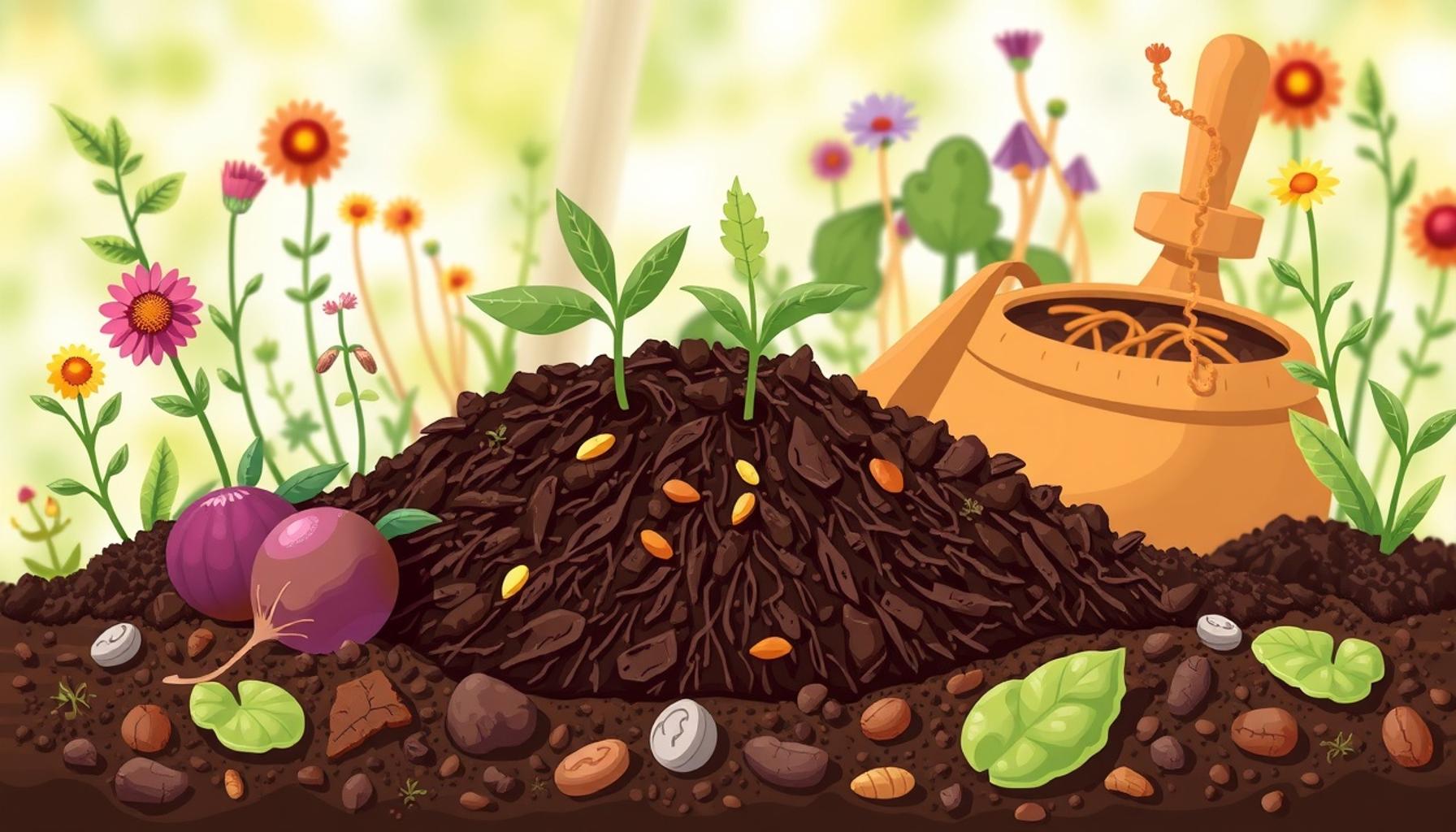
Creating a compost blend is not just a trend; it’s a sustainable practice that can transform your garden into a nutrient-rich paradise. Whether you’re a seasoned gardener or just starting out, understanding how to effectively blend compost can elevate your soil quality significantly. As awareness around environmental issues grows, the importance of composting becomes clearer, especially as communities across the United States seek sustainable solutions to waste management and soil depletion.
Why should you consider composting? Here are some compelling reasons:
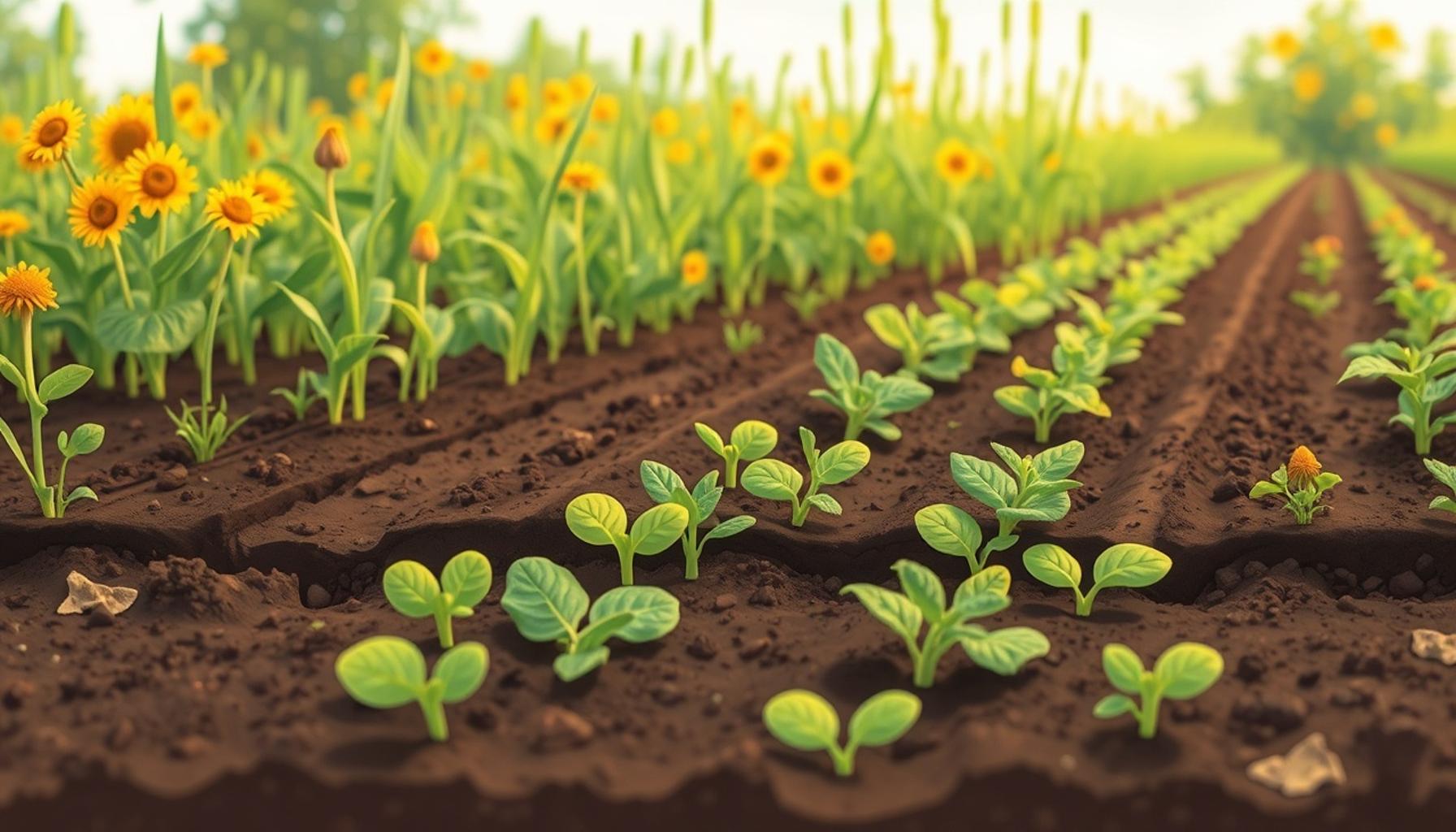
- Enhances Soil Fertility: Compost adds essential nutrients that plants crave. When you incorporate compost into your soil, you introduce vital components like nitrogen, phosphorus, and potassium, which are crucial for plant growth. For instance, vegetables such as tomatoes and carrots benefit immensely from compost, yielding healthier crops.
- Improves Soil Structure: A good compost mix improves drainage and aeration. Sandy soils become more cohesive, while clay soils gain the ability to drain better, making them easier to manage. This structural improvement helps roots spread out more easily and access water and nutrients.
- Reduces Waste: Composting recycles organic waste, minimizing landfill contributions. In the U.S., approximately 30% of waste is compostable organic material. By composting kitchen scraps like vegetable peels and coffee grounds, you actively reduce the amount of waste heading to landfills while enriching your garden.
To achieve a powerful compost blend, you need to know the right ingredients. The ideal mix includes:
- Green Materials: Nitrogen-rich items like kitchen scraps (e.g., fruit peels, vegetable trimmings, and coffee grounds) and fresh grass clippings provide the necessary nitrogen that helps organisms break down the material.
- Brown Materials: Carbon-rich elements such as dried leaves, straw, and cardboard provide energy for the decomposing microbes. Including a proper balance of brown materials ensures the composting process is efficient and effective.
- Water and Aeration: Essential for breaking down materials efficiently, water keeps the compost pile moist, while aeration allows air to circulate, aiding the decomposition process. Turning your compost regularly ensures that it decomposes evenly, speeding up the cycle.
This guide will walk you through the step-by-step process of crafting your perfect compost mix. Start by collecting your materials, layering them appropriately, and monitoring moisture levels. Add to your compost pile or bin regularly, and in just a few months, you’ll have rich, dark compost ready to nourish your garden. Ready to dig in and create soil that nourishes your plants and protects the environment? Let’s get started!
DIVE DEEPER: Click here to learn more
Gathering Your Ingredients: The Building Blocks of Compost
Creating a successful compost blend starts with understanding the basic ingredients you’ll need for your pile or bin. Each component contributes to the overall health and effectiveness of your compost, ensuring that it breaks down into nutrient-rich soil that can welcome a flourishing garden.
The first step is to source green materials, which are essential for providing nitrogen. These items are typically moist and include:
- Kitchen Scraps: Vegetable peels, fruit cores, and leftover food scraps (avoid dairy and meat to keep pests away).
- Grass Clippings: Freshly cut grass provides a great source of nitrogen and helps keep the compost pile warm.
- Coffee Grounds: Rich in nitrogen, these are a gardener’s favorite, also adding acidity to the mix.
On the other hand, brown materials are rich in carbon and are vital for balancing your mix. These dry, woody items fuel the microbes that break down the green materials. Consider including:
- Dried Leaves: Collect fallen leaves in the autumn; they are a powerhouse of carbon.
- Straw or Hay: These provide structure to your compost, enhancing airflow.
- Cardboard: Shredded cardboard or egg boxes can also add valuable carbon while helping to aerate your compost.
The balance between green and brown materials is crucial; ideally, you should aim for a ratio of two parts green to three parts brown. This ensures that your compost has enough nitrogen to break down the carbon-rich materials effectively. Remember, too much nitrogen can lead to a stinky mess, while too little can slow down decomposition.
Another vital aspect of crafting a quality compost blend is maintaining proper moisture and aeration. Your compost pile should be as moist as a wrung-out sponge – not too wet and not too dry. Water can be added during dry spells, but over-watering can lead to anaerobic conditions, causing unpleasant odors and a slimy texture.
Aeration is equally important, as it allows oxygen to reach the microorganisms breaking down your organic matter. Turning your compost every few weeks with a pitchfork or compost aerator helps circulate air. This practice not only speeds up decomposition but also makes for a more even distribution of materials and moisture.
Now that you understand the two main components of your compost and the importance of moisture and aeration, you’re ready to begin layering your ingredients. This thoughtful approach will lead you to create a compost blend that results in rich, dark, and nutrient-dense soil capable of nurturing your plants. So, let’s delve deeper into the layering process in the next section!
Understanding the Components of a Successful Compost Blend
Creating a nutrient-rich compost blend involves selecting the right materials that will break down efficiently while providing essential nutrients to your garden soil. To achieve this, it’s crucial to understand the balance between “greens” and “browns” in your compost mix. Greens are nitrogen-rich materials such as kitchen scraps, grass clippings, and green leaves, while browns are carbon-rich materials like dried leaves, cardboard, and straw. A typical ratio considered ideal is about 2 parts browns to 1 part greens. This balance supports the microbial activity necessary for effective decomposition.
Another important aspect is ensuring adequate moisture in your compost. A well-moistened compost heap will break down faster, but it should not be soggy. Aim for a moisture level similar to that of a damp sponge. You can add water occasionally or cover the pile to prevent excess rain from diluting your efforts.
Layering Your Compost
The technique of layering your compost can greatly enhance its aeration and nutrient absorption. Start with a base of coarse materials like small branches to promote airflow at the bottom, then alternate your layers of greens and browns. This method helps ensure that the compost remains loose and well-aerated, allowing beneficial microorganisms to thrive, which is crucial in producing nutrient-dense compost.
Additionally, incorporating a variety of compost materials increases biodiversity within your pile, allowing for a more balanced nutrient profile. Consider adding items like crushed eggshells for calcium or coffee grounds for nitrogen, ensuring they are well-mixed into the blend to prevent any strong odors and encourage faster breakdown.
Maintaining Your Compost Pile
Regular maintenance of your compost pile can promote its efficiency. Turn your compost regularly, about every two to three weeks, to aerate the pile and speed up the decomposition process. This activity reintroduces oxygen and redistributes the materials, helping all parts of the pile to break down evenly. Additionally, as your compost breaks down, it will lose volume, so you may need to add new materials periodically to maintain a healthy compost ecosystem.
Incorporating these practical techniques will ensure you create an effective compost blend, resulting in nutrient-rich soil that benefits your garden immensely. By understanding the components, layering effectively, and maintaining your compost pile, you can enjoy a thriving garden and contribute positively towards sustainable living practices.
| Component | Advantages |
|---|---|
| Greens | Provides nitrogen to accelerate decomposition |
| Browns | Offers carbon, essential for microbial growth |
| Aeration | Enhances decomposition speed and improves air circulation |
| Moisture | Facilitates microbial activity and nutrient breakdown |
DISCOVER MORE: Click here for insights on mulching
Layering Your Ingredients: The Art of Compost Construction
Once you have gathered the essential ingredients for your compost blend, the next step involves the strategic layering of these materials. A well-constructed compost pile not only improves decomposition but also adds aeration and moisture retention, ensuring your compost transforms into nutrient-rich soil efficiently.
The layering process typically starts with a base layer of coarse materials. This initial layer acts as a drainage system, allowing excess moisture to escape while preventing compacting of the pile. Some ideal base materials include:
- Twigs and Small Branches: These provide excellent airflow and create space for oxygen to penetrate deeper into the compost mix.
- Dried Pine Needles: Though mildly acidic, they can add texture and help maintain the balance of carbon in your compost.
- Small Rocks or Gravel: These help with drainage and prevent the bottom of the pile from becoming overly soggy.
After establishing a solid base, it’s time to start layering your green and brown materials. It’s crucial to alternate between the two to create an optimal environment for microbial activity. For example, you can use two to three inches of green materials followed by an equal or slightly larger layer of brown materials. This not only maintains a balanced ratio but also keeps moisture evenly distributed throughout the composter.
Mixing vs. Layering: Which is Best?
While layering is a traditional method, many gardeners opt for mixing their compost ingredients. Incorporating a mixture facilitates quicker decomposition, as it increases the surface area for microbes to work their magic. If you choose this method, ensure plenty of airflow and maintain the proper moisture level to prevent anaerobic conditions. Ultimately, whether you decide to layer or mix will depend on your space, preferred method, and time commitment.
When considering additional ingredients to enhance your compost blend, think about the nutritional value they bring. Worm castings, for instance, are a powerhouse of nutrients and can be added to the compost mix. Similarly, wood ash (in moderation) can provide potassium and other trace minerals, promoting healthy plant growth. You can also consider other organic additives like crushed eggshells, which supply calcium, aiding in soil structure and plant health.
Maintaining Your Compost: The Ongoing Care
As your compost progresses, it’s imperative to monitor its condition. Pay attention to temperature; a well-functioning compost pile will heat up significantly as microorganisms break down the materials. Ideal temperatures typically range between 130°F to 160°F. If your pile is cooling down, turning it may help reactivate microbial activity.
Moreover, engaging with your compost regularly allows you to observe moisture levels. If you find areas that are dry, simply sprinkle a little water or add more green materials to balance it out. Conversely, if it’s too wet and compacted, try adding more brown materials or turning the pile to aerate it. This ongoing interaction will lead you toward a successful compost blend, setting the foundation for rich, fertile soil.
In the upcoming sections, we will address troubleshooting common composting issues and explore how to harvest your enriched compost to support the growth of your plants effectively.
DIVE DEEPER: Click here to learn more
Final Thoughts on Crafting Your Compost Blend
Creating a successful compost blend isn’t merely about tossing garden scraps together; it’s a meticulous process that results in nutrient-rich soil that can greatly enhance your garden’s productivity. By understanding the importance of layering your ingredients and maintaining an optimal balance between green and brown materials, you set the stage for a thriving compost ecosystem. Each element, from coarse materials at the base to the well-chosen additions like worm castings and wood ash, plays a critical role in ensuring effective decomposition and nutrient availability.
The maintenance of your compost pile is equally essential. Regularly checking moisture levels, monitoring temperature, and engaging with the compost physically enables you to foster an environment where beneficial microorganisms can flourish. As you embark on your composting journey, remember that it is a dynamic process, welcoming experimentation and adjustment to meet the needs of your unique setup.
Ultimately, the effort you invest in crafting a compost blend may not only yield healthier plants and bountiful harvests but also promote sustainable gardening practices. As you dive deeper into the world of composting, you’ll discover further intricacies and techniques. Embrace the knowledge gained and share your experiences, contributing to a community of environmentally conscious gardeners. Every handful of rich, dark compost signifies a step towards a more sustainable future, nourishing both your garden and the planet.