

The Rise of Natural Language Processing in Human-Machine Interaction
As technology rapidly advances, the interfaces through which we interact with machines are becoming more sophisticated, paving the way for a new era of communication. Natural Language Processing (NLP) is a core component of this evolution, bridging the gap between human language and computer understanding. This capability enables a more natural and human-like dialogue between users and machines, moving beyond simplistic command-and-response systems to more intuitive interactions.
To illustrate the impact of NLP, consider the widespread adoption of virtual assistants. Devices such as Amazon Alexa and Google Assistant exemplify how NLP allows users to control smart home devices with ease. For instance, a user can simply say, “Turn off the kitchen lights,” and the assistant intelligently interprets this command. Not only does it execute the action, but it may also confirm the task verbally, enhancing user engagement.
In the realm of customer support, the emergence of chatbots presents another powerful application of NLP. These AI-driven systems can handle a multitude of inquiries—ranging from troubleshooting issues to providing product recommendations—at any hour of the day. For example, a retail company might deploy a chatbot to assist customers when their human staff is unavailable, making the shopping experience more seamless. Since customers can receive immediate responses, businesses benefit from enhanced customer satisfaction and operational efficiency.
NLP extends its capabilities into content creation as well, with tools like Grammarly and Jasper AI revolutionizing how users draft and refine their writing. These platforms not only catch grammatical errors but also offer suggestions that enhance clarity and engagement. As users compose emails, reports, or social media posts, real-time feedback promotes a higher quality of communication, which can be especially valuable in professional settings.
The advancements in NLP also play a crucial role in enhancing accessibility. Individuals with disabilities can utilize voice recognition and speech-to-text capabilities, enabling them to interact with technology in ways that were previously unimaginable. This shift dissolves barriers and fosters greater inclusion, allowing all users to experience the digital world more fully. As machines increasingly understand context, tone, and nuance, the interactions become richer and more human-centered.
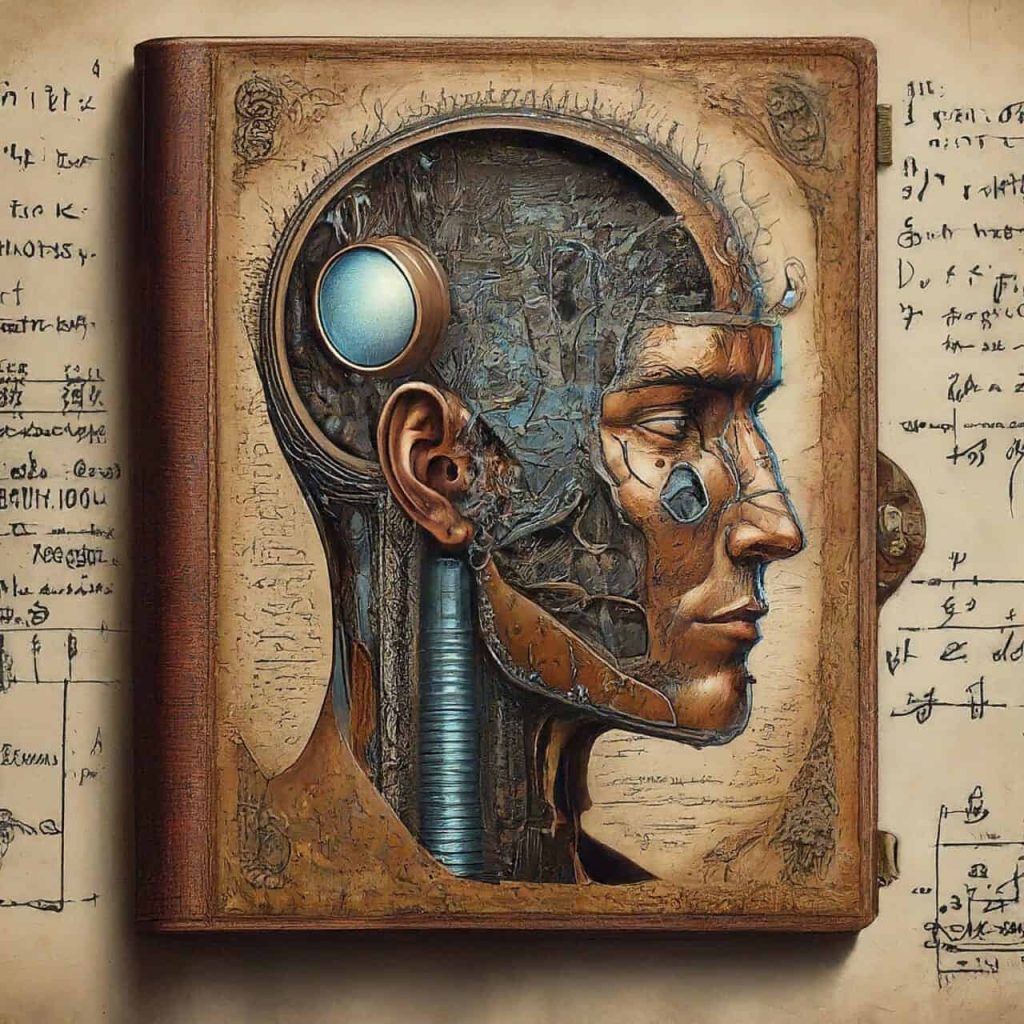
As we explore the world of natural language technologies, it becomes clear that these innovations are set to redefine user interfaces. However, as we embrace these changes, we must also address the challenges they present, such as data privacy concerns and the potential for algorithmic bias. Navigating this new landscape will require vigilance and thoughtful engagement, ensuring that as we look to the future, our interactions with technology remain beneficial and inclusive.
In conclusion, the journey of NLP and human-machine interaction promises to unveil exciting innovations that could further transform our relationship with technology. With each advancement, we inch closer to a reality where communication with machines feels as effortless as conversing with a fellow human, opening the door to endless possibilities for collaboration and creativity.
DIVE DEEPER: Click here to discover more
Enhancing User Experience Through Conversational Interfaces
The way we interact with machines is undergoing a dramatic transformation thanks to the advancements in Natural Language Processing (NLP). The move from traditional graphical user interfaces to conversational interfaces has created a more fluid and intuitive user experience. The rise of these systems allows users to express their needs and desires using everyday language, thereby reducing the friction often associated with technology use.
Conversational interfaces are not limited to virtual assistants; they encompass a wide variety of applications that leverage NLP to facilitate communication. For instance, businesses are implementing voice-activated systems in various sectors, particularly in retail and hospitality. Imagine a customer walking into a hotel lobby and checking in with a voice-activated kiosk that understands their natural speech. This not only speeds up the process but also elevates customer satisfaction by making the interaction feel more human-centric.
Furthermore, the ability of machines to understand context and intent has significantly improved. Modern chatbots can interpret the subtleties of human expression, such as sarcasm or urgency. Here are some key features that make conversational interfaces appealing for enhancing user experience:
- Context Awareness: NLP systems can remember previous interactions, allowing for a more personalized user experience. If a customer inquires about a previous order, the system can retrieve relevant information without requiring the user to repeat themselves.
- Multiple Languages: Advanced NLP capabilities enable machines to engage with users in various languages, expanding accessibility and allowing global users to communicate effortlessly.
- Emotional Intelligence: Some NLP systems are being designed to detect emotions based on tone and language choice, which can lead to responses that are better tailored to the user’s state, increasing empathy in interactions.
The business implications of these transformations are profound. Retailers harness conversational interfaces not only for customer service but also for enhanced product discovery. By using natural language queries, users can ask for recommendations in a manner that feels comfortable and intuitive. This seamless browsing experience can lead to impulsive purchases, as users are guided effectively through their decision-making processes.
Moreover, organizations are also leveraging NLP to conduct sentiment analysis on customer feedback collected via reviews and social media. By analyzing the language used by customers, businesses can identify trends and areas for improvement, ensuring that their products and services align more closely with consumer expectations.
As technology continues to advance, the integration of NLP within human-machine interaction is not just a trend but a fundamental shift towards creating more engaging and personalized experiences. However, this progress comes with challenges such as the need for accurate data handling and ensuring the ethical use of AI technologies. As we move forward, navigating these aspects will be crucial in maintaining user trust and satisfaction in interactions with machines.
As the landscape of human-machine interaction continues to evolve, the integration of natural language processing (NLP) is becoming a game changer. This transformative technology empowers machines to understand and interpret human language in ways that were previously unimaginable. By facilitating more intuitive interactions, NLP enhances user experience significantly.One of the key advantages of incorporating NLP in human-machine interactions is its ability to create conversational interfaces. These interfaces allow users to communicate with machines using everyday language, making technology more accessible. For instance, virtual assistants like Siri and Alexa rely heavily on NLP to understand commands, answer questions, and even engage in casual conversation. This not only simplifies the user experience but also fosters a sense of connection between humans and technology.Moreover, the use of NLP can lead to personalized experiences. By analyzing user data and preferences, systems can tailor responses, recommendations, and interactions that cater to individual needs. This elevated level of personalization creates a more engaging and user-friendly environment. Users feel understood and valued, which significantly enhances satisfaction.Additionally, error reduction is another critical aspect that NLP brings to the table. Traditional user interfaces often relied on rigid command structures, where slight deviations or errors could lead to failures in executing tasks. NLP is adept at understanding context and intent, helping to minimize errors and streamline interactions, thereby saving time and reducing frustration.Furthermore, as businesses look to enhance customer service, NLP-powered chatbots have surged in popularity. These bots provide immediate responses, assist with inquiries, and can handle multiple interactions at once, presenting a cost-effective solution for businesses while improving customer engagement. The efficiency and availability of chatbots signify a shift towards a future where human-machine interaction is not just transactional but also conversational and continuous.Incorporating NLP into human-machine interaction is not just a technological advancement; it represents a crucial step towards creating more natural, human-centric experiences in our increasingly digital world. As these systems become smarter, the boundaries of what is possible continue to expand, inviting users to explore new interactions that were previously thought to be purely science fiction.
DISCOVER MORE: Click here to learn more
Revolutionizing Customer Support and Engagement
Another critical area where Natural Language Processing (NLP) is making waves is in the realm of customer support and engagement. Traditional support systems often rely on rigid scripts, leading to frustrating experiences for users who need specific answers quickly. With the infusion of conversational interfaces, companies are now able to provide a level of engagement that closely resembles interacting with a knowledgeable human representative.
One of the most striking examples of NLP in customer service is the surge in the adoption of AI-driven chatbots. Unlike their predecessors, these chatbots are capable of handling complex queries with great finesse and can learn from each interaction. A study conducted by the Customer Service Institute revealed that businesses utilizing AI chatbots experienced a reduction in response time by up to 70%, resulting in notably higher customer satisfaction ratings. This agility not only streamlines support but also enhances the overall experience for users.
Moreover, proactive customer engagement is becoming the norm. Companies now employ NLP tools to analyze support tickets and proactively identify trends in customer queries. For instance, if multiple users report an issue with a specific product feature, the system can trigger automatic alerts for support teams to address the concern before it escalates. This anticipatory approach to support exemplifies how NLP is not just reactive but also transformative in enhancing the user experience.
- Scalability: NLP-based systems offer scalability that traditional support can’t match. A single chatbot can handle hundreds of interactions simultaneously, reducing the burden on human agents and allowing them to focus on more complex issues.
- 24/7 Availability: With NLP, users can receive support at any time of the day, breaking geographical and time zone barriers. This reality is especially impactful for businesses with a global customer base, enabling them to provide consistent support without interruptions.
- Data-Driven Insights: Advanced NLP solutions gather vast amounts of interaction data, which can be analyzed for customer behavior insights. This information is invaluable for organizations looking to refine their services and marketing strategies.
Furthermore, the interplay between NLP and machine learning is providing new avenues for innovation in human-machine interaction. Through machine learning algorithms, systems can adapt their conversational approaches based on user preferences and behavior patterns. For example, a customer who frequently interacts with a retail chatbot may have specific phrases or topics they prefer, allowing the AI to customize interactions accordingly. This level of personalization breeds loyalty, as users feel understood and valued.
As NLP continues to evolve, it is essential for businesses to prioritize ethical considerations in deploying these technologies. Ensuring transparency about data usage and maintaining privacy are paramount for fostering trust in users. In the dynamic landscape of digital interaction, user-centric approaches combined with responsible AI use can pave the way for a future where machines not only serve as tools but as trusted companions in our everyday experiences.
DISCOVER MORE: Click here to learn about the future of industrial automation
Looking Ahead: The Future of Human-Machine Interaction
As we venture deeper into the era of Natural Language Processing (NLP), it becomes increasingly evident that its impact on human-machine interaction is profound and far-reaching. The integration of conversational interfaces, whether through chatbots or voice-activated assistants, has redefined the user experience, making it more seamless, responsive, and engaging. Companies that harness the power of NLP are not merely improving customer service; they are shaping a future where machines foster genuine connections with users.
The advantages of this transformative shift are compelling. With capabilities like scalability and instant access to support, organizations can cater to a diverse clientele with unprecedented efficiency. Furthermore, the ability to gather and analyze interaction data opens new avenues for understanding customer behavior, enabling businesses to tailor their strategies more effectively. This does not just enhance user satisfaction but drives loyalty and trust—crucial elements in today’s competitive market.
However, as we embrace this technological evolution, it is vital to approach it with caution and responsibility. Ethical considerations surrounding data use and user privacy must remain at the forefront. Stakeholders must ensure that as machines grow more intelligent, they also uphold the core values of transparency and user empowerment.
In summary, the intersection of human-machine interaction and natural language technologies heralds a new chapter in user experience design. As we continue to explore the vast potential of these technologies, the real question remains: How can we leverage them not just to enhance interactions but to create enduring bonds that enrich our everyday lives? The pursuit of this balance will ultimately determine the success of NLP in our digital future.


 Linda Carter