Organization of the Workspace: How a Minimalist Environment Can Increase Time Management Efficiency

The Impact of Minimalist Workspace Design on Productivity
In the relentless pace of modern life, where distractions abound and time is a prized commodity, creating an effective workspace is essential for maximizing productivity. One highly effective approach that has gained momentum is the minimalist workspace design. This concept, which focuses on simplicity and efficiency, not only enhances time management but also promotes a clearer mindset. But what makes a minimalist environment so compelling in today’s work culture?
A minimalist workspace prioritizes functionality by eliminating excessive items and distractions. This leads to several key advantages:
- Reduced Distractions: An uncluttered environment minimizes visual noise, allowing workers to focus intently on their tasks. Research has shown that even a few distracting items can significantly reduce concentration levels. For example, a study from Princeton University revealed that clutter can overwhelm the brain’s ability to think creatively.
- Improved Organization: When a workspace is designed with clear, defined spaces for each task, it enhances workflow. This means less time spent searching for lost items and more time spent on productive work. Industries that thrive on efficiency, such as technology and design, have adopted this model to streamline their operations.
- Enhanced Clarity: A minimalist setup fosters better mental clarity. With fewer items competing for attention, individuals can think more freely and creatively. This setup allows for deep work—focused activity devoid of interruptions—which has become increasingly valuable in creative industries.
Moreover, having fewer materials visible can significantly decrease the time spent managing the physical workspace. For instance, a simple desk setup with only a computer, a notebook, and a pen can create an environment conducive to deep focus, whereas a cluttered desk filled with unnecessary objects might lead to frustration and wasted time.
In recent years, studies have indicated that organized workspaces not only lead to heightened productivity but also contribute to better mental well-being. For instance, a clean and orderly environment has been linked to lower levels of stress, which is increasingly important in the face of burnout and mental fatigue prevalent in today’s workforce.
As workplaces evolve with the rise of remote work and agile methodologies, embracing the minimalist approach becomes crucial. The shift towards virtual offices and co-working spaces highlights the need for efficient designs that cater to both functionality and the mental health of employees.
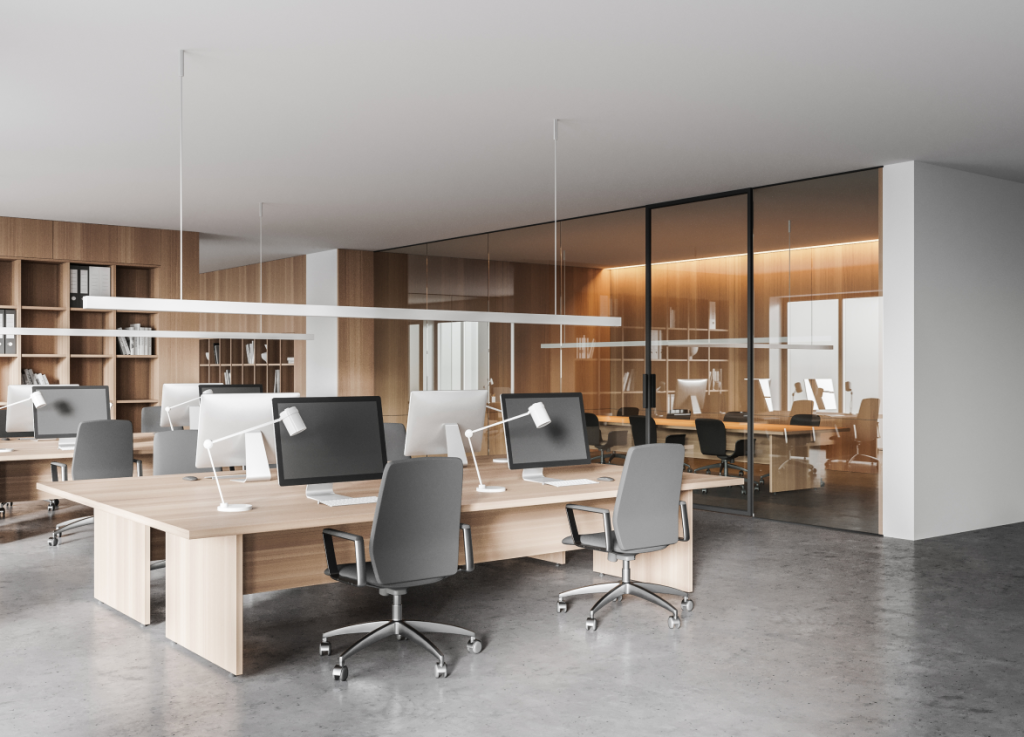
Understanding the myriad benefits of minimalism can transform your work environment into a sanctuary of productivity and creativity. By adopting minimalism, you not only enhance your time management capabilities but also nurture a workspace that supports your overall well-being. As you explore this topic, consider how implementing a minimalist design can lead to significant improvements in your daily work routine.
DISCOVER MORE: Click here to dive deeper
Key Principles of Minimalist Workspace Design
Adopting a minimalist workspace is not merely about having fewer items on your desk; it’s a comprehensive approach that fundamentally changes how we approach our work. Various principles underpin this design philosophy, enabling individuals to leverage a simplified environment to boost their efficiency and time management skills. Below are some key principles that can guide one towards a more productive minimalist setup:
- Emphasizing Functionality: Every item in a minimalist workspace should have a clear purpose. Choosing functional furniture and tools that facilitate productivity rather than complicate it becomes vital. For instance, opting for a desk and chair that promote good posture can not only enhance comfort but also increase focus and energy levels throughout the day.
- Creating Defined Zones: A minimalist workspace often employs the concept of designated areas for specific tasks. By segmenting your workspace into zones for different activities—such as computer tasks, reading, or brainstorming—you can streamline your workflow and reduce the mental toll of task-switching. This modularity contributes to better time management by allowing a more straightforward transition between tasks.
- Incorporating Natural Elements: Many minimalist designs incorporate elements of nature, like plants or natural light, which can significantly enhance mood and foster a sense of tranquility. Studies suggest that having plants in the workplace can improve air quality and lower stress levels, making it easier for employees to concentrate on their work.
- Utilizing Technology Wisely: In an age where technology can be both a tool and a distraction, it’s crucial to use it wisely in a minimalist workspace. Embracing digital tools that promote organization—such as task management apps or electronic calendars—while consciously avoiding notifications and excessive social media can sharpen focus and enhance time management.
While implementing these principles, it’s essential to continually assess and adapt the workspace to fit personal preferences. A minimalist setup is not a one-size-fits-all solution; rather, it should reflect individual workflows and working styles. For example, some may thrive with a completely bare desk, while others might need a few select items that inspire creativity.
Moreover, maintaining a minimalist workspace requires periodic decluttering to ensure that unnecessary items do not infiltrate the environment. This proactive approach fosters a habit of mindfulness and intention in how one manages their workspace, ultimately translating into a more efficient use of time. Studies show that regular organization and a focus on minimalism can result in actually saving hours in the week that would otherwise be spent navigating through clutter.
As organizations and individuals begin to recognize the profound impact that a minimalist workspace can have on time management, it is crucial to champion these principles to reap the benefits. This purposeful reduction of distractions can lead to not just improved productivity but also enhanced creativity and job satisfaction in the long run.
| Advantages of Minimalism | Impact on Time Management |
|---|---|
| Reduced Distractions | A minimalist workspace eliminates clutter, which enhances focus and concentration, leading to better productivity. |
| Improved Organization | With fewer items to manage, it’s easier to locate essential tools and resources quickly, saving valuable time. |
| Enhanced Creativity | A streamlined environment fosters creative thinking, allowing for innovative solutions to emerge faster during work processes. |
| Minimal Maintenance | With fewer items to clean and manage, time is freed up for important tasks instead of chores. |
The minimalist approach in workspace organization significantly aids in enhancing time management efficiency. It is essential to embrace these strategies to experience improved workflow and greater overall productivity. In exploring the benefits outlined, readers are encouraged to delve deeper into how adopting a minimalist environment can transform personal or professional workspace dynamics, thereby fostering an atmosphere that is conducive to success.
DIVE DEEPER: Click here for innovative storage ideas
The Psychological Impact of a Minimalist Workspace
The effect of a minimalist workspace extends beyond aesthetics and organization; it significantly influences psychological well-being. This is critical in a fast-paced environment where mental clarity is paramount for effective time management. When individuals work in cluttered spaces, research indicates that it can lead to increased feelings of stress and overwhelm. In contrast, a minimalist workspace unleashes a sense of calm that enables deeper focus and productivity. Studies show that a well-organized environment can reduce the level of the stress hormone cortisol, allowing individuals to approach their tasks with a clear mind.
Additionally, cognitive load theory posits that our brains have limited processing capacity. A minimalist workspace minimizes distractions and unnecessary stimuli, allowing individuals to concentrate on the essential tasks at hand. This environment creates a less demanding cognitive load, thereby enhancing decision-making skills. For instance, professionals working in tech firms or creative industries often find that eliminating extraneous materials helps them tackle complex problems more efficiently, ultimately saving time.
Establishing Routines in a Minimalist Setting
Another benefit of a minimalist workspace is its compatibility with the development of productive routines. Rituals engineered around time management save mental energy as the individual no longer has to make multiple decisions throughout the day regarding when, where, or how to perform certain tasks. By establishing specific zones or areas in the workspace for dedicated activities, individuals are better equipped to build habits that align with their productivity goals.
For instance, creating a “focus zone” equipped with essential tools such as noise-canceling headphones and a comfortable chair can enhance deep work sessions. Furthermore, establishing a decluttering routine at the end of each day reinforces the minimalist philosophy, setting up a clean slate for tomorrow. Research indicates that individuals who engage in routine decluttering are not only more organized but also report higher levels of job satisfaction and greater achievement towards their goals.
Enhancing Collaboration with Minimalism
It’s also worth noting how minimalist design can improve collaborative efforts. In environments where teamwork is essential, such as coworking spaces or open offices, creating a minimalist approach can mitigate the chaos that often comes with group work. By implementing clean seating arrangements and shared workstations that promote open communication while minimizing distractions, colleagues can engage more freely in brainstorming and problem-solving sessions.
Additionally, visual clutter can stir feelings of competition among team members, whereas a minimalist environment fosters collective responsibility for maintaining a tidy space. When individuals work together in a thoughtfully designed minimalist setting, they encourage each other to stay focused and committed to their time management objectives.
To summarize, the psychological benefits, enabled routines, and enhanced collaborations facilitated by a minimalist workspace are clear. As businesses and individuals increasingly prioritize the optimization of their time, understanding these facets of workspace organization becomes ever more crucial in cultivating an effective, focused, and productive environment. By delving deeper into the principles of minimalism, one can unearth profound insights that reshape not just productivity, but overall work satisfaction as well.
DIVE DEEPER: Click here to discover more
Conclusion: Embracing Minimalism for Maximum Efficiency
In a world where productivity is more crucial than ever, the organization of the workspace through a minimalist environment emerges as a powerful strategy to enhance time management efficiency. The evidence is compelling: a clean, uncluttered workspace not only fosters mental clarity but also reduces stress, enabling individuals to focus on what truly matters. The psychological benefits of such an environment—lower cortisol levels and diminished cognitive load—equate to improved decision-making and creativity, essential qualities in today’s demanding workplaces.
Establishing productive routines in a minimalist space can lead to higher job satisfaction and achievement, as individuals become adept at managing their time more effectively. By designating specific areas for concentrated tasks and incorporating decluttering practices into daily life, professionals can eliminate distractions and streamline their workflow. Moreover, a minimalist approach can facilitate better collaboration among teams, creating a culture of collective responsibility and shared clarity that benefits everyone involved.
As forward-thinking businesses in the United States begin to recognize the advantages of minimalist workspaces, it becomes essential for professionals at all levels to consider their own environments. Embracing minimalism is not merely a design choice; it is a strategic move toward maximizing time management efficiency and overall productivity. To truly thrive, individuals and organizations alike must delve into the principles of minimalism, transforming their workspace into a sanctuary of focus, creativity, and efficiency.
Related posts:
The Art of Saying No: How Minimalism Can Help with Time Management
Minimalist Planning: Tools and Techniques to Simplify Your Schedule
Creating Space: How Minimalism Can Transform Your Approach to Time
Minimalism and Priorities: How to Define What Really Matters on Your Agenda
Natural Rhythms: Synchronizing Your Daily Routine with the Cycles of Minimalist Living
Less is More: The Impact of Reducing Tasks on Productivity and Personal Organization

Linda Carter is a writer and organization expert specializing in minimalism and personal organization. With extensive experience helping individuals create clutter-free, functional spaces and adopt mindful habits, Linda shares her knowledge on our platform. Her goal is to empower readers with practical advice and strategies to simplify their lives, stay organized, and achieve a sense of calm and balance in their daily routines.