
Revolutionizing Medical Practices through Innovative Technology
The integration of computer vision in healthcare is fundamentally transforming the medical landscape. By leveraging advanced image processing capabilities, this technology is changing how medical professionals approach diagnostics and patient monitoring. With the implementation of these sophisticated tools, healthcare systems are enhancing both the accuracy and efficiency of patient care, ultimately leading to superior health outcomes. Given the increasing accessibility and sophistication of computer vision, healthcare facilities across the nation are identifying groundbreaking applications that promise to elevate standards of care.
Key Benefits of Computer Vision in Healthcare
- Improved Diagnostic Accuracy: One of the most notable advantages is the ability of computer vision technologies to analyze medical images, including X-rays, MRIs, and CT scans, with unprecedented precision. For example, studies have shown that AI algorithms can outperform radiologists in detecting conditions like pneumonia from chest X-rays, leading to more confident and timely diagnoses.
- Real-Time Patient Monitoring: Thanks to automated systems, healthcare professionals can continuously assess patient conditions. These systems monitor vital signs and alert medical staff to any deviations that require immediate attention. An example includes wearable devices that track heart rhythms in real-time, allowing for immediate interventions in cases of arrhythmias.
- Enhanced Workflow Efficiency: By streamlining processes through automation, computer vision reduces the burden of administrative tasks on healthcare practitioners. This allows them to redirect their focus toward patient care. Enhanced documentation processes ensure that patient histories, treatment plans, and progress notes are maintained efficiently, saving time and minimizing the risk of errors.
As the adoption of artificial intelligence technology accelerates, healthcare professionals in the United States are reaping the benefits of these transformative diagnostic tools. Many organizations are experiencing significant improvements in various aspects of patient care, particularly in:
- Radiology: AI-assisted systems are able to swiftly identify anomalies such as tumors or fractures in medical images. Notably, institutions like Stanford University have developed AI algorithms that not only match but, in some cases, exceed the diagnostic capabilities of seasoned radiologists.
- Chronic Disease Management: Continuous monitoring, facilitated by computer vision, plays a crucial role in managing chronic diseases such as diabetes and hypertension. For instance, devices equipped with computer vision can analyze eye images to detect diabetic retinopathy, allowing for early interventions.
- Surgery: Enhanced visual guidance during surgical procedures leads to improved outcomes and reduced complications. Surgeons using AR (augmented reality) technologies powered by computer vision can overlay critical information on their field of view, ensuring precision and reducing risks associated with invasive surgeries.
As we continue to explore how these advancements will shape the future of medicine, it is crucial to delve into the innovative applications on the horizon. Technologies that harness computer vision, such as telemedicine and personalized care solutions, promise to further redefine the standards of healthcare, making it more accessible and efficient for patients and providers alike.
DISCOVER MORE: Click here to dive deeper
The Transformative Power of Computer Vision in Medical Diagnostics
Computer vision is emerging as a game changer in the realm of healthcare, introducing new possibilities for diagnostic tools and patient monitoring systems. With the ability to analyze vast amounts of visual data quickly and efficiently, healthcare providers are increasingly reliant on these technologies to enhance clinical outcomes. The most compelling applications of computer vision are not only improving existing diagnostic methods but also paving the way for revolutionary approaches that have the potential to redefine patient care.
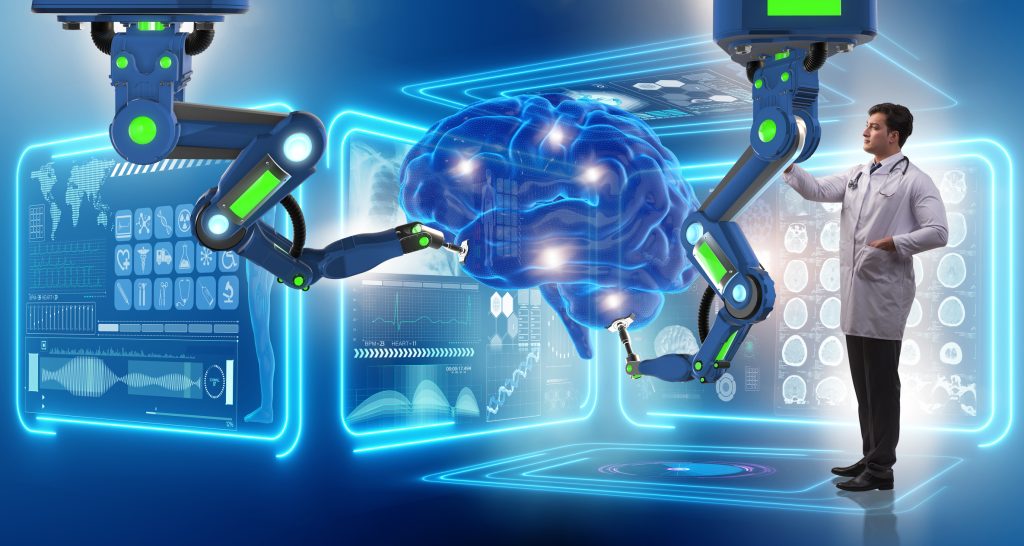
Advanced Imaging Analysis
At the heart of computer vision’s impact on diagnostics lies its capability to interpret medical imaging with remarkable accuracy. By employing machine learning algorithms and deep learning techniques, computer vision systems can detect subtle patterns in images that may evade even the most experienced healthcare professionals. This precision is particularly crucial in fields such as radiology, where identifying early signs of disease can lead to timely interventions.
- Pattern Recognition: Computer vision systems are adept at identifying abnormalities in medical images, such as tumors, fractures, or other irregularities. These systems can analyze thousands of images within seconds, drastically reducing the time frame for diagnosis.
- Automated Screening: For conditions such as diabetic retinopathy or skin cancers, computer vision algorithms can streamline the screening process by analyzing retinal fundus photographs or dermatoscopic images for early indicators, facilitating prompt care decisions.
- Consistency and Standardization: One significant advantage of computer vision is its ability to maintain consistency in image analysis, minimizing inter-observer variability that can sometimes lead to misdiagnoses. This reliability enhances the overall quality of patient care throughout healthcare systems.
Continuous Patient Monitoring via Computer Vision
The advent of wearable devices equipped with computer vision capabilities is revolutionizing patient monitoring. These devices, which might include smartwatches or specialized health monitors, collect vital health data in real-time, enabling proactive treatment approaches. By integrating computer vision technologies, healthcare providers can now track key indicators without the need for intrusive procedures.
- Vital Sign Monitoring: Wearable technology powered by computer vision can continuously monitor heart rates, respiratory patterns, and other critical metrics. This information is invaluable for patients with chronic conditions, allowing for immediate adjustments in treatment when necessary.
- Behavioral Insights: Advanced analytics of visual data lets healthcare professionals observe and analyze patient behavior. This data can inform treatment plans, especially in areas such as mental health where visual cues can indicate changes in a patient’s emotional state.
- Remote Health Assessments: With the rise of telehealth, computer vision offers a means to conduct remote assessments. Patients can receive virtual consultations where computer vision algorithms analyze uploaded images, helping doctors formulate diagnoses from afar.
As computer vision continues to evolve, it promises to usher in a new frontier in healthcare. This revolutionary technology not only enhances diagnostic accuracy but also provides tools for continuous monitoring, ultimately facilitating a shift towards more personalized and efficient patient care. Understanding these benefits and applications better prepares healthcare professionals and patients alike to navigate the future of medicine.
Revolutionizing Healthcare with Computer Vision: Diagnostic Tools and Patient Monitoring
As the healthcare landscape evolves, one of the standout innovations reshaping the sector is computer vision. This technology is enhancing diagnostic tools and patient monitoring processes, paving the way for improved patient outcomes and streamlined healthcare services. In this segment, we will explore the myriad ways computer vision is transforming healthcare practices.
Through the use of advanced algorithms, computer vision systems can analyze medical images with unprecedented accuracy. For example, radiologists now have access to AI-assisted tools that enhance their ability to detect anomalies in X-rays and MRIs. This technology not only speeds up the diagnostic process but also reduces the potential for human error, ensuring patients receive timely and accurate diagnoses.
Moreover, patient monitoring has taken a leap forward with the integration of computer vision into wearable devices and surveillance systems. These technologies can track vital signs in real-time, providing healthcare providers with immediate access to critical data. When anomalies are detected, alerts can be sent directly to medical staff, enabling swift intervention when necessary. This proactive approach is invaluable, particularly for patients with chronic conditions who require constant monitoring.
Additionally, the benefits extend beyond mere diagnostics and monitoring. By implementing computer vision technology, healthcare facilities can enhance workflow efficiency, reduce costs, and ultimately improve the patient experience. Through automation of routine tasks and rigorous data analysis, computer vision is contributing not just to better patient care, but also to a more sustainable healthcare system.
| Category | Benefits |
|---|---|
| Image Analysis | Increased diagnostic accuracy and speed |
| Real-time Monitoring | Immediate alerts to healthcare professionals |
As computer vision continues to advance, its applications in healthcare will undoubtedly expand, leading to even more revolutionary developments. The ongoing integration of this technology represents a critical shift towards a smarter, more connected healthcare framework that is prepared to meet the needs of future patients.
DISCOVER MORE: Click here to dive deeper
Enhancing Patient Outcomes Through Predictive Analytics
As computer vision technology advances, its integration with predictive analytics is further revolutionizing healthcare. By combining visual data with historical medical records and real-time patient information, healthcare providers can anticipate potential health issues before they escalate. This proactive approach can lead to significantly improved patient outcomes and can optimize resource utilization within healthcare systems.
Risk Assessment and Early Intervention
Employing computer vision in risk assessment facilitates early detection of complications. For instance, algorithms can evaluate imaging data to identify patients at risk of developing chronic illnesses, such as cardiovascular disease, based on subtle changes in their medical images.
- Dynamic Risk Profiles: Utilizing computer vision, healthcare systems can create dynamic risk profiles for patients, which update as new data is collected. This allows practitioners to be more vigilant about preventive measures and tailor interventions according to individual risk factors.
- Clinical Decision Support: Computer vision systems can assist clinicians in making decisions by highlighting at-risk areas. For example, after interpreting imaging data, an algorithm may flag specific concerns that warrant immediate attention, guiding physicians on the next steps.
- Personalized Treatment Plans: By monitoring patient responses to treatment through visual data, healthcare providers can adjust treatment plans in real-time. This level of customization ensures that patients receive the most effective therapies tailored to their evolving health status.
Streamlining Workflow and Operational Efficiency
The efficiency of healthcare operations is greatly enhanced through the implementation of computer vision technologies. Not only do these systems improve the speed and accuracy of diagnostics, but they also streamline workflow within healthcare facilities.
- Image Management Systems: Automated organization of medical images allows for instantaneous access to patient data, thereby reducing wait times for both patients and providers. This leads to faster diagnostic processes and quicker decision-making.
- Resource Allocation: By accurately predicting patient demand through visual analytics, hospitals can allocate resources more effectively, reducing overcrowding and optimizing staff deployment. This could mean more attention for patients who need it when they need it.
- Reducing Administrative Burden: Computer vision systems can take over routine tasks such as data entry or image tagging, freeing up healthcare professionals to focus on more critical areas of patient care. This shift promotes a more efficient use of staff time and enhances the overall patient experience.
A Broader Implication for Population Health Management
The impact of computer vision extends beyond individual patient care into the arena of population health management. By aggregating visual data across large cohorts, healthcare providers can identify trends and health determinants at a population level.
- Health Surveillance: Through the systematic analysis of imaging data on a large scale, public health officials can monitor outbreaks of diseases or the prevalence of certain health conditions in specific areas, enabling timely interventions and resource allocation.
- Community Health Initiatives: Insights gleaned from computer vision data can help guide community health initiatives tailored to address the unique needs of different populations. This approach fosters a more targeted application of healthcare resources and interventions.
- Research and Development: By facilitating the collection and analysis of large datasets, computer vision can significantly contribute to medical research, enhancing our understanding of diseases and driving innovations in treatment.
As computer vision continues to redefine the parameters of healthcare diagnostics and patient monitoring, its potential to improve accuracy, efficiency, and outcomes remains staggering. The future holds promising developments that may make healthcare not just more precise, but also more equitable and accessible to all.
LEARN MORE: Click here to delve into machine learning’s impact on market trends.
Conclusion: A Vision for the Future of Healthcare
As we stand on the brink of a technological revolution in healthcare, the integration of computer vision stands out as a pivotal force reshaping diagnostic tools and patient monitoring. The advancements in image analysis and predictive analytics are not merely enhancing existing practices; they are transforming the very framework of how healthcare is delivered. From early detection of chronic illnesses to the customization of treatment plans, the promise of proactive care enabled by computer vision is immense.
The ability to create dynamic risk profiles and provide clinical decision support not only enriches patient-physician relationships but also empowers clinicians with the information needed to make timely and informed decisions. Moreover, streamlining operations through computer vision facilitates an environment where healthcare systems can improve efficiency, reduce administrative burdens, and focus on what truly matters—patient care.
However, the implications of these technologies extend beyond individual treatments. By analyzing aggregated data, public health officials can leverage insights to manage community health and respond effectively to health crises. As computer vision continues to evolve, it holds the potential to foster a more equitable healthcare landscape, making quality care accessible to all populations across the United States.
In conclusion, embracing computer vision in healthcare is not just a matter of technological advancement; it is a necessary step toward improving health outcomes, enhancing operational efficiency, and promoting a healthier future for everyone. As we navigate this exciting frontier, ongoing research, ethical considerations, and regulatory frameworks will be crucial in ensuring that the benefits of these innovations are realized universally.


 Linda Carter