Simplicity Living: How to Reduce Mental Clutter Through Minimalism

Understanding Minimalism and Its Impact
In a world inundated with distractions—from social media notifications to overflowed closets—many individuals find themselves yearning for a breath of fresh air amidst the chaos. This yearning often leads to the embrace of a lifestyle focused on simplicity living, which offers a pathway toward both physical and mental decluttering. By adopting minimalism, a person can foster not just tidiness in their surroundings but also clarity and peace within their mindset.
What is Minimalism?
At its core, minimalism is a lifestyle philosophy that encourages stripping away the non-essential, allowing individuals to focus on what truly enriches their lives. Unlike a fleeting trend, minimalism cultivates a deeper appreciation for life’s simplicity through various key tenets:
- Purge Excess: This involves discarding items that no longer serve a purpose or bring joy. For instance, consider the process of decluttering your wardrobe. By reviewing clothing pieces and donating those that remain unworn, you not only create space but also contribute to your community.
- Mindful Consumption: This principle advocates for intentional purchasing choices. Instead of impulsively buying a new gadget, contemplate how often you will use it and its impact on your daily routine. Investing in high-quality items that are designed to last can lead to less waste and economic savings in the long run.
- Intentional Living: Focusing on experiences—such as travel, family gatherings, or learning new skills—over material possessions can yield a more fulfilling life. Studies suggest that participants in experience-based activities often report higher levels of happiness compared to those who accumulate physical goods.
The Benefits of Minimalism
The advantages of minimalism stretch far beyond aesthetics; they can positively influence various aspects of mental health. Consider the following benefits supported by research:
- Improve Focus: An organized, clutter-free environment significantly enhances one’s ability to concentrate on tasks, providing a foundation for better productivity in work or academic settings.
- Enhance Creativity: With fewer distractions, a clear mind can lead to greater innovative thinking, fostering creativity in art, problem-solving, and daily decision-making.
- Encourage Mindfulness: A minimalist lifestyle promotes being present in the moment. Practices like meditation are often complemented by a minimalist environment, helping individuals cultivate deeper awareness and appreciation for everyday life.
By exploring and applying these concepts of simplicity living, one can find practical strategies to streamline their life. From creating a capsule wardrobe to adopting a “one in, one out” rule for new purchases, these actionable steps can lead to a significant transformation of not just physical spaces, but also the mental landscape. As we dive deeper into the fundamentals of minimalism, consider how these principles can resonate within your life, offering freedom from the unnecessary and inviting simplicity to reign.
DISCOVER MORE: Click here for efficient storage solutions
Practical Steps to Embrace Minimalism
Engaging with a minimalist lifestyle might seem daunting at first, but breaking it down into manageable steps can facilitate a smoother transition. The essence of simplicity living is to diminish what is unnecessary, allowing individuals to clear the mental clutter that often clouds daily life. Here are some practical strategies to incorporate minimalism into your routine:
1. Start Small
One of the most effective ways to dive into minimalism is to begin with small areas of your home or daily routine. Select a single drawer, a closet, or even your digital devices, and apply the principles of minimalism. Gradually extending this practice will help you avoid overwhelming feelings while unveiling the satisfaction that comes from simplification. Key aspects to focus on include:
- Decluttering Sessions: Schedule short, dedicated times for decluttering—perhaps 15-30 minutes per day. Commit to sorting through one section at a time without aiming for immediate perfection.
- Categorizing Items: Use categories such as “Keep,” “Donate,” or “Trash” to facilitate the decision-making process. This prevents indecision and helps streamline your efforts.
2. Digital Detox
In an increasingly digital world, mental clutter often stems from excessive online interactions and device notifications. Consider undergoing a digital detox, which involves reevaluating your online presence and the time spent on various platforms. Steps to achieve a more streamlined digital life include:
- Unsubscribe: Take the time to unsubscribe from newsletters or email lists that do not bring value to your life. This reduces the influx of emails and promotes a cleaner inbox.
- Limit Social Media Use: Decide on a specific time frame for social media use each day. This regulation can help you maintain focus on more meaningful activities and lessen unnecessary distractions.
3. Establish Decluttering Routines
Creating consistent routines is key to maintaining a minimalist lifestyle. Select a time each week to reassess your surroundings. Ask yourself which items you have used within the past week, month, or season. This practice helps reinforce the habit of regularly questioning what is necessary in your life. Consider implementing:
- One In, One Out Rule: For every new item you bring into your home, consider removing one. This rule ensures that your possessions remain manageable and prevents overcrowding.
- Seasonal Purges: Set aside time each season to reassess your belongings, focusing on removing items that no longer align with your goals, values, or needs.
By taking these initial steps, you align your physical environment with your mental state, gradually cultivating a sense of clarity and calm. As you embrace simplicity living, remember that the journey is personal and unique, allowing you to explore what minimalism means within the context of your life. As the following sections will explore, this process not only simplifies your surroundings but can also have profound effects on your mental wellbeing.
| Advantages of Minimalism | How It Helps Reduce Mental Clutter |
|---|---|
| Less Physical Distraction | Minimalism encourages a decluttered environment which helps the mind focus better on tasks at hand. |
| Enhanced Mental Clarity | By simplifying life, individuals can achieve greater peace of mind and an improved ability to think clearly. |
The journey into simplicity living offers transformative benefits that reflect directly on mental well-being. By minimizing external distractions, individuals can create spaces that invite tranquility. Imagine walking into a room free of excess furniture or clutter; the feeling is refreshingly liberating, allowing the mind to breathe and think without interruption. Moreover, embracing a minimalist lifestyle promotes enhanced mental clarity. When surrounded by only the essentials, individuals notice a shift toward greater productivity and focus. This newfound clarity often leads to better decision-making and heightened creativity. Taking the steps to reduce mental clutter through minimalism not only helps in alleviating feelings of overwhelm but also cultivates a greater appreciation for life’s simple pleasures. As you embark on this journey, reflecting on what truly matters becomes easier, steering you towards a fulfilling and centered existence. Explore how minimalism can align with your personal values—discover a method to live intentionally, emphasizing quality over quantity, and uncover the powerful effects on your mental health.
DISCOVER MORE: Click here to learn how minimalism can ease transitions
Embracing Mindfulness in Minimalism
In addition to practical steps for decluttering, embracing a mindset of mindfulness can significantly enhance your minimalistic journey. Mindfulness encourages living in the moment and appreciating the present, which helps reduce the anxiety often associated with overwhelming numbers of possessions. Here are a few strategies to weave mindfulness into your simplicity living:
1. Mindful Consumption
Every time you consider bringing something new into your life, pause to reflect on its necessity. This practice encourages mindful consumption, where you evaluate whether an item adds real value to your life or is simply a fleeting desire. To facilitate mindful consumption, try:
- The 30-Day Rule: Implement a waiting period before making any non-essential purchases. If you still feel the need for the item after 30 days, then consider acquiring it. This practice can help circumvent impulse buying.
- Value Assessments: For major purchases, assess how an item aligns with your long-term goals and whether it serves a functional or emotional purpose.
2. Create a Calm Space
Transforming your environment into a peaceful haven is crucial for maintaining clarity. A calm space can promote relaxation and focus, making it easier to manage mental clutter. To cultivate such an environment:
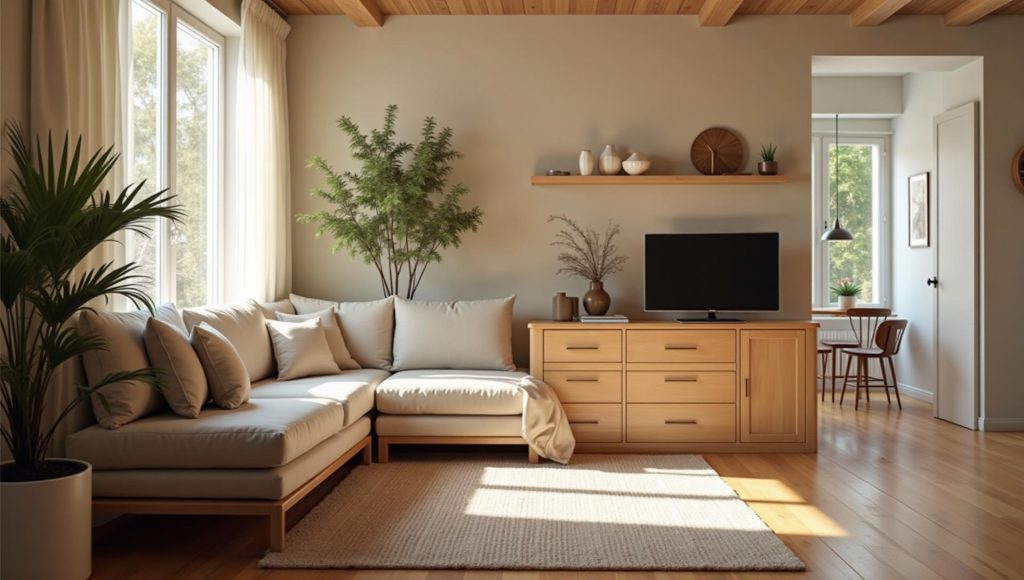
- Intentional Design: Arrange your living space to promote tranquility. Opt for soothing colors and natural materials and remove unnecessary visual distractions. A well-organized room can positively influence your mental state.
- Incorporate Nature: Bringing plants into your home not only beautifies the space but can also reduce stress. Studies have shown that being around greenery can enhance mood and overall well-being.
3. Cultivate a Gratitude Practice
A gratitude practice is an essential aspect of minimalism, allowing individuals to appreciate what they have rather than fixating on what they lack. This practice can transform how you perceive possessions and ultimately reduce mental clutter. Consider the following:
- Daily Journaling: Dedicate a few minutes each day to jot down three things you are grateful for. This simple act can shift your focus from material achievements to intangible blessings such as relationships and experiences.
- Mindful Reflection: At the end of each week, take time to reflect on your experiences. Acknowledge how your minimalist changes have affected your feelings of gratitude, satisfaction, and peace.
Incorporating mindfulness into your minimalistic lifestyle can enhance its benefits, promoting mental clarity and well-being. As you engage with these strategies, you’ll find that the practice of simplicity living is not merely about reducing possessions, but also about enriching your mental landscape. Integrating mindfulness initiatives can lead to profound insights, encouraging you to reimagine your relationship with both physical items and mental processes.
By intentionally fostering a sense of appreciation in your life, you’ll create an internal environment that mirrors the simplicity you’re working to achieve externally—one that thrives on balance, clarity, and peace. As the subsequent sections continue to explore, these elements can lead to a harmonious integration of minimalism into everyday life, resulting in a greater connection to self and others.
DIVE DEEPER: Click here to discover practical tips for a minimalist lifestyle
Conclusion: Finding Freedom Through Simplicity
In a world brimming with constant distractions and overwhelming choices, simplicity living emerges as a powerful antidote to mental clutter. By adopting a minimalistic approach, individuals can cultivate a sense of tranquility and clarity that often eludes them amid the chaos of modern life. The journey towards minimalism does not end with decluttering physical spaces; it extends into our mental and emotional realms, fostering a more profound sense of purpose and connection.
The strategies outlined, including mindful consumption and creating a calm environment, serve as essential tools in this transformative process. By engaging in mindful practices, we learn to appreciate the value of what we have and make intentional choices that align with our true desires. Establishing rituals of gratitude further strengthens our mental landscape, urging us to focus on cherished experiences rather than material possessions.
As you explore the principles of minimalism, remember that simplicity is not about deprivation but rather about liberation. Embracing simplicity living can lead to a rich, fulfilling existence where mental clutter is minimized, and genuine connections are prioritized. The shift toward a more intentional lifestyle invites a clearer mind and a more vibrant life, empowering you to navigate daily challenges with grace and resilience.
Ultimately, the practice of reducing mental clutter through minimalism not only enhances personal well-being but also cultivates a broader sense of community and harmony. By taking the first steps toward simplicity, you engage in a lifelong journey that redefines your relationship with the world, encouraging exploration and enrichment in ways that bring joy and fulfillment.
Related posts:
Digital Minimalism: Simplifying Your Online Life for Greater Focus and Well-Being
Simplicity in Transition: How Minimalism Can Help During Life Changes and Challenges
Simplicity Living: How Mindful Minimalism Enhances Mental Clarity
Simplicity as a Lifestyle Choice: The Benefits of Living with Less
Creating a Simple Home: Practical Tips for a Minimalist Lifestyle
Sustainable Simplicity: How Minimalism Can Lead to a Greener Life

Linda Carter is a writer and organization expert specializing in minimalism and personal organization. With extensive experience helping individuals create clutter-free, functional spaces and adopt mindful habits, Linda shares her knowledge on our platform. Her goal is to empower readers with practical advice and strategies to simplify their lives, stay organized, and achieve a sense of calm and balance in their daily routines.