
The Art of Braising
Braising is a culinary technique that has stood the test of time, transforming humble ingredients such as tough cuts of meat and seasonal vegetables into extraordinary dishes that delight the palate. This method merges both dry and moist cooking techniques: it begins by searing the ingredient to create a flavorful crust, followed by a slow-cooking process that imbues the dish with depth and richness. If you are willing to invest the time, the culinary rewards can be astonishing, revealing a world of tender meats and savory vegetables.
Understanding Braising
At its core, braising combines two methods—moist heat and dry heat—to create exceptionally flavorful meals. The process typically starts with browning the ingredients in a small amount of fat, which not only enhances flavor but also creates a fond at the bottom of the pot. This fond is packed with flavor and is often deglazed with a flavorful liquid, such as broth or wine, which boosts the overall taste of the dish.
Key Ingredients
When it comes to braising, the choice of ingredients plays a crucial role in the final outcome. Classic options include tough cuts of meat such as chuck roast, shank, or brisket, which contain collagen that breaks down during the slow cooking process, yielding a rich, melt-in-your-mouth texture. Additionally, root vegetables like carrots, potatoes, and turnips are perfect companions to meat dishes, absorbing the rich flavors of the braising liquid. Flavorful liquids can range from homemade stock to a robust red wine, each contributing its unique characteristics to the dish.
Essential Equipment
The most effective way to braise is with a heavy-bottomed pot or a Dutch oven, which provides even heat distribution and can withstand the long cooking times required for this technique. This type of pot is ideal for both stovetop and oven use, making it versatile for various braising methods.
The Virtue of Patience
Patience is the heart of braising. Unlike faster cooking methods that prioritize immediacy, braising requires time for the tough cuts to tenderize and for flavors to meld. Typically, a braising process can take anywhere from one to several hours, depending on the size and type of the ingredients used. During this time, the collagen in meat breaks down, resulting in a luscious texture and complex flavor profile. This slow cooking technique not only enhances flavor but also encourages creative experimentation with spices, herbs, and aromatics such as garlic, thyme, or bay leaves.
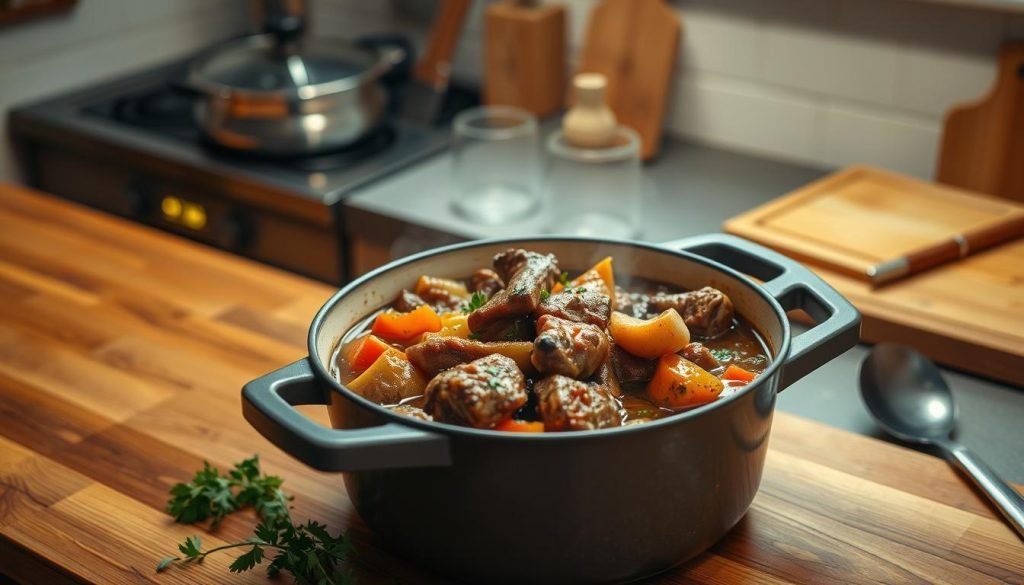
Classic and Vegetarian Braised Dishes
Braising has given rise to various classic dishes around the world. In French cuisine, Coq au Vin features chicken braised with red wine, mushrooms, and bacon, while Osso Buco, a beloved Italian dish, involves braised veal shanks served with gremolata. Additionally, Braised Short Ribs are a celebrated American comfort food that showcases how braising can elevate even the simplest ingredients to gourmet status.
Vegetarian options abound as well, highlighting the versatility of this technique. Consider making Braised Cabbage with apple and caraway seeds, or braised chard with garlic and lemon. Hearty mushrooms, such as portobello, can also take center stage in a braised dish, soaking up the deliciously seasoned liquid and transforming into a satisfying main course.
Conclusion
Whether you choose to braise on the stovetop or in a slow cooker, the artistry of this culinary craft lies in the balance of flavors and the careful timing involved. So why not unlock the secrets of braising? By mastering this technique, you can elevate your home cooking to new heights, transforming your kitchen into a haven for rich and aromatic meals that delight family and friends alike.
DISCOVER MORE: Click here to dive into culinary traditions
Mastering the Basics of Braising
Braising may seem like a straightforward cooking method, but the nuances involved can separate a satisfactory meal from an unforgettable one. The entire process revolves around temperature control, the choice of ingredients, and the all-important timing. By understanding these core principles, anyone can harness the art of braising to create dishes that resonate with depth and character.
The Importance of Temperature
When braising, managing the temperature is critical. The initial searing should occur at a high temperature, allowing the Maillard reaction to take place. This is where the beautiful caramelization occurs, forming a rich crust on the meat that builds flavor. This preliminary step is not just a matter of aesthetics—the fond created from the browned bits at the bottom of the pot will later infuse the entire dish with taste. Once the ingredients are seared, the temperature must drop significantly for the long, slow cooking phase.
Choosing the Right Ingredients
The effectiveness of braising largely hinges on the ingredients selected. Here are some typical choices you might consider:
- Tough Cuts of Meat: Cuts like pork shoulder, lamb shanks, or beef brisket are ideal because they are rich in connective tissue, which dissolves into gelatin as it cooks slowly.
- Aromatic Vegetables: Onions, garlic, leeks, and celery are staples that add depth to the flavor base and should be included in the initial phase before adding liquid.
- Flavorful Liquids: Whether you opt for stock, broth, or wine, the chosen liquid should complement the main ingredient. For example, using a robust red wine with beef enhances its natural flavors.
It’s also worth noting that the quality of your ingredients will affect the final dish. Buying locally sourced meats and organic vegetables not only promotes sustainability but also enhances the flavor of your braised dish.
Timing: The Hidden Variable
Timing is often overlooked in cooking, but with braising, it is less about the clock and more about the texture of the food. For instance, a chuck roast may require anywhere from two to four hours of braising to become tender. During this time, the various elements meld together, creating a harmonious symphony of flavors. Much like a fine wine, the longer ingredients have to mingle in their seasoned liquid, the more complex the result. However, it is crucial to keep an eye on the process, as overcooking can lead to losing the melt-in-your-mouth quality you desire.
Exploring Flavor Enhancements
Once comfortable with the fundamentals of braising, feel free to experiment with spices and herbs to elevate your dishes. Consider adding:
- Bay Leaves: A classic addition that enhances savory notes.
- Fresh Herbs: Rosemary, thyme, or parsley can add a touch of freshness that contrasts beautifully with the richness.
- Spices: Cumin, coriander, or smoked paprika can provide an exciting twist that morphs an ordinary dish into an extraordinary one.
Embracing the art of braising is about more than just technique; it is an invitation to slow down, reflect, and enjoy the process of cooking. As you delve deeper into this culinary world, understanding the elements of temperature, timing, and ingredient selection will empower you to create deeply satisfying, flavorful dishes that will impress anyone at your table.
| Category | Description |
|---|---|
| Flavor Development | Braising enhances the natural flavors of ingredients, allowing them to blend into a rich, savory profile that only time can achieve. |
| Texture Transformation | The slow cooking process breaks down tougher cuts of meat, resulting in tender, melt-in-your-mouth pieces, while vegetables become full of depth. |
| Minimal Effort | Once prepared, braising requires little attention, allowing home cooks to unwind while their dish develops robust flavors. |
| Versatility | From stews to ragouts, braising accommodates various cuisines and ingredients, making it an indispensable technique in any kitchen. |
The art of braising not only embodies a culinary technique but also an appreciation for patience in the cooking process. The essence of achieving deep flavor relies on the careful layering of ingredients and the meticulous timing involved in slow cooking. A rich stock or sauce can elevate a simple dish into a gourmet experience, coaxing out the intricate flavors inherent in every element of the meal. As you dive into the world of braising, you will discover its ability to create memorable dishes that not only nourish but also tell the story of the ingredients and traditions that shaped them. With each trial, your skills will sharpen, leading you toward a deeper understanding of flavor development and the joy that comes with each delectable bite. Embrace the experience, and you’ll find that the journey is just as fulfilling as the delicious results awaiting your table.
DISCOVER MORE: Click here to learn about culinary sustainability
Layering Depth with Aromatics and Techniques
Undoubtedly, one of the most compelling aspects of braising is the creative potential it offers through the artful use of aromatics and additional cooking techniques. Elevating your braised dishes isn’t just about the initial sear or the right cuts of meat; it is about layering flavors from the moment the ingredients hit the pot to the very last simmer.
Aromatics as the Foundation
Aromatics are the backbone of any braised dish. These foundational ingredients—such as onions, carrots, and garlic—provide essential depth and aroma. Begin by sweating them in the hot pot before introducing your main ingredients. This allows their natural sugars to caramelize, enhancing the overall flavor profile. A great tip is to add a splash of wine or stock to deglaze the pan after sautéing the aromatics. This step incorporates the fond—those concentrated, caramelized bits stuck to the bottom of your pot—back into your dish, enriching the braising liquid. Without this critical layer of flavor, your finished meal may lack the vibrancy you aim for.
Incorporating Layered Techniques
A truly masterful braise may also involve an array of cooking techniques beyond just soaking ingredients in liquid. Consider browning vegetables before braising instead of just tossing everything into the pot at once. This method accentuates the flavors and lends more character to the finished dish. Additionally, think about marinating your meat beforehand. Soaking it in a mixture of herbs, spices, and acidic components—like vinegar or citrus juice—can infuse additional flavor and tenderize the meat, leading to an even more impressive braise.
Experimenting with Flavors
Don’t shy away from using unconventional ingredients to experiment with different flavors within your braise. For instance, elements such as citrus, dried fruits, and even exotic spices can bring unexpected and delightful twists to traditional braised dishes. Adding a few slices of lemon or orange can introduce a refreshing acidity that brightens hearty flavors, while a handful of dried apricots or prunes can lend sweetness and complexity to the dish. Herbs like dill or tarragon can radically shift the flavor spectrum and create a reinvented take on a classic recipe.
Mastering the Finishing Touches
As your braised dish nears completion, don’t overlook the impact of the final touches on flavor and presentation. When it’s time to serve, consider an infusion of a fresh herb garnish to create a burst of color and vibrancy, contrasting the rich, warm tones of the braise. A drizzle of high-quality olive oil or an aromatic finishing salt can make a world of difference, elevating the dish and intensifying its appeal. Additionally, merging your braised meat with a sauce or broth can help revive moisture and enhance flavor just before serving, aiding in achieving that perfect balance of rich and tender.
Overall, braising is not just a cooking method but an exploration into your culinary creativity. Each decision you make—from ingredient selection to preparation techniques—contributes to the multi-layered flavors that characterize a truly exceptional braise. By embracing these various elements, you’re not just cooking; you’re creating an experience that can transform everyday meals into memorable feasts.
DIVE DEEPER: Click here to discover more about culinary traditions</p
Bringing It All Together: The Essence of Braising
In conclusion, mastering the art of braising requires more than simply following a recipe; it involves embracing a journey of flavor that rewards patience and creativity in the kitchen. By understanding the importance of caramelization through aromatics, incorporating multifaceted techniques, and daring to experiment with unexpected flavor profiles, home cooks can unlock the profound potential of braised dishes. The delicate process of slow cooking transforms tough cuts of meat into tender delights and melds vibrant ingredients into harmonious creations that tantalize the taste buds.
Moreover, the beauty of braising lies in its adaptability. Whether you are preparing a comforting braised short rib for a family gathering or an adventurous duck with orange and star anise for an intimate dinner, the possibilities are boundless. The subtle layering of flavors, achieved through deglazing and the thoughtful addition of herbs and spices, can elevate humble ingredients into extraordinary meals.
As you embark on your culinary adventures, remember that braising is about more than mere flavor; it is about cultivating experiences. Each simmering pot shares a story, inviting those around the table to savor both the meal and the moments together. So, take a deep breath, allow yourself the luxury of time, and let the art of braising transform your meals. The depth of flavor you create and the joy it brings are truly worth every second spent tending to the pot.