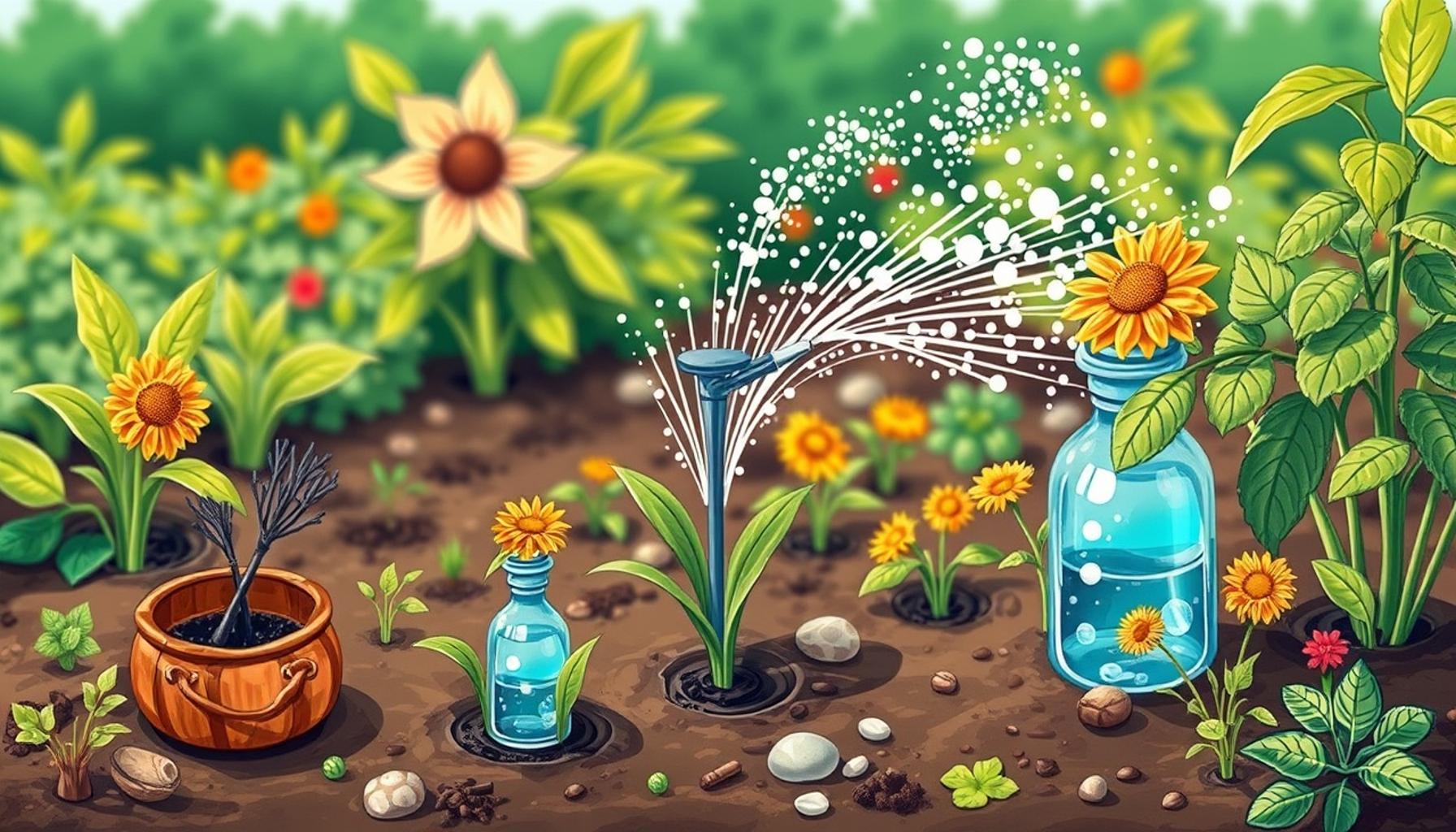
The Automatic Irrigation System: Practical Solutions for Beginner Gardeners
Understanding Automatic Irrigation Systems
In the realm of gardening, especially for beginner gardeners, understanding the fundamental needs of plants can be a daunting task. One of the most vital needs is moisture management. Too much water can suffocate the roots, while too little can lead to wilting and dehydration. Enter the automatic irrigation system, a modern solution that not only simplifies watering but enhances the overall health of your garden significantly.
What many may not realize is that, beyond convenience, these systems offer robust benefits that can transform your gardening experience. For instance, consider the time-saving aspect: instead of spending hours hand-watering, an automatic system can execute watering tasks while you focus on planting, pruning, or simply enjoying your garden. This frees up individuals to immerse themselves in the beauty of their surroundings rather than worrying about daily maintenance.
Moreover, the consistency that an automatic system provides is essential for robust plant growth. Many of these systems are equipped with timers that can be programmed to water at specific intervals, ensuring all plants receive an optimal amount of moisture tailored to their individual needs. Such precise watering practices can lead to healthier plants and a more productive garden.
Equally important is resource efficiency. Automatic irrigation systems are designed to minimize water waste, which contributes to lower utility bills and a smaller environmental footprint. According to the EPA, about 30% of outdoor water use is wasted due to inefficiencies in watering practices. With an automatic system, gardeners can responsibly manage their water usage, aligning with sustainable gardening principles prevalent in many communities across the U.S.
Key Components of an Automatic Irrigation System
To operate a successful automatic irrigation system, understanding its key components is essential. First on the list are timers, which can range from simple manual versions to advanced smart timers that sync with weather forecasts to adjust watering schedules. This feature helps prevent overwatering during rainy spells or under-watering during heatwaves.
Sensors represent the next layer of sophistication. There are soil moisture sensors that detect the moisture level in the ground and trigger watering only when necessary, leading to improved water conservation. This ensures that plants receive exactly what they need without unnecessary waste.
Finally, the distribution of water through drip lines and sprinklers can be customized to fit various garden layouts. Drip irrigation systems are particularly useful for targeting the roots of plants directly, significantly reducing evaporation loss and providing efficiency when watering flower beds or row crops. Sprinkler systems, on the other hand, can cover larger areas and are adept for lawns or expansive gardens.
In the United States, there is a wealth of options available for varying garden types, from compact city balconies to sprawling rural backyards. With brands like Rain Bird and Hunter leading the market, it is easier than ever for beginner gardeners to find a system that aligns with their gardening ambitions and budget. Embracing these technologies not only makes gardening more accessible but also promotes a healthier ecosystem in urban and suburban settings.
As we delve deeper into the world of automatic irrigation systems, we will uncover practical solutions, installation tips, and maintenance advice, ensuring that your gardening journey is both successful and enjoyable!
DIVE DEEPER: Click here to unlock the secrets of soil pH management!
Benefits of Using Automatic Irrigation Systems
When stepping into the world of gardening, beginner gardeners often find themselves overwhelmed by the myriad of tasks that come with nurturing plants. Automatic irrigation systems provide an innovative pathway to simplify these responsibilities. This technology not only enhances the efficiency of watering but also opens the door to a variety of benefits that cater to both novice and seasoned gardeners alike.
One of the standout advantages of automatic irrigation is its ability to foster a healthier garden ecosystem. By delivering the right amount of moisture at the right time, it reduces stress on plants. Stress can trigger pests and diseases, which are often the bane of inexperienced gardeners. With an optimized watering schedule, you can prevent these issues from arising, allowing for a vibrant and thriving garden.
Additionally, utilizing an automatic system can lead to significant cost savings over time. Traditional watering methods often lead to overwatering, which not only wastes water but also increases your water bill. In contrast, an automatic irrigation system is equipped with features that help manage and reduce water consumption. This is particularly important in drought-prone areas of the United States, where water conservation is a pressing concern. With the increasing emphasis on sustainable gardening practices, such systems not only align with eco-friendly principles but can also enhance your garden’s resilience.
Types of Automatic Irrigation Systems
Before deciding on the best automatic irrigation system for your garden, understanding the various options available will help tailor the system to your unique needs. Here are some common types:
- Drip Irrigation: This method delivers water directly to the base of each plant through a network of tubing and emitters. It’s particularly efficient for soil moisture retention and ideal for vegetable gardens and flower beds.
- Sprinkler Systems: These systems distribute water over larger areas via a series of pipes and spray heads. They’re excellent for lawns and extensive garden plots, ensuring even coverage with minimal effort.
- Soaker Hoses: Made of porous materials, soaker hoses allow water to seep out slowly along their lengths. They are perfect for more informal gardens where plants are grouped closely together.
- Smart Irrigation Systems: These advanced systems integrate weather data and moisture sensors to adjust watering schedules automatically. This technology ensures that your garden receives water only when it needs it, making it a favorite for tech-savvy gardeners.
In essence, the right automatic irrigation system can significantly enhance your gardening experience, making it both enjoyable and efficient. As you explore these options, you’ll discover that the journey towards creating a flourishing garden is just a few clicks away, offering you the freedom to cultivate without the worry of over or under-watering. With practical insights and choices, beginner gardeners can confidently embark on their green-thumb adventure.
The Benefits and Features of Automatic Irrigation Systems
As a beginner gardener, navigating the world of plant care can be daunting. However, automatic irrigation systems offer practical solutions that not only simplify the watering process but also enhance the overall gardening experience. These systems provide a host of advantages tailored to the needs of novice gardeners, making them a worthy investment.
| Category | Benefits |
|---|---|
| Time-Saving | Automatic irrigation systems eliminate the need for manual watering, allowing you to spend more time enjoying your garden. |
| Consistent Watering | These systems provide consistent moisture levels to your plants, reducing the risk of over or under-watering. |
| Customizable Settings | Many systems offer customizable scheduling options, allowing you to tailor the watering frequency to the specific needs of your garden. |
| Water Conservation | Automatic irrigation helps conserve water by applying it directly to the root zone, minimizing waste. |
Understanding how an automatic irrigation system works is essential for efficient garden maintenance. Beginner gardeners can solve their watering woes with ease, ensuring their plants thrive by leveraging the smart technology available in these systems.
LEARN MORE: Click here to discover easy-to-grow herbs
Choosing the Right Automatic Irrigation System for Your Garden
As a beginner gardener, selecting the ideal automatic irrigation system can feel daunting, given the variety of options available. However, understanding your garden’s specific needs based on size, type of plants, and local climate can streamline the decision-making process significantly. Here are several considerations to help you choose the most suitable system for your gardening journey.
1. Assessing Garden Size and Layout
Your garden’s size and layout play a vital role in determining what type of automatic irrigation system will work best. For small gardens or container setups, a drip irrigation system may be the most efficient choice. These systems can be customized with varying emitter sizes to suit different plants, ensuring that each receives the right amount of water without oversaturating the soil.
Conversely, for larger gardens or lawns, a prevalent option might be a sprinkler system. These can cover vast areas, ensuring even distribution. Look out for systems that offer adjustable spray angles and distances to maximize coverage in garden designs that involve mixed plantings or raised beds.
2. Understanding Plant Needs
Different plants have varying water requirements, so it’s essential to consider the specific needs of the plants you wish to cultivate. If you plan to grow drought-resistant plants, an automatic irrigation system with adjustable flow rates is ideal. Many modern smart irrigation systems can incorporate soil moisture sensors to help gauge when plants are thirsty, tailoring the watering schedule accordingly.
Conversely, if you’re nurturing water-loving plants, using soaker hoses can deliver a gentle watering method, ideal for maintaining adequate soil moisture levels without causing the plants to drown.
3. Climate Considerations
Understanding your local climate is paramount to developing an effective irrigation strategy. For gardeners in regions prone to high temperatures or those living in areas that experience severe droughts, implementing a smart irrigation system equipped with weather forecasting features can lead to significant water conservation. These intelligent systems adjust watering schedules based on real-time weather data, ensuring that your garden is receiving moisture only when necessary.
4. Maintenance and Ease of Integration
For beginner gardeners, maintenance must be factored into the decision-making process when selecting an irrigation system. Drip irrigation systems may require periodic checks for clogged emitters, while sprinkler systems may need cleaning or adjustments based on seasonal changes. Ideally, choose a system that allows for easy maintenance, reducing the time spent on upkeep and allowing more focus on plant care.
Furthermore, consider how easily an automatic irrigation system can be integrated into your existing garden setup. Many systems offer modular components, allowing you to start small and expand as your gardening skills and ambitions grow.
In exploring these options, it becomes evident that the right automatic irrigation system for your garden lies in understanding your specific needs and preferences. Taking time to evaluate garden size, plant type, climate, and maintenance will significantly enhance your gardening experience, fostering a more sustainable and enjoyable journey as a beginner gardener.
DISCOVER MORE: Click here to enhance your gardening knowledge
Conclusion: Embrace the Future of Gardening with Automatic Irrigation
As a beginner gardener, navigating the world of automatic irrigation can transform your gardening experience from daunting to delightful. By understanding the specific needs of your garden—whether it’s the size, the plant types, or the local climate—you can make informed choices that lead to a flourishing landscape. The technology surrounding automatic irrigation systems has evolved tremendously, offering solutions that are not only efficient but also adaptable to your gardening ambitions.
Moreover, the integration of modern features such as smart irrigation systems empowers you with real-time data, helping you conserve water and nurture your plants more effectively. This translates not only to a healthier garden but also to a more sustainable approach to gardening. Whether you opt for drip irrigation, sprinkler systems, or soaker hoses, the key takeaway is to start small and scale as your confidence grows. Remember, maintenance is part of the journey; selecting a system that balances low upkeep with high efficiency will set you on a path to success.
Ultimately, the right automatic irrigation system serves as a practical solution that allows you to harness your passion for gardening while minimizing time spent on mundane tasks. As you delve deeper into this rewarding hobby, consider how embracing technology can enhance your experience. With the right tools at your fingertips, you’ll not only cultivate a beautiful garden but also gain valuable insights into the delicate balance of nature. Happy gardening!