
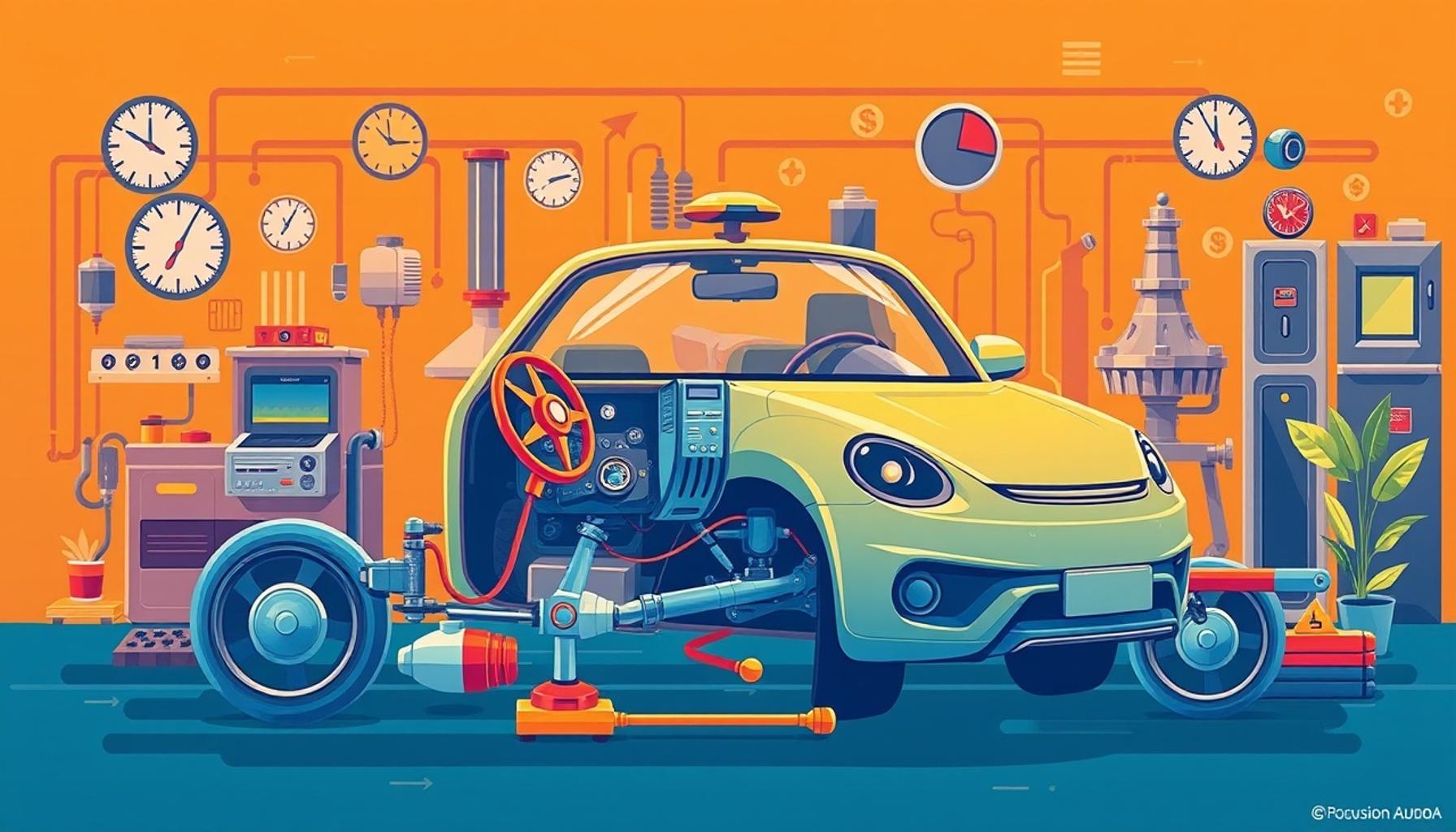
Exploring the Impact of Machine Learning on the Automotive Industry
The automotive industry is experiencing a revolution driven by the rapid advancement of machine learning technologies. These innovations not only increase vehicle performance but also significantly improve the safety landscape of modern automobiles. As manufacturers incorporate artificial intelligence (AI) into their designs, the once-futuristic notion of autonomous vehicles is swiftly becoming a reality.
Consider the implications of this shift:
- Improved Safety: Machine learning algorithms utilize data from an array of sensors—including cameras, radar, and GPS—to predict and react to potential hazards. For example, systems like Tesla’s Autopilot can detect nearby vehicles, pedestrians, and even road signs, allowing for automated emergency braking if a collision is imminent. This ability to process vast amounts of data in real time enhances vehicle safety significantly, potentially reducing accident rates.
- Enhanced User Experience: AI-powered systems can analyze individual driving patterns, recommending personalized settings for climate control, music preferences, and seating positions. Companies like Ford and BMW are developing infotainment systems that learn from user interactions. As a result, drivers enjoy a seamlessly tailored driving experience that prioritizes comfort and convenience.
- Efficient Navigation: Advanced algorithms empower vehicles to navigate complex environments more efficiently. By leveraging traffic data and predictive modeling, vehicles can optimize routes to minimize congestion and travel times. For instance, Google Maps utilizes machine learning to provide real-time traffic updates and alternative routes, benefiting drivers across the United States who face daily commutes.
Historical Context of Machine Learning in Automobiles
The foundation of machine learning in the automotive sector dates back to the early days of vehicle technology. Initially focused on basic functions such as cruise control, these systems have evolved dramatically. The introduction of robust Artificial Neural Networks (ANNs) and deep learning has transformed how vehicles perceive and interact with their environment. Innovations like adaptive cruise control and lane-keeping assist are now common, showcasing the gradual integration of AI into everyday driving.
Current State of Autonomous Vehicle Technology
Today, the race towards fully autonomous vehicles is well underway. Major companies such as Waymo, Cruise, and Uber are testing vehicles capable of navigating urban environments without human intervention. These vehicles rely on a complex interaction of hardware and software, all driven by advanced machine learning techniques. However, challenges remain concerning regulatory approvals and ethical dilemmas surrounding AI decision-making during potential accidents.
Future Trends Shaping the Automotive Landscape
Looking ahead, the future of the automotive industry is set to be greatly influenced by advances in machine learning. Emerging technologies, including vehicle-to-everything (V2X) communications and improved sensor technologies, promise to enhance the safety and efficiency of transportation networks. Furthermore, the gradual shift toward electric vehicles (EVs) will create a synergistic relationship with AI, as energy efficiency becomes a critical factor in vehicle design and functionality.
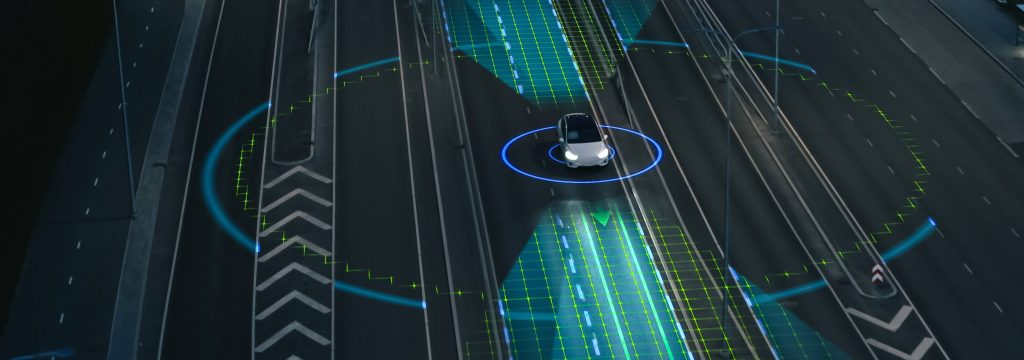
The journey toward full autonomy is fraught with challenges, particularly regarding ensuring road safety. Nonetheless, as we examine these developments, it is evident that machine learning is not merely reshaping vehicles; it is also redefining our relationship with transportation. The implications of these advancements extend far beyond technology, steering societies toward a future where our daily lives are intricately linked to intelligent transportation systems.
DISCOVER MORE: Click here to learn about the impact of neural networks on finance
The Journey of Machine Learning in Automotive Safety
As machine learning continues to evolve, its role within the automotive industry, particularly in enhancing safety, has become increasingly vital. From the early implementations of basic safety features to today’s sophisticated autonomous systems, the trajectory of machine learning in vehicles showcases a remarkable commitment to protecting drivers and passengers. The integration of powerful algorithms has not only refined existing capabilities but paved the way for revolutionary safety measures that were once only visions in science fiction.
Historically, the automotive industry relied on straightforward systems that addressed fundamental safety concerns. Early innovations included features such as anti-lock braking systems (ABS) and the initial ignition of airbags. However, these modifications primarily focused on reactive measures responding to hazardous situations, often after they had unfolded. The inception of machine learning formulas began to transform this passive approach by facilitating a more proactive and predictive stance on safety.
Advancements in Predictive Safety Features
In recent years, the development of advanced driver-assistance systems (ADAS) has marked a significant leap toward improved road safety. These systems, which rely heavily on machine learning algorithms, automatically analyze real-time data to detect potential dangers before they escalate. Some key features include:
- Automatic Emergency Braking: This system allows vehicles to autonomously apply brakes if a collision is imminent, significantly reducing the impact of otherwise unavoidable accidents.
- Adaptive Cruise Control: Unlike traditional cruise control, this technology adjusts the vehicle’s speed based on surrounding traffic, maintaining a safe distance from other vehicles. By leveraging data on speed and distance, it helps prevent rear-end collisions.
- Lane Departure Warning: By using sensors and cameras, this system can identify lane markings, alerting drivers if they inadvertently drift out of their lanes, thereby reducing the risk of side-swipe accidents.
The implementation of these features showcases the remarkable potential of machine learning in anticipating and mitigating risks, ultimately leading to safer driving experiences. Companies like Tesla have gained notoriety for their advancements in this domain, allowing their vehicles to learn from millions of miles driven, constantly improving their algorithms’ efficacy in avoiding hazards.
The Role of Data in Machine Learning
The effectiveness of these machine learning systems hinges on the vast amounts of data collected from vehicles on the road. Manufacturers gather invaluable insights from actual driving conditions, accidents, and near misses. This data serves as the bedrock for training algorithms, enabling them to identify patterns and make informed predictions about potential dangers. A vital aspect of this data-driven approach is ensuring privacy and security, which represents an ongoing dialogue in the sector as data becomes more integral to automotive safety.
As we continue to witness significant strides in the evolution of machine learning within the automotive industry, the emphasis on safety underscores the urgency and importance of these innovations. The advancements have far-reaching implications—not only do they represent a competitive edge for manufacturers, but they also illustrate a collective commitment to shaping a safer driving environment for all road users. With ongoing research and development, the future appears promising as the push toward fully autonomous vehicles takes center stage in the evolving landscape of automotive technology.
As the landscape of the automotive industry continues to evolve, machine learning technologies are revolutionizing the development of autonomous vehicles. These advanced systems leverage vast amounts of data to enhance decision-making processes, thereby improving vehicle performance and safety. With the ability to recognize patterns, machine learning can significantly increase the effectiveness of driver assistance systems, predictive maintenance, and accident prevention strategies.Incorporating machine learning algorithms enables vehicles to analyze and interpret data from various sensors, including cameras, radar, and LiDAR. This real-time data processing equips vehicles with an unprecedented understanding of surrounding conditions. For instance, the application of deep learning techniques allows for better pedestrian detection, lane-keeping assistance, and collision avoidance, all crucial elements in fostering a safer driving environment.Moreover, the integration of artificial intelligence (AI) in autonomous systems introduces a layer of adaptability. Vehicles can learn from previous experiences, iterating and improving their responses to complex driving scenarios. This capability is particularly vital as urban environments grow increasingly congested and unpredictable. According to recent studies, vehicles leveraging machine learning can reduce accidents by as much as 40%, showcasing the potential of this technology to save lives.However, the implementation of these technologies is not without challenges. Ensuring the safety and security of machine learning systems is paramount, as vulnerabilities could be exploited by malicious actors. Furthermore, ethical considerations arise, particularly regarding the decision-making processes embedded within these automated systems. How vehicles respond in emergency situations raises important questions about responsibility and accountability.Overall, the evolution of machine learning in the automotive industry signifies a transformative shift towards enhanced safety, efficiency, and reliability in autonomous vehicles. As research and development continue, the potential for groundbreaking advancements remains immense, piquing the interest of stakeholders across various sectors. To delve deeper into the technological intricacies and future implications of machine learning, industry professionals and enthusiasts must stay informed and engaged with emerging trends and findings.
DIVE DEEPER: Click here to explore the comparison of data analysis methodologies
The Impact of Machine Learning on Autonomous Vehicles
As machine learning technology continues to advance, its profound impact on the development of autonomous vehicles is increasingly evident. The dream of self-driving cars is rapidly becoming a reality, with numerous manufacturers investing heavily in research and innovation to make these vehicles safer, more efficient, and capable of navigating intricate driving scenarios. The application of machine learning algorithms is transforming how vehicles perceive and interact with their environments, thereby fundamentally reshaping the automotive landscape.
Perception and Decision-Making in Autonomous Vehicles
At the heart of autonomous driving technology resides the concept of perception, which encompasses the vehicle’s ability to understand and interpret the data captured by its sensors, cameras, and radars. Machine learning algorithms play a pivotal role in this process, enabling vehicles to recognize objects, signals, and obstacles in real-time. For instance, technologies like computer vision help in elaborating a three-dimensional map of the vehicle’s surroundings, identifying pedestrians, cyclists, and other vehicles with remarkable accuracy. By learning from vast amounts of visual data, autonomous systems continuously enhance their ability to detect potential dangers.
Furthermore, decision-making is a critical component of creating a successful autonomous driving environment. Machine learning empowers vehicles to evaluate various factors such as traffic conditions, weather scenarios, and road layouts to formulate strategic responses. For example, when approaching an intersection, an autonomous vehicle must determine if it can safely proceed or if it needs to yield to other road users. By analyzing historical data and leveraging predictive algorithms, these vehicles can make informed, split-second decisions that prioritize safety.
Real-world Applications and Tests
The ongoing evolution of machine learning in autonomous vehicles is not merely theoretical; real-world applications are being tested and rolled out in several cities across the United States. Companies like Waymo, Cruise, and Argo AI have been conducting extensive pilots, using machine learning to enhance their self-driving systems. Waymo, for example, has amassed millions of miles of driving data, which has enabled it to refine its algorithms and improve the accuracy of its safety measures. Public safety and trust are essential when scaling autonomous vehicles. Companies are increasingly focusing on transparent reporting of their safety records, allowing motorists and governance bodies to consider the reliability of these innovations.
Moreover, as regulations evolve, the safety features enabled by machine learning are likely to become standardized within the industry. For instance, legislation mandating certain safety technologies could surface, supporting the widespread adoption of autonomous capabilities while ensuring accountability among manufacturers. Initiatives in states such as California and Michigan are paving the way for a future where machine learning-enhanced autonomous vehicles could potentially reshape urban mobility, contributing to reduced traffic congestion and lower accident rates.
Addressing Challenges and Ethics
Despite these advancements, the integration of machine learning in the automotive sector raises pivotal questions related to ethics and accountability. As autonomous vehicles make decisions that could impact human lives, concerns about bias in algorithms and the transparency in decision-making processes come to the fore. Ensuring that machine learning systems are trained on diverse datasets that accurately represent various driving conditions is essential to mitigate such risks. This is a complex challenge that the industry must confront as more vehicles take to the road.
As the automotive industry continues to harness the power of machine learning, the path toward fully autonomous vehicles is filled with both promise and challenges. The real-time data analysis and decision-making capabilities enabled by machine learning not only enhance safety but are redefining the future of transportation. With ongoing innovations, the focus remains not only on technological advancements but on fostering a culture of safety and responsibility that resonates with all stakeholders involved in the evolution of automotive technology.
DIVE DEEPER: Click here to explore more about machine learning in market trends
Conclusion
The journey of machine learning in the automotive industry is a testament to human ingenuity and determination, reshaping how we envision the future of transport. As advancements in technology continue to refine the capabilities of autonomous vehicles, we are witnessing a significant shift towards safer and more efficient roadways. The intricate interplay of perception and decision-making, powered by sophisticated algorithms, is enabling vehicles to navigate complex environments while prioritizing human safety.
However, the evolution of machine learning comes with its share of challenges—particularly concerning ethics, accountability, and public trust. The automotive industry must prioritize transparency and inclusivity in training data, ensuring that autonomous systems are equipped to handle a wide variety of driving conditions and scenarios. As regulations begin to embrace these new technologies, a structured framework will be crucial for monitoring safety standards and establishing a sense of accountability among manufacturers.
As we look ahead, the potential for machine learning to revolutionize urban mobility is immense. Not only could it lead to a decrease in traffic congestion and accident rates but also foster an interconnected ecosystem of vehicles that enhance overall transportation efficiency. The commitment to ethical standards, alongside ongoing innovations, will underpin this transition. Stakeholders, from manufacturers to regulatory bodies and consumers, play vital roles in cultivating a landscape where autonomous vehicles can operate safely and effectively.
In conclusion, the future of autonomous vehicles, driven by the evolution of machine learning, poses an exciting yet complex narrative. As the industry seeks to create new paradigms of sustainable and secure transportation, the collective focus should remain on harnessing technology responsibly, ensuring that the road ahead is not only innovative but also safe for all who travel it.


 Linda Carter