
Understanding Computer Vision in Automotive Innovation
In recent years, the automotive industry has been transformed by the marvels of technology. Among the most influential advancements is computer vision, a field of artificial intelligence that enables machines to interpret and make informed decisions based on visual data. This capability is not only fostering the emergence of autonomous vehicles but also significantly improving safety features designed to protect all road users, from drivers to pedestrians.
Key Features of Computer Vision
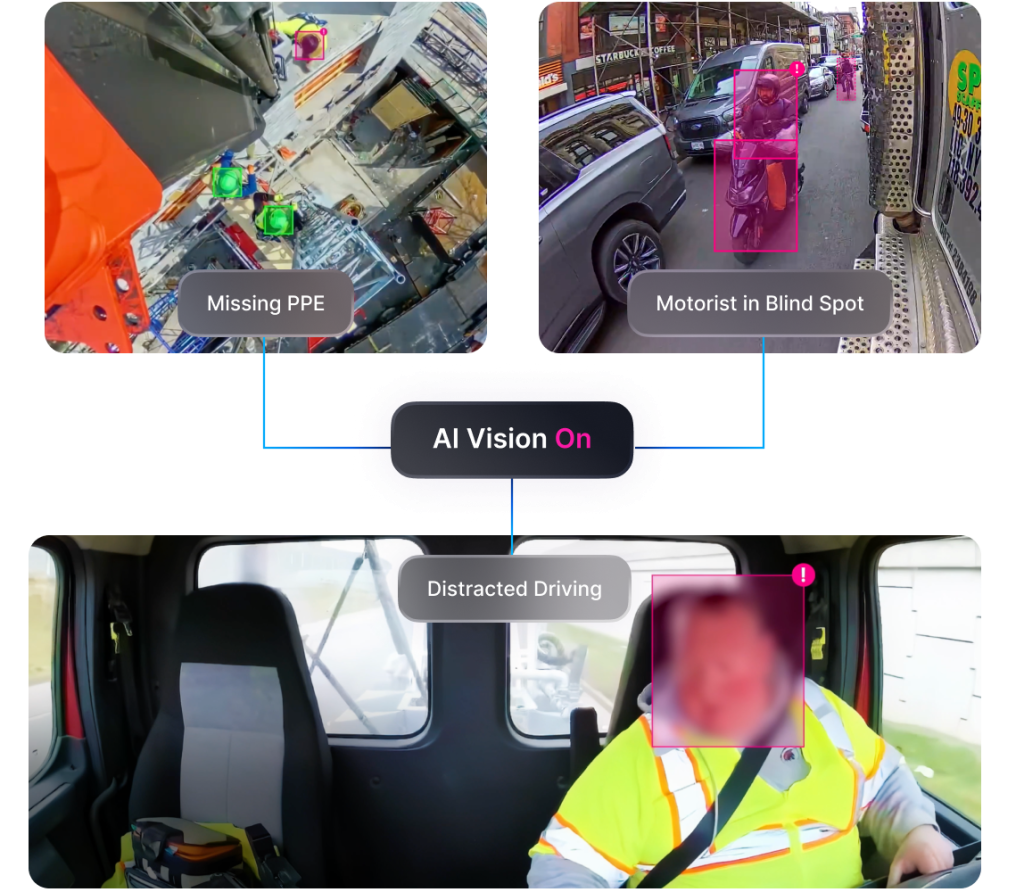
Computer vision propels numerous features that enhance vehicle performance and road safety. For instance, consider obstacle detection. This feature utilizes cameras and sensors to identify people, cyclists, and other vehicles, allowing for prompt reactions to potential hazards. During a recent testing phase, companies like Waymo have showcased how their autonomous vehicles can instantly recognize pedestrians crossing the street, making split-second decisions to avoid collision.
Another essential component is lane detection. This technology aids drivers in maintaining their lane, enhancing safety by reducing unintentional lane changes, which can lead to accidents. With the integration of lane departure warnings in vehicles, drivers receive visual and auditory alerts if they drift out of their lane without signaling, a feature that has been particularly well-received by drivers in congested urban areas.
Furthermore, traffic sign recognition technology employs computer vision to read and interpret road signs. This capability ensures drivers remain compliant with traffic regulations, which can significantly decrease the chances of violations and accidents. For example, vehicles equipped with this technology can autonomously adapt their speed according to posted speed limits, thereby actively enhancing road safety.
The Importance of Integration in the United States
In a country as vast as the United States, where driving conditions can vary enormously—from busy city streets to winding rural roads—the integration of computer vision is not merely beneficial; it is essential. The expansive road network, with its diverse driving conditions, calls for advanced technologies that can enhance awareness. The implementation of real-time data processing alongside machine learning algorithms enables vehicles to adapt to shifting environments, leading to improved decision-making. This adaptive capability helps in understanding complex situations such as heavy traffic, inclement weather, or sudden obstacles.
A Safer Future with Continuous Innovation
As we move forward into an era of increased automation, the promise of a safer driving experience becomes increasingly tangible. The burgeoning field of machine learning works hand in hand with computer vision, allowing vehicles to learn from historical data and improve safely over time. Each advancement not only adds layers of safety but also fosters consumer confidence in the technology.
With ongoing research and development, the future of automotive innovation looks bright. As manufacturers merge cutting-edge technologies with robust safety measures, the vision of seamlessly integrated autonomous vehicles may soon be a daily reality on American roadways. In this evolving landscape, consumers are encouraged to stay informed, as these innovations will soon impact their travel experiences profoundly.
DISCOVER MORE: Click here to explore the evolution of language models
Revolutionizing Driving with Intelligent Vision Systems
The integration of computer vision technology in vehicles is ushering in a new era of automotive safety and innovation. By enabling cars to “see” and “understand” their environment, computer vision systems are eradicating the limitations of human perception on the road. This technology analyzes visual data through high-resolution cameras, providing vehicles with the ability to identify obstacles, assess distances, and recognize road conditions in real-time.
Critical Safety Enhancements Driven by Computer Vision
The automotive industry is leveraging computer vision to implement several key safety features that dramatically enhance the driving experience. These features not only assist in avoiding accidents but also contribute to a more harmonious interaction between drivers, passengers, and pedestrians. Here are some noteworthy applications:
- Automatic Emergency Braking (AEB): Utilizing computer vision, AEB systems can detect sudden stops or obstacles ahead, automatically applying brakes to prevent collisions.
- Adaptive Cruise Control (ACC): This technology uses visual data to monitor surrounding traffic, automatically adjusting vehicle speed to maintain a safe distance from other cars.
- 360-Degree Surround View: Cameras placed around the vehicle offer a comprehensive view of the surrounding area, aiding drivers in maneuvering and parking safely.
One leading example is the use of AEB in various modern vehicles. According to the Insurance Institute for Highway Safety (IIHS), cars equipped with AEB are involved in an estimated 50% fewer rear-end collisions compared to those lacking this technology. This tangible impact on safety is prompting many manufacturers to make AEB a standard feature in their new models.
The Role of Deep Learning in Computer Vision Development
At the heart of revolutionary computer vision applications lies deep learning, a subset of machine learning that mimics human thought processes. By utilizing vast amounts of data—including images of different road scenarios—deep learning algorithms train vehicles to recognize patterns, make predictions, and adjust behaviors accordingly. In-depth training datasets help systems develop a nuanced understanding of complex environments.
For instance, separate studies have shown how vehicles equipped with advanced computer vision can recognize unique aspects of diverse situations, such as:
- Adapting to various weather conditions like rain, fog, or snow.
- Understanding the behaviors of pedestrians and cyclists in urban landscapes.
- Identifying irregular road markings or obstacles that may not typically be present in standard training datasets.
The incorporation of deep learning not only enhances current safety measures but also improves the overall reliability of autonomous driving systems. As manufacturers continually refine these technologies, the roadmap to fully autonomous vehicles—capable of making informed decisions—grows increasingly clear.
| Advantages | Description |
|---|---|
| Enhanced Safety | Autonomous vehicles leverage computer vision to detect obstacles and prevent collisions, significantly reducing accident rates. |
| Real-time Data Processing | Computer vision systems analyze visual data from various sensors in real time, allowing for quick decision-making that enhances vehicle performance. |
| Improved Navigation | Utilizing computer vision technology improves route planning and navigation, helping vehicles avoid potential hazards. |
| Driver Assistance Features | Features like lane departure warnings and adaptive cruise control rely on computer vision to provide a safer driving experience. |
The role of computer vision in the automotive industry cannot be understated, especially with the emergence of autonomous cars. As vehicles increasingly adopt these advanced systems, the overall safety landscape is transformed. Enhanced safety features help mitigate human error, which is responsible for over 90% of traffic accidents. By analyzing real-time inputs from cameras and sensors, vehicles can make informed decisions that prioritize both passenger and pedestrian safety.Moreover, the real-time data processing capabilities of computer vision technology allow for continuous monitoring of surrounding environments, adjusting to unforeseen conditions such as sudden road obstructions or changing weather patterns. It is also noteworthy that as vehicle navigation becomes smarter, the technology enables cars to navigate complex urban landscapes with ease and precision.Updates in software and algorithms related to computer vision systems further bolster the reliability of autonomous vehicles. With continuous improvements, driver assistance features become more sophisticated, ensuring improved safety standards across the industry. Thus, the exploration of computer vision in the automotive sector presents a future where travels become not only more efficient but significantly safer.
DISCOVER MORE: Click here to delve deeper
Enhancing Driver Assistance through Advanced Recognition Technologies
The emergence of computer vision has not only transformed safety features but has dramatically influenced how driver assistance technologies are evolving. By incorporating advanced recognition technologies, vehicles can interpret complex scenes, ensuring a holistic understanding of their surroundings. This capability is paramount in environments where split-second decisions can mean the difference between safety and danger.
Real-time Object Detection and Classification
One of the most groundbreaking advancements in computer vision is its ability to perform real-time object detection and classification. Using convolutional neural networks, these systems recognize and differentiate between various objects on the road, such as vehicles, pedestrians, traffic signals, and road signs. This level of sophistication allows for immediate reactions to potential hazards.
For example, models like Tesla’s Autopilot utilize this technology to detect pedestrians, even in low-light conditions, giving the vehicle the ability to adjust speed or change direction proactively. Furthermore, manufacturers like Ford and General Motors are embedding similar features into a range of vehicles, showcasing that computer vision is not limited to luxury vehicles, but is permeating the mainstream market.
Augmented Reality Interfaces
The integration of computer vision with augmented reality (AR) interfaces takes the driving experience to new heights. By projecting essential information onto the driver’s field of view, AR systems enhance situational awareness. For instance, displays can highlight road hazards, optimal paths for navigation, and real-time vehicle performance metrics. Mercedes-Benz has already begun implementing AR in its flagship models, demonstrating features such as navigation prompts that project directional indicators directly onto the road.
AR combined with computer vision systems transforms mundane driving tasks into interactive experiences. Imagine navigating through a bustling city while having optimized routes visually highlighted, making decisions faster and more accurately. This shift not only aids personal safety but also improves pedestrian interactions, as drivers become more aware of their surroundings.
Image Processing for Enhanced Road Recognition
Another significant function of computer vision is image processing for road recognition. Vehicles equipped with sophisticated cameras can analyze road markings and lane orientations, employing this data for lane-keeping assistance. This technology is essential in enhancing driver compliance with traffic regulations, as it constantly monitors the vehicle’s position within the lane.
Moreover, companies like Google have invested heavily in this technology for their self-driving project, Waymo. Their vehicles utilize a combination of computer vision and advanced sensors to discern road conditions, including differentiating between proper lanes and construction zones with high precision. This technology not only minimizes potential errors but also enhances the driving experience by taking over monotonous aspects of driving.
The Future of Vehicle Communication through Computer Vision
The future of computer vision in the automotive industry also lies in inter-vehicle communication. As vehicles begin to share information with each other, road infrastructure, and surrounding elements, the role of computer vision will expand significantly. This capability is supported by the concept of V2X (Vehicle to Everything) communication, where vehicles can operate not just autonomously but in sync with their environments, reducing response times to events on the road.
Statistics suggest that as many as 80% of all vehicular accidents could potentially be avoided with such systems, underscoring the critical role this technology will play in the future landscape of automotive safety. Developers are exploring how to integrate computer vision with V2X communications seamlessly, paving the way for safer, smarter roadways.
DIVE DEEPER: Click here to explore the latest in data analysis techniques
Conclusion: The Future of Computer Vision in Automotive Safety
The rapid advancement of computer vision is reshaping the automotive industry, particularly through its integration into autonomous vehicles and enhanced safety features. As we have explored, technologies such as real-time object detection, augmented reality interfaces, and sophisticated image processing are not merely augmenting driver assistance systems, but are revolutionizing how vehicles interact with their environments. By interpreting complex scenes in real-time, vehicles are no longer just machines; they are becoming intelligent entities capable of understanding and reacting to numerous variables on the road.
With innovations leading to features that can predict and respond to potential hazards swiftly, the implications for road safety are profound. The potential reduction of vehicular accidents by up to 80% with effective V2X (Vehicle to Everything) communication systems illustrates the game-changing potential of these technologies. As manufacturers increase their investments in these capabilities, a future where safe, autonomous driving becomes commonplace is not just a possibility, but a near certainty.
However, the journey towards fully realizing this potential is complex, involving regulatory hurdles, public acceptance, and ethical considerations. Continued research and development are crucial as the industry navigates these challenges while prioritizing the safety of all road users. As computer vision continues to evolve, so too will our ability to create a safer, smarter automotive landscape that promises to change how we think about transportation altogether. It is an exciting era ahead for both the automotive sector and its consumers, providing new opportunities for exploration and innovation.

 Linda Carter