
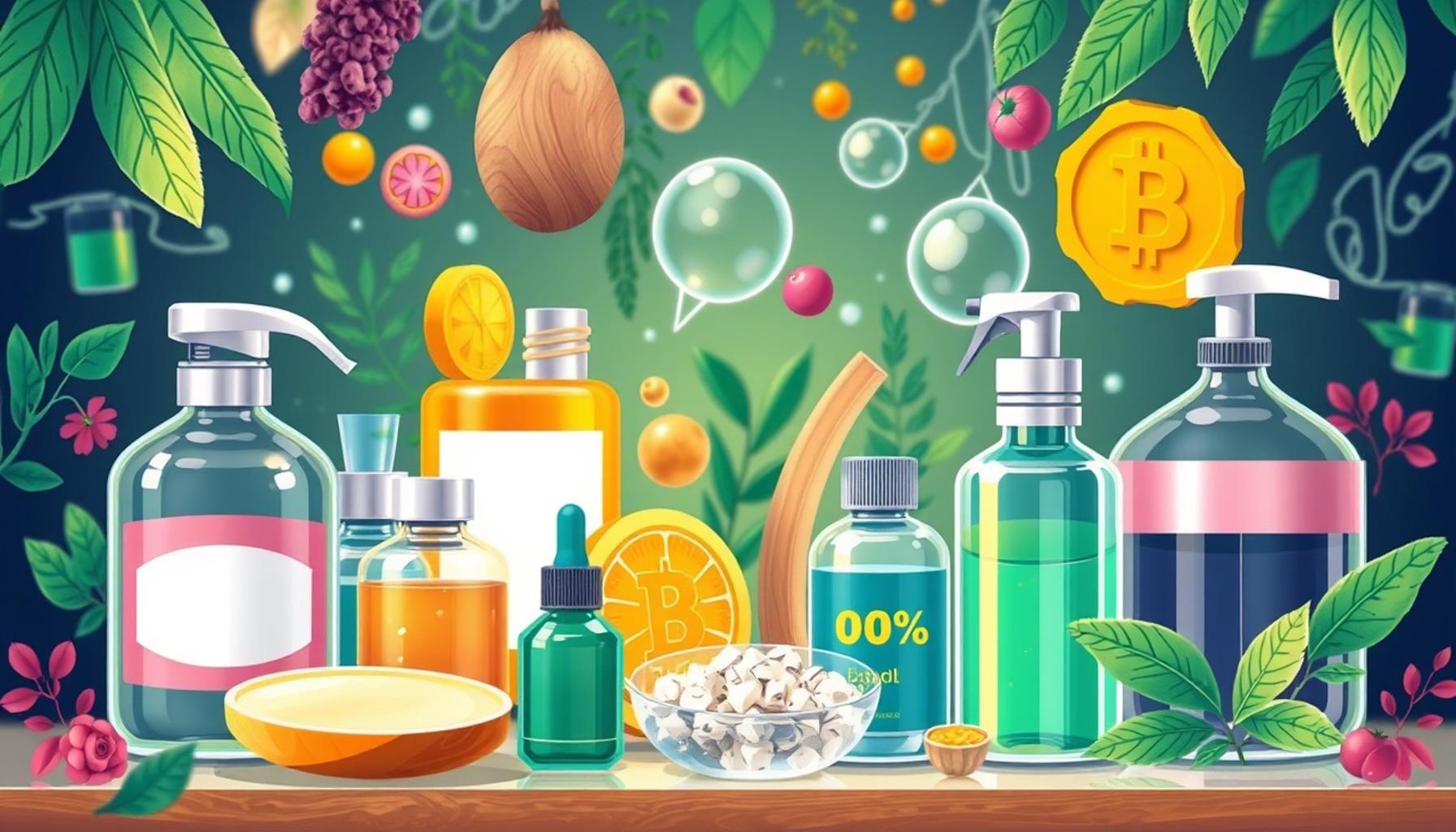
Understanding the Impact of Biotechnology in Cosmetics
As the push for sustainable practices intensifies across various industries, the cosmetics sector is at the forefront of this transformation, leveraging biotechnology technology to develop innovative solutions. This revolution is not merely about creating products but aligns with a broader movement toward environmental consciousness and consumer health. With increasing scrutiny on ingredient transparency and safety, biotechnology presents a viable answer, ensuring that beauty products are as effective as they are responsible.
Using natural processes—such as fermentation and enzymatic reactions—biotechnology paves the way for a new generation of cosmetic formulations that prioritize safety, environmental impact, and compatibility with human biology. Consumers are now more informed than ever, and their preferences reflect a desire to minimize exposure to potentially harmful synthetic compounds traditional cosmetics often feature.
Advantages of Biotechnology in Cosmetic Formulation
The benefits offered by biotechnology through enhanced ingredient formulations can be categorized into several key components:
- Enhanced Safety: By utilizing natural substances, biotechnology significantly reduces the likelihood of adverse reactions. For instance, the development of bioengineered ingredients minimizes the presence of synthetic chemicals and common allergens that can trigger skin sensitivities.
- Eco-Friendly Production: The use of renewable resources in bio-based formulations leads to lower environmental impact. Companies are increasingly investing in sustainable methods to source ingredients, which can help combat issues such as deforestation and overfishing.
- Biocompatibility: The creation of ingredients that align closely with human biology ensures better absorption and integration with skin, enhancing the overall efficacy of the product. For example, bioengineered peptides can mimic naturally occurring skin components, offering targeted benefits without irritation.
- Novel Ingredients: Through processes like microbial fermentation, the discovery of unique compounds propels the formulation of advanced skincare products. Ingredients such as apple stem cells have surged in popularity due to their regenerative properties and ability to promote youthful skin.
Among the most significant breakthroughs are bioengineered peptides, plant stem cells, and enzyme-based formulations. These developments have sparked interest by delivering specific benefits—ranging from enhanced skin hydration to anti-aging properties. For instance, studies have shown that certain bioengineered peptides can significantly improve skin elasticity and reduce the appearance of fine lines, addressing the desires of an aging population.
This paradigm shift is capturing the attention of both consumers and stakeholders in the beauty industry. As the merging of science and beauty evolves, understanding the advantages and capabilities of biotechnology becomes increasingly critical. For consumers, this knowledge empowers informed purchasing decisions, while professionals in the field can harness these advancements to develop safer, more effective products that meet modern demands.
In conclusion, the integration of biotechnology into the cosmetics industry is not just a trend; it represents a fundamental change toward a more sustainable and responsible future. By aligning product development with consumer health needs and environmental stewardship, biotechnology signifies a hopeful answer to the challenges facing the beauty industry today.
DISCOVER MORE: Click here to learn about sunscreen ingredients in cosmetics
The Role of Innovative Processes in Transforming Cosmetic Ingredients
Biotechnology is not just reshaping the formulation of cosmetic ingredients—it’s revolutionizing how consumers interact with products. By harnessing the power of biological organisms and processes, the cosmetics industry is embracing a new era characterized by sustainability and efficacy. At the core of this transformation are several innovative processes that ensure products are not only effective but also reflect a commitment to environmental stewardship.
One of the most prominent processes includes fermentation technology. This method has been adapted to cultivate beneficial micro-organisms that can naturally produce high-quality ingredients. For example, fermentation is used to create hyaluronic acid, a powerhouse in skin hydration, from renewable resources. Instead of synthesizing this compound through chemical processes, which can be harmful to the environment, companies now utilize naturally occurring bacteria and yeast to achieve the same outcome. This shift underscores an essential theme in biotechnological advancements—the drive toward more sustainable and renewable methods.
In addition to fermentation, the use of plant-based stem cells is gaining momentum within the beauty sector. Stem cells harvested from certain plants—such as apples and grapes—demonstrate remarkable regenerative properties. They have shown the capability to protect human skin cells from environmental damage while enhancing the skin’s natural repair mechanisms. Consumers can now find serums and creams packed with these potent ingredients, which not only offer anti-aging benefits but also align with growing eco-conscious consumer values.
Another innovative approach includes the development of enzyme-based formulations. Enzymes, which are biological catalysts, are used to break down larger molecules into smaller, more effective forms, causing a reaction that can enhance the product’s efficacy. For instance, proteolytic enzymes can facilitate gentle exfoliation without harsh scrubs or acids, making these formulations accessible even for sensitive skin types. This highlights a significant move toward gentler cosmetics without sacrificing quality or results.
- Fermentation Technology: Produces high-quality ingredients like hyaluronic acid through natural processes.
- Plant-Based Stem Cells: Use regenerative properties from plants to improve skin health and appearance.
- Enzyme-Based Formulations: Offer gentle yet effective solutions for skin exfoliation and rejuvenation.
As the cosmetics industry integrates these biotechnological advancements, it also adapts to changing consumer demands. Today’s consumers are not only educated about the ingredients in their personal care products but actively seek items that promise safety, efficacy, and ecological responsibility. This shift toward transparency is reflected in the increasing popularity of items marketed as “clean beauty,” which typically harness biotechnology for safer formulations.
The future of cosmetics seems to be rooted in these biosolutions, as brands strive to innovate without compromising ethical standards. With each breakthrough in biotechnology, we move closer to a beauty landscape that prioritizes both personal and planetary health—one formulation at a time.
As biotechnology continues to reshape the cosmetic industry, it is crucial to understand the specific advantages that this technology brings to the formulation of cosmetic ingredients. Among the most noteworthy benefits is the ability to create innovative, sustainable solutions that are tailored to meet consumer demands for safety and efficacy. By leveraging genetic engineering and synthetic biology, companies can produce high-quality ingredients that were once difficult to source or too expensive to manufacture. For instance, through fermentation processes, biotechnologists can cultivate active compounds, such as peptides and enzymes, derived from natural sources, thereby minimizing the environmental impact and ensuring a steady supply of these vital ingredients.Another significant advantage is the use of plant cell culture technology, which allows for the extraction of bioactive compounds without harming the plant itself. This method not only supports the sustainability of natural resources but also opens up new avenues for ingredient discovery. Additionally, pharmaceutical-grade biotechnological processes enhance the purity and potency of cosmetic ingredients, leading to formulations that provide superior benefits like better absorption and long-lasting results.Furthermore, biotechnology enables personalization in cosmetic formulations. With advancements in genomics and biomarker analysis, brands can develop products tailored for specific skin types and conditions, empowering consumers to find solutions that truly meet their unique needs. Overall, the integration of biotechnology in cosmetic ingredient formulation is not just a trend; it is a transformative movement that holds the potential to revolutionize the industry, resulting in safer, more effective, and environmentally friendly products. As the knowledge and application of biotechnology expand, consumers and manufacturers alike stand to benefit from the remarkable innovations that await.
DISCOVER MORE: Click here to delve deeper
Embracing Sustainability through Biotechnological Advancement
As the beauty industry increasingly prioritizes sustainability, biotechnology plays a pivotal role in addressing environmental concerns associated with traditional cosmetic ingredient sourcing and production. Innovations such as biosynthesis have emerged as game-changers, allowing for the production of cosmetic ingredients in ways that minimize waste and reduce the carbon footprint. Through biosynthetic processes, companies can harness the metabolic pathways of microorganisms to produce everything from collagen to antioxidants, significantly curtailing the reliance on animal-derived components and harmful extraction methods.
A compelling example of biosynthesis can be observed in the production of vegan-friendly collagen. Traditionally derived from animal sources, collagen is now being manufactured through engineered yeast or bacteria, leading to products that are not only ethical but also versatile and effective. This method allows beauty brands to cater to a growing segment of consumers who demand cruelty-free and vegan options, reflecting a broader shift in consumer values towards ethical consumption.
The rise of microalgae cultivation is another notable advancement in this sustainability-driven paradigm. Microalgae are recognized for their incredible nutrient density and ability to thrive in harsh environments. This makes them an ideal candidate for bioactive ingredients in cosmetics. Products packed with extracts from microalgae promise to deliver antioxidant properties and anti-inflammatory benefits, appealing directly to health-conscious consumers looking for potent, nature-derived solutions. Furthermore, microalgae cultivation requires minimal land and water resources, positioning it as a viable alternative to conventional agriculture.
Additionally, synthetic biology is redefining how we think about cosmetic formulations. By manipulating the genetic structures of microorganisms, scientists can create novel ingredients that would potentially be difficult or impossible to extract from natural sources. An exciting development in this area is the creation of biopolymers, which can enhance the texture and feel of cosmetic formulations without resorting to synthetic chemicals. These biopolymers help achieve a luxurious finish in products such as moisturizers and foundations while ensuring that formulations remain environmentally friendly.
- Biosynthesis: Produces cosmetic ingredients like collagen in an ethical, vegan-friendly manner.
- Microalgae Cultivation: Offers nutrient-dense bioactive ingredients and requires minimal environmental resources.
- Synthetic Biology: Enables the creation of novel, nature-like ingredients through genetic manipulation, enhancing product quality and sustainability.
As regulatory bodies and consumers become more conscious of cosmetic safety and efficacy, the integration of biotechnology provides brands with an avenue to fortify their formulations while enhancing transparency. For instance, many companies are adopting blockchain technology to trace ingredient sources, ensuring not only purity but also ethical production practices. This full-circle commitment to sustainability and integrity is one of the defining features of modern biotechnological advancements.
The cosmetics sector is diligently adapting to a world where consumers demand accountability; thus, biotechnology is set not just to transform product formulations but also to reshape industry standards in ways that champion a healthier planet alongside personal beauty. With biotechnology at the forefront, the cosmetics industry stands on the brink of revolutionary change, where sustainability and innovation will define the next generation of beauty products.
DIVE DEEPER: Click here to discover the latest trends
Conclusion: The Future of Beauty in Biotech Hands
In a rapidly evolving cosmetics industry, where the demand for sustainability and ethical practices is at an all-time high, biotechnology is not just a trend but a transformative force. As we have explored, innovations such as biosynthesis, microalgae cultivation, and synthetic biology are pioneering new pathways for the formulation of cosmetic ingredients. These advances not only cater to consumer preferences for cruelty-free and vegan options but also significantly lessen the environmental impact associated with traditional sourcing methods.
Through the synthesis of novel, nature-like ingredients and bioactive compounds, brands are embracing a future where the power of science can enhance beauty without compromising on ethical responsibilities. The creation of biopolymers and the use of blockchain technology for ingredient traceability are just a glimpse into how biotechnology is elevating transparency and safety standards, reshaping consumer confidence in cosmetic products.
As consumers increasingly seek deeper connections with the products they use, the industry stands to benefit tremendously from this shift. The merging of technology and nature is paving the way for an innovative future where beauty is not only skin-deep but intricately tied to the wellbeing of our planet. By harnessing the potential of biotechnology, the cosmetics industry is on the cusp of a revolutionary transformation, setting the stage for products that are as conscious of their ecological footprint as they are of enhancing personal beauty.
For industry leaders, the call to action is clear: staying ahead requires embracing biotechnological advancements, enhancing sustainability, and inspiring consumer trust. With biotechnology shaping the future of cosmetic formulations, the next chapter in beauty is set to be both *scientifically empowered and environmentally mindful.*