

The Role of Sunscreen in Cosmetic Products
As awareness of skin health rises, the integration of sunscreen ingredients in cosmetics is becoming a game-changer. Consumers are increasingly looking for products that not only enhance their beauty but also provide essential protection against harmful UV rays. This shift in consumer preference is prompting discussions about the effectiveness of these ingredients and their role in providing adequate skincare. Understanding the various components that contribute to sun protection is vital for making informed choices when selecting cosmetic products.
Understanding UV Radiation
The sun emits two primary types of ultraviolet radiation that can adversely affect the skin: UVA and UVB rays. UVA rays penetrate deeply into the skin, contributing to premature aging and increasing the risk of skin cancer. They remain constant throughout the day and can penetrate clouds and glass. On the other hand, UVB rays are more intense during summer months and are primarily responsible for causing sunburn. The distinction between these two types of rays highlights the importance of seeking products that offer comprehensive protection against both.
Common Sunscreen Ingredients
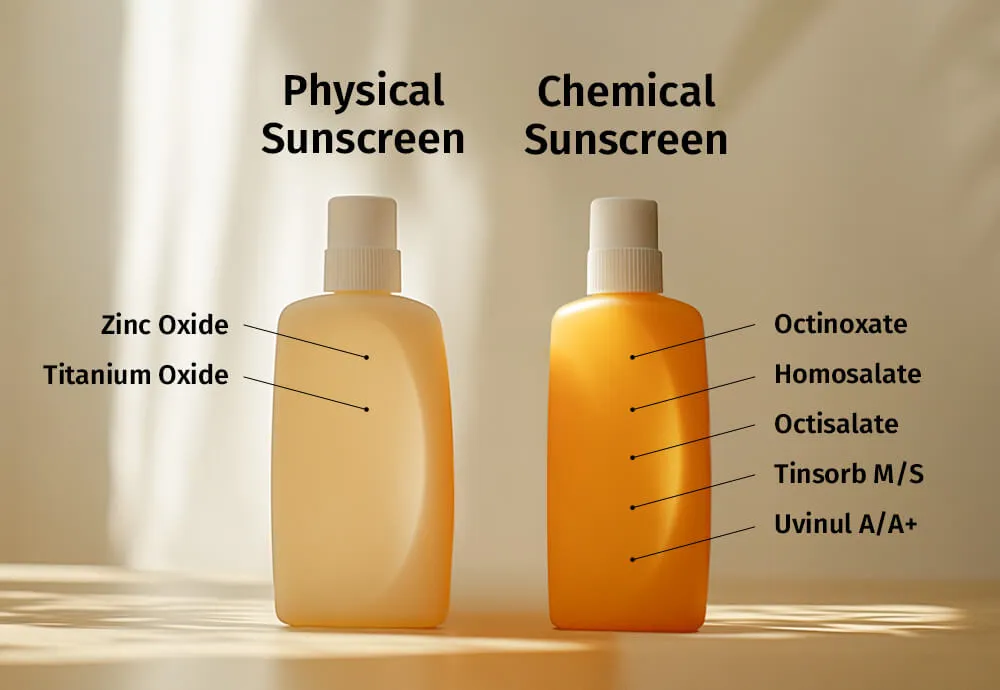
Among the most frequently utilized ingredients in sunscreen formulations are Zinc Oxide and Titanium Dioxide, which provide physical (or mineral) protection. These ingredients act as a barrier on the skin’s surface, reflecting and scattering UV rays. Their broad-spectrum efficacy makes them popular choices in both dedicated sunscreens and tinted moisturizers.
On the chemical side, popular options include Avobenzone, which is known for its ability to absorb the full spectrum of UVA rays, and Octinoxate, which offers effective UVB protection. Chemical sunscreen ingredients work by absorbing UV radiation and transforming it into heat, which is then released from the skin. Understanding these ingredients helps consumers discern which products will best meet their needs.
Evaluating Product Efficacy
When selecting sunscreen-infused cosmetics, it’s crucial to assess product efficacy. Not all products deliver the same level of protection, and some may lack critical components necessary for broad-spectrum defense. For example, a foundation with SPF 15 may not provide sufficient protection during extended sun exposure. Many experts recommend using a dedicated sunscreen in conjunction with cosmetic products to ensure adequate coverage. Additionally, it is important to apply these products generously and reapply them every two hours, especially when sweating or swimming.
Innovation in Cosmetic Formulations
With innovation in cosmetic formulations, users can now find a wide array of products that incorporate these protective agents without compromising on texture or aesthetics. Brands are actively developing formulations that blend seamlessly into the skin while ensuring sun protection, such as tinted sunscreens and moisturizers with SPF. These advancements cater to an increasing demand for multifunctional products, eliminating the need for multiple skincare steps.
As consumers become more educated about skincare, the necessity of scrutinizing ingredient lists becomes apparent. Products claiming to provide sun protection should undergo rigorous testing and verification to confirm their claims. Therefore, keeping an eye on evolving research and new formulations is essential for anyone seeking to protect their skin from the damaging effects of the sun.
DISCOVER MORE: Click here to learn about the latest trends
The Importance of Comprehensive Sun Protection
As the beauty industry evolves, consumers are not just seeking products that enhance their appearance but also those that shield their skin from harmful solar radiation. This focus on comprehensive sun protection is compelling cosmetic brands to incorporate a range of sunscreen ingredients into their formulations. However, understanding how these ingredients perform and their limitations is crucial to achieving effective skin care.
The Science Behind Sunscreen Efficacy
The efficacy of sunscreen ingredients varies significantly, especially when it comes to their formulation in cosmetic products. For instance, the effectiveness of physical sunscreens, like zinc oxide and titanium dioxide, lies in their ability to create a physical barrier that reflects UV radiation. Conversely, chemical sunscreens are specially designed to absorb UV rays and convert them into heat before releasing them from the skin. This fundamental difference in operation brings into question the overall sunscreen performance in makeup—a key consideration for consumers.
Consumer Awareness and Ingredient Scrutiny
In the realm of beauty, the emphasis on ingredient transparency is paramount. Today, consumers are more educated about the potential effects of various components in their skincare regimen. Factors to consider when evaluating sunscreens in cosmetics include:
- SPF Rating: Look for products with a minimum of SPF 30 for robust protection.
- Broad-Spectrum Protection: Ensure the product lists protection against both UVA and UVB rays.
- Water Resistance: Select formulations that are water-resistant if engaging in outdoor activities.
- Ingredient List: Check for recognized sunscreen agents and avoid products with ambiguous terms.
The importance of scrutinizing these characteristics cannot be overstated. A cosmetic product labeled “SPF” does not automatically equate to reliable sun protection; hence, consumers are encouraged to do their research and dig deeper into the efficacy of sunscreen ingredients used in their beauty products.
Regulatory and Testing Standards
Another critical aspect to consider is the regulatory framework governing sunscreen ingredients in cosmetic formulations. In the United States, the Food and Drug Administration (FDA) sets forth guidelines for labeling sunscreens, yet there remains variability in testing conditions. Many cosmetics may not undergo the same rigorous testing as standalone sunscreens, leading to potential discrepancies in effectiveness.
Consequently, it is essential to prioritize products that specify dermatologically tested formulas or those that clearly outline their sun protection claims. By doing so, consumers can cultivate an informed perspective on which products to incorporate into their daily regimen, ultimately embracing a holistic approach to skin health.
Embracing Multifunctional Products
The integration of sunscreens into cosmetics is shaping a new narrative in skincare, where multifunctional products serve dual purposes. As brands innovate to blend efficacy with aesthetics, consumers are treated to a myriad of options, from moisturizers with SPF to foundations enriched with sun protection. This convergence represents not only a marketing trend but also a significant step toward fostering healthier skin practices.
In closing, understanding the use of sunscreen ingredients in cosmetics and their efficacy is a critical element for any consumer looking to safeguard their skin against the damaging effects of the sun. As the market continues to evolve, keeping abreast of new findings and product developments will empower consumers to choose wisely for their skincare needs.
The Use of Sunscreen Ingredients in Cosmetics and Their Efficacy
As more consumers become aware of the harmful effects of UV exposure, the incorporation of sunscreen ingredients in cosmetics has surged. This new trend has given rise to innovative formulations that merge skincare with defense against sun damage. Notably, ingredients like zinc oxide and titanium dioxide are gaining popularity due to their broad-spectrum protection and minimal skin irritation. Moreover, the efficacy of these ingredients is not only supported by anecdotal evidence but backed by scientific studies that highlight how they can reduce the risk of skin cancer and premature aging. For instance, chemical sunscreens contain active compounds like avobenzone and octisalate, which absorb UV radiation, converting it into heat and releasing it from the skin. In contrast, physical blockers offer a shielding effect, reflecting harmful rays away from the skin.
| Category | Description |
|---|---|
| Zinc Oxide | Provides effective physical barrier against UV rays with anti-inflammatory properties. |
| Chemical Filters | Absorb UV light, converting it into heat, hence enhancing skin feel in cosmetic formulations. |
It’s crucial to note that the effectiveness of sunscreen in cosmetics is often linked to the concentration of active ingredients and the application method. Regular reapplication is recommended to maintain protection, especially in formulations that incorporate sunscreen in daily makeup routines. Additionally, with ongoing advancements in cosmetic science, new botanical extracts and enhanced delivery systems are emerging, allowing for more effective sun protection alongside skin-enhancing benefits. These innovations continue to reshape our understanding of how we can blend safety and beauty in our daily skincare practices.
DISCOVER MORE: Click here to learn about the latest trends
Emerging Ingredients and Innovations in Sunscreen Technology
The beauty industry is continuously evolving, and so are the sunscreen ingredients finding their way into cosmetic products. Innovations in formulations are introducing not only more effective sun protection but also better compatibility with various skin types and concerns. Ingredients such as peppermint oil, green tea extract, and niacinamide are not only recognized for their antioxidant properties but are also becoming integral components in sun protection. These natural extracts enhance the efficacy of traditional sunscreen agents and offer additional skin benefits, appealing to health-conscious consumers.
Furthermore, the rise of nanoparticle technology in physical sunscreens allows for a lightweight feel without compromising effectiveness. Conventional formulations containing micronized versions of zinc oxide and titanium dioxide provide excellent UV protection while appearing sheer on the skin. This breakthrough finds popularity among those who prefer a more invisible finish in makeup products, transforming the perception of physical sunscreens into fashionable must-haves.
The Role of SPF in Appearance and Longevity
When evaluating cosmetics infused with sunscreen ingredients, an understanding of the SPF (Sun Protection Factor) is vital. Research indicates that higher SPF ratings correspond to better protection against UVB rays; however, many consumers mistakenly believe a higher SPF provides commensurately better protection overall. The reality is that no sunscreen, regardless of SPF, can offer 100% protection. The American Academy of Dermatology recommends using a sunscreen with broad-spectrum SPF 30 or higher and reapplying every two hours, especially if swimming or sweating—an important consideration for those relying on makeup for sun protection.
Moreover, the longevity of the SPF effectiveness in cosmetics can vary considerably. The incorporation of sunscreen into a cosmetic product often diminishes due to factors like perspiration, oils on the skin, and everyday wear. Understanding the dynamics of product longevity is essential for users who expect their makeup to maintain protective qualities throughout the day, prompting many brands to develop long-lasting formulations that promise consistent protection.
Consumer Preferences and Sustainability Ethics
The current consumer landscape shows a marked preference for products that prioritize both efficacy and ethical sourcing. Brands are responding with formulations free from harmful chemicals like oxybenzone and octinoxate, which have faced scrutiny for their potential environmental impacts, particularly in marine ecosystems. Sun care enthusiasts now seek reef-safe ingredients that align with their values while providing substantial sun protection.
Additionally, sustainability extends beyond individual ingredients; packaging innovations are gaining traction, encouraging brands to adopt eco-friendlier practices. Many consumers favor brands that utilize biodegradable or recyclable packaging and transparent sourcing methods that resonate with the growing movement towards environmental conservation. The integration of sustainability credentials into sunscreen-rich cosmetics not only enhances brand loyalty but also boosts consumer confidence in their selections.
Expanding Options for Diverse Skin Needs
Understanding that skin concerns vary widely has driven brands to innovate formulations that cater to different skin types and tones. Tinted moisturizers with SPF protection are a staple, addressing issues like hyperpigmentation while offering an added layer of defense against UV rays. Moreover, hypoallergenic and fragrance-free formulations are now readily available for sensitive skin, ensuring that everyone can incorporate sun protection into their routines without adverse reactions.
As consumers continue to seek holistic skincare solutions, the demand for cosmetics that effortlessly blend sunscreen ingredients will only grow. This ongoing trend not only empowers individuals to prioritize skin health but also challenges the beauty industry to innovate continually, pushing the boundaries of what sunscreen ingredients can achieve in our daily cosmetic regimens.
DISCOVER MORE: Click here to learn about sustainable ingredients in cosmetics.
Conclusion: The Future of Sunscreen Ingredients in Cosmetics
As the beauty industry continues to innovate, the incorporation of sunscreen ingredients into cosmetics becomes increasingly significant in the fight against skin damage. Today’s informed consumers are keenly aware of the impact that sun exposure can have on skin health, prompting a heightened demand for products that not only enhance appearance but also provide substantial protection against harmful UV rays. The advancements in formulation, particularly with the use of emerging ingredients like green tea extract and niacinamide, are reflective of the industry’s commitment to blending efficacy with skincare benefits.
While innovations in nanoparticle technology allow for lightweight and aesthetically pleasing options, it’s crucial for consumers to understand the importance of evaluating SPF ratings critically and recognizing the need for reapplication to maintain protection. Furthermore, as environmental consciousness rises, brands are responding by eliminating harmful chemicals and adopting sustainable practices, aligning consumer preferences with ethical responsibility.
The diverse offerings now cater to a wide range of skin types and concerns, making sun protection accessible to all. As holistic skincare continues to trend, integrating sun protection seamlessly into daily routines encourages proactive measures for long-term skin health. In conclusion, the efficacy of sunscreen ingredients in cosmetics transcends mere beauty; it represents a significant step towards educated self-care, challenging both consumers and brands to prioritize skin wellness in an era where protection is paramount. The future holds promising potential for innovations that are not only effective but also responsible, paving the way for a healthier society.