
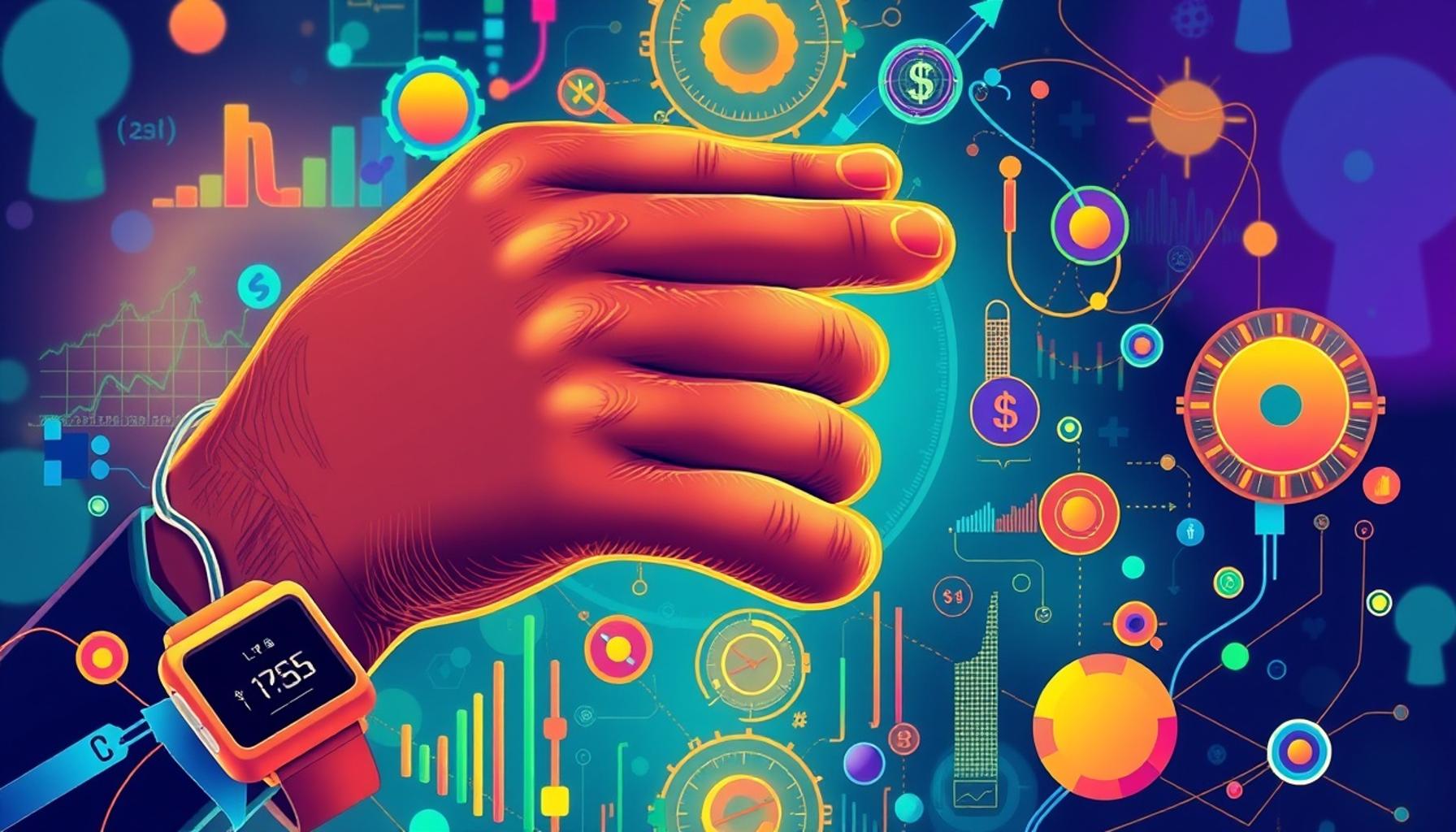
Wearable Technologies in Dermatology: A New Paradigm
In the modern era, the advent of wearable devices is transforming the landscape of personal health monitoring, with dermatology being a significant area of impact. Gone are the days when skin health evaluations were solely a responsibility of dermatologists. Today, these innovative devices empower individuals to proactively manage their skincare, providing real-time insights that were previously unimaginable. The intersection of technology and skin health is paving the way for a new era where consumers become more in-tune with their skin’s needs.
Real-Time Monitoring
One of the most remarkable features of contemporary skincare wearables is their ability to conduct real-time monitoring. These devices can measure various skin parameters, including hydration levels, oiliness, and even UV exposure. For example, a smartwatch equipped with a skin sensor can alert you when your skin has reached its optimal moisture level or inform you how much sun exposure you’ve had throughout the day. Such information is crucial, especially in regions like California, where sunny weather encourages outdoor activities but also heightens the risk of sunburn and long-term skin damage.
Personalized Insights
The use of algorithms in wearable technology allows for highly personalized insights. These devices analyze individual skin types, environmental factors, and daily habits to tailor recommendations. For instance, individuals with oily skin might receive alerts suggesting specific hydrating products to balance excess oil. By providing customized advice, these wearables facilitate more effective skincare routines, enabling consumers to select products that will work best for their skin rather than relying on one-size-fits-all solutions.
Early Detection of Skin Issues
One of the more transformative aspects of wearable technology in dermatology is the potential for early detection of skin issues. Advanced algorithms can identify anomalies in skin behavior, such as changes in pigmentation or unusual dryness, which may indicate developing skin conditions like eczema or even skin cancer. For instance, devices designed to monitor moles can alert users to concerning changes that warrant further medical evaluation. This proactive approach not only leads to timely treatment but can significantly improve long-term health outcomes.
As wearables become more accessible and sophisticated, understanding their capabilities becomes essential for consumers wishing to enhance their skin health. The ongoing evolution of dermatology technology signifies a shift toward preventative care, where individuals are equipped to monitor their skin conditions before they escalate into more serious issues. By embracing these advances, users can foster a more informed and empowered approach to skincare, ultimately leading to better overall well-being.
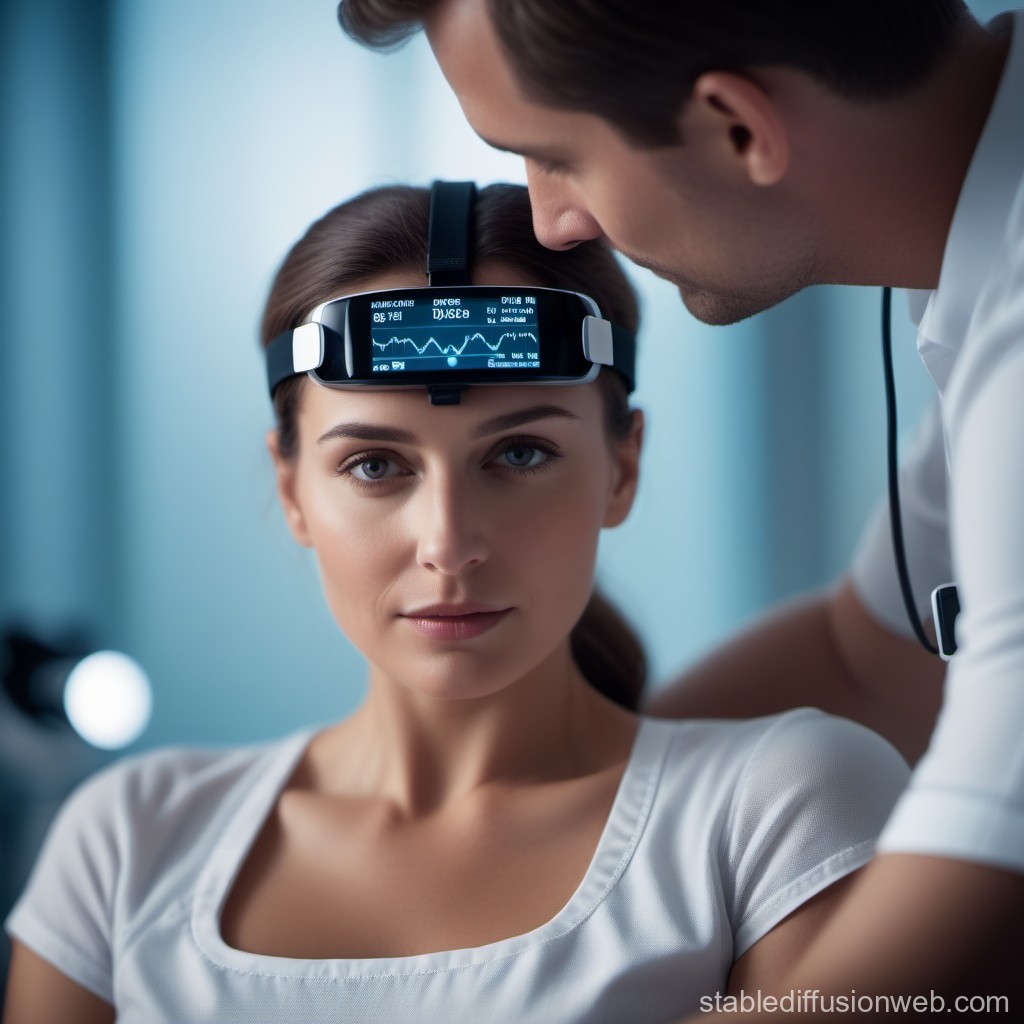
Join us in this exploration of wearable devices in skincare. By delving deeper into this innovation, you will uncover how such technology is not just a trend but a pivotal shift in how we care for our skin, ensuring it remains as healthy as possible.
DIVE DEEPER: Click here to uncover the best jade roller for your skincare routine
Empowering Consumers for Better Skin Health
The integration of wearable devices in dermatology not only simplifies skin health monitoring but also empowers consumers to take a proactive approach to their skincare regimens. These devices, often equipped with advanced sensors and algorithms, provide comprehensive data points, ultimately leading to informed decisions regarding skin protection and maintenance. From tracking daily UV exposure to maintaining optimal moisture levels, the information collected can significantly influence behaviors, helping users to develop healthier skincare habits.
Enhanced Data Collection and Analysis
Wearable technology has bridged the gap between individuals and dermatological expertise by offering enhanced data collection and analysis capabilities. Many of these devices operate using mobile applications that compile data gathered from skin sensors, creating detailed profiles based on individual skin characteristics. The prevalent use of machine learning ensures that data is not only collected but also intelligently interpreted, leading to insights that would typically require a dermatologist’s expertise. Some key data points these wearables track include:
- Skin temperature: Indicates potential conditions such as inflammation or irritation.
- Hydration levels: Essential for determining skin dryness and the effectiveness of moisturizing products.
- UV exposure: Alerts users about sun exposure, helping them take necessary precautions to avoid UV damage.
- Skin pH levels: Provides insights into skin balance and can help in selecting suitable skincare products.
This detailed information allows for tailored skincare routines, combatting skin issues more efficiently than traditional methods. For example, if data indicates elevated hydration levels, an individual may adjust their moisturizer usage accordingly. This adaptability is crucial, particularly considering factors such as seasonal changes, which can significantly impact skin conditions.
Community and Knowledge Sharing
Another noteworthy aspect of wearable devices in dermatology is the built-in capability for community and knowledge sharing. Many platforms associated with these devices offer forums or communities where users can share their experiences, successes, and product recommendations. This collaborative element fosters a culture of shared learning, where consumers can gain insights not just from data, but also from real-life experiences of others. Such interactions can deepen users’ understanding of their skin health, helping them navigate challenges effectively.
Furthermore, as this tech-savvy generation increasingly embraces wearable devices, the dermatology field is experiencing a seismic shift toward a more engaged and informed public. The capacity for self-monitoring and the communal approach to skincare underlines the transformative potential of technology in dermatology. However, as individuals adopt these devices, it’s vital to remember that they should not solely replace professional dermatological advice but rather complement it, leading to better outcomes and improved skin health.
| Advantages of Wearable Devices | |
|---|---|
| Real-Time Monitoring | Wearable devices can track skin conditions continuously, providing real-time data that can be crucial for early intervention. |
| Data Analysis | These devices utilize advanced algorithms to analyze skin changes, helping dermatologists to make informed decisions based on precise metrics. |
| Personalized Care | With insights from wearable technology, patients can receive tailored skincare regimens that cater to their individual needs. |
| Patient Engagement | Wearable technologies empower patients to take an active role in their skin health, fostering better compliance and awareness. |
As we delve into the myriad benefits, it’s essential to recognize the transformative impact of real-time monitoring. Wearable devices equipped with sensors continuously assess skin metrics, such as moisture levels, UV exposure, and temperature fluctuations. This capability not only facilitates timely detection of skin disorders but also aids in tracking the efficacy of adopted treatments. Moreover, the data analysis provided by these cutting-edge devices allows dermatologists to observe trends and make critical adjustments based on empirical evidence rather than guesswork.Additionally, personalized care emerges as a significant advantage. By leveraging data insights obtained from wearables, dermatologists can tailor recommendations for skincare products and routines that suit individual skin types, enhancing treatment outcomes. The integration of this technology also encourages patient engagement, as individuals become more informed and involved in their skin health, leading to proactive care and improved quality of life. Ultimately, wearable devices exemplify the confluence of dermatology and technology, setting a new standard for skin health monitoring and management.
DIVE DEEPER: Click here to discover more
Integration with Healthcare Systems
The potential of wearable devices extends far beyond personal health tracking; these innovations are beginning to integrate effectively with broader healthcare systems. This integration enables healthcare providers to access valuable data derived from these devices, transforming the way dermatological conditions are diagnosed and treated. By aggregating real-time skin health data, dermatologists can monitor patients without the need for constant in-office visits, creating a more efficient healthcare model.
Remote Patient Monitoring
Wearable devices facilitate remote patient monitoring, an increasingly vital aspect of healthcare in the modern age. Patients with chronic skin conditions, such as eczema or psoriasis, can benefit significantly from constant skin health assessments made possible by these devices. For example, a wearable model may track skin flare-ups in response to environmental conditions or dietary changes, allowing for ongoing adjustments to treatment plans. This proactive approach helps lessen disease severity and enhance the quality of life for patients.
Moreover, teledermatology has surged in popularity, where specialists utilize the data transmitted by wearable devices in conjunction with virtual consultations. This model not only saves valuable time and reduces overall healthcare costs, but it also expands the accessibility of dermatological care for individuals in rural or underserved areas, where dermatology resources may be limited.
Data-Driven Insights for Healthcare Professionals
Wearable technology provides data-driven insights that can inform healthcare professionals on a larger scale. Aggregated data from multiple users can lead to breakthrough findings in dermatological research. For example, researchers can analyze patterns in skin responses to specific allergens or environmental factors. Such studies carry the potential to change clinical practices and refine existing treatment protocols.
Additionally, big data analytics enables healthcare providers to identify populations at risk for particular skin conditions based on trends discovered through wearable device data. This level of detail promotes targeted outreach and preventive measures, demonstrating how wearables can contribute to public health initiatives.
Regulatory Considerations and Future Implications
<pAs with any technological advancement, regulatory considerations are paramount in the evolution of wearable devices in dermatology. The FDA has begun classifying certain wearable devices as medical devices, underscoring the need for robust clinical validation before they can be widely adopted for clinical use. This regulatory landscape requires manufacturers to ensure data accuracy and user safety, especially when devices function as adjuncts to medical diagnosis.
Looking ahead, the intersection of artificial intelligence, machine learning, and wearable health technology holds immense promise for dermatology. Enhanced algorithms may soon predict skin conditions even before they manifest, allowing for preventive care strategies tailored to individual lifestyles and environments. As these technologies continue to develop, the empowerment of both consumers and healthcare providers may reshape not only skincare but the entire landscape of dermatological care.
DISCOVER MORE: Click here for essential tips on sanitizing beauty tools
Conclusion
In summary, the rise of wearable devices in dermatology marks a transformative chapter for skin health monitoring, offering an unprecedented blend of convenience, accuracy, and accessibility. By enabling real-time tracking of skin conditions and integrating seamlessly with healthcare systems, these technologies empower both patients and healthcare providers. Patients gain the ability to manage chronic conditions like eczema or psoriasis with proactive adjustments to their treatment plans based on concrete data. Meanwhile, dermatologists can utilize these insights for efficient remote patient monitoring, enhancing the overall quality of care.
Moreover, the data-driven revelations derived from wearable devices herald a new era of personalized dermatological treatment. As trends and patterns in skin health emerge, healthcare professionals can tailor interventions more effectively, ensuring targeted preventive measures are deployed in populations at risk. The potential to revolutionize clinical practices continues to expand, particularly with the integration of artificial intelligence and big data analytics, which promise even greater precision in predicting skin health issues.
However, as the field progresses, it is imperative to navigate the regulatory landscape carefully to ensure that innovations prioritize patient safety and data accuracy. The collaboration between technology developers, regulatory bodies, and medical professionals will be crucial to unlock the full potential of wearable devices. As we look forward, one thing is clear: the future of dermatology is not just about treating skin conditions but about enhancing skin health through proactive, informed, and personalized care, making the journey toward healthier skin more interactive and insightful than ever before.