

Understanding Aesthetic Dermatology
The landscape of aesthetic dermatology is rapidly evolving, driven by groundbreaking innovations that redefine beauty standards. Among these advancements, fillers and botulinum toxins have emerged as game-changers, offering minimally invasive solutions for rejuvenation and enhancement. These treatments are revolutionizing the way individuals approach beauty and self-care, presenting a modern answer to age-old concerns over appearance.
As the demand for youthful looks continues to rise, particularly in the United States, aesthetic dermatology is becoming more sophisticated. Individuals are increasingly turning to these non-surgical options to enhance their natural features without the extended downtime associated with surgical procedures. The popularity of these treatments is not just a trend; it reflects a growing cultural acceptance of personal enhancement.
The Role of Fillers in Aesthetic Dermatology
Fillers are injectable substances used primarily to restore lost volume, smooth out wrinkles, and enhance facial contours. Common types of fillers include hyaluronic acid, poly-L-lactic acid, and calcium hydroxylapatite. Each type has its unique properties and uses. For instance, hyaluronic acid fillers, like Juvederm and Restylane, are favored for their ability to retain moisture, providing a plumping effect that can last between six months to two years. In contrast, poly-L-lactic acid fillers encourage the body’s collagen production over time, making them particularly effective for deeper facial lines.
Furthermore, fillers have proven versatile in addressing various needs, from lip enhancement to cheek augmentation. People often seek out these procedures to define their features in a subtle yet effective way. For example, the popular “lip flip” uses a small amount of filler to create fuller lips, giving a youthful appearance that often leads to an increase in self-esteem and satisfaction.
The Impact of Botulinum Toxins
Botulinum toxins, commonly known by brand names like Botox and Dysport, are primarily employed for wrinkle reduction by temporarily blocking nerve signals to muscles. This results in a smoothening of dynamic wrinkles—those caused by facial expressions, such as frowning or squinting. Patients typically notice results within a few days, with effects lasting from three to six months. This quick turnaround often appeals to individuals looking for a rapid refresh before special events.
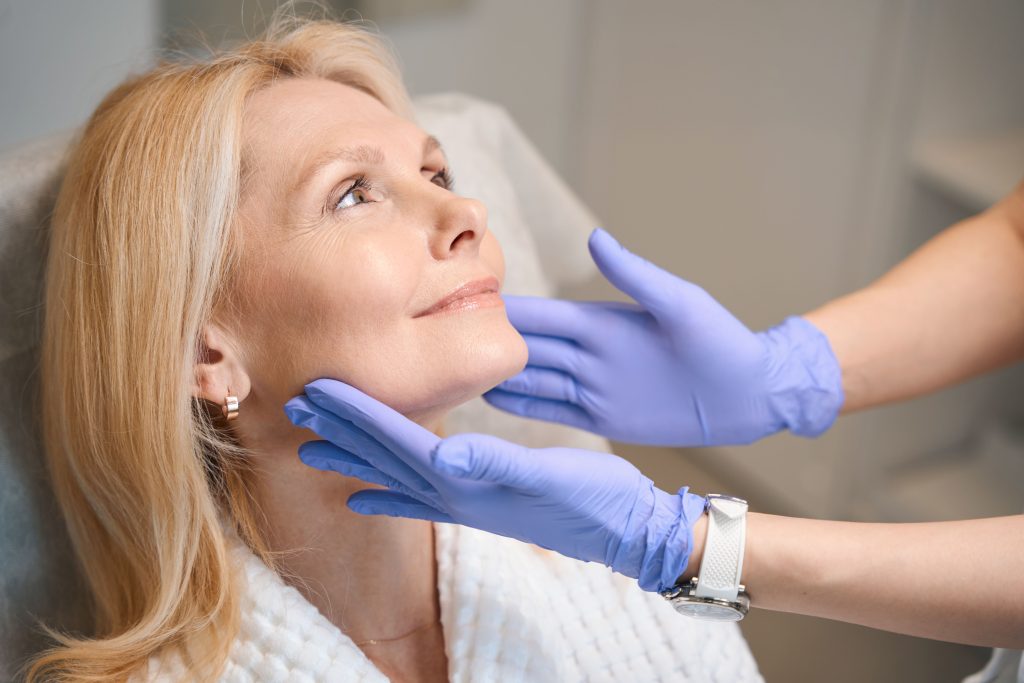
Beyond cosmetic applications, botulinum toxins are also used therapeutically to treat conditions such as chronic migraines, excessive sweating, and muscle spasms. This multifaceted nature showcases the broader applications of these treatments, emphasizing their importance in both aesthetic and medical fields.
Customization and Personalization
One of the most appealing aspects of both fillers and botulinum toxins is their versatility. These treatments can be tailored to meet diverse aesthetic goals, making them ideal for a wide range of individuals. Dermatologists often conduct thorough consultations to understand each patient’s desires, ensuring that the results align with their personal beauty ideals. This customized approach not only heightens satisfaction but also enhances the natural look often sought after in these procedures.
Final Thoughts
As more people embrace these techniques, the importance of understanding their mechanisms and benefits becomes paramount. In a world where first impressions matter, the integration of fillers and botulinum toxins not only enhances physical appearance but also contributes significantly to an individual’s confidence. The future of aesthetic dermatology is poised for further innovations, with ongoing research and development promising to bring safer and more effective treatments to the forefront.
In this article, we will delve deeper into the latest innovations surrounding these treatments and their significant role in the ever-changing field of aesthetic dermatology. Join us as we explore how technology and artistry converge to redefine beauty, transforming not only faces but lives in the process.
DISCOVER: Click here to dive into the latest trends
Transforming Beauty Standards with Fillers
The evolution of fillers in aesthetic dermatology has not only changed how individuals perceive beauty but also how they achieve it. New formulations and techniques enhance the effectiveness of these injectables, which continue to gain traction in the beauty and wellness communities. What once encompassed limited options has expanded into a range of targeted treatments, each catering to specific aesthetic needs.
At the forefront of this evolution is hyaluronic acid, a naturally occurring substance in the body known for its moisture-retaining properties. Innovations in filler technology have led to the development of ultra-fine and thicker hyaluronic acid formulations. This allows dermatologists to achieve a more natural look—plumping certain areas while minimizing the risk of complications. Moreover, the advent of micro-cannula techniques has further reduced the likelihood of bruising and swelling, making the injections even more appealing to patients seeking quick results.
As patients become well-informed and discerning consumers, the industry must additionally adapt to their changing preferences. Here are several ways in which fillers are innovating:
- Longer Lasting Effects: New cross-linking technologies extend the duration of results, with some fillers now boasting effects that last up to two years, minimizing the frequency of follow-up treatments.
- Customized Compositions: Manufacturers are creating fillers that are specifically designed for different areas of the face, allowing for tailored approaches to treatment based on unique facial structures.
- Bio-Stimulatory Fillers: Innovations in bio-stimulatory fillers, such as poly-L-lactic acid, promote collagen production, which not only improves immediate volume but also fosters long-term facial rejuvenation.
The Alchemy of Botulinum Toxins
Meanwhile, botulinum toxins have carved out their niche in aesthetic dermatology as eminent solutions for wrinkle reduction. Introduced into the market in the late 20th century, botulinum toxins have undergone substantial advancements, providing enhanced safety profiles and more effective formulations. Specifically designed to target dynamic wrinkles, these toxins improve overall aesthetic appeal while allowing patients to maintain a natural expression.
The technology behind botulinum toxins has improved significantly, influencing both their application method and results. For example, precise dosing through advanced syringe designs has made it easier for practitioners to tailor treatments to individual patient needs, thereby minimizing the potential for side effects.
The growing acceptance of these treatments has also translated into a wider audience. Once thought to be the realm of celebrities and public figures, the use of botulinum toxins has now become mainstream, appealing to individuals from various demographics. Recent surveys indicate that over 7 million botulinum toxin treatments were administered in the United States alone in the past year, highlighting the immense popularity of these injectables.
Safety and Efficacy: The Pillars of Progress
As the landscape of aesthetic dermatology continues to expand with innovative treatments, the emphasis on safety and efficacy cannot be overstated. Continuous research and development are paramount in ensuring that these advanced techniques not only meet evolving patient expectations but also maintain a commitment to high standards of care. Practitioners are encouraged to stay updated on the latest best practices, enabling them to provide safe, effective treatments that enhance both beauty and confidence.
As we delve deeper into the innovations surrounding fillers and botulinum toxins, it’s apparent that these treatments are not just about cosmetic enhancement; they offer an evolving narrative of self-expression and empowerment. The next sections will further explore how these choices impact individuals and the future trajectory of aesthetic dermatology.
In the dynamic realm of aesthetic dermatology, the technologies and techniques involving fillers and botulinum toxins have undergone significant transformations, reflecting the ongoing quest for heightened safety, efficacy, and patient satisfaction. One prominent innovation is the development of biodegradable fillers, which are designed to gradually dissolve over time. This advancement addresses concerns related to long-term filler migration and complications associated with permanent products, providing peace of mind for patients who may be hesitant about permanence in their cosmetic enhancements.Another exciting trend is the evolution of botulinum toxin formulations. Newer, refined formulations create a smoother and more natural result, minimizing the risk of the classic “frozen” look commonly associated with earlier treatments. These refined products allow for more precise application, enabling practitioners to target specific areas while preserving natural facial dynamics. This innovation is particularly crucial as patients increasingly seek subtle and individualized results.Moreover, advancements in delivery mechanisms, including micro-cannulas for filler injections, are transforming the way procedures are performed. Utilizing these finer tools enhances patient comfort and minimizes bruising during the injection process. This modern approach not only boosts patient satisfaction but also encourages individuals to prioritize aesthetic improvements without significant downtime. The integration of digital technologies and imaging systems also plays a role in refining these procedures. 3D imaging allows for personalized treatment planning, ensuring that the outcomes match the unique facial structure and desires of each individual. Coupled with the rise of personalized skincare treatments, practitioners can now offer tailored recommendations that enhance the longevity and results of fillers and botulinum toxins.Investors in the field of aesthetic dermatology are rapidly adopting these advancements, resulting in an ever-growing market driven by informed consumers eager for enhanced aesthetics. As the industry propels forward, continued research and development will undoubtedly unveil more innovative solutions, further revolutionizing the landscape of aesthetic treatments. This evolution not only reshapes the methods clinicians employ but also redefines beauty, making it more accessible and less intimidating than ever before. Incorporating these innovations effectively positions practitioners at the forefront of a continuously evolving industry, where patient education and skillful execution remain paramount. The synergy between cutting-edge technology and an artistic understanding of aesthetics ensures that the role of fillers and botulinum toxins remains vital in delivering natural and transformative results.
DISCOVER MORE: Click here to learn how biotechnology is shaping cosmetics
The Evolution of Patient-Centric Approaches
As the aesthetic dermatology landscape becomes increasingly sophisticated, the focus has shifted towards patient-centric approaches that prioritize individual needs and expectations. Innovations in both fillers and botulinum toxins have given rise to customizable treatments, allowing practitioners to adapt techniques based on distinct facial structures and personal preferences, thereby enhancing satisfaction and outcomes.
One of the most compelling trends is the rapid integration of 3D imaging technology in aesthetic consultations. This technology provides a dynamic view of a patient’s facial anatomy, enabling dermatologists to visualize treatment outcomes before proceeding with injections. By using these advanced imaging systems, clinicians can better educate patients about their options and collaboratively design personalized treatment plans that address specific concerns, such as sagging skin or pronounced wrinkles.
Additionally, the rise of virtual consultations has transformed access to aesthetic dermatology. These remote services allow patients to connect with professionals from the comfort of their homes, making it easier to seek advice or initiate treatment. This trend has proven particularly advantageous during the pandemic, as many sought ways to maintain their appearance while observing necessary health protocols. In fact, surveys revealed that online consultations surged by over 75% during this period, highlighting a significant cultural shift toward convenience and accessibility.
The Intersection of Technology and Aesthetics
Furthermore, the merging of technology and aesthetics has revolutionized the products available within the market. Many cutting-edge fillers and neurotoxins now come equipped with advanced delivery systems that allow for more precise application. For example, the introduction of smart injectors is paving the way for a more consistent distribution of products, reducing human error and enhancing the overall experience.
Moreover, there is an increasing emphasis on regenerative medicine approaches. Researchers are investigating the potential of combining fillers and botulinum toxins with other modalities, such as platelet-rich plasma (PRP) therapy, to amplify rejuvenation effects. This regenerative synergy not only enhances immediate aesthetic improvements but also fosters long-term skin health by promoting natural healing processes.
Ethical Considerations and Sustainability
With this rapid expansion comes a renewed focus on ethical considerations and sustainability within aesthetic dermatology. Patients are now more concerned about the sourcing of ingredients and the environmental impact of cosmetic procedures. In response, manufacturers are adopting greener practices; the recent launch of biodegradable fillers has begun to address these consumer demands. These products are made from materials that gradually break down within the body, ensuring a lower ecological footprint.
Moreover, the implementation of strict regulatory frameworks is paramount to maintain trust in the industry. Organizations such as the American Society for Dermatologic Surgery (ASDS) are continuously enhancing guidelines for practitioners, ensuring that safety and ethical practices remain at the forefront of aesthetic innovation. As this commitment to responsibility grows, it shapes how both practitioners and patients engage with the evolving options in aesthetic dermatology.
In this age of rapid technological advancement, the future of aesthetic dermatology remains promising and rife with possibilities. The continuous exploration of innovative solutions not only enhances beauty standards but also empowers individuals to embrace their unique identities through tailored aesthetic interventions. As these developments unfold, they pave the way for a more inclusive and diversified understanding of beauty.
LEARN MORE: Click here to discover the latest trends in skincare</a
Conclusion: The Future of Aesthetic Dermatology
In conclusion, the landscape of aesthetic dermatology is undergoing a remarkable transformation, driven by continuous innovations in fillers and botulinum toxins. The emphasis on patient-centric approaches has revolutionized how practitioners engage with clients, allowing for personalized treatment plans that cater to individual aesthetic desires and anatomical nuances. The integration of advanced technologies, such as 3D imaging and smart injectors, creates a seamless therapeutic journey, ensuring that results are not only immediate but realistically aligned with patient expectations.
Furthermore, with the rise of virtual consultations, accessibility to these aesthetic advancements has never been greater. Individuals are empowered to initiate their aesthetic journeys from the comfort of their homes, reinforcing the role of technology in everyday beauty regimens. Additionally, the industry is making significant strides towards sustainability, with the emergence of biodegradable fillers and ethical sourcing practices that resonate with the environmentally conscious client base.
As we look ahead, it is clear that the fusion of science and artistry will continue to redefine beauty standards, inviting a more holistic understanding of self-expression. The ongoing research into regenerative medicine and multi-modal approaches promises to enhance not just the aesthetics but the underlying health of the skin, paving the way for a renewed focus on overall well-being in aesthetic treatments. In this dynamic field, the possibilities are endless, and one can only anticipate the exciting developments that await in aesthetic dermatology.