
The Evolution of Skincare Technology
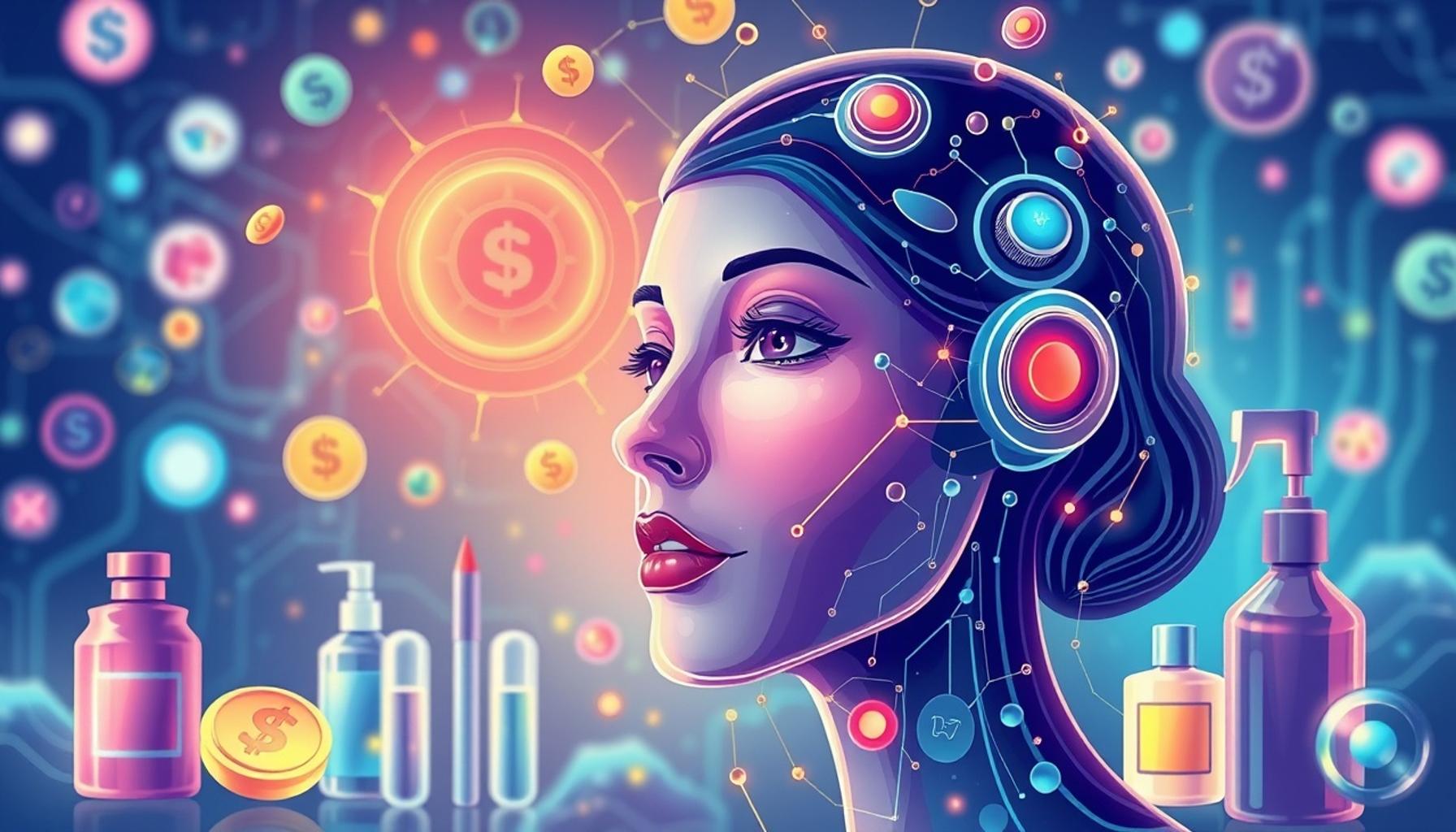
The convergence of technology and beauty has ushered in a new era in skincare, setting the stage for innovations that not only cater to aesthetic desires but also promote skin health. At the forefront of this evolution is artificial intelligence (AI), reshaping how consumers approach skin care. AI technology empowers skincare brands to provide personalized solutions, signifying a shift from one-size-fits-all products to bespoke offerings that address unique skin characteristics and concerns.
Skin Analysis: The Science Behind Your Skin
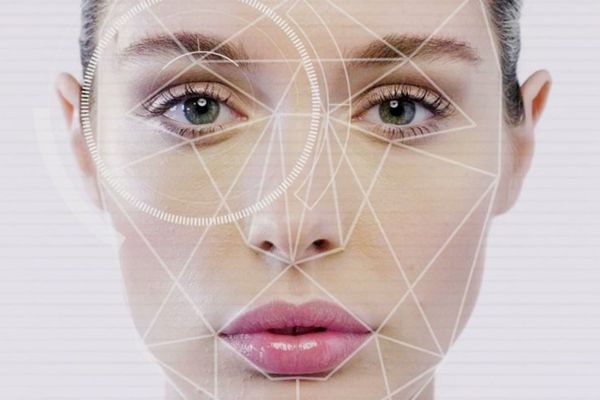
One of the most significant contributions of AI to skincare is its ability to perform precise skin analysis. Advanced algorithms can evaluate skin health through photos, assessing various factors such as texture, tone, and signs of aging. For instance, platforms like SkinVision employ these technologies to detect potential skin issues by evaluating moles and blemishes, providing real-time insights on skin conditions. This level of analysis enables users to understand their skin better, leading to informed decisions about care products and routines.
Smart Product Recommendations
Once the user’s unique skin profile is established, AI steps in with product recommendations. By leveraging vast databases of ingredients and their effects, AI can suggest optimal products tailored to each individual’s skin type and specific concerns, such as acne, dryness, or sensitivity. A notable example is Proven Skincare, a brand that uses AI to analyze a user’s skin profile and recommends formulations based on their skin’s unique needs. This targeted approach not only increases efficacy but also reduces waste, as consumers purchase only products suitable for them.
Engaging with Virtual Consultations
Another burgeoning trend in AI-powered skincare is the rise of virtual consultations. These AI-driven chatbots or virtual assistants offer immediate responses to skin-related inquiries. A platform like Heyday utilizes AI to connect users with skincare experts who can guide them through personalized skincare regimens based on real-time analysis. This level of interactivity provides users with the confidence to address their skin concerns with professional guidance, all while in the comfort of their own homes.
Evolving Recommendations through Data-Driven Insights
A unique advantage of AI in skincare is its ability to continually learn and adapt. With data-driven insights, user feedback regarding product effectiveness and skin improvements are analyzed, allowing the AI to refine its recommendations over time. This dynamic approach ensures that the skincare regimen not only stays relevant but also adapts to changing skin conditions and environmental factors, leading to sustained effectiveness.
Conclusion: A New Era in Skincare
As AI technology becomes more integrated into the skincare industry, the potential for customized solutions continues to grow. The drive toward personalized skincare solutions illustrates a significant shift in consumer expectations, where tailored approaches will likely become the norm rather than the exception. With innovative brands harnessing this technology, the future of skincare promises to be more effective and engaging than ever before.
By examining how AI shapes emerging trends, consumers can expect significant advancements that will enhance their daily skincare routines. For beauty enthusiasts looking for that perfect glow, embracing AI-driven solutions could redefine what effective skincare means for them.
DISCOVER MORE: Click here for essential tips
Understanding Your Skin: The AI Advantage
The quest for healthy, radiant skin has never been more sophisticated, thanks in part to the evolution of artificial intelligence (AI) in skincare applications. Traditional beauty products often fell short in addressing individual skin concerns, leading to trial and error that could worsen skin conditions. With AI, consumers can enjoy a more tailored approach to skincare, providing solutions that are as unique as their skin.
Decoding Skin Complexities
AI’s profound impact on personalized skincare begins with its ability to decode the complex nature of human skin. Each individual’s skin is influenced by multiple factors, including genetics, environment, and lifestyle choices. Utilizing advanced machine learning and image recognition technologies, AI can analyze high-resolution images of the skin to evaluate conditions such as:
- Hyperpigmentation: Dark spots that form due to sun damage or hormonal changes.
- Acne: Breakouts associated with clogged pores or hormonal imbalances.
- Texture: The smoothness or roughness of skin, often indicative of underlying issues.
- Moisture Levels: Hydration balance that plays a crucial role in skin health.
Through this technological lens, AI platforms provide a comprehensive analysis that is more than surface-deep, recognizing subtle shifts and shifts over time. This foundational understanding equips individuals with insight to make informed choices about their skincare routines.
Innovative Tools for AI-Powered Skin Consultation
To enhance the personalization of skincare, brands are developing innovative AI tools that facilitate skin consultations remotely. These digital interfaces range from complete apps to simple web-based tools, allowing users to receive an assessment without needing to visit a dermatologist. For example, an app like Beautified scans users’ selfies and returns a breakdown of their skin condition, along with recommendations for treatment and care. Such tools democratize access to skincare knowledge, making it available to anyone with a smartphone.
The Power of Continuous Learning
What sets AI apart is its ability to learn and improve. With each user interaction, AI gathers feedback on product effectiveness and skin improvements, creating a feedback loop that enhances future recommendations. This adaptive learning not only ensures that advice remains relevant but also adjusts to the individual’s evolving skin needs. As lifestyles change and seasons shift, AI proactively modifies skincare plans to accommodate new factors, ensuring users invest in products that truly work for them.
The ability of AI to provide such personalized insights represents a paradigm shift in skincare, challenging the conventions of the past. By accurately interpreting individual skin profiles and creating tailored routines, AI helps consumers navigate the vast sea of products in a way that aligns with their personal skincare goals.
The Role of Artificial Intelligence in Personalized Skincare Solutions
Artificial Intelligence (AI) is revolutionizing the beauty industry, particularly in the realm of personalized skincare. By leveraging vast amounts of data and advanced algorithms, AI is capable of analyzing individual skin types, conditions, and preferences. This results in tailored skincare solutions that address unique concerns with precision.One of the most notable advantages of AI in skincare is its ability to predict outcomes. Through machine learning, AI systems can analyze the effectiveness of various ingredients in real-time, ensuring that users are provided with products that are most likely to succeed for their specific skin challenges. For instance, if a user has oily skin and is prone to acne, AI can recommend formulations that not only balance oil production but also combat breakouts effectively. Users benefit from a skincare routine that is science-backed and eliminates the guesswork.Another significant impact of AI is the enhanced accessibility of personalized skincare. With mobile apps equipped with AI capabilities, people can perform skin assessments from the comfort of their homes. These assessments can lead to personalized recommendations and routines tailored to their individual needs while also including reminders and tracking features to monitor progress. This seamless integration of technology empowers consumers with knowledge—allowing them to become proactive in their skincare journey rather than reactive.To further illustrate the transformative power of AI in skincare, let’s explore its advantages in a structured format:
| Category | Details |
|---|---|
| Data-Driven Insights | AI analyzes large datasets to determine the best products for different skin types. |
| Enhanced Customization | Tailored recommendations that adapt based on user feedback and skin response over time. |
By utilizing AI technology, the beauty industry makes skincare more effective, accessible, and tailored to individual needs, ushering in a new era of personal care. With continual advancements, the future of skincare is not just about products but rather personalized experiences that cater to every individual’s skin health journey.
DISCOVER MORE: Click here to learn about how antioxidants can help your skin
Driving Results: The Impact of AI on Product Development
Artificial Intelligence is not only transforming how consumers interact with skincare solutions but is also revolutionizing the way brands formulate and innovate their products. By leveraging vast amounts of data from various sources, including user reviews, clinical trials, and ingredient efficacy studies, AI provides brands with insights that can inform new product development tailored to specific skin concerns.
Ingredient Profiling and Effectiveness
One of the key advancements fueled by AI is ingredient profiling. By analyzing data on how different ingredients react with various skin types and conditions, AI equips formulators with the knowledge necessary to create highly effective products. For instance, algorithms can predict the optimal concentrations of active ingredients needed to address issues like aging or acne while minimizing adverse reactions. This capability is particularly important in a market flooded with ingredients, as it helps brands prioritize scientific backing over marketing hype.
Customization Meets Accessibility
In addition to product formulation, AI technology has paved the way for highly customizable skincare solutions. Various brands now offer personalized formulas that consumers can mix at home based on real-time feedback from skin assessments. For example, companies like Function of Beauty have successfully implemented this model, allowing users to select their unique skin types and goals, which the AI then uses to create customized products. Such innovations reflect a growing trend in democracy within the beauty industry, where personalization usually reserved for luxury brands is now available to a wider audience.
Staying Ahead of Trends and Consumer Preferences
The fast-paced nature of skincare trends can often leave brands struggling to keep up. However, AI equips companies with predictive capabilities that can forecast upcoming trends based on consumer data and social media analysis. By recognizing which ingredients, formulations, and skincare routines are gaining traction among specific demographics, brands can introduce products more aligned with consumer desires. For example, AI might identify a surge in demand for ‘clean’ beauty products free from harmful chemicals, prompting brands to pivot their development strategies swiftly.
Moreover, the detailed analytics provided by AI extends to customer feedback and social sentiment analysis. Brands can gauge how their products perform in the market and adapt their strategies accordingly. With the power of AI, brands can also enhance the customer experience by integrating feedback into future product iterations, ensuring customer loyalty and promoting long-term satisfaction.
Ethical Considerations in AI-Driven Skincare
While AI transforms the skincare landscape, it also raises questions regarding ethics and data privacy. As brands collect personal data for AI analysis, consumers are becoming increasingly aware of how their information is used. Responsible skincare brands are now prioritizing transparency, using encrypted systems, and seeking customers’ consent for data collection. This ethical approach will likely build trust and reaffirm consumers’ confidence in AI-powered personalized skincare solutions, ensuring a harmonious relationship between brands and customers.
The confluence of AI technology with skincare is setting a new standard, shifting the paradigms of how products are formulated, marketed, and customized. As consumers increasingly seek personalized solutions, AI is proving to be an indispensable tool that enhances their journey to effective skincare, while simultaneously pushing brands towards more innovative and ethical practices.
DON’T MISS: Click here for eye makeup techniques that stand out
Conclusion: The Future of Personalized Skincare with AI
As the skincare industry evolves, the influence of Artificial Intelligence cannot be overstated. With its ability to analyze vast datasets and predict consumer preferences, AI is not just enhancing the user experience but is also revolutionizing product development and formulation methods. The trend of personalized skincare solutions is no longer an exclusive privilege; it is becoming accessible to consumers of all backgrounds, empowering them to address their unique skincare concerns effectively.
Moreover, AI’s capacity for ingredient profiling significantly reduces the guesswork involved in product formulation, allowing brands to prioritize scientific efficacy over mere marketing claims. With companies utilizing AI for customization, skincare products can now cater specifically to individual needs, ensuring high satisfaction rates and long-term brand loyalty.
However, as we embrace these advancements, ethical considerations surrounding data privacy and consumer trust must remain at the forefront. Transparency in how data is collected and used will be paramount in sustaining beneficial relationships between brands and consumers. This attention to ethical practices will likely foster a stronger, more trustworthy beauty community.
In conclusion, the integration of AI in personalized skincare solutions is not just a trend; it is a transformative shift that promises to elevate the industry while addressing the diverse needs of consumers. As technology continues to advance, staying informed about its implications will allow users to fully harness the potential of AI-driven skincare, paving the way for a brighter, more personalized beauty future.