
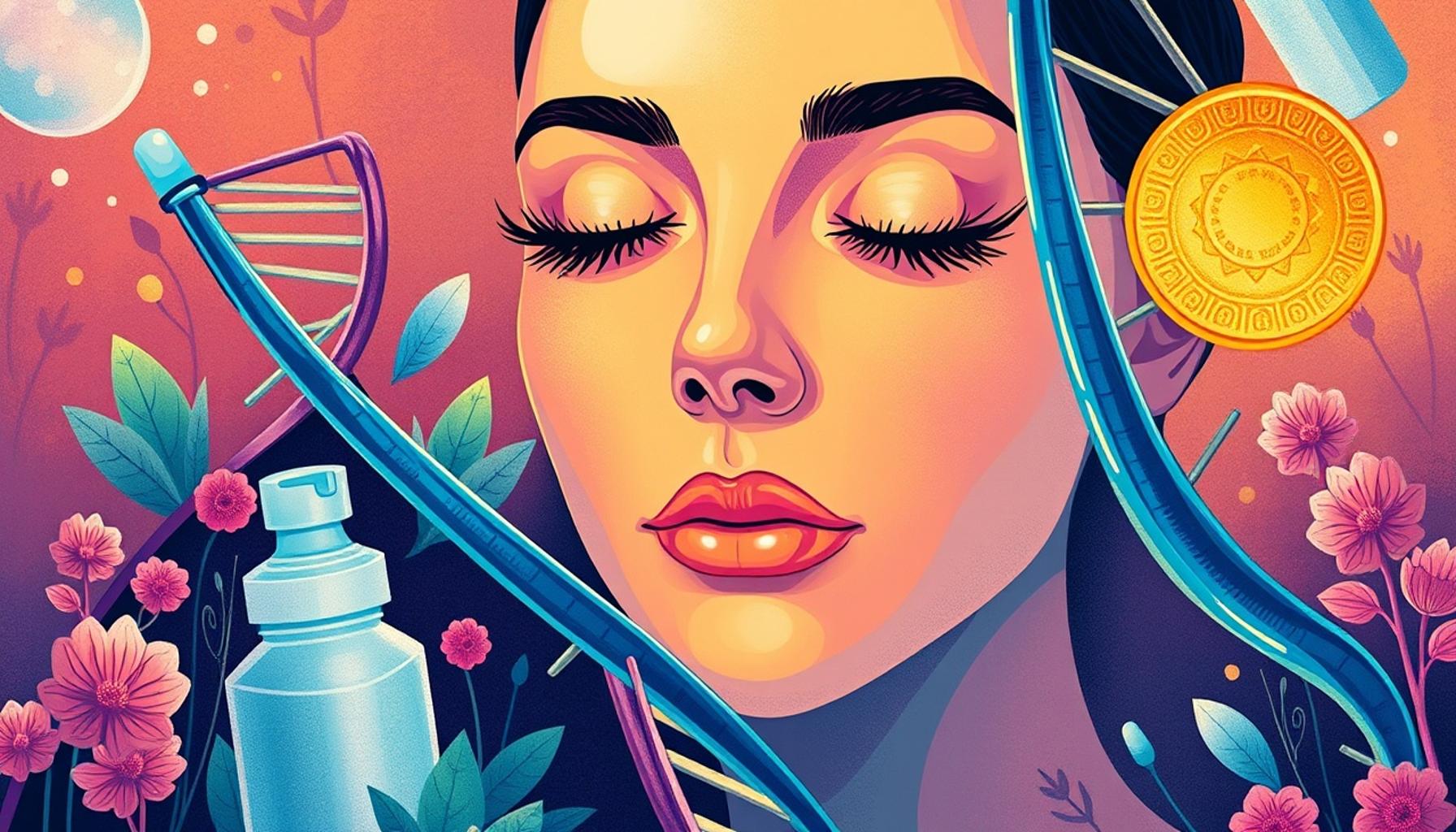
The Future of Skincare: Tailoring Treatments to Your DNA
Imagine a world where your skincare routine is as unique as your fingerprints; with the rise of personalized skincare, that world is rapidly becoming a reality. Advances in genetic testing technologies are empowering individuals to take control of their skin’s health by offering tailored solutions that cater to specific needs based on genetic makeup.
Understanding Your Skin:
Human skin is not a one-size-fits-all type of organ; it is influenced by a myriad of factors including genetics, age, diet, and environmental exposure. Two individuals living in the same city can experience wildly different skin responses due to their genetic predispositions. For instance, those with oily skin might face continual breakouts, while others with dry skin may struggle with irritation and flakiness. Skincare products that work wonders for one person could be completely ineffective for another, underscoring the importance of individualized approaches.
Genetic Insights:
Genetic testing provides valuable insights into how your body metabolizes various skincare ingredients and whether your skin is prone to certain conditions. Tests can identify specific genetic markers associated with acne, pigmentation, or collagen production, guiding users toward products that have a higher likelihood of success. For example, individuals with genetic variations affecting collagen synthesis may benefit more from products rich in Vitamin C or retinoids to boost skin elasticity.
Targeted Solutions:
One of the most remarkable aspects of this innovative approach is its ability to address skin concerns with pinpoint accuracy. From the persistent struggle with acne to the redness associated with rosacea, customized treatments allow for a focused strategy that can lead to visible improvements. By understanding your unique skin profile, brands can formulate products that provide active ingredients specifically suited to tackle your individual concerns effectively.
Rising Popularity in the U.S.
This trend is particularly resonating in the United States, where consumers are becoming increasingly aware of the importance of personalized beauty solutions. The market has seen a surge in companies leveraging science to create customized skincare lines. Brands like Proven Skincare take personalization to the next level, utilizing genetic information to create individualized product lines that cater to the consumer’s unique skin needs.
- Popular Genetic Tests: Companies such as 23andMe and MyGenome are at the forefront, offering genetic testing services that can inform both health and skincare.
- Personal Care Brands: Innovative brands are arising to meet demand, providing tailored skincare products that align with consumer genetic profiles.
Looking Ahead
As we explore the profound implications of genetic testing in skincare, the future appears bright. The fusion of science with personalized beauty not only demystifies skin health but also empowers consumers to make informed decisions about their routines. As this exciting frontier continues to evolve, stay tuned for insights that can turn your skincare regimen into a truly personalized experience, opening new doors to healthier skin.
EXPLORE MORE: Click here to learn about innovative treatments
Unraveling the Genetic Code of Skincare
The connection between genetics and skincare is becoming increasingly clear as researchers uncover how specific genetic markers can influence skin health and the effectiveness of various products. These findings pave the way for a new era of personalized skincare, where treatments are no longer dictated by trial and error, but informed by your own unique biological makeup.
The Science Behind Genetic Testing:
At the heart of personalized skincare is genetic testing, which involves analyzing your DNA to identify variations linked to skin attributes. These tests can reveal genetic predispositions to conditions such as hyperpigmentation, acne, and aging. For example, a study published in the Journal of Investigative Dermatology suggests that the presence of certain gene variants could indicate a propensity for skin conditions like eczema or psoriasis. By understanding these predispositions, consumers can select products that align with their genetic profile, potentially leading to more effective treatment outcomes.
Making Informed Choices:
One of the standout advantages of genetic testing is its capacity to empower consumers in their skincare choices. Armed with knowledge of their genetic makeup, individuals can make informed decisions about which ingredients they should actively seek out or avoid. This means, for instance, individuals with a genetic predisposition to acne may be advised to steer clear of heavy oils and focus on lightweight formulations that include salicylic acid. The targeted application of ingredients not only enhances efficacy but also minimizes the risk of adverse reactions.
Customization in Practice:
Numerous brands have entered the marketplace with services that offer personalized skincare regimens based on genetic insights. These services typically begin with a simple saliva or cheek swab collection, which is then analyzed to reveal a wealth of information about skin-related genes. Following analysis, a customized skincare routine is crafted, featuring serums, moisturizers, and treatments designed to meet the individual’s biological needs. These routines are tailored to ensure that the user receives the optimal blend of ingredients suited to their genetic profile.
Consumer Awareness and Acceptance:
As the concept of personalized skincare gains traction, consumer awareness is also on the rise. According to a report by Grand View Research, the personalized skincare market is expected to expand significantly, driven by increasing demand for customized health and beauty solutions. Clients are not just seeking products that promise results; they want formulas tailored to their unique skin needs. This shift towards embracing one’s genetic identity could redefine how skincare is approached and marketed, moving away from generic solutions towards more science-driven, effective treatments.
- Growing Healthcare Trends: The shift towards personalized medicine in healthcare indicates a saturated interest in individualized solutions, influencing skincare markets in the United States.
- Advancements in Technology: Technology-led innovations, including mobile health applications, are making it easier for consumers to engage with personalized skincare.
As genetic testing continues to evolve, its applications in personalized skincare will likely expand further, allowing for even more nuanced and effective solutions tailored specifically to meet individual skin needs. The intersection of genetics and skincare is not just a passing trend; it promises to redefine the way we approach skin health in the coming years.
Personalized Skincare: The Role of Genetic Testing in Tailoring Treatments
As the demand for personalized skincare continues to rise, genetic testing has emerged as a pivotal factor in crafting tailored skincare regimens. Understanding how one’s unique genetic makeup influences skin health can lead to targeted treatments that address specific concerns such as aging, sensitivity, and acne. The practice of using genetic information to inform skincare choices allows individuals to unlock insights that were previously unattainable.One of the primary advantages of utilizing genetic testing in skincare is the ability to identify predispositions to certain skin conditions. For instance, through DNA analysis, individuals can discover their susceptibility to issues like rosacea or hyperpigmentation. This detailed knowledge empowers consumers to choose products that not only hydrate and protect their skin but also avert potential problems before they manifest.Furthermore, many skincare brands are now embracing genetic testing as a part of their product offerings, presenting consumers with an array of customized solutions. By leveraging the latest innovations in genomics, these brands aim to formulate products tailored to individual skin types. This approach could prove groundbreaking, as traditional skincare regimens often take a one-size-fits-all route that may not yield the best results for every skin type.In addition to revealing predispositions and facilitating tailored formulations, genetic testing can also enhance the effectiveness of potent ingredients. By analyzing genetic markers associated with skin barrier function and aging, brands can design serums and creams that work synergistically with the wearer’s skin. This not only maximizes the efficacy of the product but also minimizes the risk of adverse reactions to active ingredients.As research unfolds, the intersection of genetics and skincare is poised to revolutionize the industry. Potential advancements could include better understanding the relationship between genetics and environmental factors, paving the way for even more refined skincare treatments that adapt to both an individual’s biology and lifestyle.To delve deeper into the potential of personalized skincare powered by genetic testing, we invite you to explore the innovations shaping the future of cosmetic treatments.
| Advantage | Description |
|---|---|
| Personalized Solutions | Genetic insights allow for the customization of formulas best suited for individual skin concerns. |
| Proactive Care | Identifying genetic predispositions helps prevent skin conditions before they develop. |
The growing collaboration between genetics and skincare marks a significant step toward a future where everyone can find their ideal skincare solutions, potentially transforming the way we approach skin health.
DISCOVER MORE: Click here to learn about the latest in skin treatment technologies</p
Exploring the Practical Implications of Genetic Insights
As genetic testing for skincare becomes more mainstream, its practical implications begin to unfold in exciting ways. Beyond mere product choice, integrating genetic insights into skincare routines can revolutionize how consumers approach their daily rituals. This customization not only addresses specific skin concerns but also enhances overall wellness by aligning skincare practices with individual biological rhythms.
The Role of Environmental Interactions:
Interestingly, genetics does not operate in isolation. Environmental factors, such as UV exposure, pollution, and even diet, play crucial roles in skin health. For example, a person with a genetic predisposition to aging may see their skin age faster based on lifestyle choices. A study in The Journal of Clinical Dermatology highlights that individuals with certain gene variations could experience heightened sensitivity to sun exposure, leading to wrinkles and pigmentation. Thus, understanding one’s genetic profile can lead to holistic care that considers both genetic predispositions and environmental influences, creating a synergistic approach to skincare.
Bridging the Gap with Professional Guidance:
The advent of genetic testing in skincare has also spurred increased demand for consultations with dermatologists and cosmetic chemists. Consumers are more likely to seek professional guidance after conducting their genetic tests, which can lead to better-informed decisions about treatments and regimes. Dermatologists trained in genetic skincare can provide personalized recommendations, making it easier for individuals to navigate the multitude of options available in the market. This professional involvement enhances trust and transparency, as clients can now receive evidence-based recommendations rather than relying solely on marketing claims.
Ethical Considerations in Genetic Testing:
However, the rise of genetic testing in the personal care industry is not without its ethical dilemmas. Issues surrounding privacy, data security, and informed consent have surfaced as genetic data is sensitive in nature. Companies must be transparent about how they store, utilize, and share genetic data, addressing consumer concerns regarding identity theft and misuse. Furthermore, it’s crucial for consumers to understand the limitations of genetic testing; while it offers insights, it does not provide a complete picture of one’s skin health. As a result, regulatory bodies are starting to pay closer attention, aiming to implement guidelines that protect consumers while fostering innovation in personalized skincare.
Consumer Preferences and Market Trends:
Consumer preferences are also shifting towards brands that prioritize sustainable and ethically sourced ingredients tailored according to genetic insights. A survey conducted by Mintel shows that 40% of U.S. consumers are interested in skincare products formulated specifically for their genetic makeup. This interest suggests that when consumers are presented with personalized options, they are more likely to choose brands that reflect their values and align with their individual skincare journeys.
- Collaboration with Technology: The development of mobile apps allows consumers to track their skin health alongside genetic information, providing tailored suggestions in real-time.
- Integration of AI: Artificial intelligence is being leveraged to analyze genetic data and predict how different ingredients interact with an individual’s skin, making product recommendations even more precise.
The fusion of genetics and skincare underscores a pivotal evolution in how individuals care for their skin. With advancements in technology, an enhanced understanding of genetics, and rising consumer awareness, the future of personalized skincare looks promising—inviting individuals to embrace their distinct skin stories while navigating an increasingly crowded market.
DISCOVER MORE: Click here to uncover the essentials
Conclusion
In summary, the intersection of genetics and skincare heralds a new era of personalized skincare that holds great promise for consumers seeking tailored solutions for their unique skin concerns. As we move towards a future where genetic testing becomes more prevalent, individuals can anticipate a comprehensive understanding of their skin’s needs, paving the way for proactive care that merges science with self-care.
The emphasis on environmental interactions illuminates the intricate dance between our genes and lifestyle factors, reminding us that effective skincare is not only about understanding our genetic predispositions but also about adapting our routines to external influences. This tailored approach encourages healthier skin practices that can mitigate the effects of aging, sun exposure, and other environmental stressors.
Moreover, the increasing collaboration between consumers and skincare professionals ensures that individuals receive the guidance necessary to make informed choices, elevating consumer trust in the products they use. As ethical considerations surrounding data privacy and consumer protection continue to be addressed, the skincare industry is likely to foster a culture of transparency and integrity.
As the personalized skincare market continues to evolve, it invites consumers to not only explore their genetic makeup but also to reflect on their values regarding sustainability and ethical consumerism. With the integration of innovative technologies like AI and mobile applications, the path to achieving optimal skin health is becoming clearer and more accessible. Ultimately, embracing personalized skincare through genetic insights not only empowers consumers but also transforms how we perceive and care for our skin.