
Transforming Skin Care Solutions Through Technology
In recent years, the world of dermatology has witnessed a remarkable transformation. New technologies are not just enhancing aesthetics but also improving skin health and tackling numerous conditions. Among these advancements, laser and light therapies stand out as pivotal methods redefining skin treatment protocols.
Exploring Laser and Light Therapies
- Laser therapies: These treatments utilize focused beams of light to target and treat a variety of skin issues, offering precision that was previously unattainable with traditional methods.
- Light therapies: Using a spectrum of wavelengths, these therapies penetrate the skin to promote healing, reduce inflammation, and stimulate collagen production.
The appeal of these technologies lies in their versatility and effectiveness. With a range of applications, they cater to various skin concerns. Some prevalent uses include:
- Skin rejuvenation: Techniques such as fractional laser resurfacing help in reducing fine lines and stimulating the production of new skin cells, leading to a healthier, more youthful appearance.
- Hyperpigmentation correction: Treatments like intense pulsed light (IPL) therapy can significantly reduce the appearance of dark spots and uneven skin tone by targeting melanin deposits beneath the skin.
- Hair removal: Laser hair removal is one of the most sought-after procedures, offering a long-term solution to unwanted hair growth across different body areas with minimal discomfort.
- Vascular lesions treatment: Conditions like rosacea and spider veins receive advanced treatment through laser therapies that selectively target and diminish these vascular abnormalities without harming surrounding tissue.
As more consumers seek non-invasive solutions for skin concerns, the demand for these innovative techniques is rapidly rising. In the United States, according to the American Society for Aesthetic Plastic Surgery, the use of laser treatments has grown significantly, reflecting a shift toward results-driven, yet minimally invasive procedures.
Many dermatologists across the country are integrating these therapies into their practices, often accompanied by personalized treatment plans that consider each patient’s unique skin type and concerns. Before considering these options, potential patients should educate themselves on the specific technologies in use, their associated benefits, and any risks involved.
In conclusion, the landscape of skin treatment is continually evolving with the advent of laser and light therapies, promising effective solutions for diverse skin conditions. As innovations continue to unfold, it becomes increasingly important for consumers to stay informed and consult with qualified dermatologists to explore the best treatment options for their individual needs.
DISCOVER MORE: Click here to learn about the microbiome’s impact on skin health</
Unveiling the Mechanisms Behind Laser and Light Therapies
The science behind laser and light therapies offers a compelling insight into why these treatments are becoming increasingly popular in the realm of skin care. With a variety of wavelengths and types of lasers available, practitioners can tailor these therapies to address specific skin conditions effectively. Each method operates through distinct mechanisms that can enhance the skin’s appearance and health with great efficacy.
The Dynamics of Laser Treatments
Laser therapies utilize concentrated beams of light to initiate controlled damage to the skin, triggering a natural healing process that promotes the growth of new, healthy skin cells. The most common types of lasers used include:
- Carbon Dioxide (CO2) Lasers: Ideal for treating deeper wrinkles, scars, and severe skin damage, CO2 lasers work by vaporizing the outer layers of the skin and stimulating collagen regeneration.
- Erbium Lasers: These lasers are favored for their precision in treating superficial skin issues and are less invasive than CO2 lasers, making recovery faster.
- Pulsed Dye Lasers: Effectively targeting blood vessels, these lasers are commonly used for treating vascular lesions and pigmentation issues.
Understanding the specific applications of each laser type helps patients make informed decisions when considering their treatment options.
Illuminating the Role of Light Therapies
While laser therapies primarily rely on focused beams, light therapies work using broader spectrums of light to achieve skin rejuvenation. Among the most widely used light therapies are:
- Intense Pulsed Light (IPL): This versatile therapy uses multiple wavelengths of light to treat various skin concerns, including pigmentation, redness, and acne.
- Blue Light Therapy: Targeted primarily at acne treatment, blue light penetrates the skin to kill bacteria that cause breakouts, often leading to clearer skin without harsh chemical treatments.
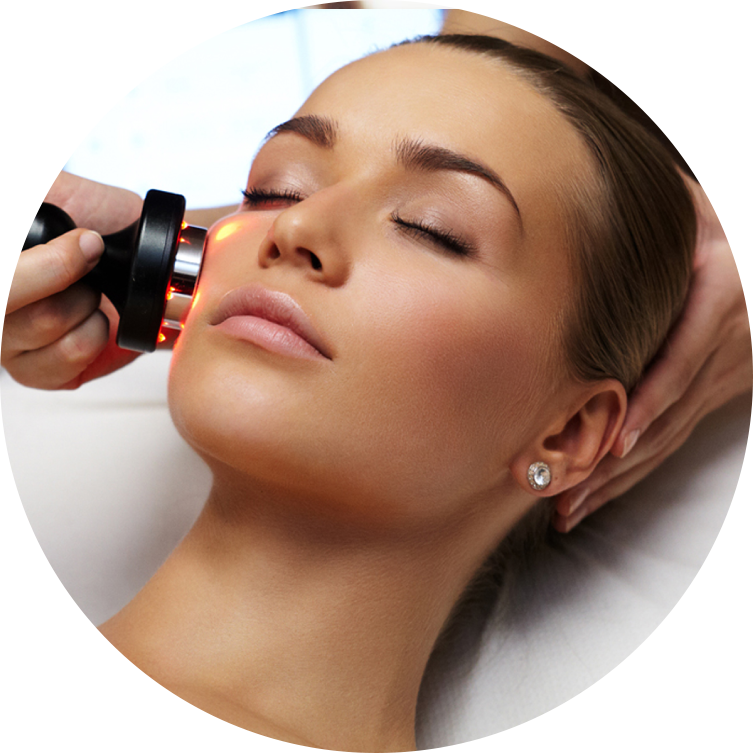
- Red Light Therapy: Known for its anti-inflammatory benefits, red light therapy stimulates cellular repair processes, boosting collagen production and improving skin texture.
The growth of these innovative technologies isn’t just a trend; it’s rooted in significant advancements in dermatological science. Many practices provide a combination of laser and light therapies to maximize results, addressing not just aesthetic desires but also improving skin health at the cellular level.
Given the multitude of options available, individuals are encouraged to consult experienced dermatologists to explore which therapies are most suitable for their unique skin types and concerns. The versatility of laser and light treatments underscores their potential as pivotal tools in modern skin care, promising transformative outcomes for patients seeking to enhance their skin’s health and appearance.
| Advantages of Laser Therapy | Advantages of Light Therapy |
|---|---|
| Precision Treatment | Non-Invasive |
| Laser therapy allows practitioners to target specific skin issues with exceptional accuracy, minimizing damage to surrounding tissue. | Light therapy is celebrated for its gentle approach, making it suitable for a variety of skin types without the need for surgery or significant downtime. |
| Fast Results | Enhanced Skin Health |
| Many patients report noticeable improvements within just a few sessions, especially for issues like scar revision or tattoo removal. | Light therapy promotes healing and rejuvenation, improving the overall texture and appearance of the skin by stimulating collagen production. |
Innovative technologies such as laser and light therapies have revolutionized the landscape of skin treatments, offering personalized solutions for common dermatological concerns. With laser therapy’s exceptional precision, patients can experience targeted treatments that address everything from stubborn acne scars to unwanted tattoos. On the other hand, light therapy provides a more gentle approach, suitable for those seeking a non-invasive alternative to enhance their skin’s health. Each method presents unique benefits that contribute to a holistic approach to skin rejuvenation, making it essential to explore these avenues further. As research and technology continue to advance, the possibilities for improved skin treatments remain exciting and vast.
DISCOVER MORE: Click here for natural makeup tips
The Expanding Horizon of Skin Treatment Technology
As the landscape of the dermatological field evolves, advancements in laser and light therapies continue to push the boundaries of what is achievable in skin treatments. This section delves deeper into emerging trends and cutting-edge technologies that are shaping the future of skincare.
Fractional Laser Technology: Balancing Efficacy and Safety
Among the significant breakthroughs in laser treatments is the development of fractional laser technology. Unlike traditional lasers that treat the entire skin surface, fractional lasers deliver focused energy in a grid-like pattern, affecting only a fraction of the skin. This selective approach means that the surrounding tissues remain intact, significantly improving recovery time and reducing the risk of complications. Fractional lasers can effectively address issues such as extensive scarring, wrinkles, and uneven skin tone with minimal downtime.
Some examples include:
- Fractional CO2 Lasers: These are particularly effective for deeper scars and wrinkles, providing substantial rejuvenation results while maintaining safety.
- Non-ablative Fractional Lasers: Great for milder skin concerns, this type stimulates collagen without damaging the outer skin layers.
The innovation of fractional lasers exemplifies how technology can improve treatment outcomes while prioritizing patient comfort and safety.
Combination Therapies: A Holistic Approach to Skin Care
Another emerging trend in skin treatments is the concept of combination therapies. By integrating different laser and light treatments, dermatologists can customize protocols that yield optimal results. For example, a patient suffering from acne might undergo a series of blue light sessions to kill bacteria, followed by a pulsed dye laser treatment to address post-acne pigmentation and redness.
Furthermore, many practitioners are pairing laser treatments with topical therapies or other modalities, such as chemical peels or microneedling, to enhance skin texture and address multiple skin issues simultaneously. This comprehensive approach helps patients achieve faster, more effective results with minimal disruption to their daily lives.
The Future: AI and Skin Analysis
In an era where artificial intelligence (AI) is becoming prevalent across various industries, dermatology is not far behind. Emerging technologies are adopting AI for skin analysis to assist practitioners in diagnosing conditions and recommending personalized treatment plans more accurately. AI-powered devices can analyze skin images, identifying patterns that are often invisible to the naked eye, thus allowing for early detection of skin issues such as melanoma or signs of aging.
This convergence of technology signifies a paradigm shift, paving the way for more precise and effective skin care solutions. Patients can anticipate more personalized care driven by data and advanced algorithms in the coming years.
Patient Empowerment and Education
The rise of innovative technologies in skin treatment also empowers patients with knowledge. Many clinics are now providing extensive educational resources about available treatments, helping individuals to make informed choices that align with their personal skin goals. Online platforms, social media, and virtual consultations have become valuable tools for disseminating information, facilitating dialogues between patients and professionals.
As technology continues to advance, the potential for laser and light therapies to revolutionize dermatology remains expansive. Whether through improved techniques, combination treatments, or the integration of AI, the evolution of skin treatments promises an exciting journey for patients seeking to enhance their skin’s health and appearance.
DIVE DEEPER: Click here to discover how technology is revolutionizing skin care
Conclusion: The Bright Future of Skin Treatments
The field of skin treatments is undergoing a remarkable transformation, propelled by innovative technologies such as laser and light therapies. As evidenced by the advancements in fractional laser technology, practitioners are now able to offer targeted solutions that prioritize patient safety and comfort without compromising efficacy. With options ranging from fractional CO2 lasers to non-ablative approaches, individuals are presented with diverse paths to rejuvenation that cater to their unique skin concerns.
Moreover, the trend of combination therapies exemplifies a more holistic approach, allowing dermatologists to create personalized treatment protocols that effectively address multiple issues simultaneously. By integrating various modalities, including AI-driven skin analysis, patients can expect not only enhanced results but also treatments tailored to their specific needs.
Furthermore, the rise of technologies in dermatology extends beyond the clinic, empowering patients with access to knowledge and resources. The ability to engage in informed discussions through online platforms and virtual consultations fosters a more collaborative relationship between patients and healthcare providers.
As we look to the future, the continuous integration of innovative technologies promises to revolutionize the landscape of skin treatments further. With enhanced precision, effectiveness, and patient-centered care, the journey towards healthier, glowing skin has never been more attainable. In light of these developments, individuals seeking to improve their skin can feel hopeful about what lies ahead, as the world of dermatology embraces innovation and adaptability in the face of evolving skincare needs.