The Impact of Soil Quality on Home Gardening Success
The Fascinating World of Soil: A Gardener’s Best Friend
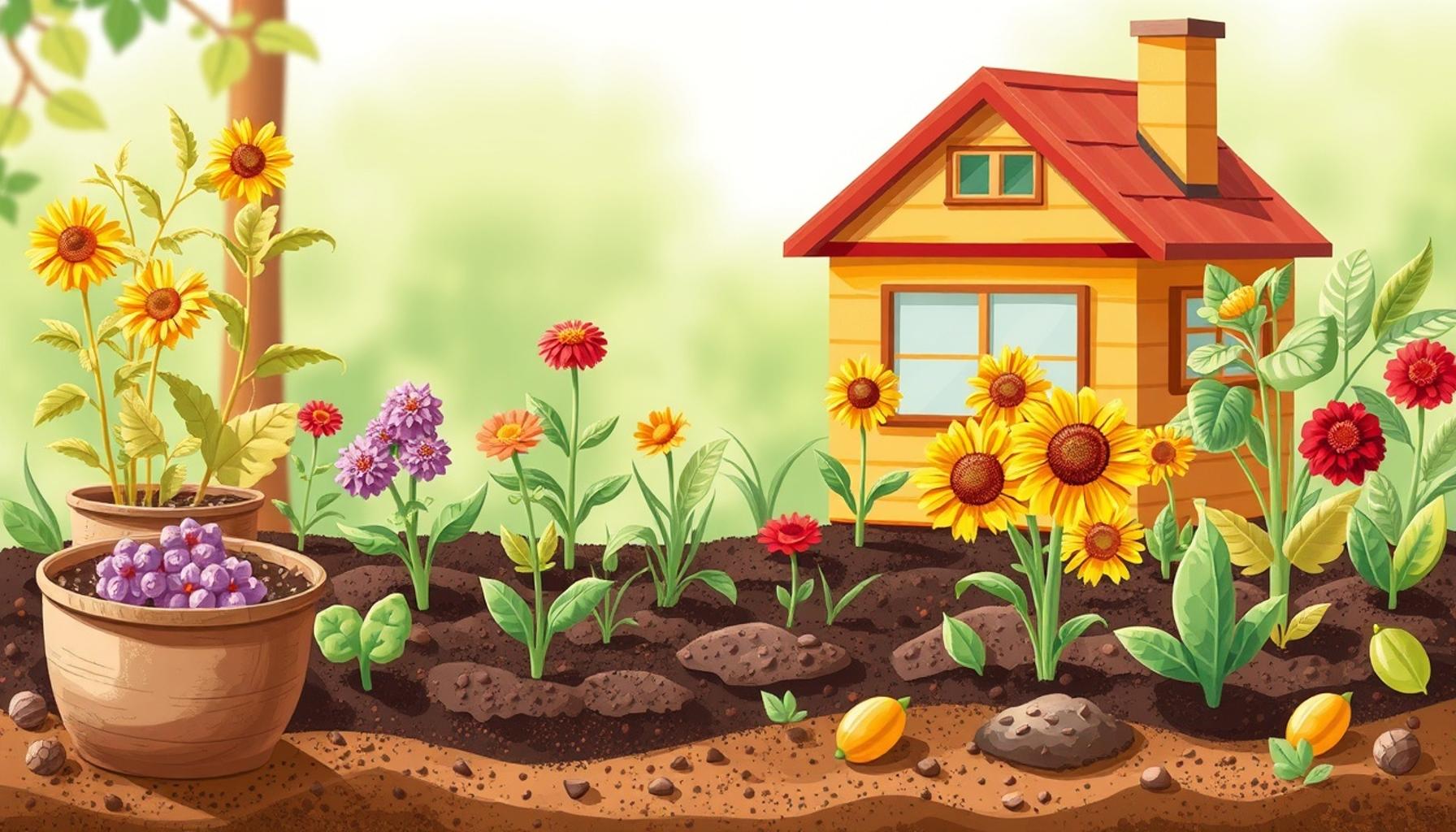
The soil beneath our feet is more than just dirt; it’s a complex ecosystem that plays a vital role in home gardening success. The quality of soil directly influences plant health, growth rates, and ultimately, the yield of your garden. With healthy soil, your plants can thrive, producing lush foliage and vibrant flowers, while poor soil can stunt growth and lead to infestations.
Understanding soil quality can empower gardeners to create thriving environments for their plants. Key factors to consider include:
- Soil Texture: This refers to the size of particles that make up the soil. Sandy soil drains quickly and warms up fast but may drain nutrients away too rapidly. Conversely, clay soil holds nutrients well but can become compacted, making it challenging for roots to access air and moisture.
- Nutrient Composition: Plants require a variety of nutrients to grow, including nitrogen, phosphorus, and potassium (NPK), as well as trace minerals like magnesium and calcium. An imbalance can lead to nutrient deficiencies that impede plant growth. For example, nitrogen-poor soil can result in yellowing leaves and stunted growth.
- pH Levels: The pH scale ranges from 0 to 14, with 7 being neutral. Most garden plants prefer slightly acidic to neutral soils (pH 6 to 7). Alkaline or acidic conditions can lock essential nutrients away from plants. Conducting a simple soil test helps ascertain pH levels, allowing gardeners to amend their soil accordingly.
- Organic Matter: Incorporating organic material such as compost or well-rotted manure enriches the soil. Organic matter enhances soil structure, improves moisture retention, and promotes beneficial microbial activity that is crucial for nutrient cycling. Consider creating a compost pile using kitchen scraps and yard waste to nourish your garden.
Home gardeners often overlook these foundational elements, but they are critical for success. For instance, a garden with well-balanced, rich soil can produce a bountiful crop of tomatoes or peppers, while poor soil may lead to stunted growth or pest issues. This is particularly significant for home gardeners in the United States, where varied climates and soil types exist, from the sandy soils of Florida to the clay-rich landscapes of the Midwest.
This article will delve deeper into the various aspects of soil quality and their implications for gardening. From understanding how to improve drainage in wet climates to selecting the right fertilizers for nutrient-poor soils, every gardener can benefit from a solid grasp of these principles. By exploring practical tips and best practices, you can become an informed gardener who understands the significance of nurturing the foundation of their green sanctuary.
In summary, good gardening starts with a meaningful connection to the soil. By recognizing its vital role and learning how to optimize its properties, you set the stage for a flourishing garden that not only meets your aesthetic desires but also enhances your food security and environmental stewardship.
DON’T MISS: Click here to discover the benefits of deep irrigation
Unearthing Soil Texture and Its Role in Gardening
The fundamental building block of any garden begins with an often overlooked element: soil texture. The composition of the soil, determined by the relative proportions of sand, silt, and clay, directly impacts its ability to support healthy plant growth. For homeowners, recognizing the type of soil they are working with is the first step toward ensuring gardening success. Each soil type comes with its unique set of advantages and challenges.
Sandy soils are typically well-draining and warm up quickly in the spring, making them ideal for early planting. However, the rapid drainage of sandy soil can lead to nutrient leaching. Home gardeners cultivating in sandy regions, such as parts of Florida, might find their plants requiring more frequent fertilization to compensate for nutrient loss. Conversely, areas with clay soils benefit from their nutrient retention capabilities. They can provide a rich source of minerals essential for plant growth but can also pose challenges. Clay soils tend to compact easily, making it difficult for water and air to penetrate, which can hinder root development and reduce oxygen availability. Gardeners in clay-heavy regions of the Midwest, for example, may struggle with waterlogging during heavy rains, adversely affecting crop health.
To tailor gardening practices around soil type, it’s beneficial to conduct a simple soil texture test. This can be achieved by taking a soil sample and mixing it with water to observe the settling process. After a few hours, the distinct layers created can inform you of the predominant soil type. Once identified, gardeners can implement the appropriate amendments, such as adding organic matter to clay soils to improve drainage or using fertilizers specifically formulated to address nutrient deficiencies in sandy soils.
The Significance of Nutrient Composition
Beyond texture, the nutrient composition of soil exerts a powerful influence on gardening outcomes. Essential nutrients like nitrogen, phosphorus, and potassium (NPK), alongside micronutrients such as iron and zinc, form the bedrock of healthy plant growth. An analysis of the soil’s nutrient levels can reveal any imbalances that might lead to poor plant health. For example, insufficient nitrogen might manifest in yellowing leaves and stunted growth, signals that could hinder a gardener’s yield significantly.
Home gardeners are often encouraged to regularly add organic materials such as compost to enhance the nutrient profile of their soil. A well-crafted compost not only enriches the soil with essential nutrients but also improves its structure and moisture retention. Additionally, understanding how to read fertilizer labels and select the right amendments based on soil tests can make a noticeable difference in overall gardening success.
- Test soil regularly: Conduct soil tests at least once a year to track nutrient levels and pH.
- Add organic matter: Compost improves nutrient availability and overall soil health.
- Choose the right fertilizers: Match fertilizers to specific nutrient deficiencies based on soil test results.
By gaining a comprehensive understanding of soil texture and nutrient composition, home gardeners can take proactive steps to nurture their soil. Adopting these practices not only paves the way for abundant gardens but also enriches the soil ecosystem, promoting sustainability and resilience in the face of changing environmental conditions.
| Soil Type | Impact on Gardening |
|---|---|
| Loamy Soil | Highly fertile, good water retention, and excellent drainage, making it ideal for most plants. |
| Sandy Soil | Poor in nutrients, and although it drains well, it requires regular amendment with organic matter. |
| Clay Soil | Prone to compacting, leading to poor drainage, but can be improved by adding compost. |
| Silty Soil | Rich in nutrients, retains moisture well, making it suitable for a variety of plants when balanced. |
The quality of soil is fundamental for successful home gardening, affecting everything from nutrient availability to drainage. Different types of soil—such as loamy, sandy, clay, and silty—have unique characteristics that can significantly impact plant health. For instance, loamy soil, being the most balanced, supports growth and enhances productivity due to high fertility and moisture retention. In contrast, sandy soil, while excellent for drainage, often lacks essential nutrients, requiring gardeners to frequently amend it for better cultivation outcomes. Clay soil may appear nutrient-rich but is often too compacted to allow water and roots to thrive. Understanding these diverse soil types encourages gardeners to tailor their soil management practices more effectively, thereby improving their gardening success rate. This knowledge is crucial if one seeks to achieve a flourishing garden filled with healthy plants and bountiful yields.
LEARN MORE: Click here to discover the essentials of soil testing
Understanding Soil pH and Its Effect on Plant Growth
The pH level of soil is another crucial factor influencing gardening success. Soil pH refers to the acidity or alkalinity of the soil, measured on a scale of 0 to 14, where 7 is neutral. Most plants thrive in a specific pH range, typically between 6.0 and 7.5. Too acidic or too alkaline conditions can inhibit the plants’ ability to absorb necessary nutrients, leading to nutrient deficiencies and suboptimal growth.
For example, soils that are too acidic (below 6.0) can lead to an excess of aluminum and manganese, which can be toxic to many plants. Conversely, soils that are overly alkaline (above 7.5) can lead to deficiencies of essential nutrients like iron and phosphorus. Home gardeners in the Midwest, where soils can exhibit varying pH levels, may need to monitor and amend their soil to achieve the ideal conditions for their plants.
Testing soil pH is straightforward and can be done using inexpensive kits available at garden centers or through professional soil testing services. Once the pH is established, it can be adjusted if necessary. For acidic soils, lime can be added to raise the pH, while sulfur can lower the pH of alkaline soils. These adjustments may help unlock vital nutrients, fostering healthier plant development.
Microbial Life: The Unsung Heroes of Soil Health
Equally important to soil quality is the presence of microbes, including bacteria, fungi, and earthworms. These organisms play an essential role in breaking down organic matter, releasing nutrients, and enhancing soil structure. Gardens with a rich microbial ecosystem often display improved plant resilience against pests and diseases.
Certain practices can promote this microbial life. For instance, minimizing soil disturbance through practices such as no-till gardening helps preserve the delicate soil structure vital for microbial habitation. Additionally, incorporating diverse plantings—like cover crops or companion planting—encourages biodiversity, creating a vibrant, self-sustaining garden ecosystem.
- Encourage organic matter: Regularly adding compost or mulching helps create a hospitable environment for healthy microbial populations.
- Avoid chemical pesticides: Overuse of synthetic chemicals can harm beneficial microbes, reducing soil health and plant resilience.
- Implement crop rotation: Rotating plant families each season interrupts pest and disease cycles and boosts soil quality.
Gardening doesn’t stop at planting; understanding the multifaceted aspects of soil quality, including pH and microbial health, is integral for achieving the garden of your dreams. Homeowners committed to nurturing their soil are not just setting the stage for healthy plants but are also contributing to a thriving ecosystem in their backyards. As increasingly challenging environmental conditions arise, empowering oneself with knowledge about soil health can mean the difference between a bountiful harvest and a lackluster garden.
DISCOVER MORE: Click here to learn how to safeguard your garden
Conclusion: Cultivating Success Through Soil Quality
In conclusion, the quality of soil plays a pivotal role in determining the success of home gardening endeavors. Understanding its components—including nutrient levels, pH balance, and the presence of beneficial microbes—equips gardeners with the knowledge needed to create an environment where plants can thrive. A soil rich in organic matter and the right microbial activity not only supports robust plant growth but also enhances resistance against pests and diseases, establishing a more self-sufficient garden ecosystem.
The principles of good soil management, such as regular testing of pH, addition of compost, and reduction of chemical inputs, empower gardeners to cultivate healthier and more resilient plants. For instance, testing soil pH can guide necessary amendments to avoid toxicity or nutrient deficiencies, while conscious practices such as crop rotation and no-till gardening encourage ecological balance in the soil. As climate changes continue to challenge conventional gardening, embracing these strategies offers a sustainable solution to maintain productivity.
Ultimately, the journey toward a successful garden is anchored in the soil. By prioritizing soil health, home gardeners can transform their patches of earth into thriving food sources and beautiful landscapes. As you dig deeper into your own gardening practices, remember that nurturing soil quality is not merely an obligation but an opportunity to contribute to ecological well-being while enjoying the rewards of your labor. Taking proactive steps in understanding and enhancing soil health is the key that unlocks the door to a flourishing garden, ensuring that each seed sown leads to abundant harvests and a sustainable future.