Impact of Air Pollution on Home Gardening: Strategies to Protect Your Plants
Understanding the Challenge for Home Gardeners
Air pollution poses a significant threat to the health of plants in home gardens across the United States. From harmful particles to chemical pollutants, these contaminants can negatively impact both the growth and aesthetic appeal of your cherished plants. Understanding these risks is fundamental to ensuring a thriving garden that can withstand the challenges presented by a polluted environment.
One of the primary pollutants of concern is ozone, a common component of smog that can severely damage plant leaves. High levels of ground-level ozone can lead to browning leaves, reduced growth rates, and even increased susceptibility to pests and diseases. This is particularly problematic in urban areas where traffic emissions contribute significantly to ozone formation.
Another serious concern is particulate matter. These tiny particles, which can include soot, dust, and other micro-pollutants, can settle on plant leaves, hindering photosynthesis. Since photosynthesis is vital for converting sunlight into energy, any disruption to this process can stunt plant growth and diminish flowering, resulting in gardens that are less vibrant and lush.
Heavy metals, such as lead and cadmium, are also increasingly found in urban gardening environments. These metals can accumulate in the soil over time, primarily through atmospheric deposition from industrial activities. Once in the soil, heavy metals can affect vital nutrients that plants rely on for healthy growth, leading to deficiencies that manifest as poor foliage, wilted plants, or reduced yields.
With the increasing concern over air quality, many gardeners may wonder how best to protect their green spaces from these invisible threats. Fortunately, effective strategies exist to help mitigate the effects of pollution on your home plants. By employing these techniques, you can keep your garden thriving despite environmental challenges.
- Choosing pollution-resistant plant varieties. Certain species are better adapted to withstand poor air quality. For instance, native plants and varieties such as junipers and birches can often handle higher levels of ozone.
- Utilizing air purifying systems in garden spaces. Integrating technologies such as air filtration units can help reduce particulate levels around your garden.
- Implementing organic gardening practices to enhance soil health. Using natural compost and organic fertilizers can help foster a more resilient ecosystem while minimizing chemical exposure.
As you delve deeper into the topic, consider exploring local extension services or community gardening programs that offer valuable insights into pollution-resistant gardening in your specific area. Understanding the various factors at play enables you to take informed and proactive steps to protect your plants. The survival of your home garden depends on your ability to recognize these environmental challenges and implement effective solutions, promoting a vibrant ecosystem in your backyard.
DISCOVER MORE: Click here to learn about soil testing
Air pollution is an increasingly concerning issue, not just for human health but also for the lush greenery that adorns our home gardens. When we think about the air we breathe, we often overlook how contaminants can infiltrate our gardens and affect plants’ health. Identifying the specific air pollutants is crucial to developing effective mitigation strategies and ensuring robust plant growth.
Among the most damaging pollutants are nitrogen oxides (NOx), which primarily come from motor vehicles and industrial processes. These gases contribute to the formation of ozone at ground level, but their impact goes further. When nitrogen oxides are dissolved in rain, they form acid rain, altering soil pH. This can disrupt plants’ nutrient uptake, making them vulnerable to deficiencies that stunt growth and reduce overall health. For example, *vegetable gardens* can suffer diminished yields if the nitrogen levels in the soil balance are thrown off by acid rain.
Another formidable enemy is sulfur dioxide (SO2). Released from burning fossil fuels, this gas also contributes to acid rain formation, but its immediate effects can be quite severe. High levels of sulfur dioxide can cause direct damage to plant leaves, leading to necrosis (the death of plant tissue) and a significant reduction in photosynthesis. Sensitive species, such as *ornamental plants*, particularly suffer from this toxin, displaying symptoms like leaf scorch and stunted growth, ultimately jeopardizing the aesthetic appeal of gardens.
Moreover, polluted air severely amplifies other plant stresses. For instance, studies have demonstrated that plants exposed to elevated pollution levels face heightened vulnerability to pests and diseases. The harsh conditions weaken their natural defenses, making them easier targets for herbivores or fungal pathogens. This creates a cycle where weakened plants attract more pests—an unfortunate reality for many gardeners who may witness their plants decline despite their best care efforts.
Strategies to Mitigate Air Pollution Impact
Given these challenges, implementing targeted strategies can significantly enhance your garden’s resilience against air pollution. Here are some practical measures to consider:
- Garden Placement: Choosing a location for your garden that minimizes exposure to traffic emissions is pivotal. Ideally, position your plants away from busy roadways or industrial areas. A garden set back in a yard or at the base of a hillside can help shield it from the worst of air pollution.
- Use of Barriers: Creating physical barriers, such as trellises covered with climbing plants or dense hedges, can act as windbreaks. These structures can help intercept and dilute polluted air before it reaches your delicate plants, thereby providing essential protection.
- Regular Maintenance: Another often neglected yet highly effective strategy is maintaining clean plant surfaces. Regularly washing off dust and pollutants can improve photosynthesis dramatically by enhancing sunlight absorption. A simple hose-down or gentle spray can work wonders in keeping your plants healthy.
- Soil Quality Enhancement: Enhancing soil quality through organic amendments can aid in the battle against pollution. Incorporating compost or mulch not only nourishes your plants but also helps bind heavy metals from polluted rainwater, effectively buffering their potential harm.
By adopting these strategies, home gardeners can make significant strides in safeguarding their plants from the adverse effects of air pollution. Developing an awareness of how air quality impacts your garden—and taking decisive action—promises a thriving environment where plants can flourish in harmony with nature’s elements.
| Strategy | Benefits |
|---|---|
| Using Air Purifying Plants | Enhances air quality by absorbing pollutants and providing oxygen. |
| Implementing a Protective Barrier | Shield plants from dust and particulate matter, increasing their health and yield. |
In the quest to safeguard your garden against the effects of air pollution, leveraging air purifying plants such as spider plants and peace lilies can make a significant difference. These plants naturally filter toxic elements from the atmosphere, creating a more conducive environment for your home garden while emitting oxygen. This not only supports plant growth but also improves indoor air quality. Additionally, creating a protective barrier using netting or garden fabric can physically shield your plants from direct exposure to airborne pollutants. By implementing such measures, you can enhance the overall resilience of your garden, leading to better plant health and productivity. These strategies empower home gardeners to adapt to environmental challenges, ensuring their plants thrive despite the growing impact of air pollution. Discovering more about these techniques can transform your gardening experience, allowing you to cultivate greenery even in less-than-ideal air quality.
DISCOVER MORE: Click here for essential gardening tools
Innovative Techniques for Clean Gardening
As air pollution continues to pose challenges for home gardening enthusiasts, incorporating innovative techniques can provide gardeners with a proactive approach to protect their plants. Understanding the implications of air quality allows for informed choices that nurture a healthier growing environment.
One compelling technique is the incorporation of air-purifying plants into your garden. Certain species, like *spider plants*, *peace lilies*, and *bamboo palms*, are renowned for their ability to absorb airborne toxins, including formaldehyde and benzene. These plants not only beautify a garden but can work as natural air filters, actively improving the quality of the air that surrounds your more sensitive plants. Moreover, their strategic placement around edible crops can enhance overall health by minimizing exposure to some of the most harmful pollutants.
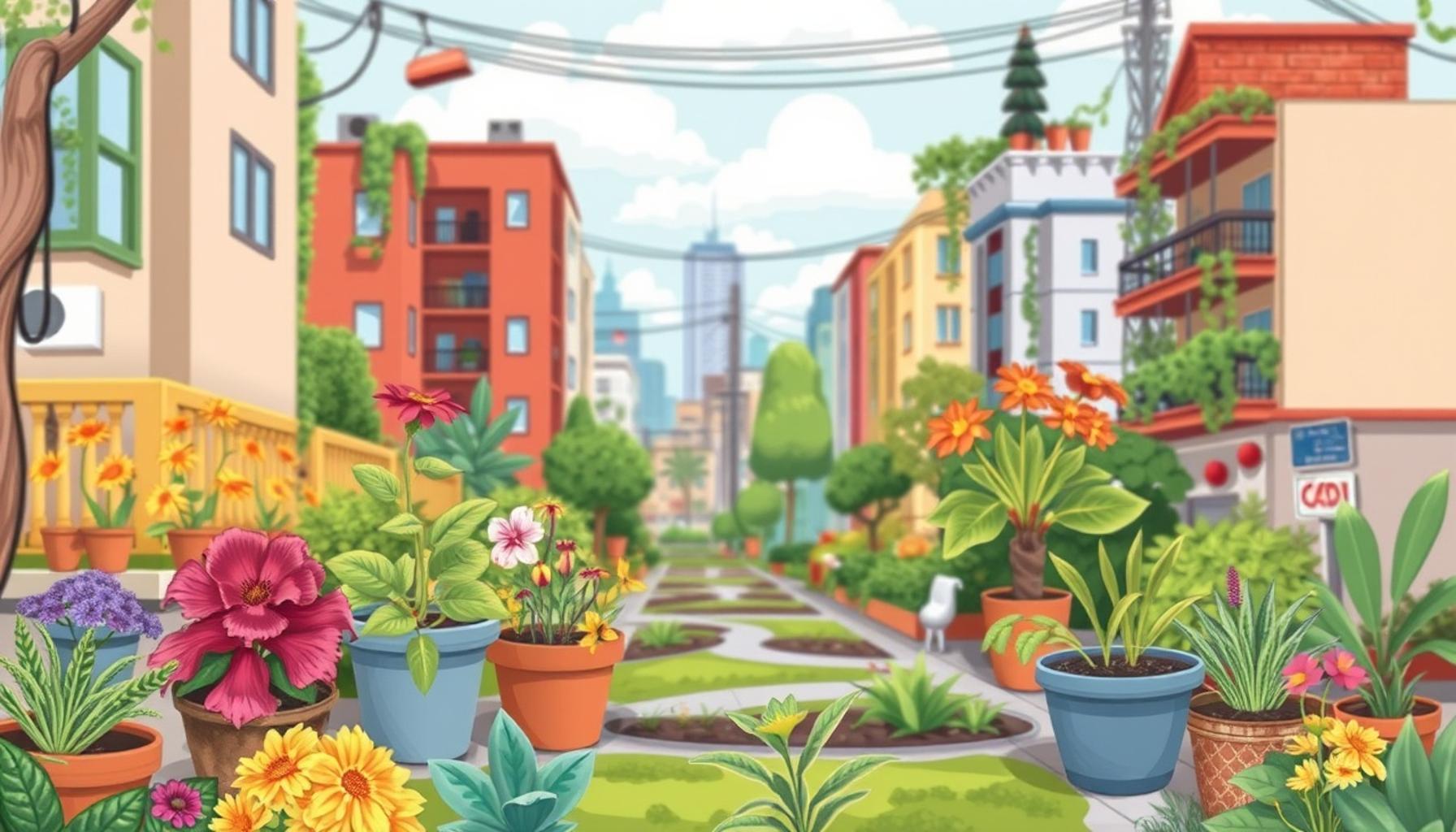
Another approach involves utilizing green roofs or vertical gardens, particularly in urban areas where ground-level air quality is often compromised. These gardening methods not only save space but also contribute to improving air quality by providing more foliage to assimilate carbon dioxide and particulates. Additionally, vertical gardens can serve as a natural barrier, reducing the direct impact of pollutants on other plants below. This dual-functionality can turn even small urban spaces into thriving mini-ecosystems.
Employing hydroponics and indoor gardening techniques can also mitigate the detrimental effects of outdoor air pollution. By growing plants in a controlled environment, such as greenhouses or indoor setups, gardeners can maintain optimal air quality while shielding crops from harmful pollutants. Hydroponics allows for maximum control over nutrients and water while minimizing soil-borne diseases and impacts of environmental pollution.
Monitoring Tools and Resources
Utilizing practical monitoring tools is vital for anyone serious about maintaining a pollution-free environment for their garden. Several apps and devices can help track local air quality indices (AQI), giving gardeners insights into when it might be best to protect plants from adverse air conditions. Tools like the *AirNow* website, operated by the U.S. Environmental Protection Agency, provide real-time data on air quality, helping gardeners make informed decisions about when to perform outdoor tasks. Creating conditions of safety for your plants often means taking action based on these metrics, such as limiting watering or covering sensitive plants on particularly polluted days.
Furthermore, participating in community or local gardening initiatives often leads to the sharing of best practices and effective strategies against air pollution. Local gardening clubs or extension services provide invaluable resources for education and support, helping individuals engage in collective efforts to monitor and improve local air quality.
Engaging with Policy and Advocacy
Finally, it is crucial for gardeners to engage with community efforts aimed at reducing air pollution. Advocacy for better urban planning and policies regulating emissions can lead to significant improvements for local environments. By joining local environmental agencies or groups focused on air quality issues, gardeners can contribute positively while also reaping the benefits of healthier air for their plants.
Strategies to mitigate the effects of air pollution extend beyond the garden’s confines. With a blend of innovative techniques, educational endeavors, and community engagements, home gardeners can cultivate not only beautiful plants but also a sustainable future. Investing in these strategies can lead to significant rewards, ensuring that your garden remains a vibrant sanctuary, resilient against the trials posed by air pollution.
LEARN MORE: Click here for more tips on creating nutrient-rich soil
Conclusion: Cultivating Resilience in a Polluted World
In light of the extensive impact of air pollution on home gardening, it becomes increasingly clear that proactive measures are crucial for sustaining healthy and productive gardens. The strategies discussed throughout this article, from incorporating air-purifying plants to adopting hydroponics, provide gardeners with innovative solutions to combat the obstacles posed by today’s deteriorating air quality. By utilizing methods like vertical gardens and monitoring tools, home gardeners can create not only aesthetically pleasing outdoor spaces but also resilient ecosystems that thrive despite external challenges.
Moreover, collaboration and community engagement amplify individual efforts, allowing for the pooling of resources and sharing of best practices in addressing air pollution. Tools such as local gardening clubs, community initiatives, and environmental advocacy groups empower gardeners to contribute to wider air quality improvements in their neighborhoods. Each small step toward reducing pollution can lead to a healthier environment, benefiting both plants and the communities that cultivate them.
As air quality continues to fluctuate, remaining informed and adaptable is essential for gardeners dedicated to nurturing their plants. Strategies like staying updated with local air quality indices and actively participating in environmental advocacy not only bolster the health of home gardens but also contribute to a collective movement towards cleaner air. By embracing these techniques, home gardeners can effectively mitigate the adverse effects of pollution, ensuring their plants flourish—even amid the challenges of modern urban life.
Ultimately, taking action to protect our plants against air pollution is a commitment to sustainability, resilience, and the future of local ecosystems. In the journey of home gardening, every effort counts—allowing us to cultivate beauty and health in our personal green spaces.