Understanding Light Requirements for Indoor and Outdoor Plants
Understanding Plant Light Requirements
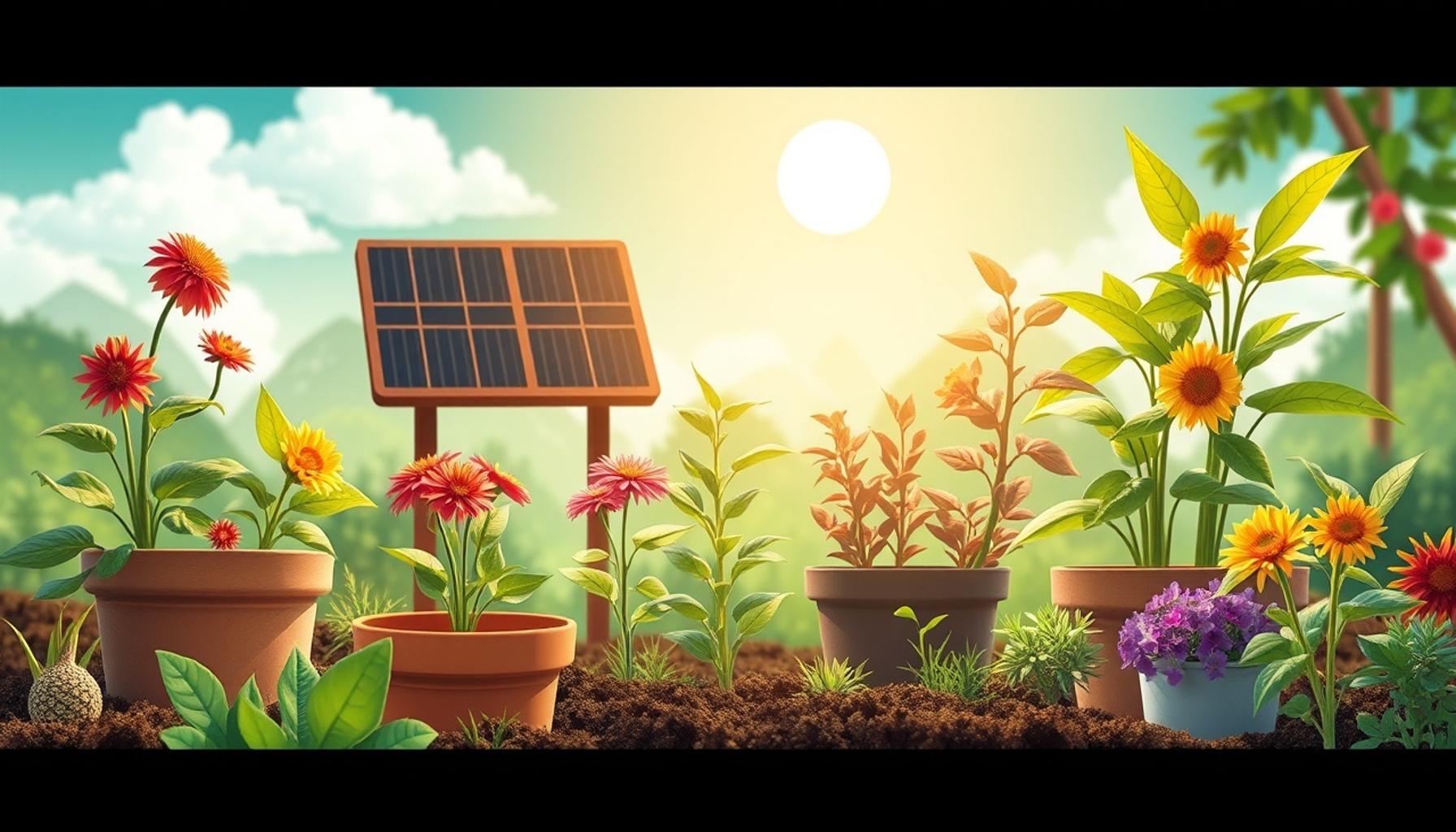
Light plays a pivotal role in how plants grow, develop, and flourish. This essential factor not only drives the photosynthesis process but also influences various physiological traits such as flowering and fruiting. Recognizing that different plants require varying amounts of light is key to cultivating a healthy garden, whether it’s brimming with vegetables in your backyard or showcasing ornamental plants on your windowsill.
Plants can generally be categorized based on their light needs:
- Full Sun: These plants thrive in environments that provide them with 6 or more hours of direct sunlight each day. They are often hearty varieties like tomatoes, which require ample sunlight to produce their juicy fruits, and sunflowers, known for their tall stature and vibrant blooms. This category often includes many flowering plants and vegetables that are staples in American gardens.
- Partial Shade: Plants in this category appreciate a balance of sun and shade, ideally receiving 3 to 6 hours of sunlight. Varieties such as astilbe and hostas flourish in spaces that offer some shelter from the sun’s harsh rays, making them ideal for shaded areas or under larger trees. These plants often add texture and color to otherwise dim spaces.
- Full Shade: Suitable for plants that can cope with less than 3 hours of direct sunlight daily, this category includes shade-loving varieties such as ferns and caladiums. These plants are perfect for gardens that have dense tree cover or limited access to sunlight, demonstrating that thriving life can exist even in less than ideal conditions.
In the diverse climates of the United States, factors such as seasonal changes and geographical location can significantly influence sunlight availability. For instance, a gardener in sunny Florida may have a different experience than one tending to plants in the often-overcast Pacific Northwest. As the seasons transition, sunlight patterns shift, making it crucial for gardeners to regularly evaluate their plants’ lighting conditions and adjust their care accordingly.
Understanding these unique light requirements is not merely academic; it provides practical insights that can be applied to enhance your gardening success. For example, placing peppers in optimal sunlight can increase yield, while shade-tolerant plants can enhance the aesthetics of darker spots in your yard. By identifying the specific needs of each plant species, you can create a lush, harmonious garden that bursts with life and color.
This exploration into light requirements serves as a foundation for cultivating a thriving indoor or outdoor environment. By tailoring conditions to meet plant needs, you can turn even the most challenging spaces into vibrant displays of nature’s beauty.
DISCOVER MORE: Click here to enhance your knowledge on soil quality
Determining Light Exposure in Different Environments
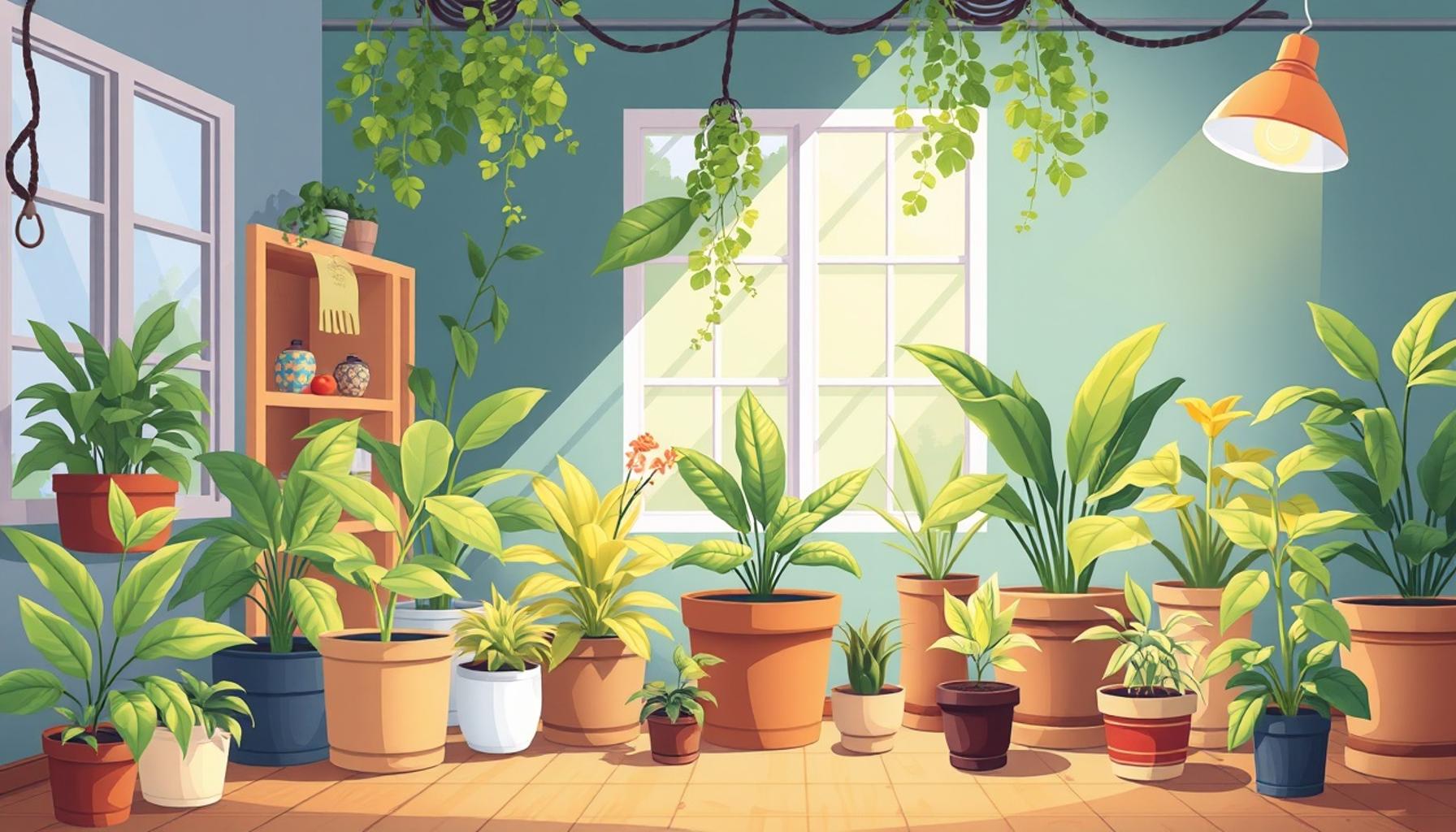
When it comes to understanding light requirements for indoor and outdoor plants, the first step is assessing the amount of natural light available in your gardening space. For indoor plants, this often means positioning them near windows, which serve as their primary source of sunlight. However, the positioning itself can be complex; south-facing windows receive the most light throughout the day, while north-facing ones provide a more subdued lighting condition. As such, it is essential to not only know the light classification of your plants but also how diverse light conditions can change throughout the day and across seasons.
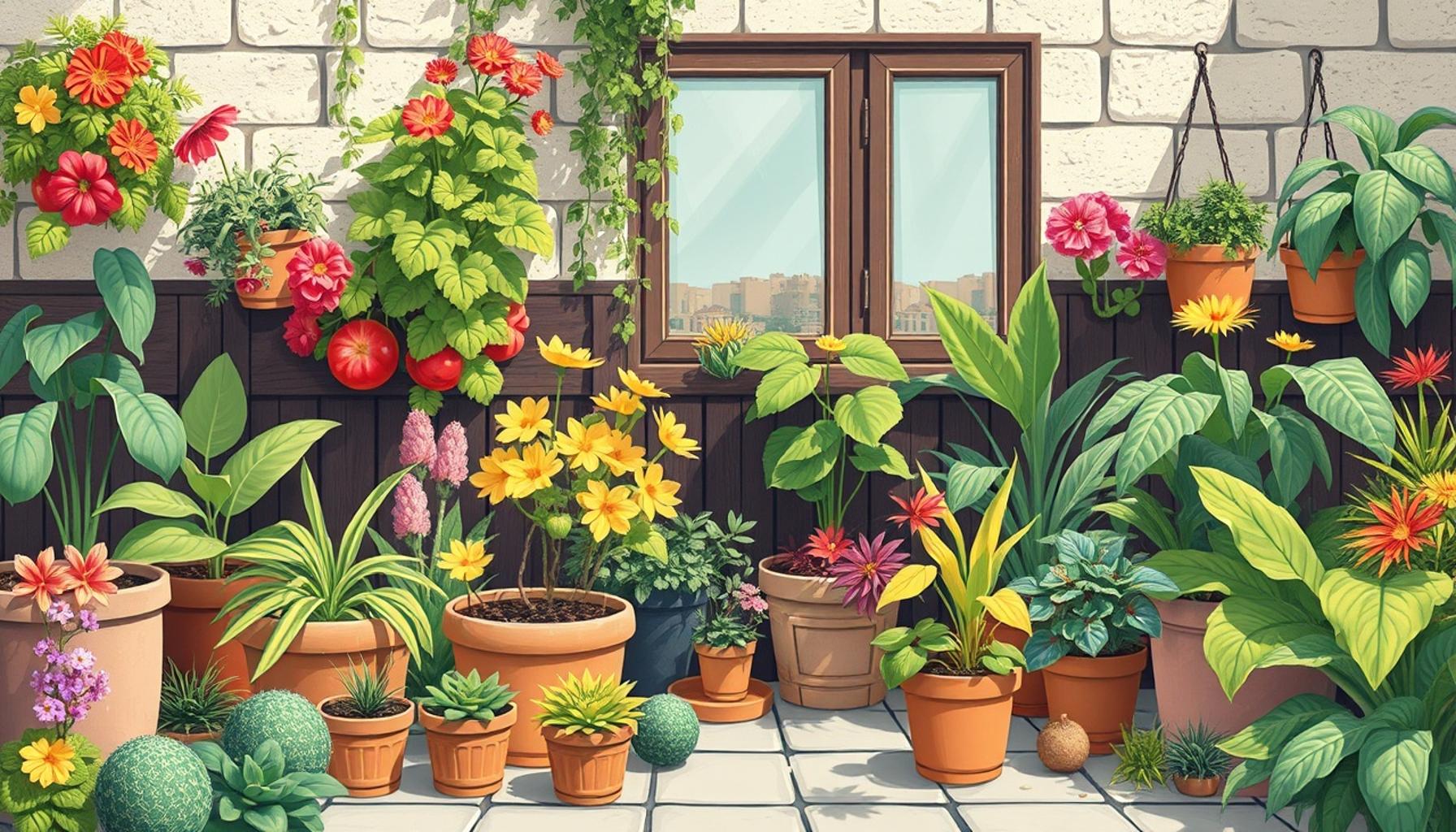
Outdoors, the situation is often more dynamic. Factors such as landscape orientation, neighboring structures like houses or fences, and even the height of surrounding trees can cast shadows, impacting the amount of sun that various plants receive. It is beneficial to assess light exposure at different times, observing how long certain areas are illuminated. Here are some considerations to take into account:
- Location: Plants growing against a wall may benefit from reflected light, while those tucked in corners may struggle with less exposure.
- Time of Day: Morning sun can be gentler than the harsh rays felt in the afternoon; thus, adjusting placements based on daily timings can enhance growth.
- Seasonal Changes: As mentioned, the angle of sunlight shifts throughout the year. During winter, certain plants may receive less sun than in the summer months, requiring gardeners to adapt their care strategies accordingly.
In addition to these factors, the type of glazing in windows can also affect indoor light quality. Sheer curtains can filter sunlight, bringing a softer glow that some plants may thrive under, while others may require a more direct source to meet their growth needs. On the other hand, certain glass treatments can reduce UV penetration, which is crucial for some plants’ growth phases.
Understanding the specific light requirements of various plant species and how these needs translate in various environments is not just beneficial; it is vital for the success of any gardening endeavor. For instance, if you want to grow herbs indoors, you might need to supplement natural light with grow lights that mimic daylight—especially during darker winter months. Alternatively, outdoor vegetable gardens may require strategic planning, enabling optimal placement of sun-loving crops to avoid shaded areas from neighboring plants or structures.
In essence, lighting varies not merely by plant species but by their respective locations, creating an intricate balance that every gardener must navigate. Grasping these concepts lays the groundwork for a garden that not only survives but thrives, ensuring that plants receive the necessary sunlight to make them flourish energetically.
| Category | Advantages |
|---|---|
| Natural Light | Promotes healthy growth and enhances photosynthesis. |
| Artificial Light | Allows year-round cultivation and control over light duration. |
| Light Intensity | Essential for different plant types; prevents stretching and promotes lush foliage. |
| Light Duration | Affects flowering and fruiting; ensures optimal growth cycles. |
Understanding light requirements for plants, whether indoor or outdoor, is crucial for successful horticulture. Natural light not only fosters healthy growth but also significantly aids in the photosynthesis process. For indoor gardeners, artificial lighting can bridge the gap when natural light is scarce, allowing for year-round cultivation and tailored light durations that meet specific plant needs.Furthermore, understanding the intricacies of light intensity can prevent common issues such as plant stretching, helping to develop robust foliage. Different plant types have varying needs regarding light exposure; thus, knowledge in this area is essential. Light duration can also influence significant growth events such as flowering and fruiting, underscoring the importance of optimizing light conditions for maximum yield. By delving deeper into these factors, you can nurture your plants to thrive in any environment.
DISCOVER MORE: Click here to enhance your indoor gardening skills
Matching Plant Types to Light Conditions
Once you’ve assessed the light exposure of both your indoor and outdoor gardening spaces, the next crucial step is to match the specific types of plants to the corresponding light conditions. This ensures that each plant receives the appropriate amount of sunlight needed for optimal growth and health. The light requirements of plants generally fall into three categories: low light, medium light, and bright light.
Low Light Plants are ideal for spaces that receive indirect light or shaded areas. These plants are adapted to thrive in conditions where sunlight is limited. Examples include snake plants, spider plants, and ZZ plants. Indoor gardeners often find succulents and cacti challenging in low light but perfect for sunny windowsills, where they can soak up the necessary rays. As a rule of thumb, if you notice that a plant is stretching towards the light or its growth seems stunted, it may indicate that it’s not receiving enough light.
In contrast, bright light plants require direct sunlight for a significant portion of the day. Varieties such as tomatoes, peppers, and certain types of ornamental flowers flourish in these conditions. When gardening outdoors, consider sun exposure during the hottest part of the day—around noon to 3 PM—when the sun is most direct. Conversely, placing these plants in less sunny areas will likely diminish their growth potential and yield. Understanding these differences can help gardeners make informed choices about plant placement.
<p For those with environments that offer a moderate level of light, medium light plants can be an excellent choice. These plants thrive in areas that receive indirect sunlight for a few hours a day or filtered light, making them versatile options for both indoor and outdoor spaces. Examples of medium light plants include peace lilies and pothos. Recognizing that these plants can still be affected by changing light conditions through seasons reinforces the need for careful monitoring and adaptable gardening practices.
Another critical aspect to consider is the light spectrum that different plants require. Plants utilize various wavelengths fitting for photosynthesis; hence, understanding the importance of the color spectrum (reds and blues predominantly) can guide indoor gardeners. Grow lights equipped with full-spectrum lighting options mimic sunlight and can be a game changer, especially during winter months when natural light is scarce. For outdoor gardeners, knowing the timing of when to plant seeds or transplant seedlings based on available sunlight can help ensure a successful growing season.
In some regions, adverse climate factors may require further assessments. The USDA Plant Hardiness Zone Map serves as a valuable guide by classifying areas based on minimum temperatures. This information can affect how light exposure translates to viable plant growth, offering insights into which varieties might withstand local conditions best.
Ultimately, achieving harmony between plant types and their respective light conditions fosters an environment conducive to healthy growth and flowering, enhancing the overall beauty of your indoor and outdoor gardens. By carefully considering these factors, gardeners can take proactive steps to nurture their plants and create thriving spaces that flourish under the right light.
DISCOVER MORE: Click here to enhance your gardening skills
Conclusion
In summary, understanding the light requirements for both indoor and outdoor plants is crucial for any gardener aiming to cultivate a thriving green space. As we have explored, plants require varying intensities and types of light based on their species and natural habitats. By properly assessing your gardening space’s light exposure, whether it be a low-light indoor environment or a sun-drenched outdoor garden, you can effectively match plant types to their ideal light conditions.
Moreover, it’s essential to recognize the impact of the light spectrum during photosynthesis, guiding you in choosing plants that will not only survive but thrive under specific conditions. For those of you managing seasonal changes and climatic variations, resources like the USDA Plant Hardiness Zone Map can offer valuable insights into which plants will flourish in your area. It’s also important to monitor your plants’ growth habits and adjust their placement as necessary to maximize light exposure, ensuring robust growth and vibrant blooms.
As you embark on your gardening journey, let your understanding of light requirements serve as your compass. By aligning your plant choices with their environmental needs, you can create a flourishing oasis that brings beauty and life into your space. Delve deeper into the specifics of each plant’s light preferences and watch as your indoor and outdoor gardens transform into vibrant ecosystems filled with health and vitality.