Building Healthy Soil: Organic Amendments for Urban Gardens
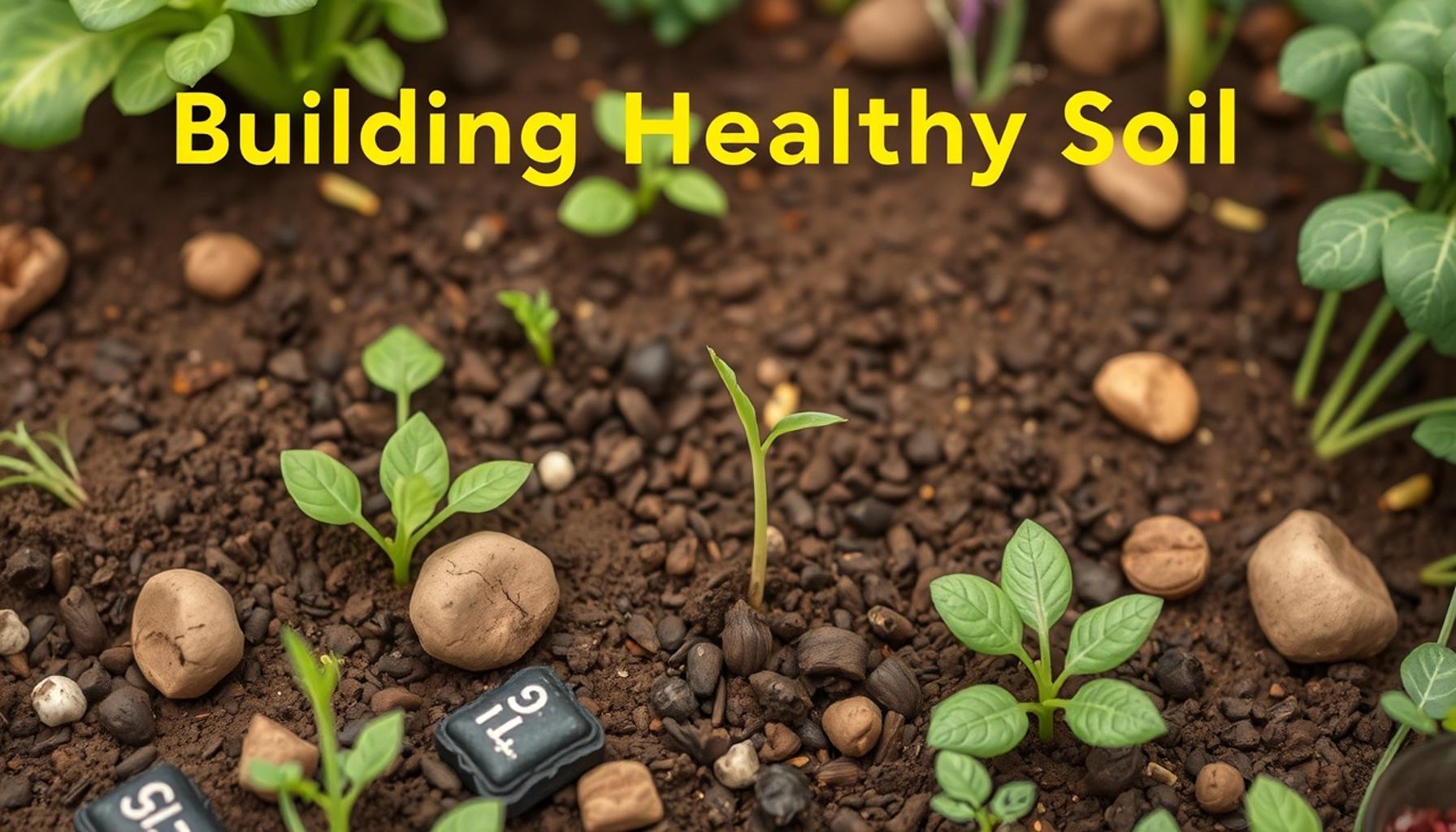
The Vital Role of Healthy Soil in Urban Gardening
In the heart of bustling cities, urban gardens are transforming patches of concrete into vibrant green oases. However, to cultivate flourishing plants, the cornerstone lies beneath the surface — healthy soil. Soil health not only supports plant growth but also promotes environmental sustainability and enhances biodiversity. It is a critical component that influences everything from food quality to the ecosystem’s overall balance within urban settings.
Many urban gardeners are discovering the benefits of using organic amendments for enriching their soil. These amendments, which often come from natural sources, act to significantly improve soil fertility and structure, leading to a multitude of benefits. For instance:
- Enhanced nutrient retention: Organic materials, such as compost and manure, improve the soil’s ability to retain essential nutrients, ensuring that they remain accessible to plants over time.
- Improved water retention: Well-amended soil can hold moisture more effectively, making it a crucial resource during dry spells. This retention helps reduce the need for frequent watering, offering a more sustainable approach to gardening.
- Increased microbial activity: Healthy soil is teeming with beneficial organisms, including bacteria and fungi, which play a vital role in breaking down organic matter and recycling nutrients.
In urban settings, where soil can often be compacted or contaminated due to construction and pollution, leveraging organic amendments becomes critical. Examples of these amendments include:
- Compost: A rich source of nutrients created from decomposed organic matter, compost not only enriches soil but also helps to divert waste from landfills, making it an eco-friendly option.
- Worm castings: Considered a gardener’s best-kept secret, worm castings improve soil aeration, moisture retention, and even disease resistance in plants, enhancing overall garden health.
- Cover crops: These temporary plants, grown during the off-season, improve soil structure, prevent erosion, and add organic matter when they decompose, reinforcing the soil beneath.
Understanding the value of these organic amendments not only helps in creating a thriving urban garden but also contributes to a larger movement towards environmental responsibility. For instance, many community gardens across the United States have adopted regenerative practices that focus on building soil health as a means to foster resilience against climate change and urbanization effects.
Diving deeper into the world of soil health reveals a wealth of knowledge and practices that can revitalize your gardening efforts. As urban gardening continues to gain popularity, understanding and investing in soil health will play an indispensable role not just for individual gardeners, but for the sustainability of urban environments as a whole.
DISCOVER MORE: Click here to learn about choosing the right plants for your home
Understanding Organic Amendments and Their Benefits
Organic amendments are materials derived from natural sources that enhance soil properties and provide essential nutrients for plant growth. In the context of urban gardening, where soil degradation and urbanization can impede horticultural success, incorporating organic amendments is a practical solution to create a thriving gardening ecosystem. By integrating these rich, organic materials, urban gardeners can significantly improve not only soil health but also the vitality of their garden produce.
Several key benefits arise from the diligent use of organic amendments in urban environments:
- Soil structure improvement: Organic amendments help to loosen compacted soil, facilitating root growth and increasing aeration. A well-structured soil allows plants to access water and nutrients more efficiently, leading to healthier growth.
- pH balance: Many urban soils can have imbalanced pH levels, making it difficult for plants to absorb nutrients. Organic amendments can help stabilize pH, creating a more hospitable environment for a wider range of plants.
- Reduction of soil erosion: By adding organic matter, gardeners can combat erosion that results from heavy rainfall or runoff, retaining valuable topsoil and preventing nutrient loss.
- Natural pest control: Some organic amendments, like neem cake or certain plant-based products, can deter pests and diseases, thereby promoting a healthier garden ecosystem without reliance on synthetic chemicals.
Among the various organic amendments available, compost stands out as a cornerstone for urban gardening. Compost not only enriches existing soil but serves as a sustainable recycling method for organic waste. In cities across the United States, community composting initiatives are flourishing, transforming kitchen scraps and yard waste into nutrient-dense compost, thereby enhancing soil health on a larger scale.
Another powerful ally for urban gardeners is biochar. This charcoal-like substance, created through the pyrolysis of organic materials, improves soil fertility while sequestering carbon. Its porous nature allows for better moisture retention and provides a habitat for beneficial microorganisms. Biochar is increasingly gaining traction in urban gardening circles, notably in regions focused on climate resilience and sustainability.
Mulch is another organic amendment that offers a variety of ecological advantages. By utilizing organic materials like straw, leaves, or wood chips as mulch, urban gardeners can suppress weeds, conserve soil moisture, and gradually enrich the soil as the materials decompose. In addition, mulch creates a more hospitable environment for beneficial insects, further enhancing biodiversity.
As urban gardeners continue to strive for healthier soil, it becomes essential to understand the characteristics and advantages of various organic amendments. Knowing which amendments to use, and how to apply them effectively, can empower city dwellers to foster productive and resilient gardens that contribute positively to their urban environment.
| Advantages of Organic Amendments | Impact on Urban Gardening |
|---|---|
| Improved Soil Structure | Organic amendments enhance soil aeration and drainage, essential for urban gardens. |
| Enhanced Nutrient Availability | Using compost and other organic materials helps to release nutrients, boosting plant growth. |
| Increased Microbial Activity | Organic treatments encourage beneficial microbes that promote healthy ecosystems in urban settings. |
| Water Retention | Amendments like peat moss or coconut coir improve the capacity of soil to hold moisture. |
Organic amendments play a pivotal role in cultivating *healthy soil* for urban gardens. By drastically enhancing soil structure, these amendments ensure better aeration and drainage, which are crucial in confined urban spaces. Furthermore, they provide a steady release of nutrients that sustains vibrant plant growth. Research indicates that the incorporation of organic materials not only fortifies nutrient availability but also amplifies microbial activity, fostering beneficial organisms essential for thriving ecosystems.Notably, the advantages of organic amendments extend to water retention, allowing urban gardens to be more resilient against drought conditions. Given the high incidence of impervious surfaces in cities, the integration of organic materials can revolutionize urban gardening approaches, leading to sustainable and productive environments. Embracing these strategies can significantly impact urban gardening practices, encouraging gardeners to dig deeper and innovate their growing techniques.
DISCOVER MORE: Click here to enhance your gardening skills
Popular Organic Amendments and Their Applications in Urban Gardens
In the vibrant world of urban gardening, adopting a variety of organic amendments can lead to diverse and fruitful results. Understanding how to effectively utilize these amendments is crucial for enhancing soil quality and maximizing plant health. Below are some of the most popular organic amendments, their specific applications, and the benefits they offer to urban gardens.
Manure is one of the oldest organic amendments used in agriculture and gardening. Composed of animal waste, it is a rich source of nutrients, especially nitrogen, phosphorus, and potassium. However, it is essential to use well-rotted manure to prevent the introduction of pathogens and to avoid burning plants due to high nitrogen levels. Incorporating manure into garden beds prior to planting not only enriches the soil but also promotes beneficial microbial activity, vital for healthy plant growth. Urban gardeners should seek out sources such as local farms or community-supported agriculture (CSA) programs that offer organic manure options.
Green manures, or cover crops, are another innovative amendment gaining popularity among urban gardeners. These are crops planted not for harvest but to improve soil health. Varieties like clover, rye, and vetch, when turned back into the soil, enhance nutrient availability, improve soil structure, and suppress weeds. Moreover, many green manures fix nitrogen in the soil, providing a natural nutrient boost for subsequent vegetable crops. Given the limited space in many urban gardens, even small patches of green manure can have a significant positive impact on soil vitality.
Worm castings, produced by earthworms during the decomposition process, offer a potent organic option for urban gardeners looking to supercharge their soil. Rich in nutrients and beneficial microorganisms, worm castings can be added directly to the soil or used as a fertilizer tea, providing an immediate boost to plant health. Furthermore, they aid in moisture retention, making them a valuable addition to urban gardens that face the challenges of inconsistent watering.
A less commonly known but highly beneficial amendment is seaweed. Harvested from coastal regions, organic seaweed can be applied as a fertilizer or soil conditioner. High in micronutrients and growth hormones, seaweed supports overall plant development and can promote resistance to environmental stressors. For urban gardeners, it can provide a unique opportunity to use a sustainable and eco-friendly resource that enhances the garden’s resilience.
Another highly effective organic amendment is bone meal, which supplies an excellent source of phosphorus and calcium. It encourages strong root growth and enhances flowering. For urban gardens aiming for thriving vegetables and flowers, bone meal can be particularly useful especially when planting bulbs, tomatoes, or any flowering plants that benefit from a phosphorus boost. It is critical to apply bone meal according to the recommended guidelines to avoid nutrient imbalances.
Ultimately, the key to successful urban gardening lies in understanding the unique characteristics of the soil and using a combination of these organic amendments strategically. With an array of options available, from compost to bone meal and even vermicompost, city dwellers can tailor their soil amendments to meet specific plant needs and environmental conditions. By experimenting with different combinations, urban gardeners can create a thriving, healthy, and productive garden that not only beautifies their living spaces but also contributes to a more sustainable urban ecosystem.
DISCOVER MORE: Click here to uncover the secrets of soil quality
Conclusion
In navigating the challenges of urban gardening, building healthy soil through organic amendments emerges as a vital strategy. As explored throughout this article, a diverse array of organic materials—from manure and green manures to worm castings and seaweed—offer unique advantages that can enhance soil fertility and resilience in urban environments. These amendments not only improve nutrient content but also cultivate beneficial microorganisms essential for thriving plant ecosystems.
Urban gardeners stand to benefit immensely by integrating these organic solutions into their gardening practices. Understanding the specific needs of the soil and plants can lead to tailored applications that maximize growth potential and ultimately foster a more sustainable urban landscape. As cities continue to expand and the population surges, the role of urban gardens in promoting not just greenery but also food security becomes increasingly important.
Moreover, by embracing organic amendments, gardeners can participate in a larger movement towards eco-friendly practices that mitigate environmental impacts and enhance local biodiversity. For those looking to deepen their knowledge and skills, further investigation into composting methods, biodynamic gardening, and soil health assessments can reveal even more opportunities for improving soil quality.
As we continue to explore ways to enrich our urban gardens, let us remember that healthy soil is the foundation of a productive garden, paving the way for both nourishing our bodies and nurturing our planet. Investing time and resources into building healthy soil today will yield dividends for generations of urban gardeners to come.