Choosing the Right Plants for Your Home Environment: A Beginner’s Guide
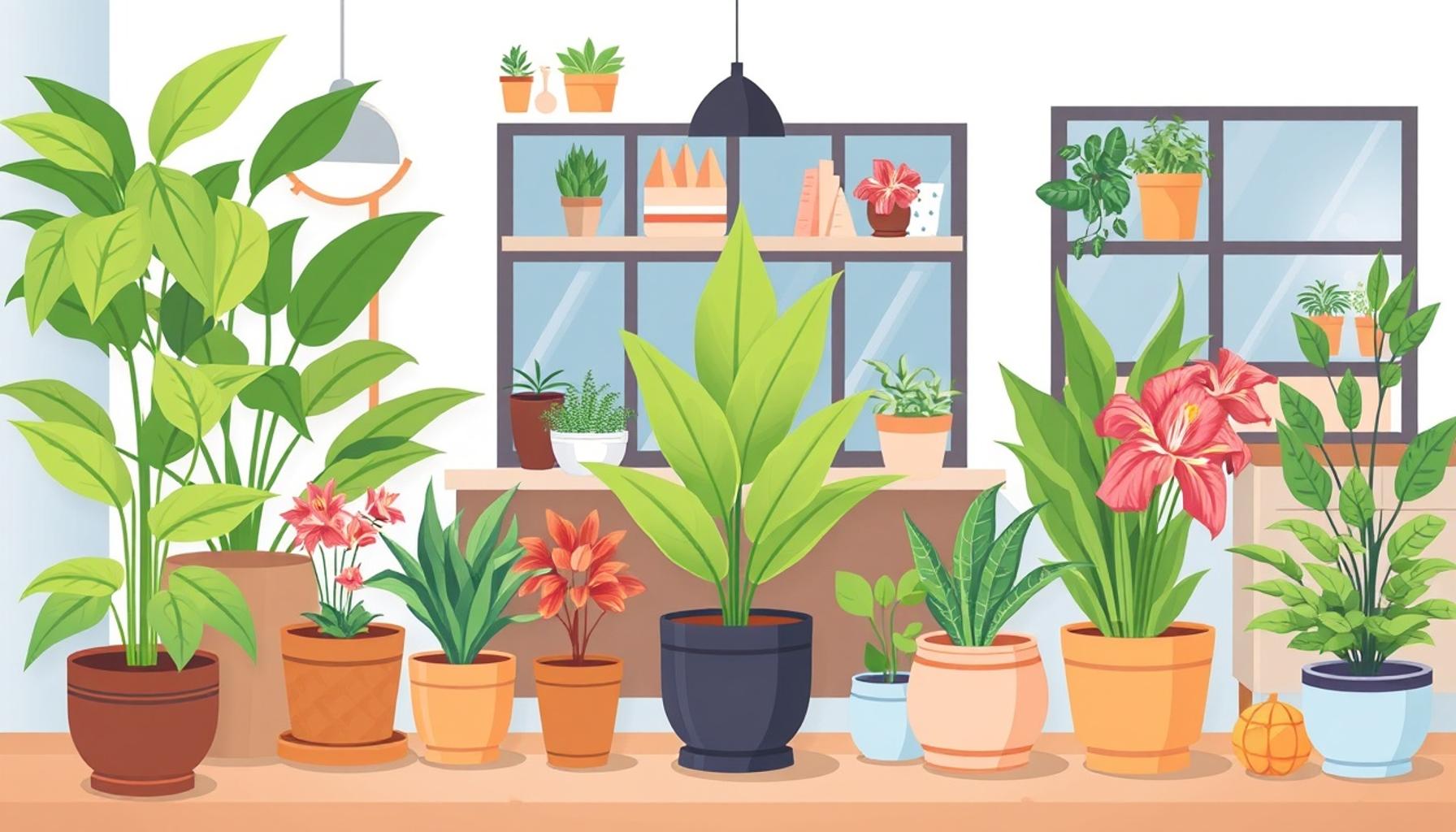
Discovering the Perfect Green Companions
Bringing plants into your home can transform your space, creating a vibrant and calming atmosphere. However, choosing the right plants can feel overwhelming, especially for beginners. With so many options available, understanding your home environment is key to making informed decisions.
Consider Key Factors
Before diving into plant selection, it’s essential to evaluate a few important aspects:
- Light Conditions: Assess how much natural light your space receives throughout the day. Is your home filled with healthy sunlight, or does it struggle to light up during the darker months? Different plants have varying light requirements; for instance, succulents enjoy bright, direct sunlight, while others like ferns thrive in low-light areas.
- Humidity Levels: Consider whether your environment is dry or humid, which affects plant suitability. This can be an important factor, especially in regions with extreme temperatures or in homes with heating and cooling systems that may dry out the air. For instance, tropical plants such as the Boston fern flourish in higher humidity, while succulents and cacti prefer drier air.
- Space Availability: Determine how much space you have for plant growth and maintenance. Consider not only the size of the plants but also their growth habits. Some plants, like the pothos, can trail down elegantly from shelves, while others, such as the monstera, may need more vertical space to expand their broad leaves.
Popular Choices for Beginners
Some plants are particularly well-suited for novice gardeners and can thrive in a variety of home environments. Here are a few selections that are widely recommended:
- Snake Plant: Known for its hardiness and tolerance of low light, the snake plant is virtually indestructible. Its striking upright leaves add a bold statement to any room, making it perfect for busy individuals who may forget to water.
- Pothos: This trailing plant can adapt to various light conditions, shrinking its care demands while offering lovely cascading vines. Beyond its beauty, pothos is also recognized for its air-purifying properties, making it an excellent choice for indoor living.
- Peace Lily: With its elegant white blooms and glossy green leaves, the peace lily is not only aesthetically pleasing but also actively enhances indoor air quality. Surprisingly, these plants can thrive in low light, further adding to their allure for beginners.
Explore and Learn
As you embark on this journey, remember that plant care is a continuous learning experience. Each plant has its own needs and quirks, making the journey both engaging and rewarding. Understanding the specifics of your home environment allows you to make informed choices that foster a flourishing indoor garden. Consider starting small, experimenting with different species, and observing how they respond to your care.
Ready to bring the outside in? Dive into the world of houseplants and discover what unique combinations will thrive in your space. Whether you aim for a lush tropical feel or a minimalistic approach, there are numerous paths to creating your ideal indoor oasis. Each plant offers an opportunity for growth—both for them and you! Explore further, invest your time, and watch your green companions flourish.
DISCOVER MORE: Click here to uncover vibrant garden options
Navigating Your Options with Confidence
As you venture into the world of houseplants, understanding the diverse types available can dramatically influence your success as a beginner gardener. Beyond aesthetics, choosing the right plants involves assessing their compatibility with your specific home environment. To help you navigate your options with confidence, let’s delve deeper into some essential considerations.
Understanding Your Environment
When selecting plants, it’s critical to recognize the distinct characteristics of your home. Here are some factors to consider in detail:
- Temperature Fluctuations: Take note of how the temperature can vary from room to room, as well as between seasons. Most houseplants thrive in temperatures ranging from 65°F to 75°F during the day and slightly cooler at night. Be cautious of drafts from windows and doors, which can stress tropical plants that prefer consistent warmth.
- Plant Toxicity: If you have pets or young children, be mindful of which plants may pose health risks. Certain species, such as philodendrons or dieffenbachia, can be toxic when ingested. Researching non-toxic plants can ensure a safe home environment while still enjoying the benefits of greenery.
- Maintenance Commitment: Reflect on how much time you’re willing to devote to plant care. Some plants require a higher level of attention, while others flourish with minimal effort. Assessing your lifestyle can help you choose plants that fit seamlessly into your daily routine.
Exploring Plant Varieties
Once you’ve evaluated your environment, it’s time to explore a range of plant varieties that align with your preferences. Here are some popular choices that cater to various lighting and maintenance needs:
- Aloe Vera: This resilient succulent is not only a low-maintenance option but also boasts medicinal properties. Known for its soothing gel, aloe thrives in bright indirect light and requires infrequent watering, making it an excellent choice for busy individuals.
- Spider Plant: Renowned for its adaptability, the spider plant can thrive in a variety of light conditions and is forgiving if you occasionally forget to water. Its iconic arching leaves, combined with air-purifying capabilities, make it a whimsical yet practical addition to any home.
- ZZ Plant: With its thick, glossy leaves, the ZZ plant is an ideal choice for those seeking a robust and forgiving plant. It flourishes in low-light environments and can withstand long periods of neglect, making it perfect for beginners and busy lifestyles.
Once you’ve evaluated your options and identified the plants that resonate with your unique environment, the next step is to care for them properly. Engaging with your plants allows for a rewarding cycle of growth and nurturing, creating a vibrant focal point in your home.
Are you ready to take the plunge into plant parenthood? By understanding the vital aspects of your home environment and selecting compatible plants, you’re well on your way to cultivating a lush, inviting indoor garden that thrives amidst your lifestyle.
Choosing the Right Plants for Your Home Environment: A Beginner’s Guide
When it comes to selecting the ideal plants for your home environment, it’s essential to consider not only aesthetic appeal but also practical aspects like maintenance and environmental conditions. Understanding your space and the type of plant that thrives in specific conditions can enhance both your living area and your overall well-being.
Assessing Light Conditions
Different plants require varying amounts of light to flourish. Assess the natural light in each room to determine which plants will thrive. For instance, succulents and cacti adore bright sunlight, making them suitable for south-facing windows. On the other hand, if your space is limited on sunlight, consider low-light options such as snake plants or pothos that can thrive in indirect light.
Considering Plant Size
Understanding the space you have available is vital when choosing plants. Larger plants like fiddle leaf figs or rubber trees can act as striking focal points in spacious areas. However, if you live in a compact apartment, miniature varieties of plants—like air plants or bonsai—ensure you can enjoy greenery without overwhelming your décor.
Allergies and Pet Safety
While incorporating plants into your home, it’s important to consider the safety and health of all household members, including pets. Some popular houseplants, such as peace lilies and philodendrons, are toxic to pets. Researching pet-friendly plants like spider plants or bamboo palms can create a safer environment while still enhancing your home’s aesthetic.
Maintenance and Care
Differentiating between high-maintenance and low-maintenance plants is crucial for beginners. If you are someone who travels often or has a busy lifestyle, plants like ZZ plants or cast iron plants may be the perfect fit as they require less frequent watering. Conversely, if you enjoy gardening and can dedicate more time, consider nurturing plants that require specific care instructions, such as bonsai or orchids.
Building Your Plant Collection
As you venture into the world of indoor gardening, start with a few plants that join your space harmoniously. Expand gradually as you develop your green thumb and confidence in caring for them. Joining local gardening clubs or online communities can provide support and help to share insights as you grow your collection.
| Category | Description |
|---|---|
| Light Requirement | Understanding how much light each plant needs for optimal growth. |
| Space Availability | Choosing plants that fit the dimensions and aesthetics of your space. |
| Allergies & Safety | Identifying pet-safe plants to ensure a healthy home environment. |
| Maintenance Level | Selecting plants that fit your lifestyle and care capabilities. |
By carefully considering these factors, you’ll find that the process of choosing the right plants becomes less daunting and much more enjoyable. Ultimately, the right plants can transform your atmosphere, purify your air, and elevate your mood.
DISCOVER MORE: Click here to learn about integrating cover crops
Meet the Light Requirements
Just as important as understanding your environment is recognizing the light conditions in your home. Different plants have varying light needs, and this factor can greatly influence their growth and vibrancy. Here’s how to match your plants with the appropriate light types:
- Bright Indirect Light: Many popular houseplants, such as peace lilies and pothos, thrive in bright indirect light. This means they should be placed near a window where they can receive ample light without being exposed to direct sunlight, which can scorch their leaves.
- Low Light: For darker corners of your home, explore plants that can survive with minimal light. Options like the snake plant and cast iron plant are resilient and can adapt to low-light conditions, making them ideal for offices or rooms that receive little natural light.
- Direct Sunlight: If you have a sun-drenched window that receives several hours of direct sunlight, consider plants like cacti or succulents. These plants flourish in full sun and have evolved to store water, allowing them to thrive in bright conditions.
Soil and Potting Considerations
The soil you choose and how you pot your plants are critical components that can affect their overall health. Here are some considerations to keep in mind:
- Drainage: Always select pots with drainage holes to prevent waterlogging, which can lead to root rot. Opt for lightweight, breathable pots made from materials such as terracotta or ceramic that allow for good airflow and temperature regulation.
- Type of Soil: Different plants have different soil requirements. For instance, succulents and cacti require a well-draining cactus mix, while tropical plants need a richer, moisture-retaining potting soil. Understanding the specific needs of your plants will pay dividends in their growth and longevity.
Seasonal Care Adjustments
As the seasons change, so do the requirements of your houseplants. It’s essential to adapt your care routine accordingly. Here are enlightening guidelines to follow:
- Watering: During the winter months, many plants enter a dormant phase and require less frequent watering. Overwatering during this time can lead to rot. In contrast, during the growing season of spring and summer, your plants may need more water and nutrients that support their active growth.
- Fertilizing: Most houseplants benefit from monthly fertilization during their growth phase, particularly with a balanced fertilizer. However, during the winter, you might consider reducing or halting fertilization completely to accommodate their natural growth cycles.
Keeping these elements in mind will enhance your plant-care routine, helping you create an environment where your plants feel nurtured and thrive beautifully. Whether you’re trying to beautify a space or hoping to bring a touch of nature indoors, understanding these fundamental aspects makes your venture into houseplants both rewarding and enjoyable.
DISCOVER MORE: Click here to learn how to create the perfect compost blend
Final Thoughts on Selecting the Ideal Houseplants
Choosing the right plants for your home environment is not just a matter of decoration; it’s about understanding the specific needs of both your living space and the plants themselves. As highlighted throughout this guide, factors such as light conditions, soil requirements, and seasonal care adjustments play pivotal roles in ensuring your plants flourish and enhance your indoor atmosphere.
Whether you opt for resilient options like the snake plant in low-light areas or vibrant peace lilies in brighter spots, each plant brings its unique charm into your home. Adapting your care routine, especially as seasons change, can prevent issues like overwatering and nutrient deficiencies, further contributing to the long-term health of your greenery. Additionally, choosing pots with proper drainage and suitable soil mixtures tailored to the specific needs of your plants can significantly improve their vitality.
In conclusion, the journey of incorporating houseplants into your living spaces offers not just aesthetic pleasures but also health benefits like improved air quality. As you immerse yourself in this rewarding hobby, remember to explore further, seek advice from local nurseries, and become attuned to the subtle signs that your plants convey. With the right approach, you can create a thriving indoor oasis that reflects your personal style while celebrating nature’s beauty.