Essential Tools and Techniques for Effective Soil Preparation
For anyone keen on cultivating a thriving garden or productive farm, soil preparation stands as a critical first step. The transformation of hard, unyielding ground into fertile land is not merely an arduous task; it is a science that requires understanding the soil’s characteristics and how best to nurture it. Effective soil preparation ensures that your crops have the nutrients they need, leading to healthier plants and ultimately, a more bountiful harvest.
Key Benefits of Proper Soil Preparation
- Enhanced Nutrient Availability: When soil is well-prepared, it fosters an environment where nutrients become more accessible to plants. This can be achieved through practices such as adding organic matter, which not only replenishes nutrients but also improves soil structure.
- Improved Water Retention: Loose, aerated soil is an ally for plants during dry spells. It allows for better moisture infiltration and retention, which is vital in regions of the U.S. prone to drought, like the Southwest.
- Root Development: Healthy soil promotes stronger root growth. A plant with robust roots is better equipped to absorb water and nutrients, making it more resilient against pests and environmental stressors.
The right tools can significantly enhance the soil preparation process. Here are some essential tools that every aspiring gardener or farmer should consider:
- Tillers: These machines break up compacted soil and mix in organic matter, making it easier for air and water to penetrate the soil.
- Spades: An indispensable tool for any gardener, spades are ideal for digging, turning soil, and planting.
- Soil Test Kits: These kits are vital for assessing the pH and nutrient levels of your soil. Understanding these levels can guide your amendments and ultimately, your planting choices.
Techniques to Master
Employing effective techniques will ensure your soil is primed for planting. Here are some methods commonly utilized in American gardening and farming:
- Double Digging: This technique involves digging two layers deep, significantly aerating the soil and improving water drainage. It’s particularly beneficial in heavy clay soils.
- Composting: By adding compost, you enrich the soil with organic material, fostering a diverse microbial community that boosts soil health and fertility.
- Cover Cropping: Planting cover crops, such as clover or vetch, protects the soil from erosion, enhances fertility, and adds organic matter when tilled back into the soil.
As you explore these essential tools and techniques for effective soil preparation, you’ll find that diligent preparation does not merely set the stage for your plants; it creates an ecosystem that supports vibrant growth. Whether you aspire to grow vegetables in your backyard or manage larger agricultural plots, mastering these techniques can lead to stunning results, enriching both your gardening experience and your harvests.
DIVE DEEPER: Click here to uncover essential soil preparation techniques
Essential Tools for Successful Soil Preparation
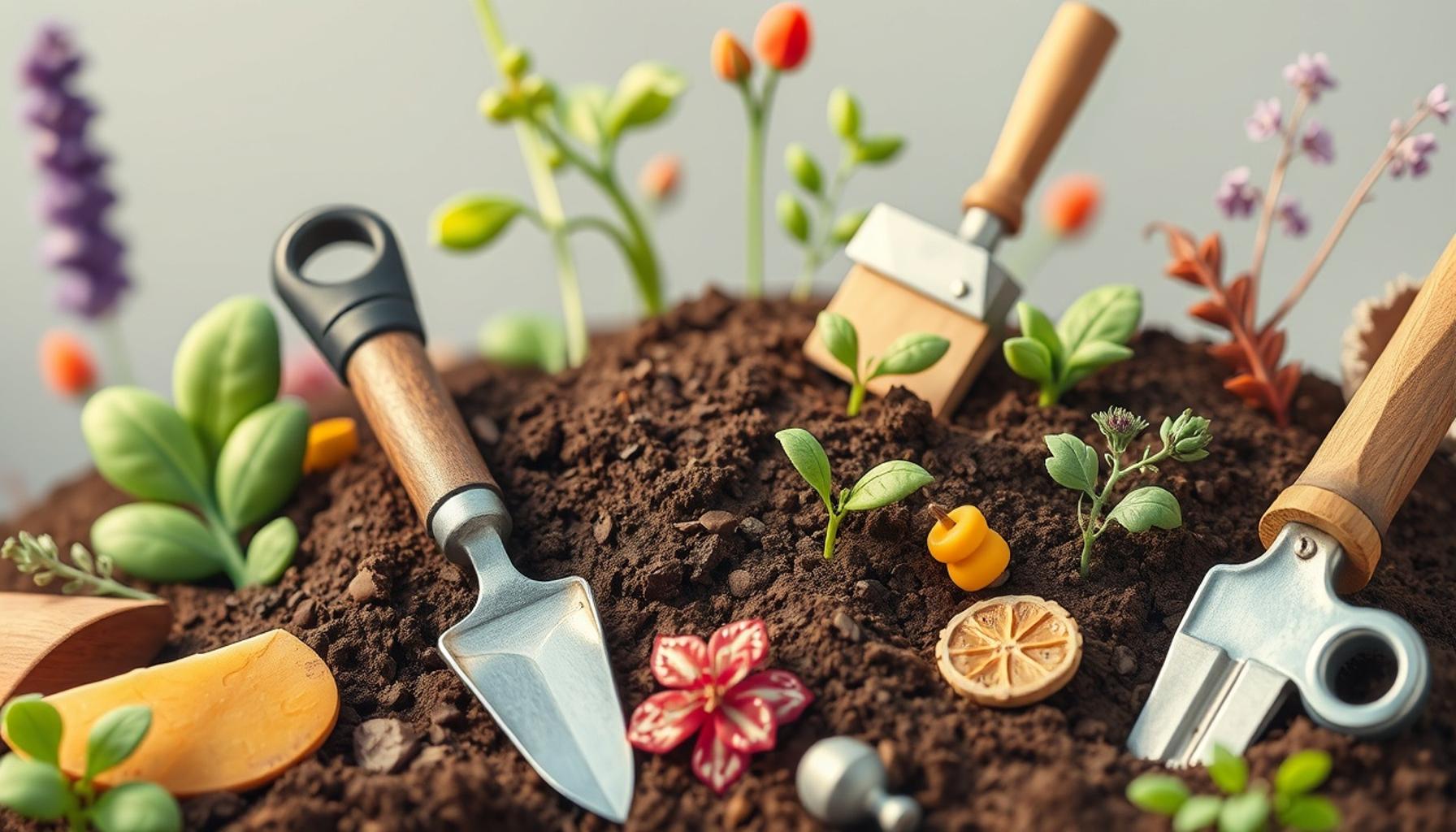
When stepping into the realm of gardening or farming, having the right tools at your disposal can make a world of difference. Each instrument serves a distinct purpose, enabling you to tackle various aspects of soil preparation effectively. Understanding these tools and how to use them empowers you to create the perfect planting environment. Here, we delve into several indispensable tools that every gardener or aspiring farmer should consider when preparing their soil:
- Tillers: These versatile machines are essential for breaking up compacted soil. By mechanically aerating the ground, tillers enhance soil texture, allowing air and moisture to penetrate deeply. This is crucial for promoting robust root development. Moreover, they help in mixing organic matter such as compost into the soil, providing vital nutrients for your plants.
- Spades: Considered a classic gardening tool, spades are incredibly useful for digging, turning soil, and planting. Their sharp, flat edges make them ideal for cutting through roots or tough turf, making soil preparation efficient. Whether you are establishing a new garden bed or improving existing soil, a spade is a valuable companion.
- Soil Test Kits: Knowledge is power when it comes to soil health. Soil test kits are essential for assessing the pH and nutrient levels of your soil. Typically available at garden centers, these kits can tell you if your soil is acidic or alkaline and how fertile it is. Armed with this information, you can make informed decisions on amendments to foster a more productive growing environment.
Techniques for Optimal Soil Conditioning
Beyond the right tools, mastering effective techniques is equally vital for optimal soil conditioning. Here are some commonly practiced methods that can enhance your soil preparation process:
- Double Digging: A traditional method that involves digging two spade depths into the soil, double digging is particularly advantageous in dense clay soils. This technique significantly improves soil aeration and allows for better drainage, encouraging healthy root expansion.
- Composting: Adding compost to your soil is an excellent way to introduce organic material. Compost not only enriches soil fertility but also supports a healthy microbial community that contributes to long-term soil health. Creating your compost pile can be both a rewarding and beneficial practice for your garden.
- Cover Cropping: This eco-friendly technique involves planting crops that are not intended for harvest but serve to cover and protect the soil. Species like clover and vetch create green cover that prevents erosion, improves soil structure, and adds nitrogen back into the soil when they are tilled under.
Utilizing the right tools and techniques for effective soil preparation lays the groundwork for a successful growing season. Not only do these practices contribute to the health of your plants, but they also foster a sustainable growing system that benefits the environment. As you explore these methods, you will discover that nurturing the soil is an investment in both your gardening journey and the resulting harvest.
| Category | Key Features and Benefits |
|---|---|
| Soil Testing Kits | Assess nutrient levels for tailored soil amendment applications. |
| Tillage Equipment | Enhances soil aeration and promotes better root growth for crops. |
| Compost and Mulch | Improves soil structure and enriches nutrients for healthier plants. |
| Weed Control Tools | Helps manage competition with crops, allowing for optimal growth. |
An effective soil preparation strategy encompasses a variety of tools and techniques designed to enhance crop yields and soil health. Each category plays a crucial role in ensuring that the soil is in best condition for planting. For instance, soil testing kits provide invaluable insights into the nutrient levels present, enabling gardeners and farmers to customize their fertilizer strategies for maximum efficiency. Similarly, tillage equipment is essential for breaking up compacted soil, enhancing aeration and drainage—key factors for robust root development.Another important aspect involves adding compost and mulch, which significantly improve soil structure, retain moisture, and enhance nutrient availability for your crops. Finally, the implementation of weed control tools is vital for preventing unwanted vegetation from competing with your crops, allowing them the necessary space and resources to flourish. Embracing these tools and techniques can lead not only to healthier soil but also to increased productivity in your gardening or farming endeavors.
DIVE DEEPER: Click here to learn more
Advanced Soil Preparation Strategies
In addition to fundamental tools and techniques, advancing your soil preparation practices can lead to even greater benefits for your gardening or farming endeavors. Understanding specific strategies can further enhance soil health and optimize conditions for plant growth. The following approaches are instrumental in preparing soil effectively, addressing various challenges that may surface in your landscape:
- Soil Amendments: One of the most impactful ways to improve soil health is through the use of soil amendments. These substances can enhance soil structure, aeration, and nutrient content. Common amendments include lime, which raises pH levels in acidic soils, and sulfur, which can lower pH for alkaline soils. Organic materials like well-rotted manure and peat moss add essential nutrients while improving moisture retention, making it easier for plants to thrive.
- Mulching: While often overlooked, mulching plays a significant role in soil preparation. Applying a layer of organic mulch—such as wood chips, straw, or grass clippings—can suppress weeds, retain moisture, and enhance nutrient content as it decomposes. Furthermore, mulch acts as a protector against extreme temperatures, providing a stable environment for microorganisms that work to sustain soil health.
- Permaculture Practices: The principles of permaculture advocate for designing farm systems that work in harmony with natural ecosystems. Implementing this approach can lead to more sustainable soil preparation. For example, keyline design focuses on controlling water flow and enhancing nutrient distribution across your land. By understanding the natural contours of your landscape, you can optimize water infiltration and reduce soil erosion.
- Soil Aeration: Another critical technique is soil aeration, especially for heavily compacted areas. Aeration can be achieved mechanically or manually and involves perforating the soil with holes to facilitate air, water, and nutrient penetration. This is particularly vital in high-traffic areas or where heavy machinery has been employed. Regular aeration promotes root growth and improves overall soil health.
Moreover, integrating crop rotation into your soil preparation routine can foster nutrient balance and reduce the risks of soilborne diseases. Alternating the types of crops planted in specific areas can naturally replenish certain nutrients while deterring pests that target specific plants. For instance, following nitrogen-fixing legumes with heavy feeders like corn can improve soil fertility sustainably.
Finally, consider adopting no-till farming practices. This technique minimizes soil disturbance, which helps preserve beneficial soil structure and microbial life. By leaving crop residues intact, you can facilitate the slow release of nutrients while preventing erosion. No-till methods encourage biodiversity and are increasingly recognized for their environmental benefits.
Incorporating these advanced strategies into your soil preparation regimen not only bolsters plant health but also establishes a sustainable framework for your gardening and farming practices. By staying informed about the diverse approaches available for effective soil preparation, you can discover methods that align with your unique growing environment and goals.
DISCOVER MORE: Click here to enhance your plant growth knowledge
Conclusion: Cultivating Healthy Soil for Thriving Gardens and Farms
Effective soil preparation is the cornerstone of successful gardening and farming, and understanding the essential tools and techniques is vital for nurturing healthy, productive plants. Throughout this article, we explored a variety of methods—from fundamental tools like tillers and hand tools to advanced strategies such as soil amendments and permaculture practices. Each approach serves a unique purpose and can be tailored to suit individual landscapes and agricultural goals.
Utilizing soil amendments enriches your soil with necessary nutrients, promoting a thriving ecosystem that levels the playing field for plants. Meanwhile, effective mulching acts as a protective barrier while improving moisture retention, making it a valuable addition. Adopting practices like crop rotation and no-till farming not only ensures sustainable management of the soil but also enhances its resilience against environmental challenges.
As you delve into your gardening or farming journey, remember that the health of your soil translates directly to the vitality of your plants. By harnessing these essential tools and techniques, you can cultivate a thriving environment that fosters plant growth and ensures sustainable agricultural practices. Explore these approaches further, experiment, and find the right combination that resonates with your specific needs, and witness how transformed soil can lead to bountiful harvests and flourishing gardens.