Gardening Tools for Kids: How to Introduce Little Ones to Home Gardening

The Benefits of Introducing Children to Gardening
Engaging children in gardening can be a rewarding experience that fosters a sense of responsibility and connection to nature. Using the right gardening tools for kids makes this journey not only enjoyable but also safe and educational. Gardening is more than just a hobby; it is an opportunity for children to explore their world, ask questions, and learn through experience.
Creating a fun gardening environment can help ignite a passion for plants and the outdoors. One of the most enticing aspects of gardening is that it appeals to all the senses—children can see the vibrant colors of flowers, touch the soil, smell fresh herbs, and taste the fruits of their labor. Here are some fascinating benefits of introducing little ones to home gardening:
- Hands-on Learning: Kids gain valuable lessons in biology and ecology. They observe how plants grow from seeds to mature specimens, learn about the life cycle of plants, and understand the importance of pollinators like bees. For example, children can witness firsthand how watering and sunlight affect plant growth, fostering an understanding of environmental science.
- Motor Skills Development: Using tools aids in enhancing fine motor skills. Activities such as planting seeds, pulling weeds, and watering plants require coordination and dexterity. As children grip small shovels or use watering cans, they are unknowingly practicing skills that will benefit them in various activities, from writing to sports.
- Healthy Habits: Gardening encourages a love for vegetables and fruits. Children who grow their own food are more likely to try new vegetables and develop lifelong healthy eating habits. For instance, a child who learns to cultivate tomatoes may be more inclined to eat salads or snacks made from the produce they helped grow.
Choosing the right tools is essential. Lightweight and child-safe gardening tools not only make it easier for children to participate but also ensure they remain engaged. Here are some essential gardening tools for young gardeners:
- Mini Shovels: Perfect for digging and planting, mini shovels designed for little hands allow children to feel capable and empowered as they help prepare garden beds.
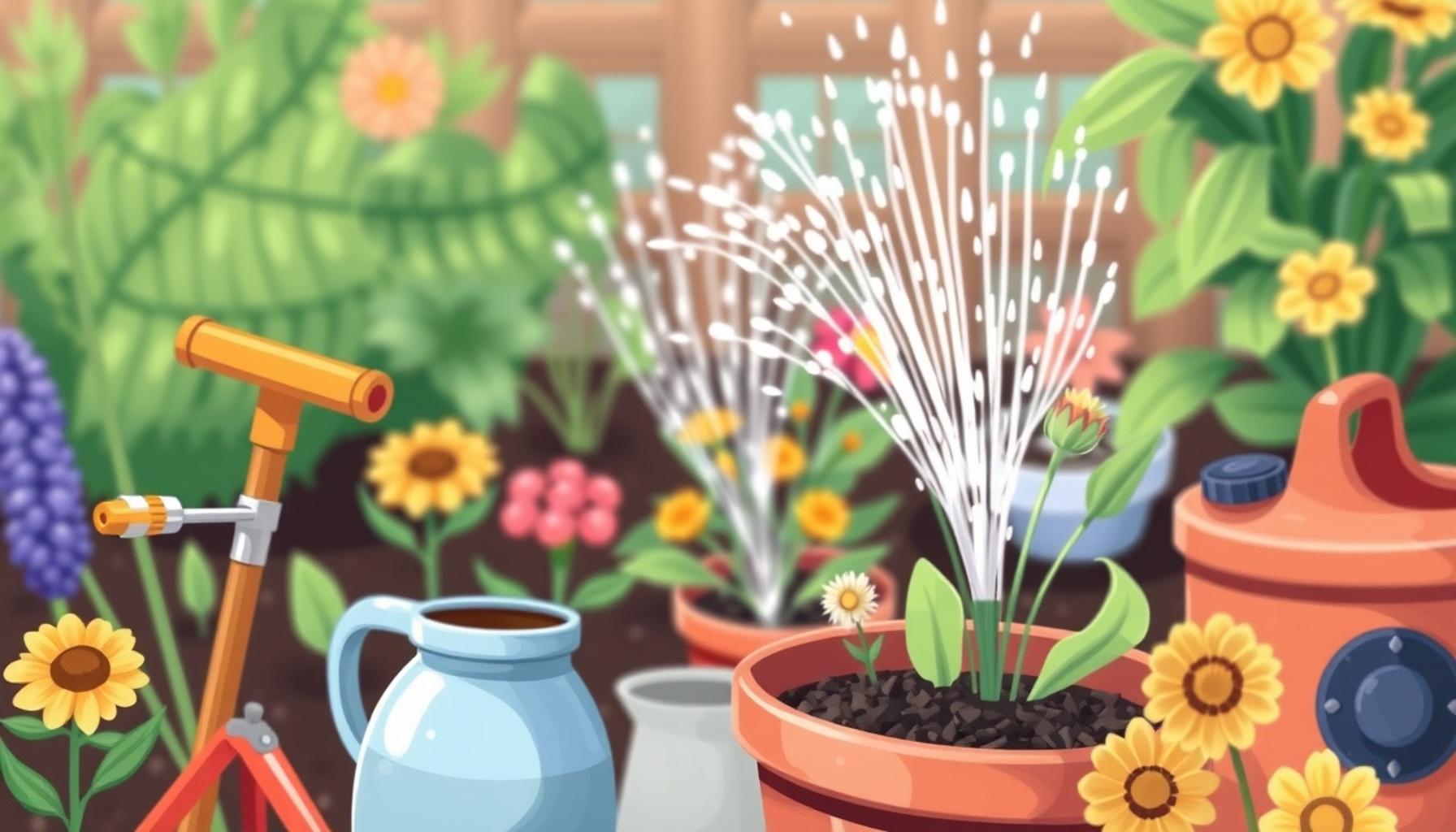
- Watering Cans: These encourage kids to care for their plants by teaching them the importance of hydration in gardening. Colorful and easy-to-handle watering cans make the task even more appealing.
- Garden Gloves: Protecting little hands while they dig in the dirt is vital for safety. Fun designs can make wearing gloves more appealing to children, ensuring that they are safe while handling soil and plants.
By introducing these engaging activities and tools, you can cultivate a garden that sparks curiosity and creativity in children. Families can enjoy outdoor time together, exploring different types of plants and getting to know local flora and fauna. Additionally, gardening teaches patience and the rewards of nurturing and hard work.
Let’s explore how to make home gardening a delightful adventure for your little ones. Whether through simple flower potting or enhancing backyard vegetable gardens, the joy of gardening can encourage lifelong learning and appreciation for nature.
DISCOVER MORE: Click here to learn about easy-to-grow herbs
Essential Gardening Tools to Spark Interest
To create a vibrant gardening experience for children, it is essential to equip them with the right gardening tools for kids. Choosing tools specifically designed for little hands not only ensures safety but also empowers kids to take an active role in the process. Here, we’ll delve into some kid-friendly tools that can help turn a simple garden into a playground of learning and discovery.
One of the most engaging aspects of gardening for children is the variety of activities they can participate in. From digging to planting and watering, each task can help sustain their interest. Below are some essential tools that make these activities enjoyable:
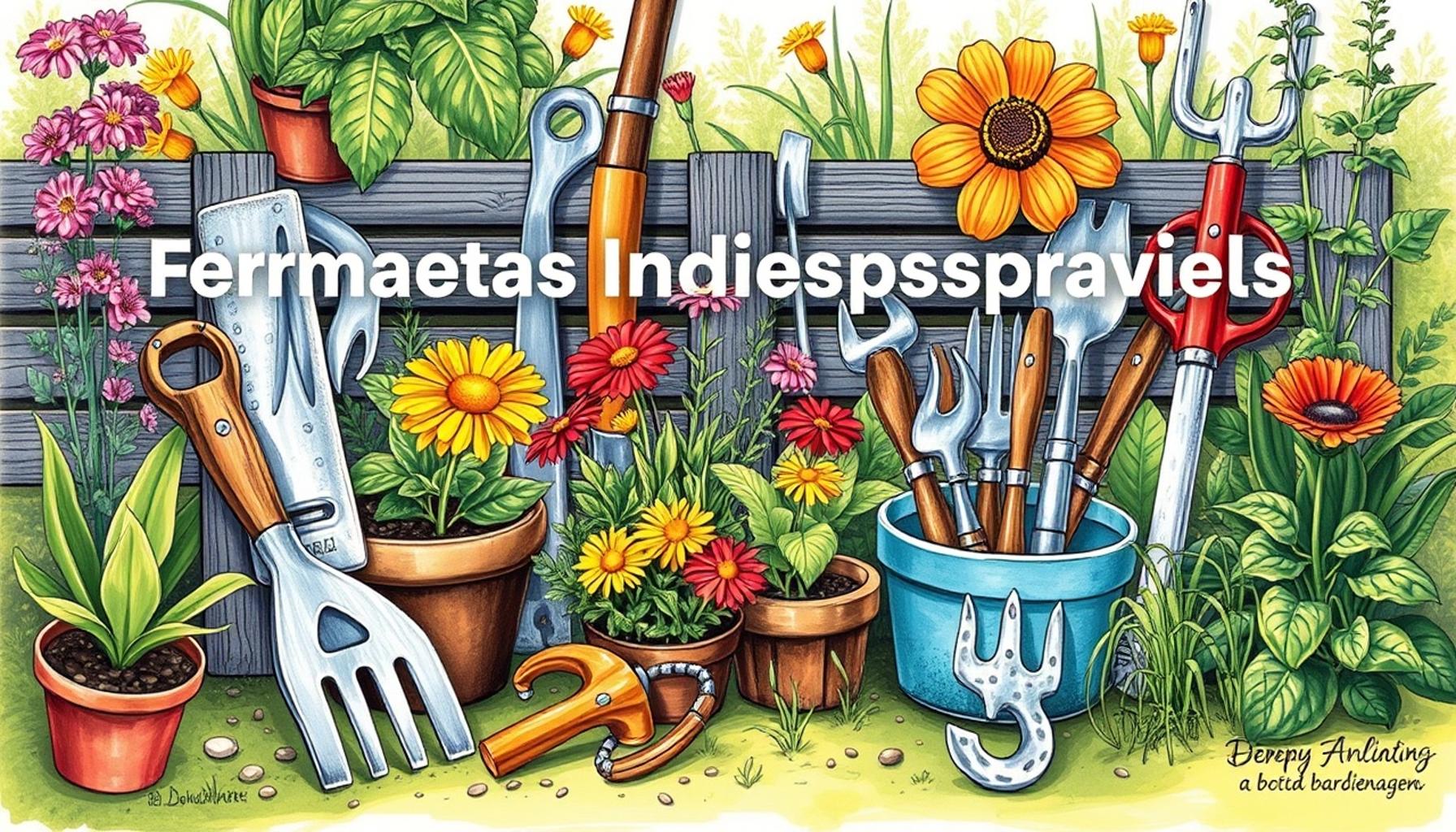
- Mini Rakes: These are perfect for loosening soil and preparing garden beds for planting. A mini rake crafted for tiny hands helps children understand the importance of soil preparation, which is crucial for healthy plant growth.
- Hand Trowels: A small hand trowel makes a great companion for planting seeds and bulbs. These tools are lightweight, easy to handle, and can help little ones learn the delicate art of digging without overwhelming them.
- Seed Packets: Including a variety of colorful seed packets introduces children to the concept of biodiversity. Choose fast-growing seeds like radishes or sunflowers that can provide a quick sense of accomplishment while nurturing their curiosity about different plant types.
- Garden Markers: Encouraging children to label their plants with creative, colorful markers adds a personal touch to their gardening experience. This activity promotes literacy skills as they practice writing the names of the plants they are growing.
When selecting gardening tools for kids, it’s also beneficial to consider their durability and ease of use. Quality tools made with safe, non-toxic materials will withstand the wear and tear of energetic activities while providing a safe environment for children. Additionally, it helps to choose items that reflect children’s interests, such as tools with fun colors or designs featuring their favorite characters.
Involving children in the selection of their gardening tools can enhance their excitement and ownership of the activity. Let them explore a local garden center where they can physically handle various tools, thus making them feel more engaged. You might be surprised at how inspired they become when they are given the opportunity to express their preferences.
Lastly, demonstrate how to use each tool properly. Show them how to dig with the trowel, the right amount of watering to give each plant, and how to gently rake soil. With your guidance, children not only learn how to garden but also how to interact safely with tools, which can translate to a variety of life skills.
As we move forward, let’s discover more methods to make gardening an exhilarating adventure for young ones. Simple changes can convert mundane tasks into delightful experiences, sparking creativity and a love for the outdoors that lasts a lifetime.
Engaging Your Children with Gardening
To truly immerse children in the enchanting world of home gardening, choosing the right tools is essential. A variety of kid-friendly gardening tools can transform the gardening experience into a delightful adventure, making it educational and entertaining. These tools often feature bright colors and ergonomic designs, specifically crafted for small hands, igniting a passion for nurturing plants from an early age.
The Benefits of Gardening
Gardening imparts invaluable lessons beyond just plant care. Social skills are enhanced as children work together in teams, sharing responsibilities and outcomes from seed to harvest. Moreover, engaging in such hands-on activities fosters a strong connection with nature, promoting environmental awareness. Research has shown that children who participate in gardening develop a greater appreciation for healthy eating, as they cultivate their own fruits and vegetables.
Choosing the Right Plants
Selecting suitable plants for young gardeners is crucial. Opt for fast-growing, easy-to-care-for plants like radishes, sunflowers, or beans. These plants not only yield quick results, keeping the little ones engaged, but also teach them about the life cycle of plants. Encourage children to observe changes daily, fostering patience and observational skills.
Creating a Gardening Routine
Establishing a gardening routine can make learning fun and systematic. Involve children in regular watering, weeding, and harvesting tasks to instill a sense of responsibility. Scheduling weekly “garden days” can boost excitement and provide a consistent opportunity for them to connect with their plants and the process of growth.
| Category | Benefits |
|---|---|
| Physical Development | Enhances fine and gross motor skills through digging, planting, and watering. |
| Environmental Awareness | Encourages respect for nature and understanding of ecosystems. |
Incorporating these methodologies not only teaches children about gardening but also enriches their lives with essential life skills, paving the way for a lifelong love of nature and sustainability. By equipping them with the right tools and experiences, you lay the groundwork for budding gardeners and environmentally-conscious individuals.
DISCOVER MORE: Click here for seasonal planting tips
Engaging Gardening Activities to Foster Learning
Introducing children to gardening is not just about providing gardening tools for kids; it’s about creating immersive experiences that cultivate their interest and engagement. By integrating fun activities with tool usage, we can foster a love for nature and gardening that lasts a lifetime. Below are a few activities to consider, which can serve as both educational and enjoyable:
- Planting a Butterfly Garden: Encourage children to plant flowers specifically chosen to attract butterflies. Tools like child-sized pruning shears and trowels can be utilized while discussing the lifecycle of butterflies. This activity offers kids a chance to learn about pollination and the importance of insects in our ecosystem.
- Building a Worm Compost Bin: Teaching children about composting can be a rewarding experience. Providing them with small shovels and gloves, children can collect kitchen scraps and place them in a designated bin. This hands-on activity not only creates a mini ecosystem but also educates about recycling waste and creating nutrient-rich soil.
- Creating Garden Art: Use the time spent in the garden to encourage creativity. With safe craft supplies and child-friendly tools, children can create garden markers, painted rocks, or decorative pots. Engaging in these artistic activities promotes both creativity and ownership of their gardening space.
- Garden Scavenger Hunts: Incorporating learning games can elevate the gardening experience. You can prepare scavenger hunt lists that include items like various leaves, flowers, or bugs. Equipping kids with small baskets and magnifying glasses can make this activity thrilling, as they explore and learn about the different elements of their garden.
Furthermore, introducing children to the concept of garden responsibility can be enhanced by assigning specific roles to each child. This could involve watering certain plants, weeding areas, or even monitoring growth. By holding them accountable for these tasks, children develop a sense of accomplishment and take pride in their contributions.
It is also essential to embrace the four seasons in your gardening journey. Each season brings unique opportunities to teach kids about different gardening strategies. For example, during the fall, you can discuss how to prepare the garden for winter, while spring can be timed for sowing seeds. Each seasonal shift allows conversations about the changes in nature, weather patterns, and the life cycles of plants, keeping children engaged year-round.
Additionally, consider organizing community gardening events where children can interact with their peers. Whether at a school garden or a local park, these outings can provide social learning opportunities while reinforcing teamwork and communication. Letting children see the dedication of local gardeners can inspire them to take greater interest in their own green spaces.
Through these engaging activities and the right gardening tools for kids, adults can help nurture not only plants but also the natural curiosity and love for learning in children. By creating a connection between children and nature, we can protect the environment while fostering essential life skills in a fun manner.
DON’T MISS: Click here to learn more about automatic irrigation solutions!
Conclusion: Cultivating a Green Thumb in Young Gardeners
In summary, gardening tools for kids are more than just equipment; they are gateways to exploring nature, nurturing responsibility, and igniting creativity in young minds. By providing child-friendly tools and engaging activities, parents and educators can create lasting connections between children and the environment. Children who participate in gardening learn vital skills, from understanding the ecosystem to developing a sense of accomplishment through teamwork and individual responsibility.
The vast potential of gardening extends beyond the simple act of planting seeds. As seasons change, so do the lessons to be taught, with spring bringing opportunities for sowing and autumn offering insights into preparation and harvesting. Embracing these seasonal changes can open discussions that enrich children’s understanding of the natural world. You can further deepen their interest by involving them in community gardening events, thus promoting social skills and a sense of belonging.
As parents or guardians foster curiosity about the environment and sustainability, they empower children to become conscientious stewards of the earth. The joy of seeing plants grow, coupled with the knowledge gained through hands-on activities, can lead to a lifelong appreciation for gardening and nature. Encouragement at this early stage can nurture not only a green thumb but also a commitment to environmental mindfulness.
Ultimately, the goal is to create a space where children can thrive and learn, turning simple gardening endeavors into profound life lessons. By introducing gardening tools for kids and making gardening an enjoyable adventure, we set the foundation for future generations to cultivate their own positive relationships with nature.